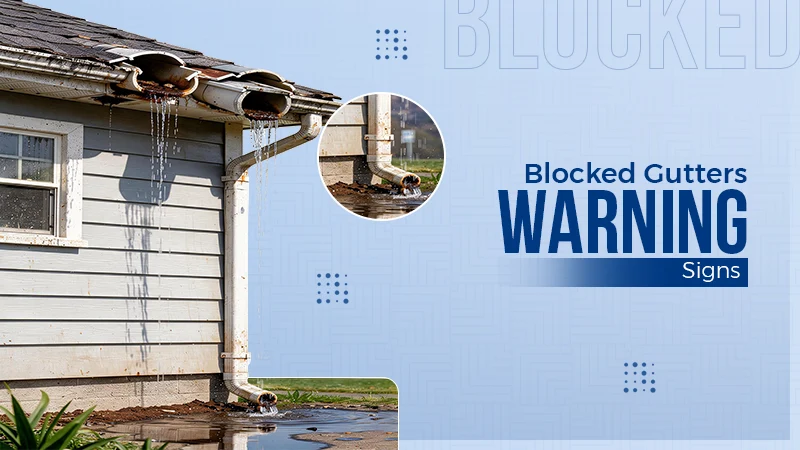
Some temporary pooling can be normal immediately after a major storm but not for many hours or days.
The Warning Signs Your Yard Drainage Needs Attention
Author
Terri Sander
For homeowners in even relatively rainy regions, a yard needs more than good-looking landscaping. It needs a reliable way to absorb, redirect, and release excess water.
But drainage issues rarely announce themselves loudly. Your yard may start by staying muddy a little longer, developing small puddles, or losing mulch after heavy rain. Over time, those seemingly minor signs can contribute to lawn damage, erosion, and water collecting around the foundation.
Warning signs can help you address drainage problems before they become a larger property issue.
Table of Contents:
- Standing Water Remains Long After the Rain Stops
- Your Lawn Is Constantly Soggy or Muddy
- Water Is Collecting Near the Foundation
- Soil and Mulch Are Washing Away
- Downspout Water Is Flooding the Yard
- Patios, Driveways, or Walkways Flood During Storms
- Temporary Fixes Aren't Solving the Real Drainage Problem
- Conclusion
- FAQs
Standing Water Remains Long After the Rain Stops
One of the clearest indications of a drainage problem is water that remains in the yard hours or even days after rainfall. Small puddles immediately after a storm may be normal. But persistent pools usually indicate that the soil cannot absorb moisture efficiently or that runoff has nowhere to go.
Standing water commonly develops in low areas of a lawn, beside patios, near walkways, or along the foundation. It may result from compacted soil, improper grading, considerable roof runoff, or the absence of a reliable drainage route.
A drainage professional can evaluate how water moves across the property and determine where it should be redirected. Depending on its source and location, the solution may need a French drain, a catch basin, underground piping, or another drainage system designed around the yard’s layout.
If it’s not the yard but your pool deck that needs draining, a different set of measures is recommended.
Your Lawn Is Constantly Soggy or Muddy
A lawn does not need to contain large puddles to have a drainage issue. Soil that consistently feels soft, wet, or spongy underfoot can also indicate that excess water is remaining below the surface.
Shaded sections, low spots, or areas where runoff from surroundings collects are often soggy. You may notice footprints sinking deeply into the lawn, mud forming around frequently used paths, or grass becoming difficult to mow.
When earth remains saturated, oxygen cannot reach grass roots effectively. This can cause the lawn to thin, discolor, or die. Some homeowners repeatedly replace grass or add new soil without realizing that poor drainage is the underlying cause. Until the problem is fixed, landscaping repairs may provide only temporary improvement.
Subsurface drainage can help collect excess moisture and move it toward a safer discharge location. Persistent sogginess indicates water is collecting beneath the surface. Here, professionally developed French drain services in Bee Ridge’s can provide a long-term solution without disrupting the yard’s overall appearance.
Water Is Collecting Near the Foundation
Water pooling near the house should never be treated as a minor landscaping concern. The invading moisture places unnecessary pressure on the foundation and surrounding materials.
Typical warning signs include puddles beside exterior walls, damp soil around the perimeter, staining near the base of the home, or mulch repeatedly washing against the foundation. Water may also collect near entryways, lanais, garage doors, or other low points around the facility.
The longer it remains near a foundation, the greater the risk of moisture finding its way into vulnerable areas. It can contribute to:
- Damp interior spaces
- Musty odors
- Deterioration of surrounding materials
- Soil movement around the home
Even when no interior damage is visible, repeated saturation should be investigated.
Proper grading may help in some situations, but it is not always enough. A drainage system may be required to intercept runoff and carry it away from the house. French drains, channel drains, and underground downspout connections can each play a role, depending on where the water originates and how the property is designed.
SURPRISING STATS
Water damage and freezing claims account for 24% of all home insurance claims, and the average claim payout is $12,514.
Soil and Mulch Are Washing Away
Erosion is another substantial indication. After heavy rain, homeowners may find soil displaced from garden beds, mulch scattered across walkways, or small channels forming in the yard.
These changes occur when runoff gains enough force to carry loose landscaping materials with it. Sloped properties are particularly vulnerable, but erosion can happen in almost any lawn where roof water, driveway runoff, or surface drainage is concentrated in one area.
Beyond reducing curb appeal, erosion can expose plant roots, create uneven ground, and remove nutrient-rich topsoil. It may also cause sediment to collect around drains, patios, or neighboring sites. Replacing mulch after every storm does not address the source of the problem.
An effective drainage design slows, captures, or redirects water before it can damage the terrain. Catch basins and French drains may collect it from lawn areas, while channel drains can help manage runoff near hard surfaces. The correct approach should be based on the property’s slope, soil conditions, and natural water flow.
Downspout Water Is Flooding the Yard
A roof can accumulate a significant amount of rainwater during a storm. If downspouts release that directly beside the home or into an already saturated part of the lawn, the surrounding area may quickly flood.
Symptoms of a downspout-related problem include deep holes beneath discharge points, mulch displacement, foundation-side puddles, and narrow trails of erosion extending across the yard. In some cases, one section of the property remains wet because several roof drainage points empty into an identical general area.
Extending a downspout a few feet across the surface may provide limited relief, but it can also create a tripping hazard or simply move the puddle elsewhere. A better solution is to link the downspout to an underground drainage system that transports water to an appropriate discharge location.
Patios, Driveways, or Walkways Flood During Storms
These hard surfaces don’t absorb rainfall. And if there’s no clear drainage path, it accumulates quickly. If patios, pool-adjacent areas, driveways, or walkways regularly flood, the issue may involve improper slope, surrounding runoff, or the absence of a surface drainage system.
Water gathering on paved areas can make outdoor spaces slippery and difficult to use. It may also carry dirt and debris across the surface, leave stains, or flow toward doors and garage openings. Repeated pooling around the edges of concrete or pavers can contribute to ground washout and instability.
However, placing a drain without understanding the complete water pattern may not solve the problem. The collection must still be transported to a suitable location. A professional inspection can account for surface elevation, discharge options, rainfall volume, and connections to the rest of the yard drainage system.
Temporary Fixes Aren’t Solving the Real Drainage Problem
Recurring issues are often the strongest sign that a comprehensive drainage plan is needed. Adding topsoil, digging a shallow trench, placing gravel in a low spot, or extending a flexible pipe may provide short-term relief, but these measures frequently fail during the following period of heavy rain.
Temporary fixes often address the visible puddle rather than the underlying cause of the problem. The true source may be poor grading, concentrated roof runoff, compacted soil, water rolling from a neighboring elevation, or several drainage issues occurring at the same time.
A professional drainage evaluation considers the property as a complete system. The contractor can:
- Observe low points
- Identify runoff sources
- Evaluate soil and slope conditions
- Determine how water should travel across or beneath the yard
The final design may use one solution or a combination of French drains, channel drains, downspout drainage, catch basins, underground piping, or sump pump drainage.
The plan is not simply to remove a puddle after a storm. A well-designed system should help protect the lawn, reduce erosion, keep outdoor spaces functional, and direct water away from vulnerable areas of the property.
Conclusion
Homeowners should act when they notice persistent standing water, soggy grass, foundation-side moisture, erosion, uncontrolled downspout runoff, or flooding around hard surfaces. Addressing these warning signs early can prevent a manageable yard problem from becoming a more disruptive and expensive property problem. A professional drainage assessment can identify the root cause and recommend a long-term solution that helps protect the landscape, foundation, and overall property value.
FAQs
How long is standing water okay after rain?
Can poor yard drainage damage a home’s foundation?
Persistent pooling near a foundation can increase moisture exposure and contribute to problems around the structure.
Is a French drain always the best solution for a soggy yard?
A French drain can be useful for collecting and redirecting subsurface or surface water. But the right solution for a situation depends on factors such as the source, soil conditions, elevation, slope, and available discharge points.
Latest Blog