The cheapest way to glamp is to use a spacious tent and upgrade the comfort using items from home.
How to Create a Backyard Glamping Setup That Feels Luxurious, Not Gimmicky
Author
Isha Parmar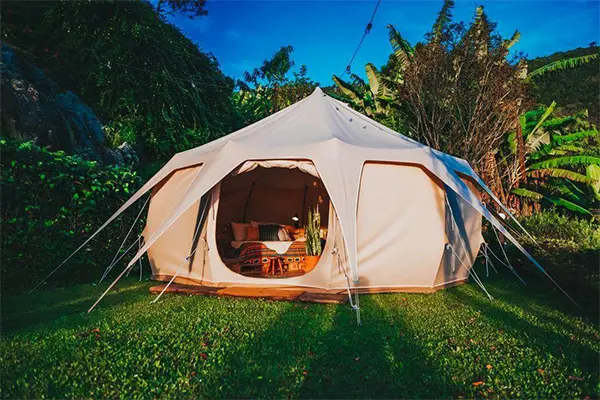
The backyard of a house can do a lot more than just hold a grill, a patchy lawn, and that one chair nobody claims. If you plan it properly, then it will give you a space where you feel relaxed, stylish, and it is actually usable. For all of these, you don’t need a big property or a resort-sized budget either. By making some smart decisions, you can really build a beautiful backyard escape that looks polished, survives different conditions, and makes overnight stays feel fun instead of slightly chaotic.
Table of Contents:
- Choose Shelter That Feels Substantial
- Start With the Experience You Actually Want
- Pick the Right Spot in Your Yard
- Keep the Decor Edited and Functional
- Make Lighting Feel Warm, Not Harsh
- Plan for Weather, Bugs, and Other Reality Checks
- Add Small Luxuries That People Remember
- Keep It Easy to Maintain Over Time
- FAQs
Choose Shelter That Feels Substantial
The tent is the centerpiece, so it needs to look good and perform better. Thin camping tents may work for a trail weekend, but they hardly deliver the comfort or visual appeal people expect from glamping. You want structure, headroom, and materials that can handle actual use.
When comparing options, pay attention to:
- Ceiling height for standing room
- Ventilation for warm nights
- Durable fabric and frame construction
- Door and window placement
- Space for beds, rugs, and side tables
If you’re building a more polished outdoor stay, Glamping tents are worth considering because they’re designed for comfort, aesthetics, and a more elevated guest experience. A strong tent changes the whole mood. It stops feeling like a temporary campout and actually feels like an intentional outdoor room.
Start With the Experience You Actually Want
Before you buy anything, decide what your setup needs to do. Are you creating a romantic weekend space, a family sleepover zone, or a hangout spot for friends who want string lights and late-night snacks? That choice determines everything from layout to furniture.
A backyard glamping setup works best when it solves real comfort problems.
- Sleeping space should feel roomy, not cramped
- Lighting should be soft but practical
- Seating should work during the day and night
- Storage should keep clutter from taking over
If you skip this planning step, you’ll end up with a pretty setup that works like a staged photo and nothing more. Looks are important, sure, but usability is the part that keeps people from sneaking back into the house at 11 p.m. with a blanket and a bad attitude.
Pick the Right Spot in Your Yard
Placement can make an average setup feel great, or make a great setup annoying fast. The flattest part of your yard is often the first candidate, but don’t stop there. Consider shade, drainage, privacy, and noise.
A few real-world details matter more than people expect:
- Avoid low spots where water collects after rain
- Check how much direct afternoon sun hits the area
- Leave enough clearance around the tent for walking
- Consider how close you are to the house bathroom
- Notice nearby lights from neighbors or streets
Morning sun can be good. Blazing afternoon heat, less charming. If your yard gets windy, try using fencing, shrubs, or movable privacy panels to cut drafts and boost the sense of enclosure. The aim is to create a spot that feels tucked away, even if it’s twenty steps from your kitchen door.
Keep the Decor Edited and Functional
Glamping looks best when the decor seems intentional, not overloaded. You don’t need to fill the tent with lanterns, throws, baskets, plants, and twelve tiny accessories that serve no purpose. Choose pieces that add warmth while still leaving room to move.
Focus on items that do double duty:
- Ottomans with storage inside
- Side tables that hold drinks and lanterns
- Hooks or racks for jackets and bags
- Blankets that work as bedding and evening wraps
Color helps as well. Neutrals with one or two accent tones tend to feel calmer and more costly than a mashup of every pattern in the clearance aisle. Texture does a lot of the heavy lifting here. Canvas, linen, wood, and woven materials create depth without making the space feel fussy. Clean styling often beats maximalist “cabin-core chaos” every time.
Make Lighting Feel Warm, Not Harsh
Lighting can turn a backyard setup from mildly inviting to pleasantly memorable. Overhead floodlights ruin the mood in minutes, so think in layers instead. You want proper light to move around safely, read a bit, and find your shoes without making the tent feel like a parking lot.
A smart mix might include:
- Battery-powered lanterns for ambient glow
- String lights around the entrance or canopy line
- Small rechargeable lamps near beds
- Solar path lights outside the tent
Warm-toned bulbs often look better than bright white ones. They enhance the space and make everything feel more relaxed. Keep one brighter task light nearby for simple moments, especially if kids are involved, or you’re setting up snacks after dark. Good lighting should feel easy and low-drama. Nobody wants to troubleshoot a tricky power setup while holding a flashlight in their teeth.
Plan for Weather, Bugs, and Other Reality Checks
A backyard glamping setup needs to manage more than perfect sunset photos. Weather changes, bugs show up uninvited, and temperatures can swing fast. If you plan for those factors quickly, you’ll use the space a lot more often.
Think through the basics:
- Add mesh screens or screened openings for airflow
- Use a fan for summer heat
- Keep extra blankets for cooler nights
- Store citronella or bug-repelling options nearby
- Have a covered bin for supplies and food
Rain protection matters as well. Even if your tent is weather-resistant, muddy ground around it can still make things messy. A simple mat outside the main gate helps a lot. If your area gets heavy dew, keep fabrics elevated and packed cleanly overnight. Comfort in outdoor living usually comes down to small prevention tactics, not grand design moves.
Add Small Luxuries That People Remember
The best glamping setups consist of thoughtful extras that make guests feel cared for. These don’t have to be costly. They just need to feel useful and a little special.
Great add-ons include:
- Drink station with water and mugs
- Small tray for books, cards, or snacks
- Robes or slippers for overnight guests
- Portable speaker for low background music
- Morning coffee setup nearby
You can also design the space for who’s using it. For kids, add floor cushions, games, and easy snack access. For adults, focus on comfort, privacy, and lighting that makes everyone feel like they slept eight hours. Backyard glamping works because it mixes novelty with ease. If people can relax without constantly requiring something from inside the house, you’ve nailed the balance.
Keep It Easy to Maintain Over Time
A luxurious backyard setup loses its appeal fast if it becomes a high-maintenance chore. Design it so you can clean, store, and reset it without turning every weekend into a production planning.
Pick materials that can handle outdoor use, even if the tent isn’t up year-round. Washable covers, weather-resistant furniture, and stackable accessories save time and frustration. Design a simple storage system for linens, lights, and decor so setup feels manageable.
The most successful backyard glamping spaces aren’t the fanciest ones. They’re the ones you’ll keep using. If your setup feels inviting, practical, and a little bit indulgent, you’ve created something much better than a trend piece. You’ve built a place people actually want to spend time in.
FAQs
What is the cheapest way to glamp?
What is the average cost of glamping?
The average cost of glamping is $100 to $400 per night for a canvas set-up and $450 to $800+ per night for a high-end structure.
Is glamping more expensive than camping?
Yes. Glamping is more expensive than camping.
Is a glamping business profitable?
Yes. Glamping is profitable as startup costs are lower and profit margins are higher.
Latest Blog