Flickering lights, frequent issues in the system and some odd smells of burning can signal an improper electrical system.
Is Your Home’s Electrical System Ready for Modern Life?
Author
Rashika GuptaLast Update
September 20, 2026
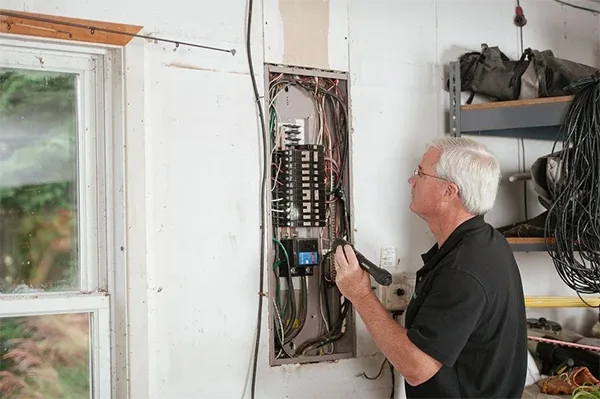
We are actually surrounded by equipment. From the air conditioners that regulate the air to smart devices, modern life has become completely dependent on equipment. With the rising needs and usage, the system can easily feel overloaded.
Older electrical systems may not be capable of bearing this. You might ask now – but how to check this? There are some common signs that can indicate to take major steps to keep your home.
Keep reading this post to learn whether your electrical system is ready for modern life.
Table of Contents:
- Modern Homes Are Asking More From Their Electrical Systems
- Know When Your Existing Panel May Be Falling Behind
- Watch for Warning Signs Around the House
- Plan Ahead Before Adding Major Electric Equipment
- Understand That Bigger Is Not Automatically Better
- Include Electrical Planning in Larger Renovations
- Get a Professional Assessment Before Making the Call
- Conclusion
- FAQs
Modern Homes Are Asking More From Their Electrical Systems
Think about how many devices you might use during an average evening. The air conditioning is running, dinner is cooking, various handheld devices are charging, and someone may be doing laundry while another person is typing at a computer.
Older homes weren’t explicitly designed around that kind of electrical demand. Adding new equipment can increase the load further, especially when you switch from gas appliances to electric backups.
The Department of Energy notes that generators can include technologies such as EVs, electric water heaters, electric cooking equipment, and heat pumps. That doesn’t obviously mean an older home warrants major electrical work. It does mean you should evaluate the capacity of the entire system before adding equipment that draws heavy power. A shiny new appliance isn’t much fun if the infrastructure behind it can’t efficiently support it.
Know When Your Existing Panel May Be Falling Behind
Your electrical panel conveys power to the circuits that support outlets, lights, and appliances throughout your house. Breakers also deliver an important layer of protection by cutting current when it reaches safe levels.
If your existing setup lacks adequate capacity or room for planned revisions, an electrical panel upgrade may be worth discussing with a licensed electrician. The decision should be based on your home’s current service, electrical load, panel condition, and future plans rather than strictly the age described on a label.
Pay close scrutiny to recurring warning signs as well. On occasion tripped breakers, unusual buzzing, overheating, odors, and unsolved power interruptions can point to electrical problems. These symptoms require professional assistance rather than another casual flip of the breaker. Electricity isn’t particularly motivated by optimism.
Watch for Warning Signs Around the House
Your panel isn’t the only place electrical instability can announce itself. Problems can be seen elsewhere as flickering lights, warm switches, hot outlet wrappings, sparks, damaged cords, or appliances that more than once trip the same circuit.
The U.S. Consumer Product Safety Commission provides a home electrical safety survey that can help you identify areas worth reviewing. You shouldn’t remove panel enclosures or experiment with wiring yourself, but you can pay keen attention to what your home is telling you.
Also consider patterns rather than rare incidents. One breaker trip after incorporating too many devices into the same circuit may have an immediate explanation. A breaker that repeatedly trips under standard use deserves investigation. Resetting it over and over solves the symptom without identifying what is causing the circuit to run out or malfunction.
Also, learn what every homeowner should know about electrical outlet options.
Plan Ahead Before Adding Major Electric Equipment
Electrical planning becomes especially relevant when you’re prepping for a major home redesign. An EV charger, heat pump, induction range, electric water heater, hot tub, or workshop equipment can change your home’s power specs considerably.
Before importing the equipment, have an electrician find out whether your current service and panel can accommodate the added load. That assessment can prevent an annoying surprise halfway through installation.
The U.S. Department of Energy specifically notes that some homes may depend on panel or circuit improvements when deploying equipment such as electric heat pumps. Planning everything together can also reveal potential solutions. Based on your home and the equipment involved, load-management technology, efficiency adjustments, or other approaches may sometimes reduce the call for a larger service. The useful request isn’t simply, “Can I upgrade?” It’s, “What does my house truly need?”
Understand That Bigger Is Not Automatically Better
It can be tempting to postulate that replacing an existing panel with the largest open option solves every problem. Residential electrical systems don’t perform quite that neatly.
An electrician needs to review your service capacity, wiring, circuits, hoped-for loads, utility requirements, and applicable electrical codes. Increasing the panel capacity doesn’t magically strengthen wiring elsewhere in the house or repair a failing circuit.
This gap matters when you’re renovating. Suppose you’re remodeling a kitchen and introducing an induction range along with other high-demand items. The project may involve isolated circuits or other electrical changes that surpass work at the main panel.
Ask your electrician to explain what the planned work achieves and why each component is necessary. You should assess whether the project addresses safety concerns, creates room for new circuits, supports increased electrical demand, or includes several goals.
Include Electrical Planning in Larger Renovations
Electrical work is easiest to forget when countertops, flooring, cabinets, and fixtures are taking all the attention. Unfortunately, making up one’s mind where the outlets should go after the walls are finished is an exceptional way to make a renovation more stressful.
Discuss electrical concerns early when planning kitchens, additions, finished basements, garages, or major appliance renovations. Think about where you’ll carry devices, which appliances require specialized circuits, and what you might add a couple years from now.
Future planning doesn’t necessarily involve turning your house into a miniature power station. A little imagination can simply reduce the likelihood of breaking down walls or updating recently completed work.
This is also a good chance to have older wiring and electrical accessories evaluated. Renovations can expose scenarios that have been hidden for years, allowing you to address problems while related areas are already reachable.
Get a Professional Assessment Before Making the Call
You can spot early signs and think about future electrical needs, but to assess the condition and capacity of a home electrical system takes technical knowledge. Working inside an electrical panel isn’t a harmless DIY experiment.
Ask a qualified electrician to verify the system and explain what they find in simpler terms. A useful assessment should differentiate between immediate safety challenges, improvements required for planned equipment, and optional revisions that could make future projects easier.
Get clarity on permits and certifications too. Requirements vary by district, and heavy electrical work may need clearance from local authorities or cooperation with the utility.
Also, get to know about a complete home audit for a safer and healthier home.
Conclusion
In the end, modern homes require electricity for almost every task that is done to keep the home running smoothly. Directly or indirectly, dependency is there. Frequent issues in devices, flickering lights and other unusual signs should not be ignored anyway.
Connect with a professional electrician to get it fixed and evaluated properly. The end goal is not to find the biggest system possible. It is to make it safe and reliable for your basic needs and keep it working with the changing needs.
FAQs
How do I know if my home’s electrical system is overloaded?
Does an older home always need an electrical panel upgrade?
Not always. The current condition should be checked properly, along with wiring and other electrical components.
Is a bigger electrical panel always better?
No. The panel size should match your home’s service capacity and real needs.