It simply means that the buyer accepts the property in its real condition rather than asking the seller to finish repairs before closing.
How to Sell an As-Is Property Without Going Through Repairs and Repeated Showings
Author
Isha ParmarLast Update
September 26, 2026
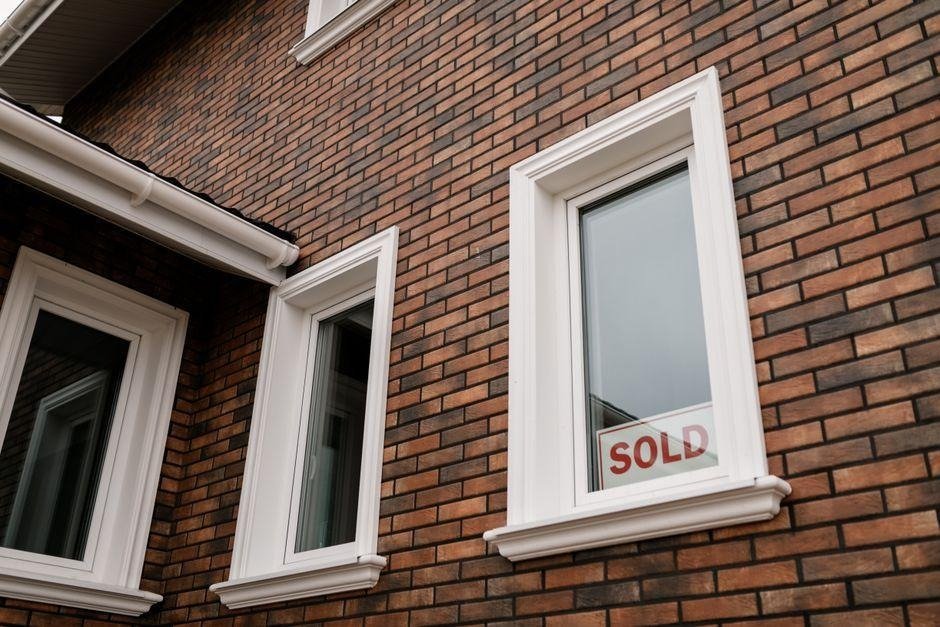
Selling a home that demands work can easily convert into a chaotic and stressful long list of repairs, contractor visits and endless showtimes. For most owners, that invested cost and real effort are not worth it.
The solution to this is selling the property as-is. In this type, the buyer takes the home in its real condition, with the price showing the work it needs. This trick is mainly useful for inherited homes, relocation, and financial pressure.
Keep reading to learn how to sell an as-is property without going through repairs and repeated showings.
Table of Contents:
- Understanding the Pressure of a Traditional Sale
- What Selling a Home As Is Actually Means
- The True Cost of Getting a House Ready
- Why Repeated Showings Wear Owners Down
- Situations Where an As-Is Sale Makes Sense
- How to Price a Property That Needs Work
- Being Honest About the Condition of Your Home
- Mistakes to Avoid When Selling Without Repairs
- Making the Decision With a Clear Head
- FAQs
Understanding the Pressure of a Traditional Sale
Selling a home slowly becomes a pressure, especially when the repairs are rising day by day. In this situation, most of the owners begin to find buyers who are ready to pay in cash, and the main problem is evaluating which of them agree to the price that was mentioned at the start.
Companies that purchase homes outright, without lenders or repair demands, exist for exactly this kind of situation. Working with established cash home buyers removes the repair list and the parade of strangers through your living room in a single step.
What Selling a Home As Is Actually Means
An as-is sale refers to a state when the property is sold without any modifications. This says that the owner does not agree to any roof fix, replacement of the water heater or repainting of the hallway. The buyer says yes to what is shared and the price mentioned at the start.
This does not mean you can hide problems. You still have a legal duty to disclose what you know about the condition of the house. What changes is the expectation. Instead of negotiating a repair credit for every item on an inspection report, both sides agree upfront that the price already reflects the work the property needs.
The True Cost of Getting a House Ready
Making a property ready for sale involves much more than an owner expects. A kitchen update, a new floor, fresh paint throughout, and a handful of plumbing fixes eat up most of the money you thought to move out with.
Then there is time. Contractors run late. Materials arrive damaged. A small repair reveals a larger problem behind the wall. Every delay pushes your sale date further out while you continue paying the mortgage, insurance, and utilities on a house you are trying to leave.
Also, learn how to get your belongings and home ready for moving day.
Why Repeated Showings Wear Owners Down
Showing is really chaotic when done by yourself. Each visit means cleaning the complete home, hiding personal items, finding places for pets, and leaving for an hour or two with little notice.
For families with young children or anyone working from home, this becomes genuinely disruptive. Open houses turn a weekend into a full production. Feedback arrives slowly, and much of it is unhelpful. Some visitors are curious neighbours rather than serious buyers.
The situation is actually critical. When one keeps saying bad things about a home you lived in for decades, it feels bad to get no deal and just see the worsening condition of the home.
Situations Where an As-Is Sale Makes Sense
Certain circumstances make this route the practical choice rather than a compromise. An inherited property in another state, where managing contractors from a distance is close to impossible, is one clear example.
Other cases include divorce, job relocation, a home with prior taxes or a home without too many issues. Owners facing foreclosure notice that speed matters more than running behind the last few thousand dollars.
How to Price a Property That Needs Work
Pricing an as-is home requires honesty about condition. Start with what similar homes in good repair have sold for nearby, then subtract a realistic estimate of what your property needs.
Before chatting with anyone, get a solo insight into those repair expenses. Even a simple contractor insight provides you a glimpse to move with and helps you avoid accepting figures that are not right.
Being Honest About the Condition of Your Home
Disclosure protects you. Write down every known issue, including ones you have lived with for years and stopped noticing. Old water damage, electrical quirks, a foundation crack, past pest treatment, and anything you have repaired yourself all belong on that list.
Prefer collecting documents when you are at it. Permits, warranty papers, service records, and old inspection reports allow a buyer to evaluate the home and lower the chance of fights and stress later.
A seller who is open about problems is easier to deal with than one who lets them surface at the last minute. Transparency tends to keep a sale on track.
Mistakes to Avoid When Selling Without Repairs
Homeowners often make the mistake of moving forward with the first offer provided. Even if it is an emergency, it makes sense to take a look at other offers too.
The second is failing to read what you sign. Understand who covers closing costs, what happens if the sale does not complete, and whether anything in the agreement lets the price drop after the fact.
The last step is to make practical repairs without feeling sad. Left-out work does not increase the price and usually alters the sale. When you plan to sell as-is, stick to it.
But for those who want to consider fixes, here are 6 quick home fixes before selling.
Making the Decision With a Clear Head
In the end, there is no single right answer or universal way to sell a home. Selling a property as-is can save owners from spending months on repairs, dealing with contractors and preparing for repeated showings.
Above all, a quick sale does not mean accepting a lower offer than a fully prepared home could attract. The clear and simple approach is to take a glance at the complete picture, including repair costs, ongoing expenses, disruption and the property’s realistic value.
FAQs
What does selling a property as-is mean?
Can I sell a house as-is without making repairs?
Yes, sellers can sell a property in its real condition, although disclosure demands still apply to known problems.
How should I price an as-is property?
Compare similar homes in better condition, estimate the property’s repair costs and consider its location and present condition when defining a realistic price.
Latest Blog