The best time to propagate hydrangea is in summer, using the softwood stem cutting method.
Lacecap Hydrangea: Taxonomy, Care Tips, and Growing Process
Author
Annette HirdReviewed By
Cody Allison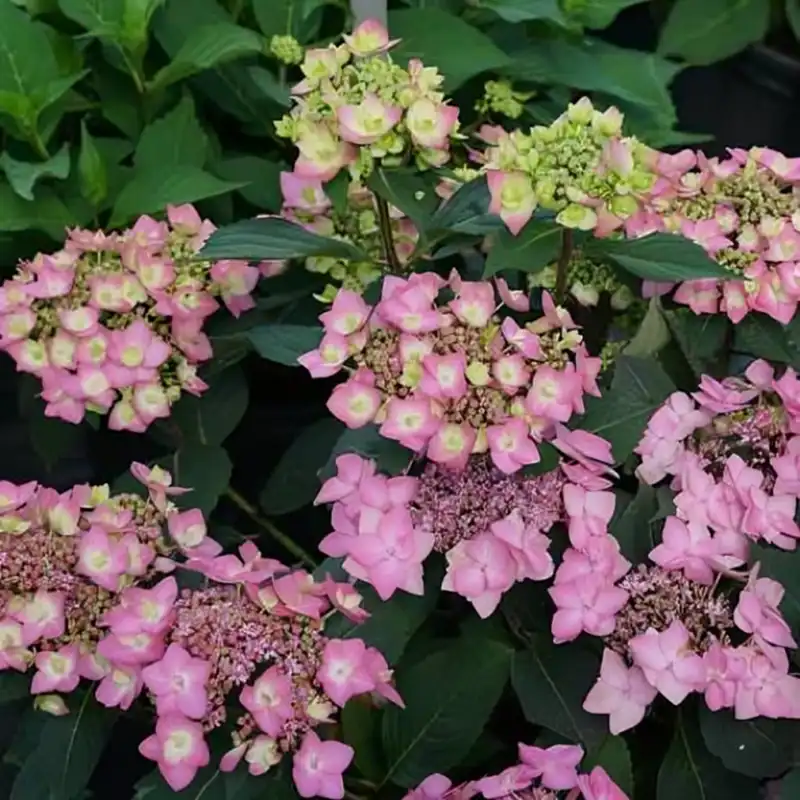
Lacecap hydrangea is a woody, deciduous, perennial shrub that is loved for its blooms, which have a long-lasting nature. The plant is easy to care for and low-maintenance, adding versatility to the landscape.
Hydrangea flowers look like flat caps with frilly edges when grown. This gives the shrub an unusual yet fitting moniker. Cultivated in Japan, Korea, and China, the plant blooms in various colours, shapes, and sizes.
Read the article to learn about lacecap hydrangea taxonomy, care tips, ideal growing conditions, and much more.
Table of Contents:
Essential Lacecap Hydrangea Care Tips
Lacecap hydrangea is a cultivar and therefore requires special care and attention at times. From planting to healthy blooms, here are some of the essential care tips that have helped people to keep their plant healthy and blooming:
- Choosing the right location is one of the most important steps that ensures your plant blooms vividly. Choose a location that gets partial sunlight and shade throughout the day. Too much or too little sunlight can cause harm to the plant, and you might lose the essence of fuller blooms.
- The ideal location is the spot that receives morning sunlight and afternoon shade.
- Hydrangea lace likes its soil to be moist. Therefore, ensure that the soil is evenly moist throughout. If unsure about watering the plant, check the soil with your fingers about 4 inches into the ground. If it feels dry, water the plant.
- Avoid overwatering the plant, as it can lead to root rot.
- Avoid long dry spells because the plant is not tolerant of drought. In case you are not around for a longer period, use the drip method to provide adequate water to the plant.
- Hydrangea macrophylla lacecap requires rich, well-draining, evenly moist soil with an acidic to alkaline pH level.
- For blue flowers, the most suitable soil is acidic in nature. It should be of 5.5 or lower pH levels.
- Pink flowers bloom in alkaline soil where the required pH is 7 or higher.
- Use organic mulch around the plant base. This helps retain moisture and suppress weeds.
- Tip: Avoid piling the mulch around the stems.
- Using fertilisers during the growing season and once in spring helps the plant produce fuller blooms. Use balanced fertilizer in early spring.
- You can also replace fertilizer with organic compost.
- Tip: avoid using fertilisers in late summer.
- Pruning hydrangeas is important because it helps with new growth. Prune your plant after it has bloomed.
- If you are growing a hydrangea in a container, make sure that it is large and has proper drainage holes.
- The ideal pot for planting lacecap hydrangeas is terra-cotta because it helps excess moisture evaporate.
Read more: French Tarragon: Taxonomy, Ideal Growing Conditions, Care Tips, Pests & Problems
How to Grow Lace Cap Hydrangea?
The ideal and most feasible way to plant lacecap hydrangea is by propagating the plant using softwood cuttings in early summer. This is because most hydrangea varieties are cultivars, and therefore seeds won’t produce a plant that is true to its type.
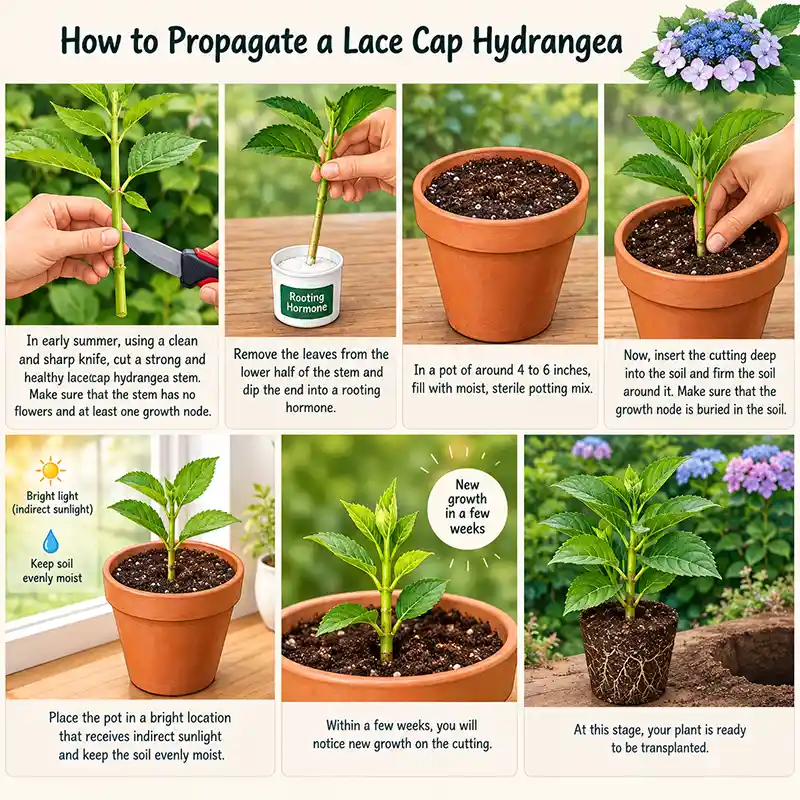
For non-trademarked varieties, use the softwood stem cutting method to propagate the Lace Cap Hydrangea plant. Below are the steps that I follow to cultivate my Lace Cap Hydrangea plant:
- In early summer, using a clean and sharp knife, cut a strong and healthy lacecap hydrangea stem. Make sure that the stem has no flowers and at least one growth node.
- Remove the leaves from the lower half of the stem and dip the end into a rooting hormone.
- In a pot of around 4 to 6 inches, fill with moist, sterile potting mix.
- Now, insert the cutting deep into the soil and firm the soil around it. Make sure that the growth node is buried in the soil.
- Place the pot in a bright location that receives indirect sunlight and keep the soil evenly moist.
- Within a few weeks, you will notice new growth on the cutting. At this stage, your plant is ready to be transplanted.
Did you know?
Certain varieties of lacecap hydrangea are prohibited for propagation because they are trademarked.
Read more: Heuchera: Taxonomy, Care Tips, Ideal Growing Conditions, Pests and Diseases & Much More
Lacecap Hydrangea Taxonomy and Ideal Growing Conditions
Lacecap hydrangea is a member of the Hydrangea family, which is commonly known as bigleaf hydrangea. The plant is cultivated for its ornamental flowers that bloom in hues of blue, pink, and white in most parts of the world. The plant requires partial shade with moist, well-draining soil of an acidic to alkaline pH level to thrive. This deciduous shrub is native to no region but is often associated with Japan, China, and Korea.
Bigleaf hydrangeas grow into a rounded, mounding form that creates a bushy appearance with deep green, ovate, and serrated leaves that grow up to 8 inches long. The plant adds an appealing appearance to your landscape and is often used for home decor and borders. Although the plant blooms in various hues, it is not considered to be an ideal choice for attracting pollinators.
Look at the table below to learn about lacecap hydrangea taxonomy and ideal growing conditions:
| Botanical Name | Hydrangea macrophylla |
| Common Name | Lacecap hydrangea, blue hydrangea |
| Kingdom | Plantae |
| Order | Cornales |
| Family | Hydrangeacea |
| Genus | Hydrangea L. |
| Native area | No native region. They are cultivars mainly in Japan, Korea, and China |
| Season of Interest | Summer, fall |
| Hardiness | 3 to 9 USDA Zones |
| Light Requirements | Partial sunlight |
| Maintenance | Low |
| Type | Showy, cut flower, shrub |
| Flower Colour | Blue, pink, and white |
| Soil | Well-drained soil with acidic, alkaline, and neutral pH levels |
| Water Requirements | Regular |
| Mature Size | 3 to 10 ft. tall and 3 to 8 ft. wide |
| Fertilizers | Low to heavy feeders |
| Toxicity | Toxic to pets and humans if consumed |
| Tolerant | Salt tolerant |
Read more: Peony Flower Guide: Taxonomy, Ideal Growing Conditions, Growing Process, Care Tips
Lacecap Hydrangea Varieties
Lacecap hydrangea is cultivated in various varieties. Below is a list of gardeners’ favourite Hydrangea macrophylla cultivars along with their images and descriptions:
| Variety and image | Description |
Hydrangea macrophylla ‘Altona’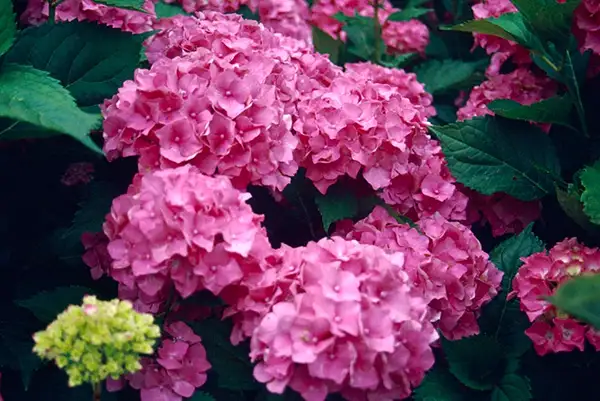 | ‘Altona’ is a prolific bloomer that blooms in French blue or rosy-pink throughout summer till fall. This compact variety requires partial to full sunlight to bloom effectively and efficiently. |
Hydrangea macrophylla ‘Amethyst’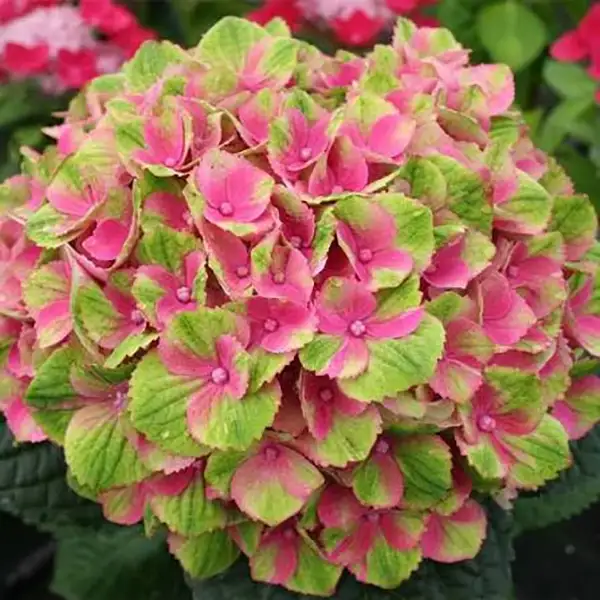 | ‘Amethyst’ blooms long-lasting flowers in hues of pink and violet-blue. The plant blooms from early to late summer in partial sunlight and creates a low hedge. They are also ideal for planting in a container. |
Hydrangea macrophylla ‘Ayesha’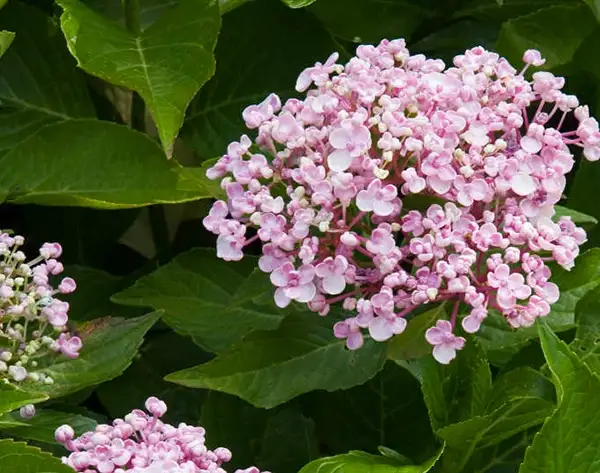 | ‘Ayesha’ is a unique variety known for its compact and abundant flower heads. The plant blooms in hues of purple, blue, and pale mauve-lilac, depending on the pH level of the soil. It blooms for around half a year from summer and has a delicate, light fragrance. |
Hydrangea macrophylla ‘Madame Émile Mouillère’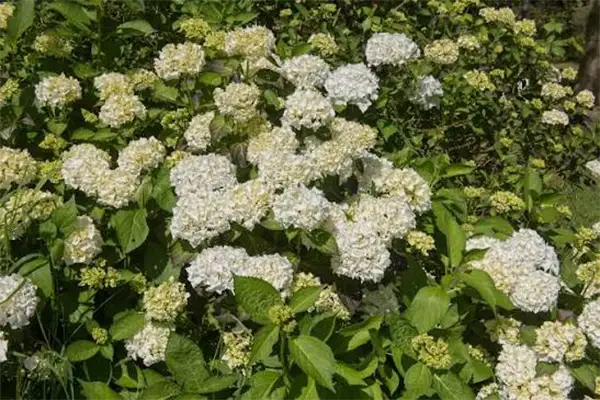 | It is one of the oldest cultivars in the family that was bred in France over 100 years ago. This heavy-flowering shrub blooms from summer till fall in white. |
Read more: Pink Paradise: 30 Beautiful Flowers to Embellish Every Garden
Pests and Problems Associated With Lacecap Hydrangea Plants
The only pest that lacecap hydrangea attracts is aphids. You can easily treat them by applying neem oil or insecticidal soap. They are also susceptible to fungal diseases like bacterial wilt, leaf spot, and powdery mildew. These can be prevented by providing proper space between the plants and by avoiding overhead watering.
You also must be aware of adequate watering for the plant. Excess watering can cause trouble like root rot, which ultimately leads to the plant’s death, and underwatering leads to drying of the roots.
Takeaways
Lacecap hydrangeas are woody, deciduous shrubs that bloom from summer till fall, depending on the plant’s variety, in hues of white, pink, and blue. The flowers of this plant are known for being long-lasting, and even after they dry, they seem to attract people. Therefore, the hydrangea is considered one of the best flowering plants for border and garden decoration.
With little care, like finding a proper location and keeping the soil constantly moist, you can get fuller and healthier blooms. Also, the plant can be easily propagated by the softwood cutting method, which makes it an inexpensive way of planting.
If you are planning to plant lacecap hydrangea, plant them in early spring and wait till summer for the blooms. Happy planting!
FAQs
What is the best time to plant hydrangea?
What is the most suitable soil to plant lacecap hydrangea?
Well-drained, moist soil with acidic to alkaline pH levels is most suitable for growing lacecap hydrangea.
How long do lacecap hydrangeas live?
Lacecap hydrangeas live for decades if well cared for and pruned.
Sources
Hydrangea: Britannica
Latest Blog