Pack items that you don’t regularly use, seasonally, in advance. Pack things that will be needed on the first night, such as medicines, papers, chargers, toiletries and necessities, in an efficiently accessible way.
How to Plan a Move Without Letting Your Home Life Fall Apart
Author
Isha Parmar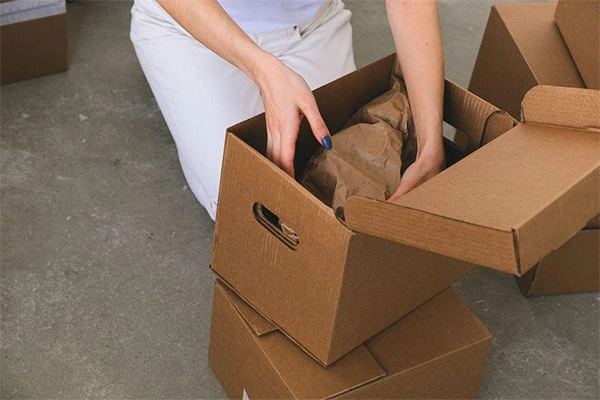
Things can get a bit overwhelming when there are boxes everywhere, but with good planning, it can be much easier.
It is easy to overlook planning time for eating, sleeping, working, the internet and putting things in place.
To make your activity run smoothly, try to time it well and get the right support.
Have a clear-out ahead, pack your packages with items you will require first, take care of your furniture and allow a budget for getting in and unexpected costs.
It does not have to be excellent. A well-planned move will ensure that your lifestyle at home isn’t disrupted too much, and will help to look after your controls, money and energy.
Table of Contents:
- Know What Kind of Help You Actually Need
- Start With a Move Timeline That Matches Real Life
- Declutter Before You Pack or You’ll Pay to Move Trash
- Pack for Unpacking, Not Just for Transport
- Budget for the Hidden Costs That Catch People Off Guard
- Protect Your Furniture With Better Prep and Better Information
- Set Up the New Home in the Right Order
- Keep the Move From Draining You Mentally
- Frequently Asked Questions
Know What Kind of Help You Actually Need
Not every move requires the identical level of assistance. Some people only require conveyance. Others need packing, transient storage, furniture disassembly, and specialty handling for delicate or giant items.
If your move contains timing gaps between properties, a moving and storage company may serve better than trying to coordinate different providers.
That matters more than individuals think. Moves often fail at the handoff, when your items leave one team and get transferred to another depository, truck, or schedule. Rarer logistical openings usually mean fewer shocks.
You should also think about access requirements. Narrow staircases, no loading zone, long carry distances, and apartment move-in rules affect labor time.
The best approval structure depends less on the size of your house and more on how difficult the move path is from door to truck to new area.
Start With a Move Timeline That Matches Real Life
A good move starts earlier than most people expect. Four to eight weeks is a reasonable window for a local residential move. This is especially true if you balance school, work, pets, or family schedules.
Waiting too long creates judgment fatigue, and that usually leads to stress, duplicate investments, and skipped paperwork.
Break your move into phases: decluttering, inventory, utility differences, packing, transportation, and post-move setup.
Place deadlines separately. Your lease dates, elevator reservations, parking tickets, and delivery windows all influence one another.
If you’re moving into a building with access restrictions, one small delay can push your whole schedule back.
Treat the timeline like project control, not an everyday to-do list. You don’t require a spreadsheet obsession, but you do require order.
Declutter Before You Pack or You’ll Pay to Move Trash
Packing first and sorting later seems efficient for about one day. Then you catch that you’ve covered damaged lamps, used cords, wasted pantry objects, and clothes you quit wearing two years ago.
Every excessive item adds volume, work, and frustration.
Use a simple filter: keep, donate, sell, recycle, toss. Move room by room so you can make fast judgments without pulling everything into one big funnel.
Large identical kitchenware, old textbooks, sabotaged side flats, and new decor are standard space-wasters.
Large activities often get priced partly around load size, so lowering cubic footage is an option.
This step also helps with passionate clarity. You’re not only switching addresses. You’re editing your living conditions.
A cleaner checklist provides you with more control over your design in the next home and supports unpacking by shifting into a second exhausting project.
Pack for Unpacking, Not Just for Transport
A lot of packing advice concentrates on security, which matters. But the real discomfort grows up when you come and can’t locate your charger, shower curtain, medicine, or coffee maker.
Smart contents mean developing your packages for recovery.
Tag rooms and functions. “Bedroom” is imprecise. “Bedroom daily clothes” is helpful. “Kitchen dishes” beats “misc.” Keep one conditions box or carry-on with toiletries, necessary documents, a change of attire, basic tools, device chargers, and anything you require in the first 24 hours.
Use smaller boxes for books and dense objects, larger ones for linens and lighter items.
Don’t leave empty air inside boxes. It increases the risk of redirection and crushing.
For electronics, take pictures of cable setups before disconnecting them. You’ll save yourself a strange amount of time later.
Budget for the Hidden Costs That Catch People Off Guard
Most people prepare for rent, deposits, and the truck.
Then the smaller costs begin stacking up: packing materials, takeout meals during the shift, cleaning supplies. And also utility activation costs, furniture assembly tools, child or pet care during move day, and replacement items you unexpectedly require.
Add a contingency buffer before you move, not after. Even a well-intentioned relocation can head into overtime charges, climate delays, or access problems that increase labor time. If you’re moving in or out of a city building, check whether management requires certificates of insurance, elevator deposits, or service-hour limits.
Budgeting also includes your time. Taking off work, borrowing support from friends, or making multiple trips has a cost, even if it doesn’t appear as a line item.
An inexpensive move can become costly once those tradeoffs are visible.
Protect Your Furniture With Better Prep and Better Information
Damage often comes from preventable details.
Drawers left full, table legs left stuck, loose hardware tossed into unexpected bags, and unlabeled delicate boxes create avoidable risk. Good prep reduces handling errors and rushes loading.
Use moving blankets, stretch wrap, mattress covers, and padded guard where required.
Bag and label screws, frames, and remote controls, then tape those packs to the appropriate item or preserve them in one clearly labeled box.
If you have heirlooms, artwork, mirrors, or musical instruments, identify them early and ask about specialty handling.
Take timestamped photos of useful pieces before the activity. That gives you a contact point if anything requires repair or if essential questions arise later.
Protection is somewhat about materials, but it’s also about transmission specialization.
Set Up the New Home in the Right Order
The first few hours in a unique location shape your whole first week.
Don’t start by opening random packs. Start with function. Confirm utilities work, check locks and smoke sensors, and walk through the home before things block your view.
If there’s any issue with flooring, walls, instruments, or fixtures, document it instantly.
Next, build the rooms you need to live in right away: restroom, bed, kitchen basics, and internet setup. Everything else can wait.
You do not need your framed tracks on day one. You probably do require a lamp, toilet paper, and somewhere to rest.
This sequence matters because disorder extends fast after moving. Once boxes spread across every room, simple tasks become tougher than they should be.
Early structure makes the place feel comfortable before it feels ruined.
Keep the Move From Draining You Mentally
Moving stress isn’t only physical. It shuffles your habits, attention span, eating patterns, and sleep. Even when the move is positive, your brain reads it as disruption.
That’s part of why people become unusually irritable or uncertain during relocation.
Reduce conflict where you can. Pack snacks and water for action day.
Wear clothes that can handle dust, lifting, and temperature changes. Keep your phone accessible and your key connections easy to locate.
If family members are involved, assign roles ahead of time instead of providing live instructions while everyone is already exhausted.
Frequently Asked Questions
How far in advance should I start packing?
How can I avoid surprise moving costs?
Confirm a quotation in writing. Confirm you know the prices of moving items up and down stairs or lift, parking, packing, storage and long distances. If you are driving interstate, confirm whether this is a binding or non-binding selection.
What should stay with me instead of going on the moving truck?
Leave valuable items at home. These include ID, money, medicines, valuables, keys, electrical appliances and one-of-a-kind items. Pack a grab bag with basic sleeping, eating, hygiene and communication items for your first night.
Latest Blog