Deciding to repair or replace your roof without waiting for a major failure decreases the risk of hidden interior costs and provides better scope planning.
When a New Roof Stops Being Optional: How to Read the Warning Signs Before Damage Spreads
Author
Terri Sander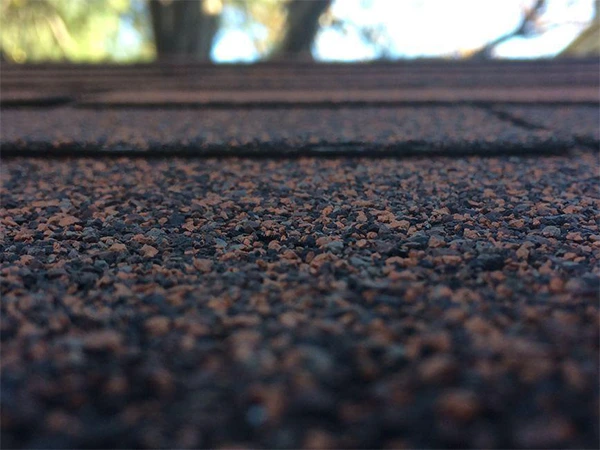
Homeowners often find that their roof usually fades into the background until something goes wrong. By the time they notice a stain on the ceiling or shingles in the yard, the issue has been building for months already.
In places with freeze-thaw cycles, heavy rain, and wind-driven storms, roofing systems take a beating that adds up fast. You need more than a checklist of obvious leaks; you have to know how small problems can turn into expensive structural issues, considering what to know before replacing your roof.
Table of Contents:
- Your Roof Rarely Fails All At Once
- The Age Of The Roof Changes Every Decision You Make
- Leaks Are Only One Part Of The Damage Picture
- Storm Damage Is Easy To Miss From The Ground
- Attic Conditions Tell You More Than Curb Appeal Does
- Repair Makes Sense Sometimes, But Not Always
- Material Choice Should Match Climate, Budget, And House Design
- Timing: The Project Can Save Stress And Prevent Interior Damage
- Frequently Asked Questions
Your Roof Rarely Fails All At Once
Most roofing issues start quietly. A few granules wash out of asphalt shingles. Flashing around a vent loosens. Nail pops push sections upward just enough for water intrusion during a storm. None of those signs look dramatic from the ground, yet they make pathways for moisture migration into the underlayment and roof deck.
That steady progression matters because roofing assemblies work as systems, not as isolated parts. Shingles shed water, flashing seals joints, ventilation manages heat and moisture, and the decking supports everything. When one element slips, the rest carry extra stress. You might think you only require a minor patch, but the real issue could be trapped moisture, soft decking, or poor attic airflow accelerating wear from underneath.
The Age Of The Roof Changes Every Decision You Make
A roof that is 5 years old gets treated differently from one that is 22 years old. Asphalt shingles, still the most common residential roofing material in the U.S., often have service-life ranges that depend on installation quality, ventilation, storm exposure, and maintenance, not just the manufacturer’s assurance. A “30-year shingle” is not a promise that your roof will perform perfectly for 30 years.
Once a roof gets into its late-life stage, repairs become less reliable. You may replace one damaged section only to find adjacent shingles brittle, curled, or impossible to lift without cracking. If you are comparing repair costs against roof replacement, age should be one of the initial filters.
Leaks Are Only One Part Of The Damage Picture
Homeowners often wait for an active leak before taking roofing seriously. That delay can get expensive. Moisture can enter the roofing assembly and stay hidden in insulation, decking, or wall cavities long before it arrives inside your living space. By the time you see discoloration on drywall, mold growth, wood rot, or compromised insulation may already be in play.
A roof can also fail without a water drip. Look for rising energy bills, uneven indoor temperatures, musty attic smells, peeling exterior paint near the roofline, or ice buildup at the eaves in winter. Those clues often point to ventilation imbalance, air leakage, or moisture retention. A roofing problem is not always just about weatherproofing. It can affect thermal performance, indoor air quality, and the durability of nearby building materials.
Storm Damage Is Easy To Miss From The Ground
After a major storm, you might check the roof from the driveway and assume everything looks fine. That glance misses a lot. Hail can bruise shingles without tearing them outright. Wind can break the seal strip beneath shingles, making them more likely to lift during the next issue. Metal flashing can bend just enough to weaken water-shedding performance around chimneys, skylights, and valleys.
Tree limbs add another layer of risk. Even light branch contact can scrape away granules and shorten the life of the shingle surface. In neighborhoods with mature trees, debris tends to collect in roof valleys and gutters, slowing drainage and keeping moisture where it does the maximum damage. A post-storm inspection is less about panic and more about documenting conditions before minor impact points turn into major envelope problems.
Attic Conditions Tell You More Than Curb Appeal Does
A roof can look good from the street and still be aging badly from below. Your attic often reveals what exterior photos cannot. Check for damp insulation, dark stains on the underside of decking, rusted fasteners, or daylight coming through places that should be sealed. Those signs suggest constant moisture entry or ventilation problems that are putting the whole roofing system under strain.
Heat buildup also matters. In summer, a badly ventilated attic can bake shingles from below, accelerating granule loss and thermal aging. In winter, warm air escaping from the house can melt snow unevenly, feeding ice dams along colder roof edges. Better roofing decisions depend on understanding this building-science side of the problem. You are not just purchasing shingles or patching holes. You are managing moisture, airflow, insulation interaction, and long-term structural resilience.
Repair Makes Sense Sometimes, But Not Always
A targeted repair can be the smart move when failure is isolated, and the surrounding materials are still in solid condition. One missing shingle after a wind event, localized flashing failure around a vent boot, or a small section damaged by a branch may not justify full replacement. In those situations, timing matters. Fast intervention reduces the chance of secondary damage inside the assembly.
Still, repeat repairs can become a money trap. If the same roof keeps introducing new leak points, if patch colors and shingle profiles no longer match, or if multiple sections show granule loss and curling, you may be spending on symptom control instead of solving the underlying issue. A good evaluation weighs deck condition, ventilation, flashing integrity, and the remaining service life of the field shingles, not just the visible issue.
Material Choice Should Match Climate, Budget, And House Design
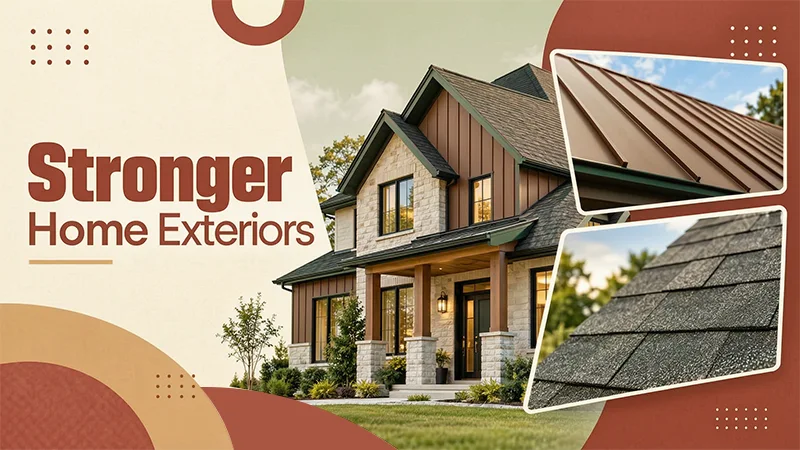
If replacement is on the table, material selection deserves a more conscious decision than many homeowners give it to achieve a roof that lasts. Architectural asphalt shingles remain popular because they balance cost, appearance, and installation familiarity. Metal roofing provides strong longevity and excellent snow shedding, though detailing and upfront pricing differ significantly. Low-slope sections may require membrane systems instead of standard shingles.
Your roof geometry matters too. Valleys, dormers, chimneys, and penetrations make more vulnerable transition points, which means flashing quality becomes just as important as the field material. Color also affects heat absorption, though insulation and ventilation have major roles in overall performance. The best choice is rarely the fanciest product on paper. It is the assembly that fits your climate exposure, structural layout, maintenance expectations, and actual budget over time.
Timing: The Project Can Save Stress And Prevent Interior Damage
Most homeowners wait until an emergency forces action. That usually narrows your options. Contractors get booked heavily after regional storm events, material lead times can shift, and rushed decisions often lead to weak scope planning. If your roof is aging but not yet leaking badly, a proactive replacement schedule offers more control over pricing, contractor availability, and project timing.
It also decreases the risk of hidden interior costs. Water damage rarely stays confined to the roofline. It can affect insulation, drywall, trim, and even electrical components if moisture tracks far enough. The smartest roof decision often occurs before visible failure, when you still have room to compare estimates, review workmanship details, and understand the full roofing assembly rather than reacting to a crisis. That approach protects both your house and your savings.
Frequently Asked Questions
What are the benefits of making a decision without waiting for any major failure?
What are the benefits of metal roofing?
Metal roofing provides strong longevity and excellent snow shedding, but its prices are slightly higher than classic asphalt shingles.
How to choose between repair and replacement?
When the failure is isolated and the whole roof is excellent, then repair is the best option, but when the issues are showing up frequently, then a roof replacement should be considered.
Latest Blog