What to Know Before You Start a Bathroom Remodel
Author
Rashika Gupta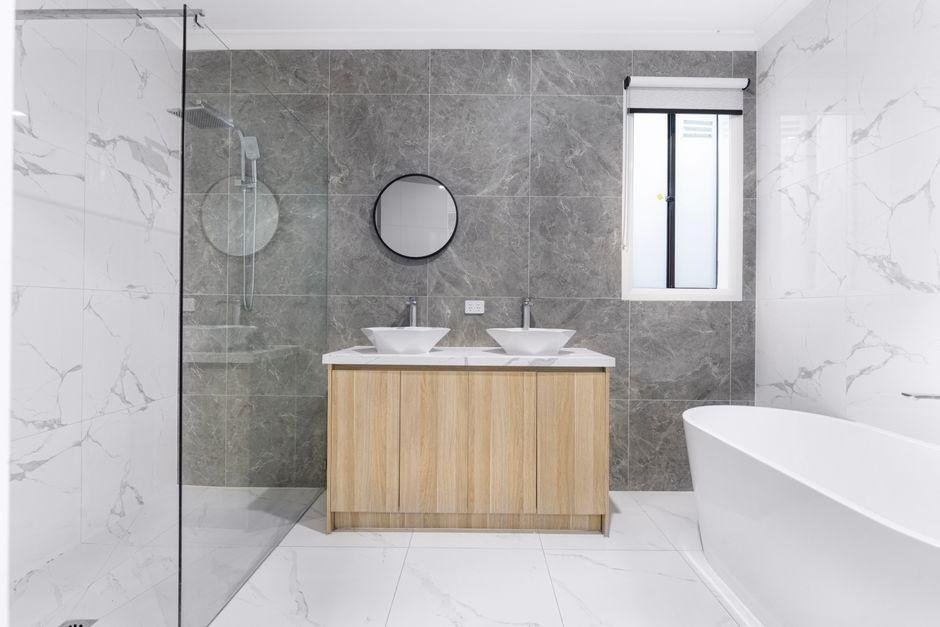
A bathroom remodel looks simple from the hallway. New tile, better lighting, maybe a bigger shower, and you’re done. Then reality walks in wearing work boots. Plumbing lines, waterproofing, permits, ventilation, and budget creep all start competing for your attention. If you want a bathroom that works well and lasts, you need more than good taste. You need a plan that covers function, cost, timing, and the people doing the work.
- Start With the Problems You Actually Need to Solve
- Hiring the Right Contractor Takes More Than a Quick Search
- Set a Budget That Includes the Unfun Stuff
- Know When Layout Changes Are Worth the Cost
- Materials Matter More in Bathrooms Than You Think
- Timing, Noise, and Daily Life Need a Plan Too
- Design for the Next Ten Years, Not Just the Reveal Photo
Start With the Problems You Actually Need to Solve
Before you pick fixtures or scroll through glossy inspiration photos, pause and list what bothers you now. Maybe the room feels cramped, the shower leaks onto the floor, or the vanity turns into a storage disaster every morning. A remodel works best when it solves daily annoyances instead of chasing trends that age faster than a social media challenge.
Write down your top priorities in order.
– Better storage
– Easier cleaning
– More light
– Improved ventilation
– Safer flooring
– A larger shower or tub
That list helps you avoid spending half your budget on finishes while ignoring the fan that sounds like a lawn mower. It also gives contractors a clearer picture of what success looks like for you. A bathroom should earn its square footage, not just photograph well.
Hiring the Right Contractor Takes More Than a Quick Search
Choosing a contractor shouldn’t feel like speed dating with estimates. Credentials, communication, scheduling, subcontractor management, and bathroom-specific experience all matter. Bathrooms are compact, but the work is highly coordinated. One mistake in waterproofing or venting can cause expensive damage behind perfectly pretty tile.
Look up bathroom remodelers near me to find local professionals, then compare their experience, services, warranties, and previous work before making a decision. Ask practical questions:
– Are they licensed and insured?
– Who handles plumbing and electrical work?
– Will permits be needed?
– How do they manage change orders?
– What is the expected timeline?
– What waterproofing system do they use?
Also ask for a written scope of work. Clear paperwork protects both sides. If someone gives vague answers about schedules, payment structure, or material allowances, take that as useful information. A good remodel depends on craftsmanship, but it also depends on process. Chaos is not a design style.
Set a Budget That Includes the Unfun Stuff
Bathroom budgets often get wrecked by the parts you never show off to guests. Waterproofing membranes, subfloor repairs, plumbing updates, electrical work, and permit fees aren’t glamorous, yet they matter more than a fancy faucet in a room built around moisture.
A useful budget usually includes three buckets:
– Must-have construction costs
– Finish materials like tile, paint, mirrors, and fixtures
– A contingency fund for hidden issues
That last category matters a lot in older homes. Once demolition starts, contractors may find water damage, mold, old galvanized pipes, or framing problems. Keep roughly 10 to 20 percent available for surprises. It’s not pessimism. It’s project survival.
If you’re comparing bids, make sure each quote covers the same scope. One estimate may include demolition and disposal while another leaves them out. Cheap numbers can become expensive plot twists.
Know When Layout Changes Are Worth the Cost
Moving plumbing is possible, but it can raise labor costs fast. Shifting a toilet, relocating a shower drain, or moving supply lines may involve opening floors and walls in ways that stretch both timeline and budget. Sometimes the smartest remodel keeps the basic layout and improves the experience through better design choices.
For example, you can make a bathroom feel larger by:
– Replacing a bulky vanity with a floating one
– Using a glass shower enclosure instead of a curtain or framed door
– Adding recessed storage niches
– Improving lighting around the mirror
– Choosing large-format tile to reduce visual clutter
A full layout change makes sense when the existing room truly fails your needs. If two people can’t use it comfortably or the shower is too small to function well, a bigger rework may be justified. Just go in knowing every moved pipe has a price tag attached.
Materials Matter More in Bathrooms Than You Think
A bathroom is a humidity lab with towels. Materials that work fine in a bedroom can fail badly here. Paint peels, cheap laminate swells, and poorly chosen grout becomes a maintenance headache before the first year is over.
Prioritize surfaces that can handle water, steam, and frequent cleaning. Porcelain tile remains popular for good reason. It’s durable, widely available, and easier to maintain than many natural stones. Quartz vanities also appeal to homeowners who want a polished look without high-maintenance sealing routines.
Pay attention to slip resistance on flooring, especially if kids, older adults, or anyone with mobility concerns uses the space. Matte finishes often offer better traction than glossy ones. Ventilation matters too. Even excellent materials wear down faster when a room traps moisture after every shower. A solid exhaust fan quietly does heroic work.
Timing, Noise, and Daily Life Need a Plan Too
Even a small bathroom remodel can disrupt your routine more than expected. There may be days without a working shower, stretches of dust and noise, and delays tied to inspections or back-ordered materials. If it’s your only bathroom, planning gets even more serious.
Think through logistics before demolition begins:
– Where will you shower if the room is out of service?
– Are materials ordered and on site?
– What work hours are allowed?
– How will children or pets be kept away from the area?
– Is there a backup plan if a fixture arrives damaged?
Timeline estimates are often given in ideal conditions. Real homes are less cooperative. A hidden leak or an out-of-stock vanity can shift everything. Stay flexible, but ask for milestone dates so you understand how the project is progressing. Good communication lowers stress even when the schedule changes.
Design for the Next Ten Years, Not Just the Reveal Photo
The best bathroom remodel balances style with long-term usability. Trendy details can be fun, but the smartest choices often come from thinking ahead. Will the storage still work if your routine changes? Will the lighting help with shaving, skincare, or makeup instead of just looking dramatic in a mirror selfie?
Focus on durable design moves:
– Layered lighting with ambient and task fixtures
– Drawers instead of deep cabinet caves
– Easy-to-clean shower glass and tile
– Comfort-height fixtures if accessibility matters
– Neutral permanent finishes with personality added through accessories
If resale is on your mind, avoid hyper-specific choices that could limit appeal. You don’t need a bland bathroom, just one that feels thoughtful instead of overly customized. A successful remodel should make your everyday routine smoother now while still holding value later. That’s the kind of upgrade you’ll appreciate long after the dust settles.
A bathroom remodel asks you to think like a designer, a project manager, and occasionally a detective. Behind every attractive finish is a stack of decisions about moisture control, layout, durability, budget, and labor. If you start with clear priorities, realistic costs, and the right professionals, you’ll make smarter choices at every stage.
The goal isn’t perfection. It’s a bathroom that works better for your life, holds up under real use, and doesn’t leave you regretting a rushed decision every morning. Good remodeling is part vision, part discipline, and part knowing where not to cut corners.