Yes, coneflowers are perennial flowering plants that come back year after year after dying back in winter.
Coneflower: How to Grow This Perennial Wildflower?
Author
Annette HirdLast Update
February 3, 2026
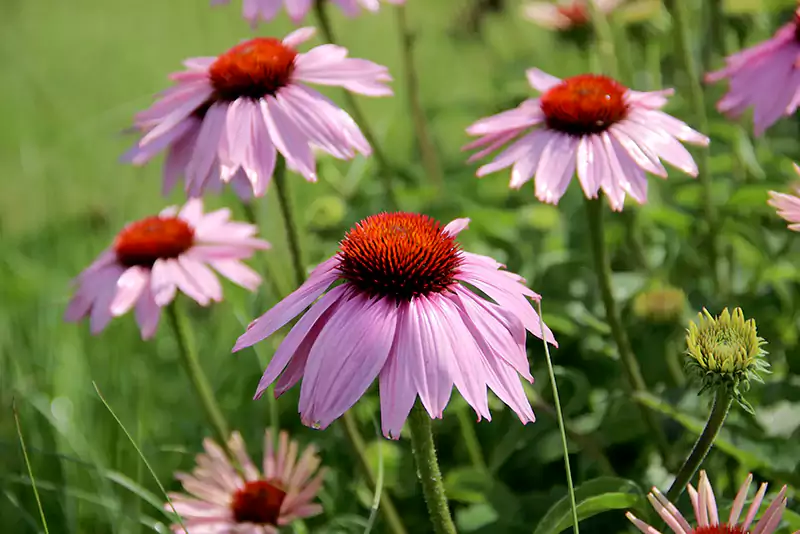
I did not know that black-eyed Susan grows in so many colours. This was my first comment, the moment I encountered a coneflower, and to my surprise, these quite ‘cone-like’ flowers are nothing close to black-eyed susan.
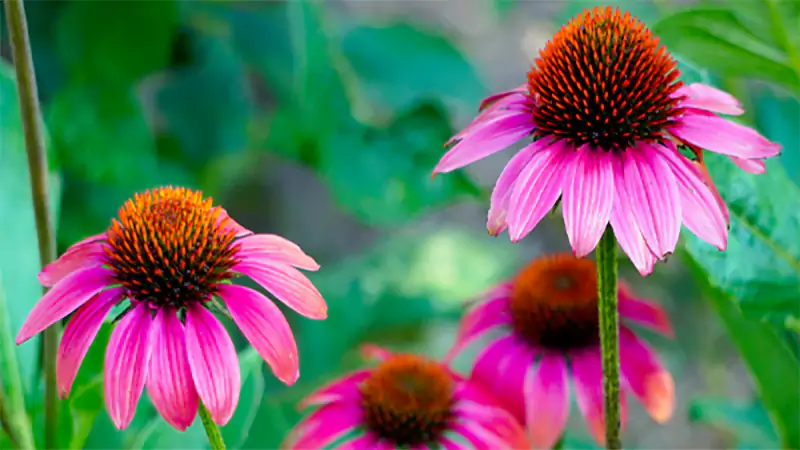
Belonging to the same plant family, the coneflowers grow in various colours and have petals facing a little downwards, giving a cone-like appearance.
Ever since I have grown these flowers, my garden has been a visual treat with the added garden benefits that cannot be missed. If you are also starting a garden from scratch and wondering what flowers to grow, explore this perennial plant and add colour to your garden:
Table of Contents:
- What is a Coneflower: Get to know this Perennial Pollinator Magnet
- What are the Different Types of Coneflowers?
- How Can I Grow the Coneflower at Home?
- How to Care for the Cone flower Plant?
- Common Issues While Growing Cone Flower With Solutions
- Lab Research and Findings About the Coneflowers
- Fun Facts About the Coneflower Plant
- Concluding Remarks
- FAQs
What is a Coneflower: Get to know this Perennial Pollinator Magnet
Along with the Coreopsis flower, the coneflower also belongs to the Asteraceae plant family. Native to the regions of North America, this plant is hardy to zones 3-9, which means it is extremely cold-tolerant.
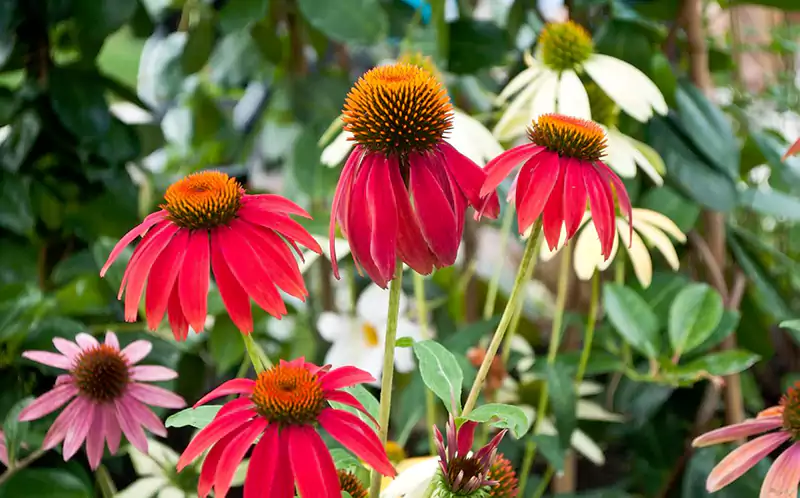
This fall flower produces blooms during the late summer and early fall in different colours right from white to red, yellow, orange, and pink. Whether grown for garden beds or used as an ornamental bloom in home decor and bouquets, it is a versatile and low-maintenance flower.
But before diving into the detailed growth and care guide, take a look at the scientific classification of the coneflower plant:
 | |
| Botanical name | Echinacea purpurea |
| Kingdom | Plantae |
| Division | Magnoliophyta |
| Class | Magnoliopsida |
| Order | Asterales |
| Family | Asteraceae |
| Genus | Echinacea Moench |
| Species | Echinacea purpurea (L.) Moench |
What are the Different Types of Coneflowers?
Coneflowers have enough variety to fit all your preferences. Some are cultivars of the native species, and some are hybrids that are made by cross-breeding two coneflower species.
Different colours, petals, and distinctive features—take a look at the coneflower varieties:
| Name | Image | Description |
| Echinacea ‘Daydream’ | 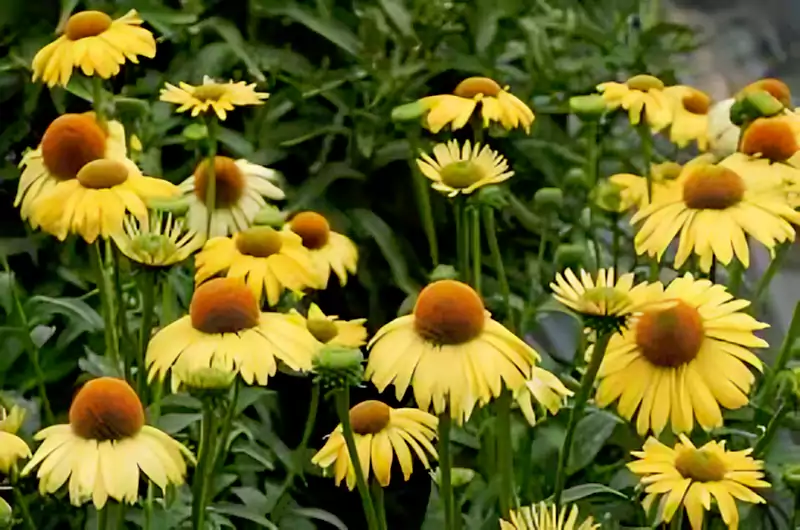 | Common name: Daydream coneflower USDA zone: 4-9 Height: 12- 24 inches Colour: Yellow Bloom time: Late spring to late summer (earlier than most varieties) |
| Echinacea x purpurea ‘Balscanery‘ | 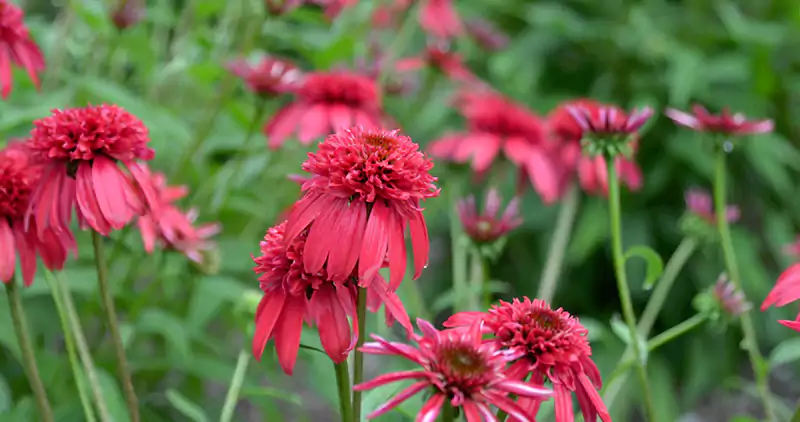 | Common name: Double Scoop Cranberry coneflower USDA zone: 4-7 Height: 23- 25 inches Colour: Cranberry red Bloom time: Early summer to fall |
| Echinacea ‘Firebird’ | 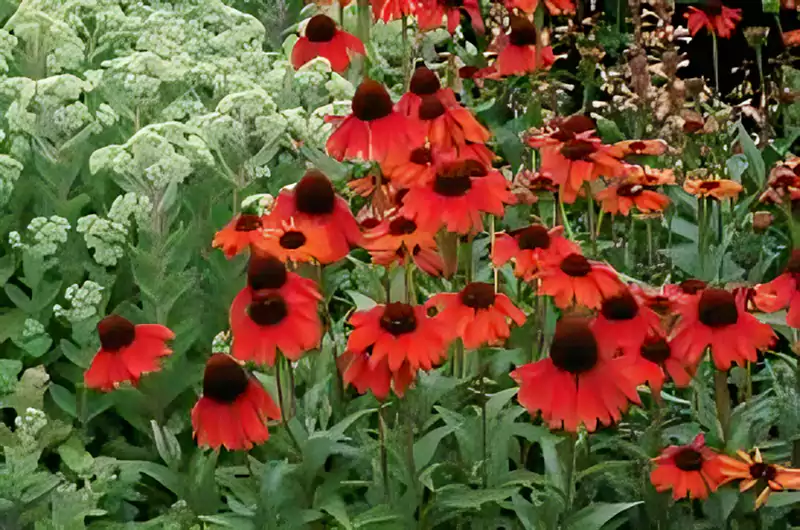 | Common name: Firebird coneflower USDA zone: 4-9 Height: 24- 36 inches Colour: Reddish orange Bloom time: Midsummer to early autumn |
| Echinacea ‘Flame Thrower’ | 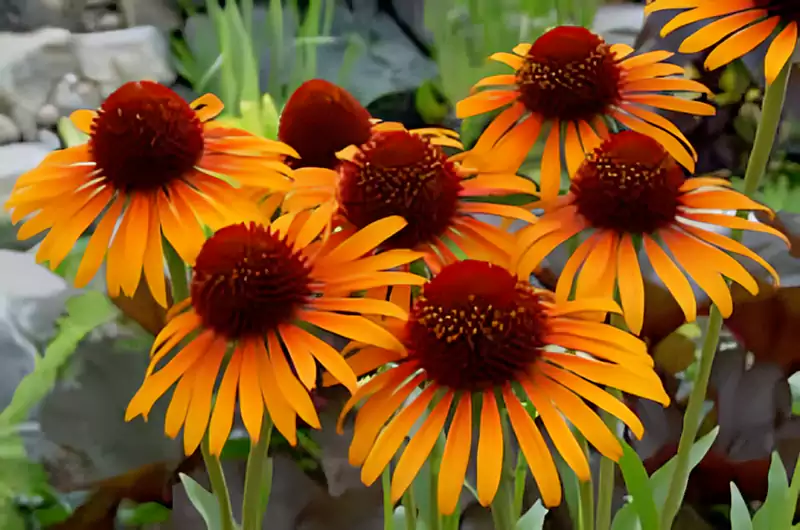 | Common name: Flame Thrower coneflower USDA zone: 3-8 Height: 30 – 36 inches Colour: Orangish yellow Bloom time: Midsummer to early fall |
| Echinacea purpurea ‘Greenline’ | 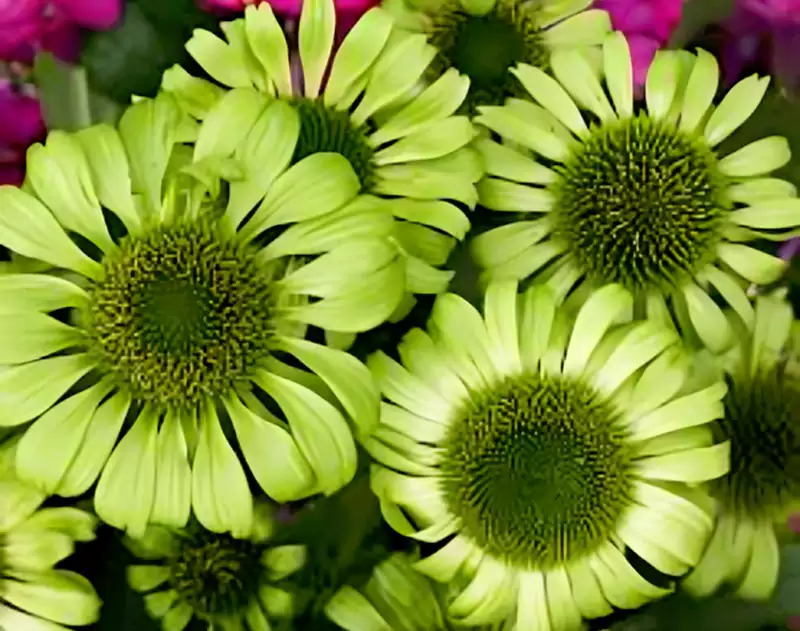 | Common name: Greenline coneflower USDA zone: 3- 8 Height: 18-24 inches Colour: Pale lime Bloom time: Late spring to late summer |
| Echinacea ‘Hot Papaya’ | 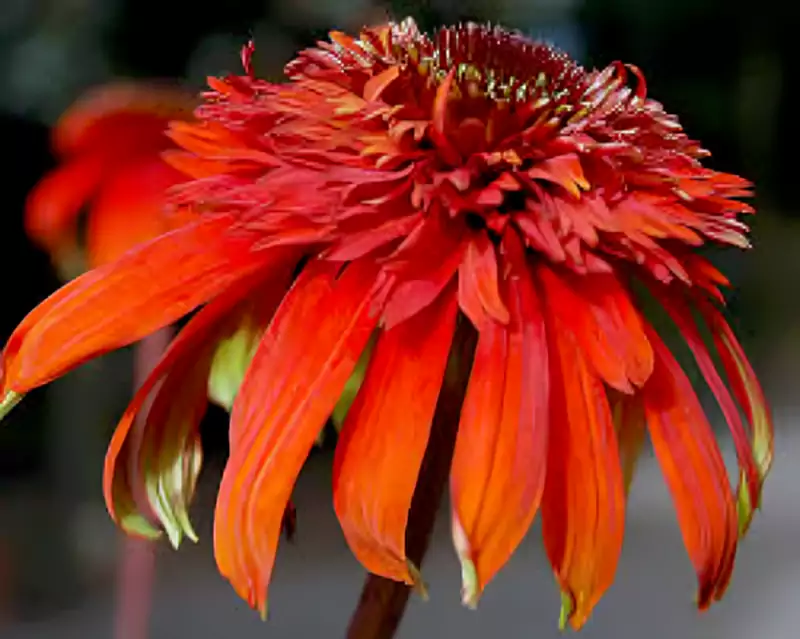 | Common name: Hot Papaya coneflower USDA zone: 4-9 Height: 30 – 36 inches Colour: Orange-red Bloom time: Midsummer to fall |
Also read: What are the Different Types of Lettuce? Uses, Cultivation, and More
How Can I Grow the Coneflower at Home?
Cone flowers are drought-tolerant perennial wildflowers that can be grown easily at home and require minimal care. They come back every year for you to keep relishing the beauty of these blooms:
Before planting, make sure the following requirements are met.
| Soil Type and pH | Sandy loam, well-drained soil. pH – 6.0 – 7.0 |
| Sunlight | 6 hours of direct sunlight, or a little shade if grown in warmer regions. |
| Hardiness Zone | USDA zones 3 – 9 |
| Water | 1 inch of water per week (drought-tolerant ) |
| Fertiliser | Balanced slow-release fertilizer ( 6-4-5) NPK (only if required) |
I grow the coneflowers using transplanted plants, either bought online or from the nearest plant nursery. The best time to plant cone flowers is during early spring.
- Choose a spot with well-draining soil and clean the debris.
- Now dig a hole twice the size of the transplant and add compost to the hole to enhance the soil fertility.
- Place the root carefully in the root, making sure the crown of the plant is not too deep, as that can suffocate the root.
- Make sure the plants are placed 12 inches apart from each other to give them space to grow individually and prevent overcrowding.
- Add a layer of mulch for moisture retention and to suppress weeds, but not too close to the stem.
- Water 1 inch per week in the growing stage. The coneflower plant is drought-tolerant and does not need frequent watering after being established.
- Although this perennial wildflower does not need fertiliser, excessive plant food can make the plant leggy, but in case of dire need, I would suggest a slow-release balanced fertiliser( 6-4-5) NPK ratio.
How to Care for the Cone Flower Plant?
Care for the cone flower plant is low-effort and rewarding. I never had to worry about going out of my way to maintain my coneflowers.
However, if you are new to the process, let me share my top 4 care tips for a healthy coneflower plant:
| Method and Image | Description |
Deadheading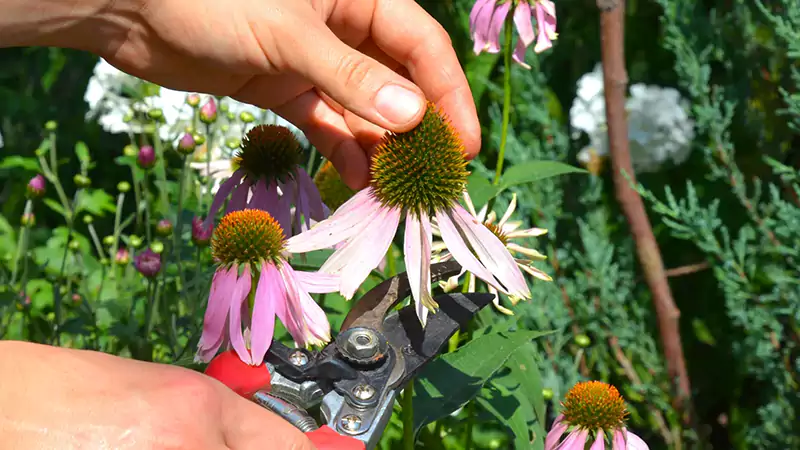 |
|
Compost and Fertilisers 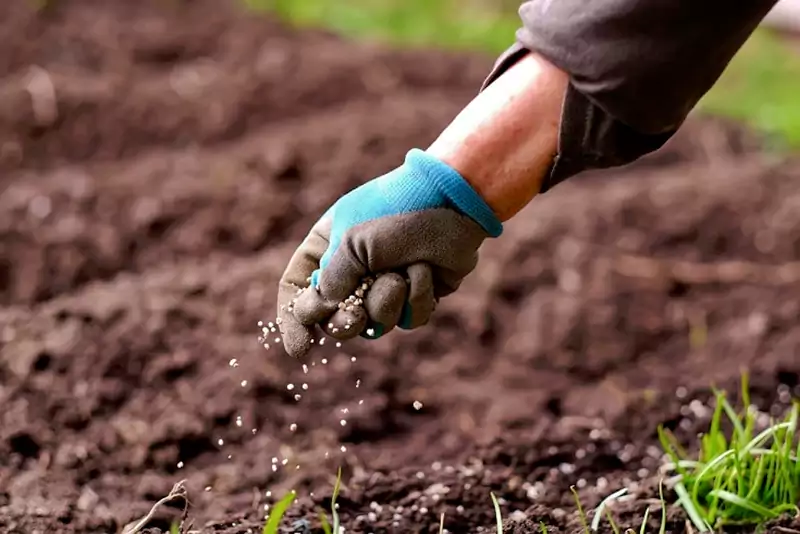 |
|
Propagation 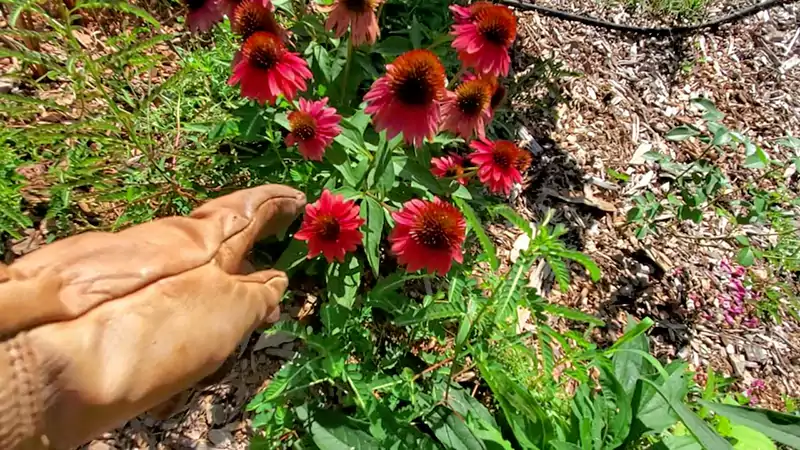 |
|
Pests and Diseases 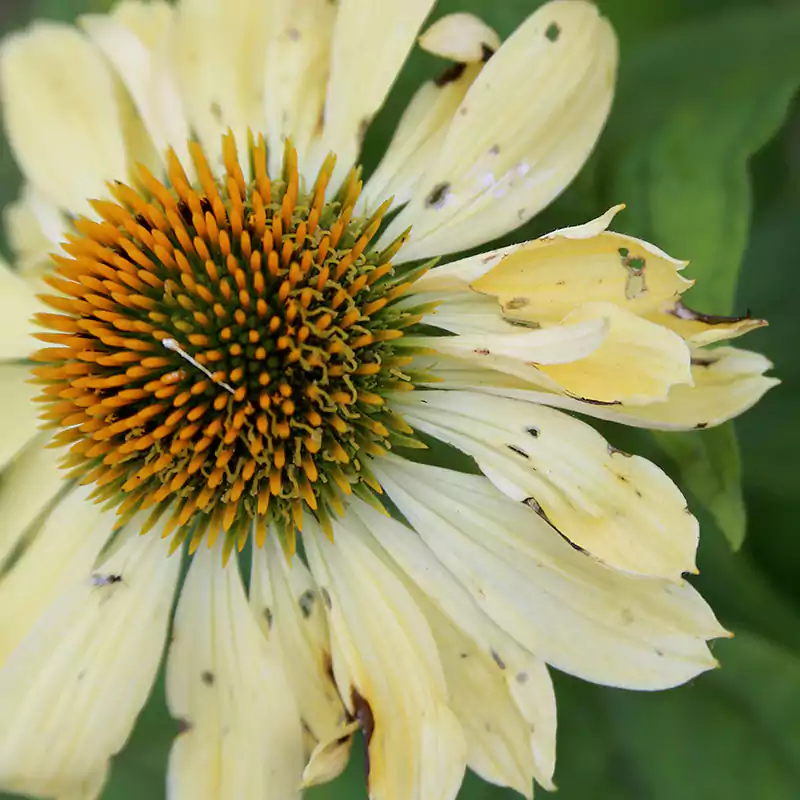 |
|
Read next: Bonsai Tree Care: Growing Tips, Ideal Conditions, and Popular Types
Common Issues While Growing Cone Flower With Solutions
Do coneflowers need full sun? Is echinacea a perennial? More such questions trouble gardeners initially and leave them confused, leaving the plant fighting for nutrition.
Hence, I have curated some common queries I came across while scrolling through Reddit that helped me care for the coneflowers in a better way.
- Should I be doing anything to these coneflowers?
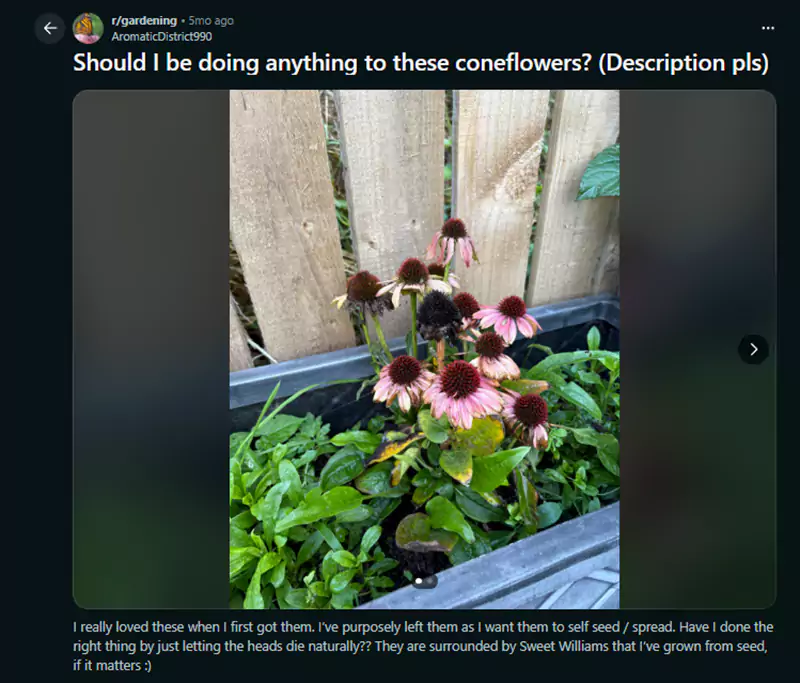
- As per the description of the Reddit user, letting the blooms as they are is right if the purpose was to let them self-seed and spread.
- Pruning or not is a matter of preference and totally depends on your gardening goals.
- What’s the deal with my coneflowers?
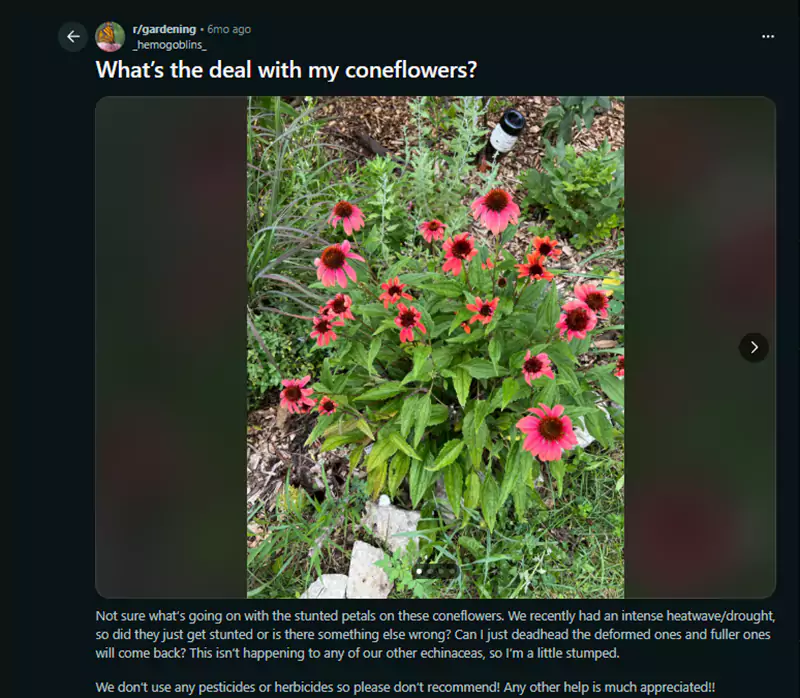
- The stunted petals in the image are likely caused by pest infestations like Aster Yellow disease or coneflower rosette mites.
- Coneflower rosette mites can be treated by simply pruning the plant, but the Aster yellow disease does not have a solution, and the entire plant needs to be removed.
- The exact cause is not visible; hence, it is important to consult a professional gardening expert or service for further analysis.
- What’s up with my purple coneflower?
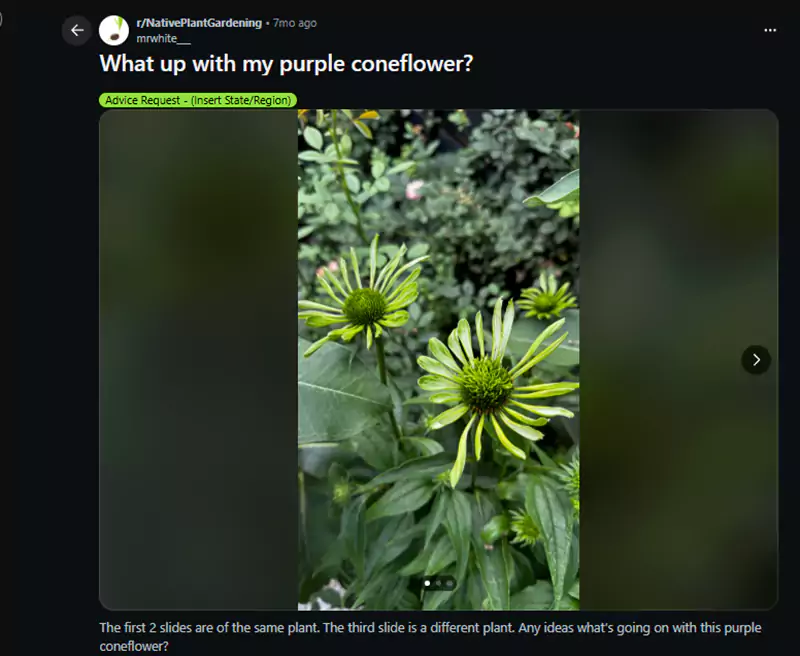
- Unlike the previous query, this plant shows a clear sign of the Aster yellows disease due to the damaged center and green petals.
- There is no cure for the disease, and the plant needs to be removed completely before it damages the neighbouring flowers.
Lab Research and Findings About the Coneflowers
Coneflowers can fight against the cold and can boost immunity. This is not a rumoured claim spreading across cultures but a fact backed by scientific research.
Here is what science says about the benefits of the coneflowers:
| Study year: 2021 Aim: Assessing the immunomodulatory effects of the Echinacea purpurea extracts. Sample type: Echinacea purpurea extracts and C57BL/6N mice ( divided into 6 groups) Key findings: The six groups were divided in the following manner:
The chicoric acid of the coneflower extract at a high dosage, like 200 mg/kg, in this case, is effective in improving the efficiency of the natural killer cells to act as an immunomodulator. Source: Journal of Medicinal Food |
Fun Facts About the Coneflower Plant
The coneflower plant has a deep root system that makes it drought-tolerant, but other than water, it has also stored interesting facts that you must know about this perennial plant:
- Just like a fall flower, the sunflower, the Echinacea purpurea, through a process called allelopathy, releases biochemicals that obstruct the growth of the competing plants to avoid competition for resources.
- According to the NCBI, the coneflower extracts can be used to reduce the symptoms of a cold.
- November 15 is celebrated as World Echinacea Day to honour the purple cone flower as a botanical treasure with various benefits and a symbol of strength and resilience.
- The Smooth Coneflower species of the plant has been listed under the Near Threatened species in the IUCN Red List.
Concluding Remarks
Growing this tall flower has been a rewarding journey so far. Whether it is relishing the beauty of the cone-shaped petals or enjoying its everlasting charm year after year, coneflower care teaches you how minimal effort yields colourful results.
If flower gardens with a spectrum of colours are your vibe, the wide variety of coneflowers won’t disappoint you. My favourite part about growing this perennial plant is how it attracts pollinators, which makes planting even more exciting and worth it.
FAQs
Do coneflowers come back every year?
Do coneflowers like sun or shade?
Coneflowers need full sun to grow properly, and shade can make the plant leggy.
Are coneflowers deer-resistant?
Yes, the coneflowers are considered deer-resistant due to their strong scent and spiky centre.
Can coneflowers be grown in containers?
A popular option for lawns and balcony gardens, this perennial plant can be grown in containers and placed indoors, given all the growth requirements are met.
Sources:
How to sow your free echinacea seeds – Six Months of Seeds – BBC Gardeners
Latest Blog
Related Post

Abodelook has a large collection of furniture, art, accessories, garden products, and a lot that adore and furnish your home creating a pleasing and comfortable environment. Our curated home decor collections are not only of high-quality material but also sustainable and provide comfort in your daily life.
Copyright © 2025 Abodelook.