Gardeners throughout the world don’t just feel excited about summer and spring but autumn too, as that is particularly the time to plant and tend fall flowers! These flowers come in different shapes, sizes, and colors, keeping gardens well-bloomed even when most plants are shedding their parts for the next season.
If you are a botanist, florist, or generally interested in fall-blooming flowers, consider the list of 50 angiosperms below that you might wish you had known earlier!
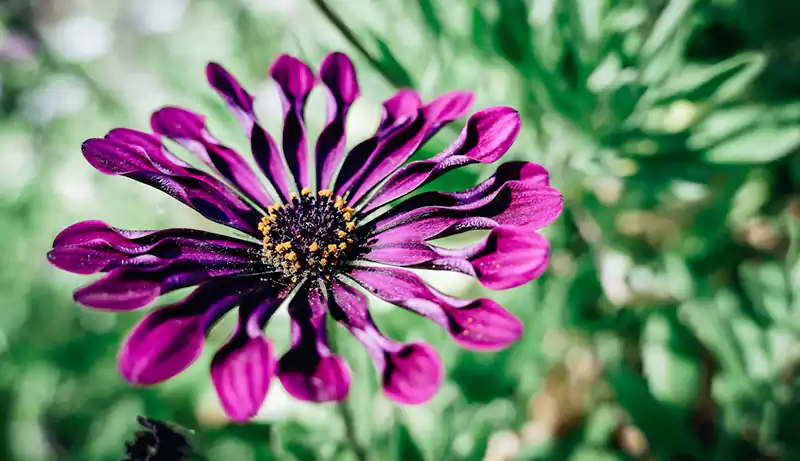
Among the most popular fall flowers, the African Daisy tops our list. This is also known as the daisy bush, Cape daisy, and blue-eyed daisy. Such species are often seen in parks and gardens for their decorative strength.
This fall-blooming flower can be grown comfortably in USDA hardiness zones 9-11, including regions such as southern and eastern Africa, North America, Europe, Asia, New England, and Australia.
Feature
Details
Scientific Name
Osteospermum spp.
Light Requirement
Full sun
Water Need Once Established
1 inch (2.54 cm) per week
Hardiness Zone
USDA zones 9 to 11
Height
1 to 3 feet
2. Million Bells
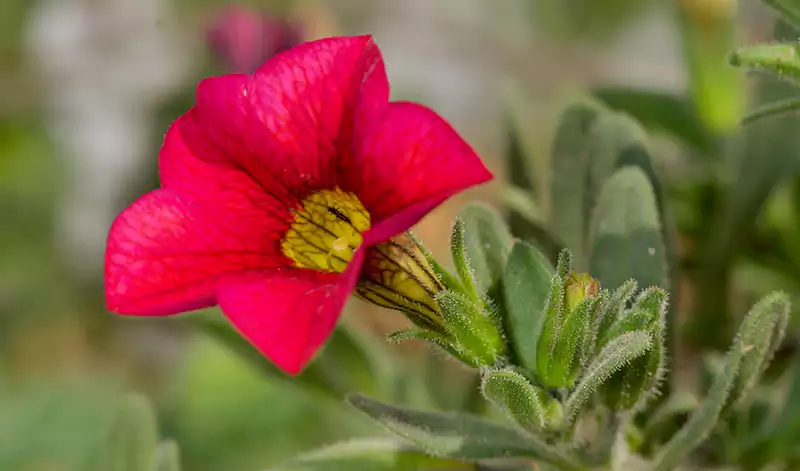
Counted among the most beautiful flowers to plant in the fall, Calibrachoa (or million bells) is many gardeners’ choice. The flowers on this plant typically bloom simultaneously, resembling a bouquet from a distance. They come in all shapes, sizes, and vibrant hues, depending on the various species.
Feature
Details
Scientific Name
Calibrachoa x hybrida
Light Requirement
At least 6 to 8 hours of direct sunlight
Water Need Once Established
Consistently moist soil
Hardiness Zone
USDA zones 9 to 11
Height
0.5 to 1 feet
3. Petunia
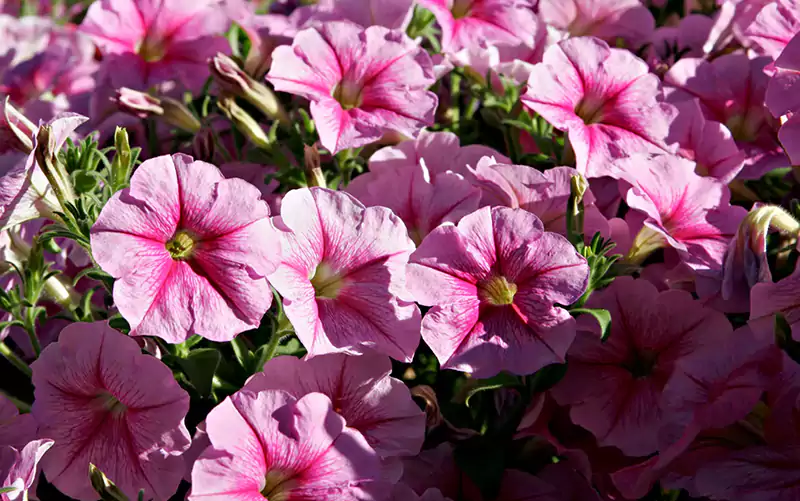
Next, there is the ornamental Petunia on the list of fall flowers to plant. This species is native to South America and is often labeled as the best ornamental plant to choose and grow in autumn. Each flower exhibits a minimalistic design, reinforcing the perennial truth that beauty follows simplicity.
Depending on your weather and temperature, water daily and never forget to fertilize weekly.
Giving it a moderate trim when the plant feels leggy
Taking good care allows this plant to grow large, producing loads of beautiful flowers.
Feature
Details
Scientific Name
Petunia × atkinsiana
Light Requirement
Full sun
Water Need Once Established
Consistently moist soil
Hardiness Zone
USDA zones 9 to 11
Height
0.5 to 1.5 feet
4. Nemesia
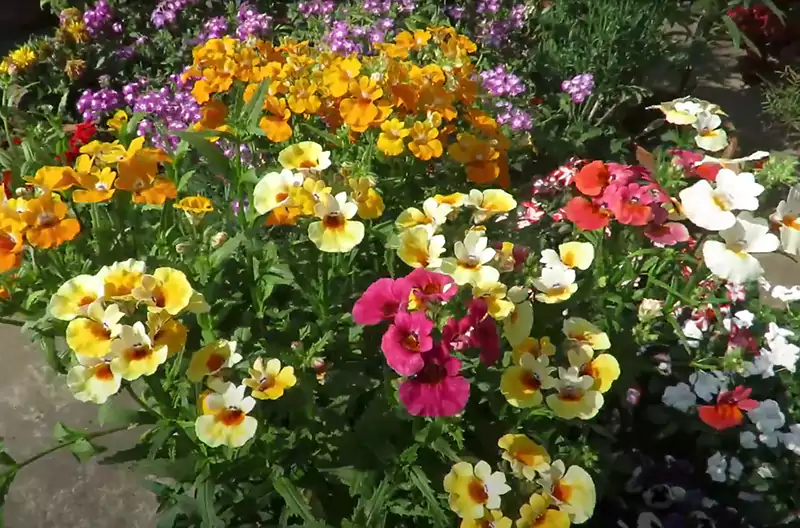
With long and wide petals imbued with more than one hue of vibrant colors, Nemesia is one of the most planted fall blooming flowers. Due to the available variety, many people just pick different species of this plant to add all the shapes and hues to their gardens without investing in different flower plants.
Feature
Details
Scientific Name
Nemesia spp.
Light Requirement
Full sun to partial shade
Water Need Once Established
Consistently moist soil
Hardiness Zone
USDA zones 9 to 11
Height
0.5 to 2 feet
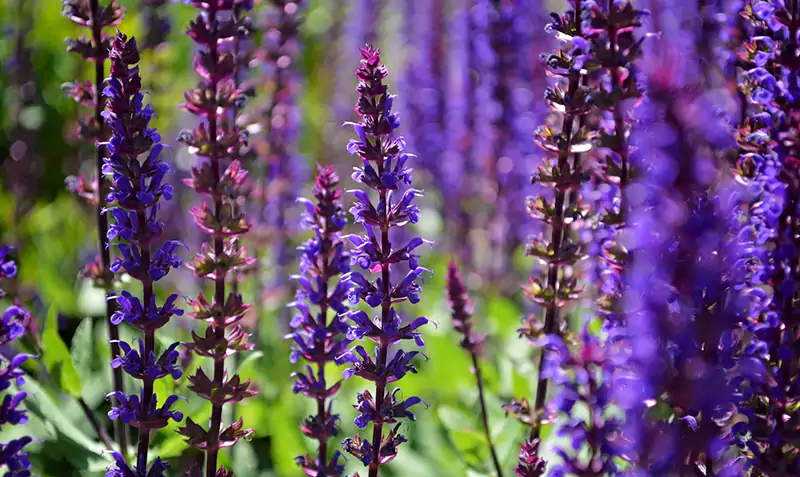
5. Salvia
With more than 900 species of shrubs, herbaceous perennials, and annuals, Salvia flowers hold the potential to truly mesmerize their visitors with those standing lines of beautifully stacked tiny flowers. Salvia shows wonderful compatibility with broad-petal flower plants. Thus, these gem-like structures are also one of the best fall flowers for wedding decorations.
Feature
Details
Scientific Name
Salvia spp.
Light Requirement
Full to partial sun
Water Need Once Established
Moist but well-drained soil
Hardiness Zone
USDA zones 3 to 12
Height
1 to 3 feet
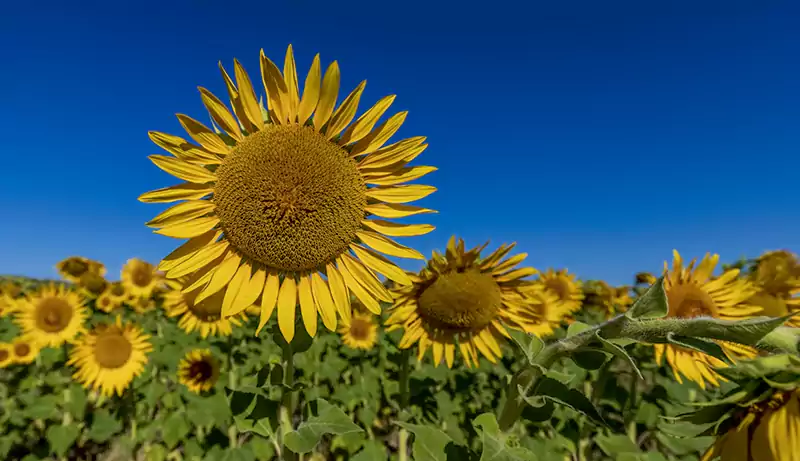
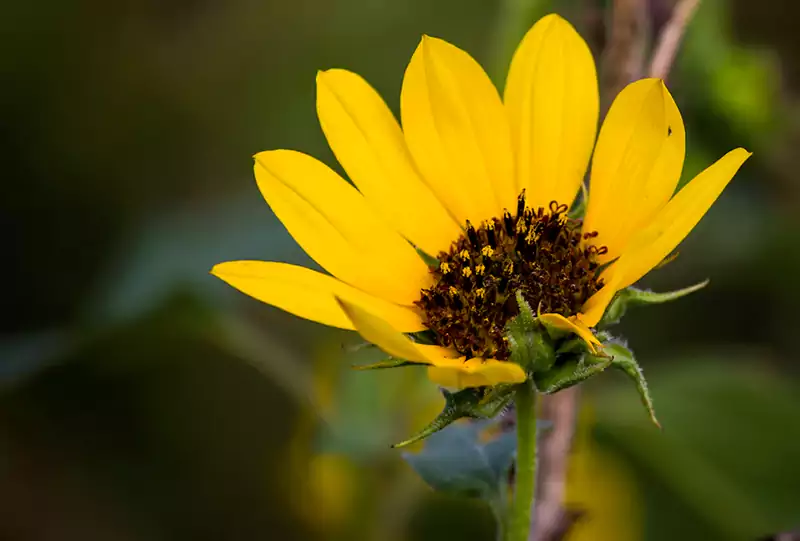
6. Common Sunflower
Truly resembling most of the suns in children’s storybooks, Sunflowers aren’t just a marvel of beauty but also an excellent source of medicinal properties. And, as these wide-center flowers continue right into the autumn from summer, the list of the most common fall flowers cannot be completed without discussing them!
Feature
Details
Scientific Name
Helianthus annuus
Light Requirement
Full sun
Water Need Once Established
Deep watering once a week
Hardiness Zone
USDA zones 2 to 11
Height
5 to 10 feet
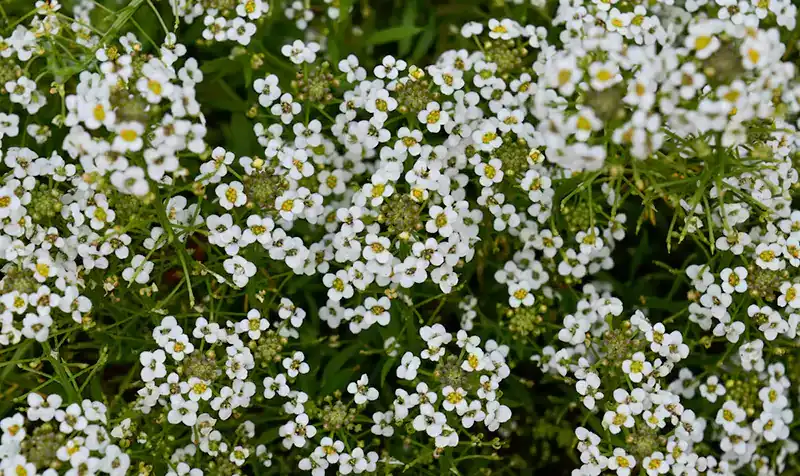
7. Sweet Alyssum
Among fall flowering perennials, annuals, and other categories, Sweet Alyssum also holds firm ground, with its white-four-petaled-flower signature look. This plant can be planted in the spring, and it continues with its blooms until the frost has taken over, thus the best choice for many.
Feature
Details
Scientific Name
Lobularia maritima
Light Requirement
Full to partial sun
Water Need Once Established
Consistently moist soil
Hardiness Zone
USDA zones 5 to 9
Height
0.25 to 0.8 feet
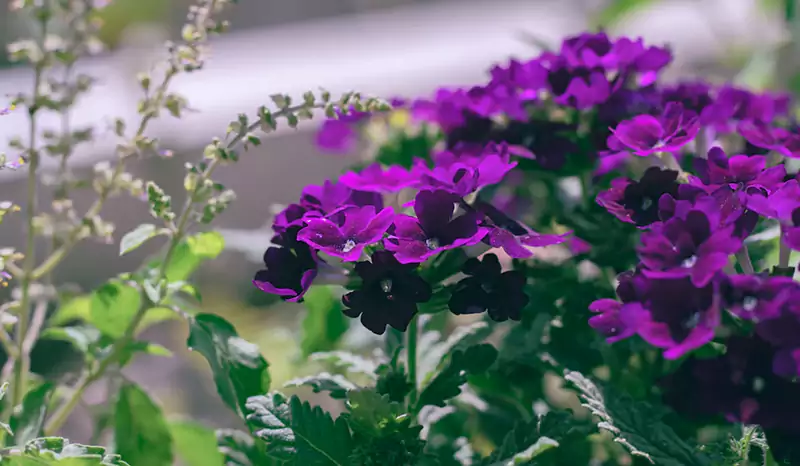
8. Garden Verbena
Durable and often blooming in great numbers once established, Verbena cannot be missed from the discussion on fall flowers. They come in all colors, from light to deep, including pink, red, peach, purple, and white, accentuated by their delicate and shiny petals.
Feature
Details
Scientific Name
Glandularia x hybrida, formerly Verbena hybrida
Light Requirement
Full sun
Water Need Once Established
Regular watering with well-drained soil
Hardiness Zone
USDA zones 7 to 11
Height
0.5 to 1.5 feet
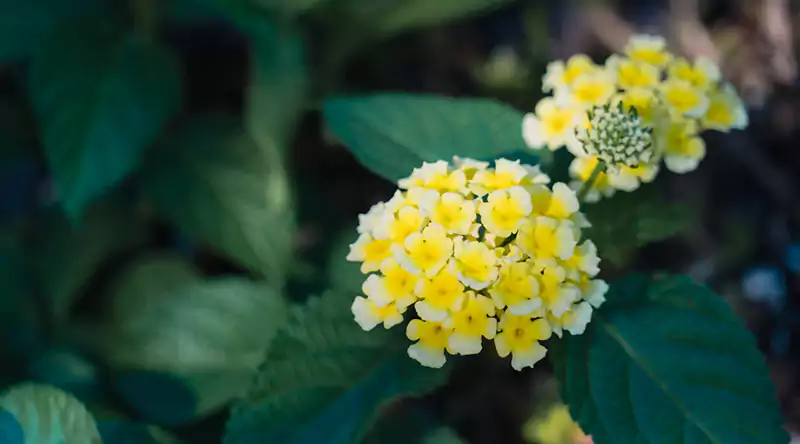
9. Lantana
One of the best fall perennial flowers that bloom in most regions worldwide, Lantana has the most decorative value. It is due to this plant’s particularity to cherish its blooms in small groups, looking like a collection of small bouquets strewn over the canvas of dark-green leaves, from a distance.
Feature
Details
Scientific Name
Lantana camara
Light Requirement
Full sun
Water Need Once Established
Regular watering, but not over
Hardiness Zone
USDA zones 9 to 11
Height
1 to 2.5 feet
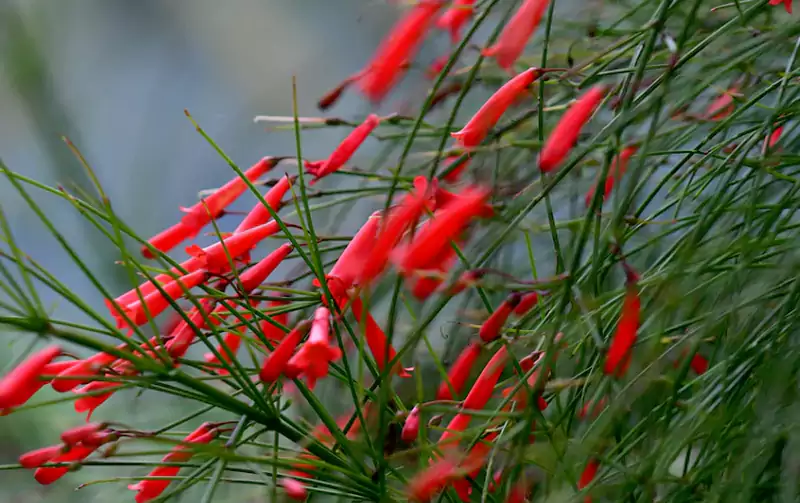
10. Large Firecracker Plant
This plant isn’t just known for its ability to produce fall flowers but also other capabilities like withstanding heat, resisting cold, surviving drought, and drawing hummingbirds towards itself like a magnet. It is truly said, “What more could be expected from a fall flower plant than that!”
Feature
Details
Scientific Name
Russelia equisetiformis
Light Requirement
Full sun to partial shade
Water Need Once Established
Consistently moist soil
Hardiness Zone
USDA zones 9 to 11
Height
3 to 5 feet
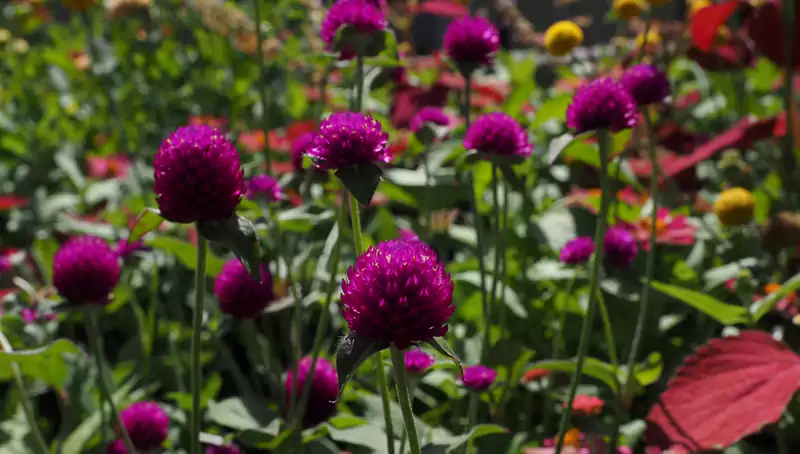
11. Globe Amaranth
Globe Amaranth is also the best species among many fall flowers for outdoors. If one grows this plant in summer, its blooms will continue to emerge late until the days become cold and short, thus securing its position as the perfect floriferous plant in the Kingdom Plantae. Keep enjoying its produce most of the year, including the autumn.
Feature
Details
Scientific Name
Gomphrena globosa
Light Requirement
Full sun
Water Need Once Established
Slightly dry soil with consistent watering
Hardiness Zone
USDA zones 2 to 8
Height
0.5 to 1 feet
12. Purple Fountain Grass
Purple Fountain Grass is often discussed with fall flowers, mainly because of its ability to complement many fall species in residential gardens or public parks. That is the reason it is included here in spite of being a grass by nature. Many fall in love with its silky-textured tops smeared in slightly purplish hues, often facing downwards due to the heavy weight.
Feature
Details
Scientific Name
Pennisetum setaceum ‘Rubrum’
Light Requirement
Full sun
Water Need Once Established
Occasional watering during dry spells
Hardiness Zone
USDA zones 9 to 11
Height
3 to 5 feet
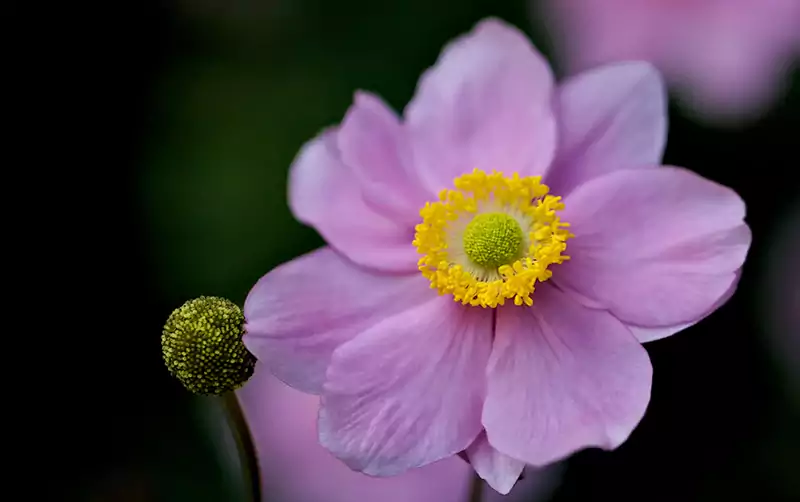
13. Japanese Anemone
Get ready to submerge yourself in the intricate yet delicate beauty of a Japanese Anemone flower, adorned with dual layers of rich-rose pink petals around a compact and detailed center of bright yellow stamens. There is no match to its beauty from a view up close, like most fall flowers listed here. Moreover, to add to its reputation, this plant is among the perennial flowers to plant in fall, when most of nature turns pale and withers away.
Feature
Details
Scientific Name
Eriocapitella hupehensis
Light Requirement
Full sun to partial shade
Water Need Once Established
Consistently moist but well-drained soil
Hardiness Zone
USDA zones 4 to 8
Height
2 to 4 feet
14. Russian Sage
Russian Sage produces fall flowers that resemble Salvia to a great extent in terms of their composition—a single extended, upward-facing stem containing many small flowers from top to bottom. This plant can be grown in combination with low-lying large-petal flowers like African Daisy, Petunia, Nemesia, etc., to maximize garden aesthetics.
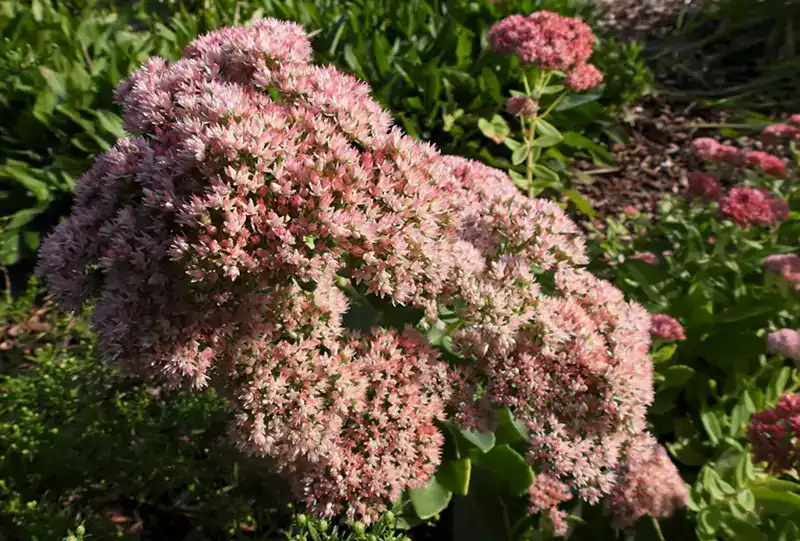
Typically found in the temperate zone and tropical mountains, Stonecrop boasts over 500 species and produces perennial flowers fall to early frost. One of the most popular sedum species, particularly associated with fall, is Autumn Joy. You can add it to your garden for compact, tight, and flower-laden views, as shown in the image above.
Feature
Details
Scientific Name
Hylotelephium spectabile ‘Autumn Joy’
Light Requirement
Full sun
Water Need Once Established
Infrequent watering with well-drained soil
Hardiness Zone
USDA zones 3 to 9
Height
1 to 2 feet
16. Anise Hyssop
Anise Hyssop produces buds in groups, offering flower-laden stems. Once established, this plant attracts all major pollinators such as hummingbirds, honey bees, carpenter bees, butterflies, bumblebees, night-flying moths, etc.
This species is categorized with outdoor fall flowers as it requires full sun for maximum blooms. Additionally, growing flower plants that hummingbirds love can add a major attraction to your location. So, learn about the best hummingbird flowers as well and create a wonderful garden look.
Feature
Details
Scientific Name
Agastache foeniculum
Light Requirement
Full sun to partial shade
Water Need Once Established
Dry soil to Medium moisture
Hardiness Zone
USDA zones 6 to 9
Height
Up to 3 feet
17. Garden Mums
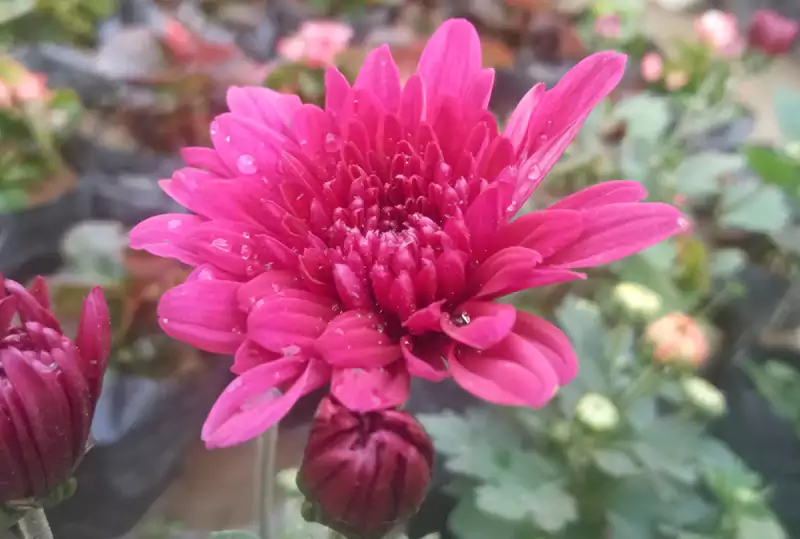
Considered as one of the quintessential fall flowers, Garden Mums have all the shades and hues of pink, orange, red, yellow, and lavender that come in wonderful shapes and sizes. For maximum flowers, plant them outdoors by late summer or in the early days of fall to let the roots fully establish before the frost arrives.
Feature
Details
Scientific Name
Chrysanthemum x morifolium
Light Requirement
Full sun
Water Need Once Established
Consistently moist soil
Hardiness Zone
USDA zones 5 to 9
Height
1 to 3 feet
18. Azaleas
Once planted, Azaleas are full of blooms in spring, summer, and even fall until frost like most fall flowers. These flower-bearing plants are great for areas around the foundation or low-maintenance landscapes. From close inspection, everyone can appreciate the beauty of a delicate and artistic azalea flower.
Feature
Details
Scientific Name
Rhododendron
Light Requirement
Partial sun to species dependent
Water Need Once Established
Consistent moisture
Hardiness Zone
USDA zones 3 to 9
Height
2.5 to 6 feet
19. Bluebeard
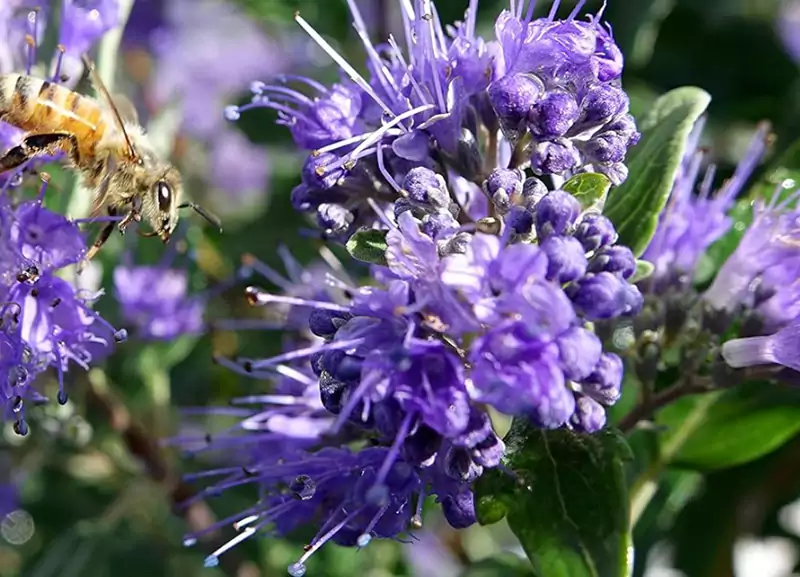
Starting from the final days of summer till the end of autumn, Bluebeard plants keep bearing sufficient flowers to decorate even a barren piece of land, or even your hands if you are looking for fall bouquet flowers. Bluebeard is particularly known for its small-flower clusters that come in vibrant hues of blue.
Feature
Details
Scientific Name
Caryopteris
Light Requirement
Full sun
Water Need Once Established
Minimal watering
Hardiness Zone
USDA 5 to 9
Height
2 to 4 feet
20. Panicle Hydrangea
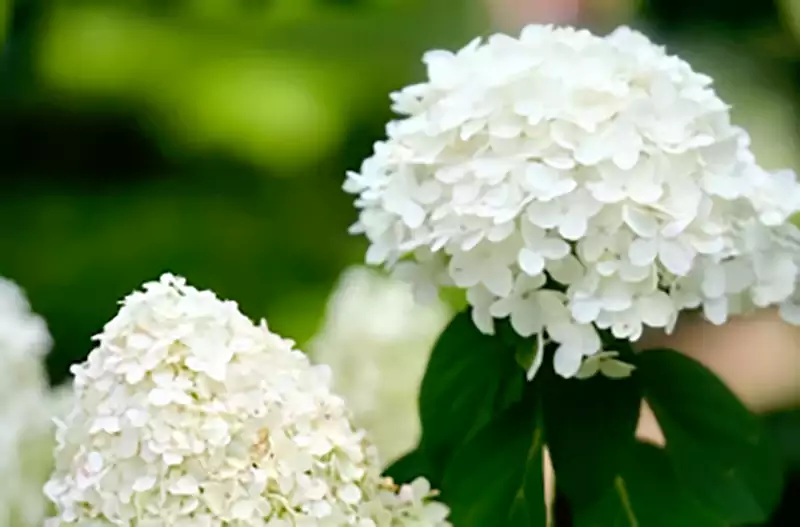
Panicle Hydrangea is worth considering if you are looking for fall angiosperms, not perennial flowers that bloom spring to fall, but ones that only manifest in the autumn. These sublime clusters of tiny Hydrangea flowers make the environment beautiful even when most of nature is shedding everything it has!
Feature
Details
Scientific Name
Hydrangea paniculata
Light Requirement
Full sun to partial shade
Water Need Once Established
Need moisture when the topsoil feels dry
Hardiness Zone
USDA zones 3 to 8
Height
3 to 8 feet
Extended List of Other 30 Fall Flowers
Consider other fall flowers to make your autumn gardens more beautiful! The extended list includes:
21. Bigleaf Hydrangea
Feature
Details
Scientific Name
Hydrangea macrophylla
Light Requirement
Partial sun
Water Need Once Established
Consistently moist but not soggy conditions
Hardiness Zone
USDA zones 5 to 9
Height
3 to 6 feet
22. Autumn Camellia
Feature
Details
Scientific Name
Camellia sasanqua
Light Requirement
Partial sun
Water Need Once Established
Well-drained moist soil
Hardiness Zone
USDA zones 7 to 9
Height
6 to 12 feet
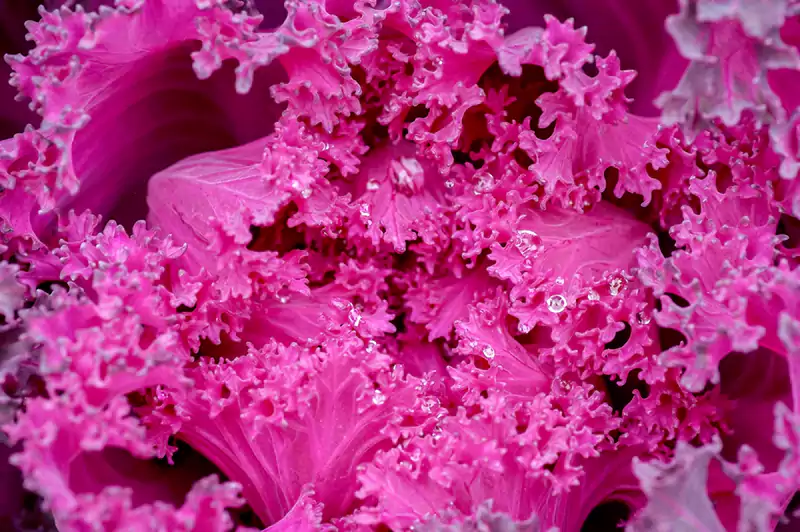
23. Ornamental Cabbage
Feature
Details
Scientific Name
Brassica Oleracea
Light Requirement
Full sun
Water Need Once Established
Consistently moist but well-drained
Hardiness Zone
USDA zones 2 to 11
Height
0.6 to 1.25 feet
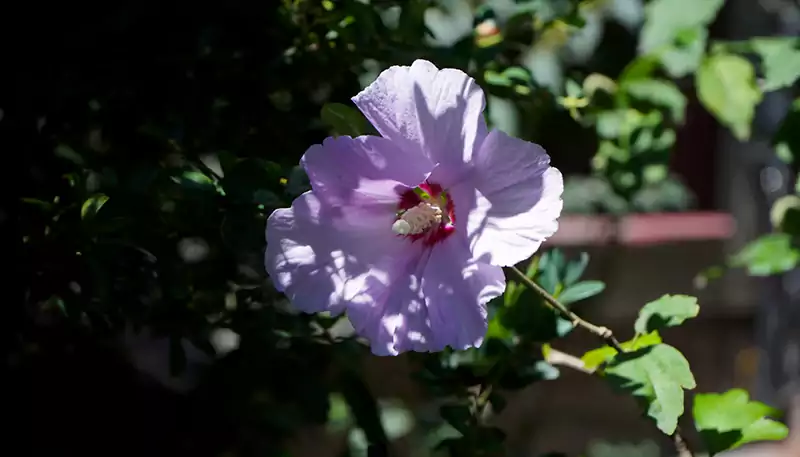
24. Rose of Sharon
Feature
Details
Scientific Name
Hibiscus syriacus
Light Requirement
Full sun to partial shade
Water Need Once Established
Deep watering once or twice a week
Hardiness Zone
USDA zones 8 to 12 feet
Height
8 to 12 feet
25. Hyssop
Feature
Details
Scientific Name
Hyssopus officinalis
Light Requirement
Full sun
Water Need Once Established
Moist but well-draining conditions
Hardiness Zone
USDA zones 3 to 10
Height
1 to 2 feet
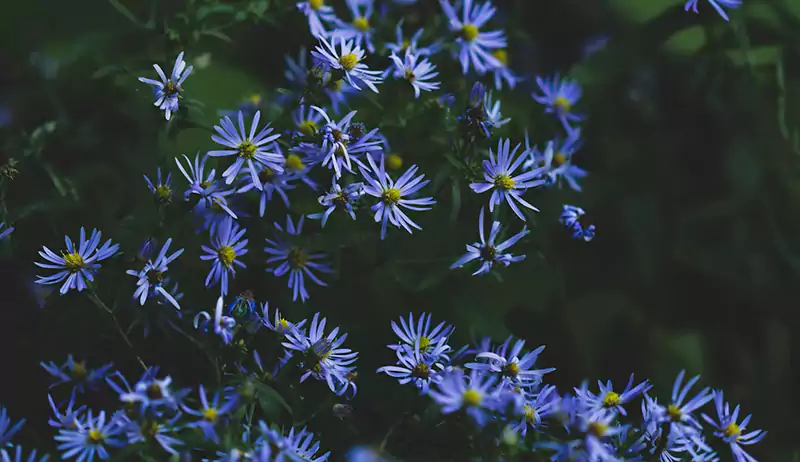
26. New York Aster
Feature
Details
Scientific Name
Symphyotrichum novi-belgii
Light Requirement
Full sun
Water Need Once Established
Consistent moisture
Hardiness Zone
USDA zones 4 to 8
Height
1 to 6 feet
27. Indian Shot
Feature
Details
Scientific Name
Canna indica
Light Requirement
Full sun to partial shade
Water Need Once Established
Consistently moist soil
Hardiness Zone
USDA zones 10 and above
Height
1.5 to 8 feet
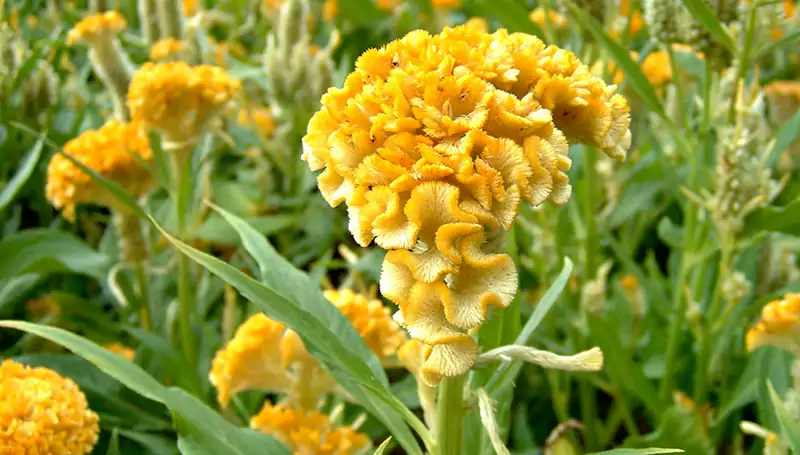
28. Cockscombs
Feature
Details
Scientific Name
Celosia argentea var. cristata
Light Requirement
Full sun
Water Need Once Established
Consistently moist but well-drained soil
Hardiness Zone
USDA zones 2 to 11
Height
Up to 3 feet
29. Autumn Crocus
Feature
Details
Scientific Name
Colchicum autumnale
Light Requirement
Full sun to partial shade
Water Need Once Established
Consistently moist top inches of the soil
Hardiness Zone
USDA zones 4 to 8
Height
0.5 to 0.75 feet
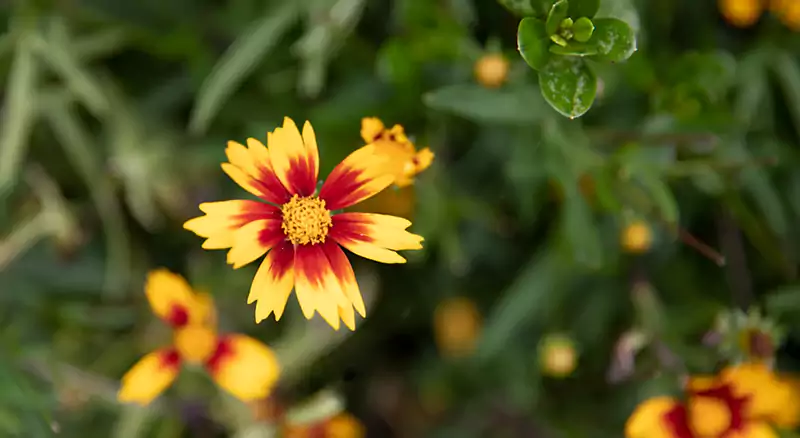
30. Tickseed
Feature
Details
Scientific Name
Coreopsis
Light Requirement
Full sun
Water Need Once Established
Watering every time the top two inches of the soil turns dry
Hardiness Zone
USDA zones 4 to 10
Height
More than 4 feet
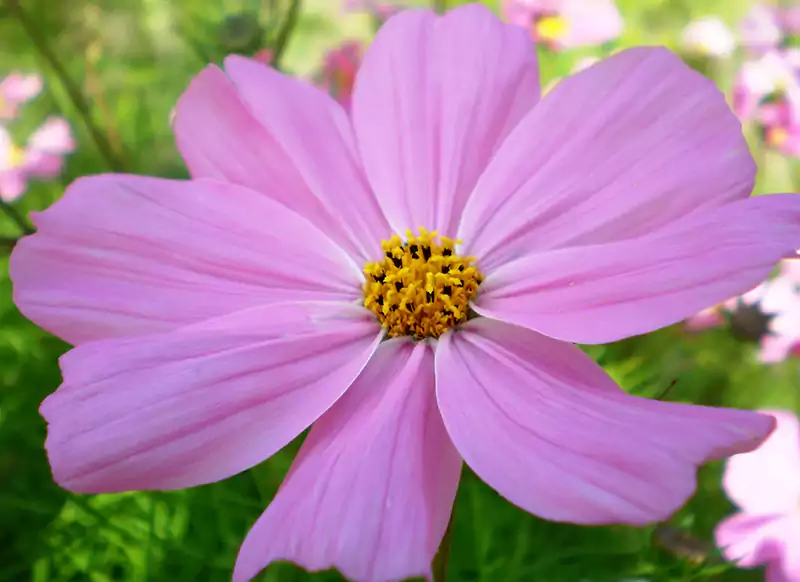
31. Cosmos Flowers
Feature
Details
Scientific Name
Cosmos bipinnatus
Light Requirement
Full sun
Water Need Once Established
Infrequent watering only during long dry conditions
Hardiness Zone
USDA zones 2 to 11
Height
1 to 6 feet
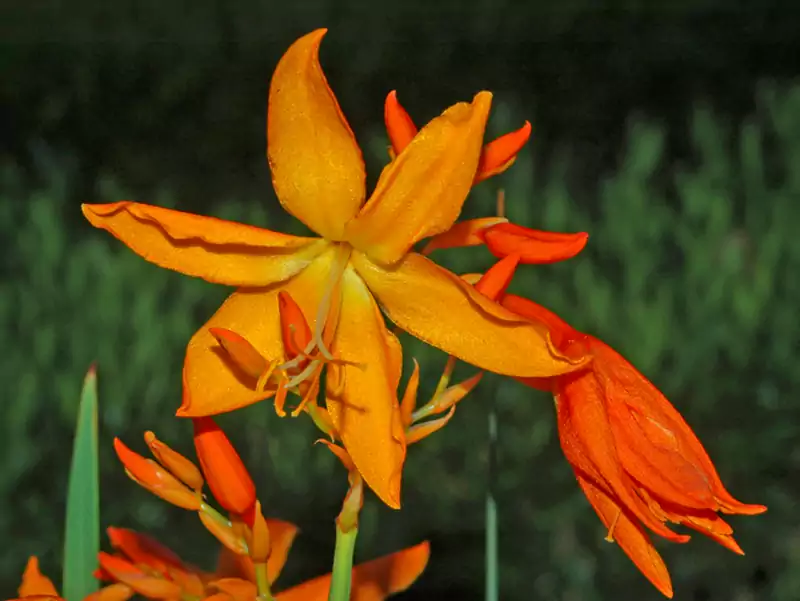
32. Montbretia
Feature
Details
Scientific Name
Crocosmia x crocosmiiflora
Light Requirement
Full sun
Water Need Once Established
Consistently moist but well-drained soil
Hardiness Zone
USDA zones 6 to 10
Height
4 to 5 feet
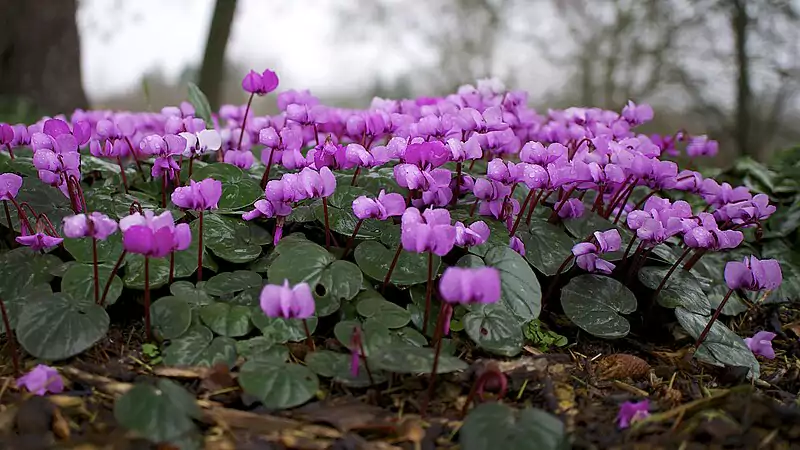
33. Cyclamen
Feature
Details
Scientific Name
Cyclamen persicum
Light Requirement
Bright, indirect sun or partial shade
Water Need Once Established
Only when the soil feels dry
Hardiness Zone
USDA zones 9 to 11
Height
0.5 to 1 feet
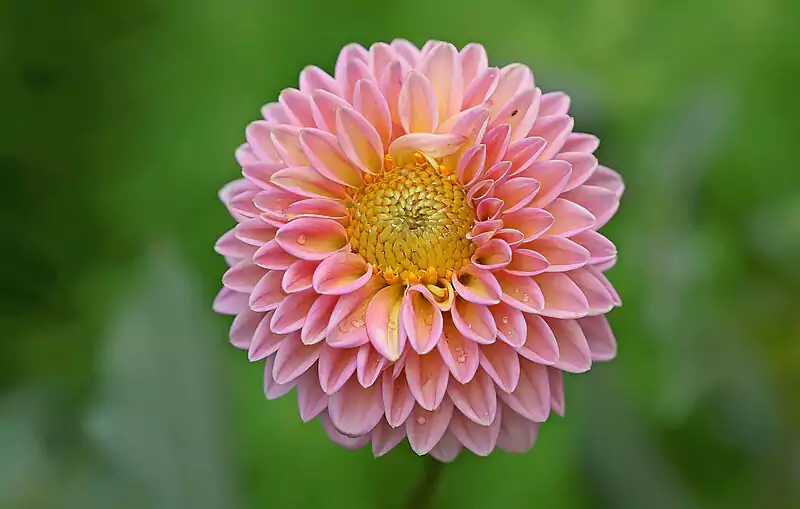
34. Dahlia
Feature
Details
Scientific Name
Dahlia pinnata
Light Requirement
Full sun
Water Need Once Established
Deep watering twice a week
Hardiness Zone
USDA 8 to 11
Height
Up to 6 feet
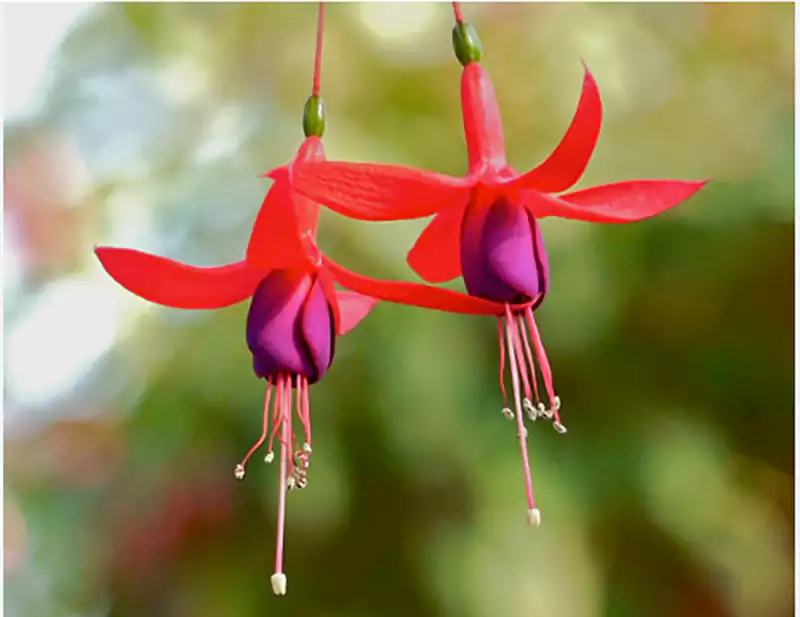
35. Lady’s Eardrops
Feature
Details
Scientific Name
Fuchsia
Light Requirement
Full to partial sun
Water Need Once Established
Deep watering with 2 inch deep soil dryness
Hardiness Zone
USDA zones 6 to 9
Height
6 to 10 feet
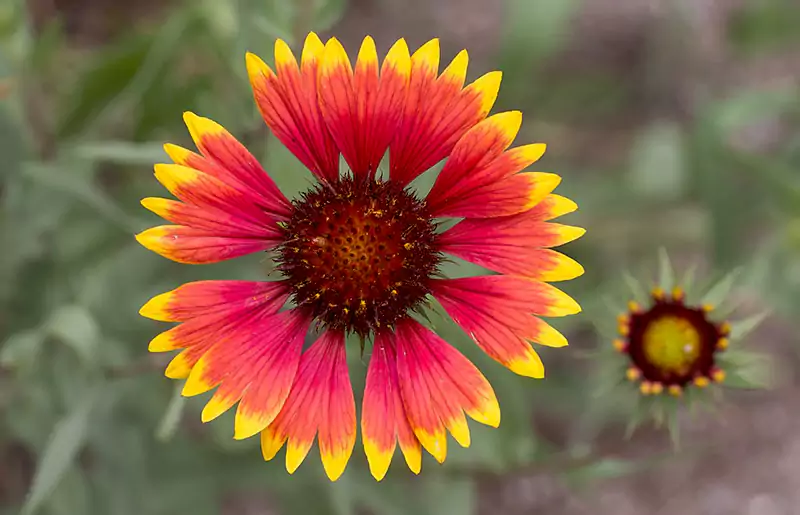
36. Blanket Flower
Feature
Details
Scientific Name
Gaillardia
Light Requirement
Full sun
Water Need Once Established
Once in a while
Hardiness Zone
USDA zones 3 to 10
Height
1 to 3 feet
37. Leopard Plant
Feature
Details
Scientific Name
Farfugium japonicum
Light Requirement
Partial to full shade
Water Need Once Established
Moist but well-drained soil
Hardiness Zone
USDA zones 7 to 9
Height
1 to 3 feet
38. False Sunflowers
Feature
Details
Scientific Name
Heliopsis helianthoides
Light Requirement
Full sun to partial shade
Water Need Once Established
Moderate to low with adequate drainage
Hardiness Zone
USDA zones 3 to 9
Height
3 to 6 feet
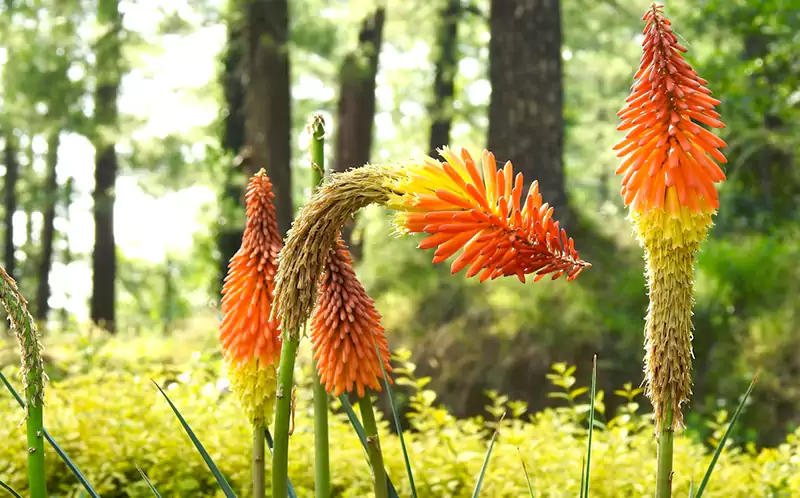
39. Red Hot Poker
Feature
Details
Scientific Name
Kniphofia
Light Requirement
Full sun to light shade
Water Need Once Established
Infrequent deep watering, only with dry soil
Hardiness Zone
USDA zones 5 to 9
Height
2 to 4 feet
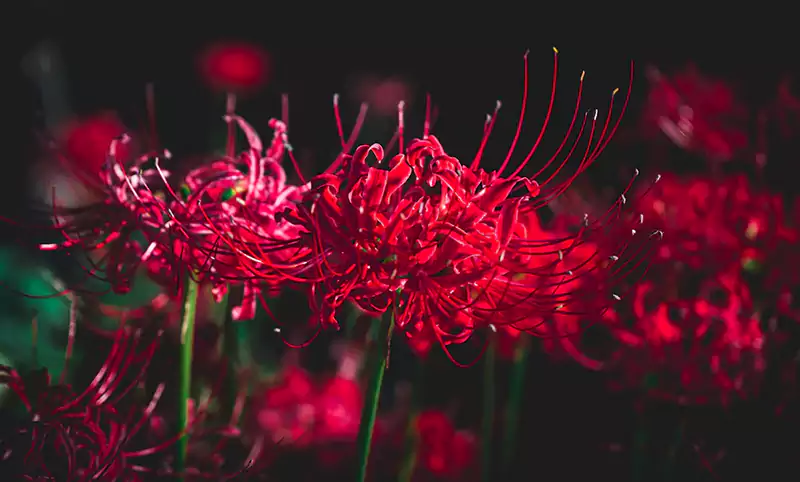
40. Spider Lily
Feature
Details
Scientific Name
Lycoris radiata
Light Requirement
Full to partial sun
Water Need Once Established
Moist soil without waterlogging
Hardiness Zone
USDA zones 5 to 10
Height
1 to 3 feet
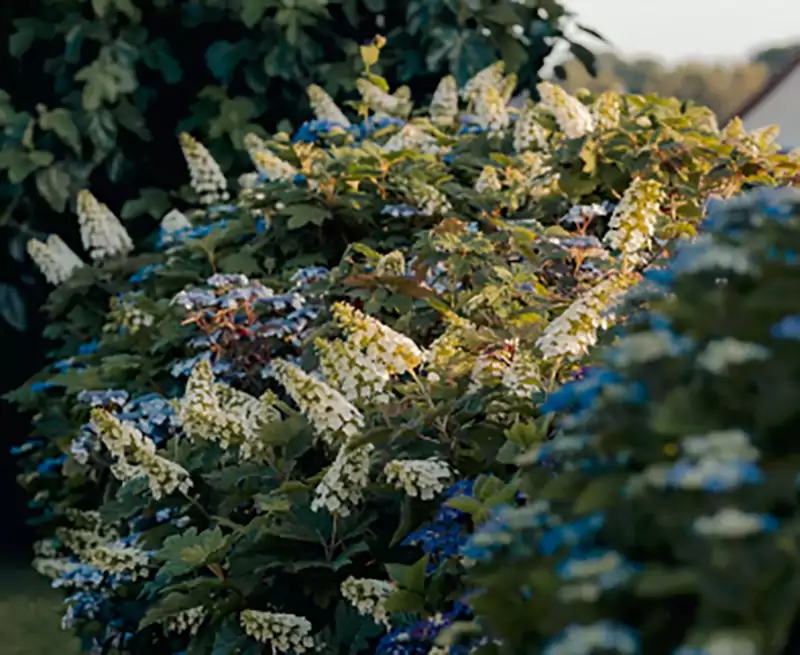
41. Oak Leaf Hydrangea
Feature
Details
Scientific Name
Hydrangea quercifolia
Light Requirement
Full to partial sun
Water Need Once Established
Consistently moist and well-drained soil
Hardiness Zone
USDA zones 5 to 9
Height
4 to 8 feet
42. Bee Balm
Feature
Details
Scientific Name
Monarda
Light Requirement
Full sun
Water Need Once Established
Consistent moisture
Hardiness Zone
USDA zones 3 to 9
Height
2 to 4 feet
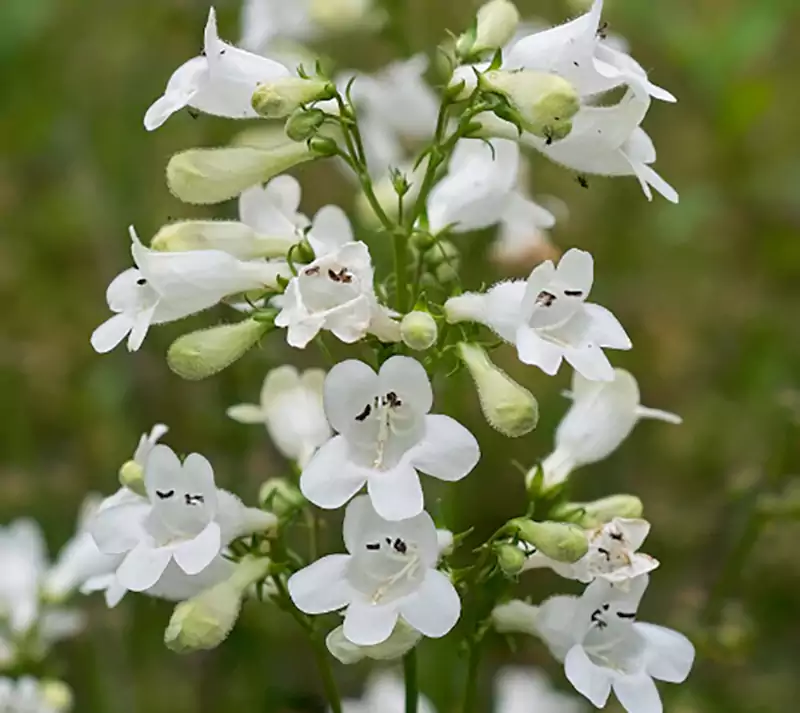
43. Beardtongue
Feature
Details
Scientific Name
Penstemon
Light Requirement
Full sun
Water Need Once Established
Allow the soil to dry out between waterings
Hardiness Zone
USDA 3 to 10
Height
Up to 8 feet
44. Rose
Feature
Details
Scientific Name
Rosa
Light Requirement
Full sun
Water Need Once Established
1 to 2 inches of water per week
Hardiness Zone
USDA zones 4 to 10
Height
1 to 14 feet
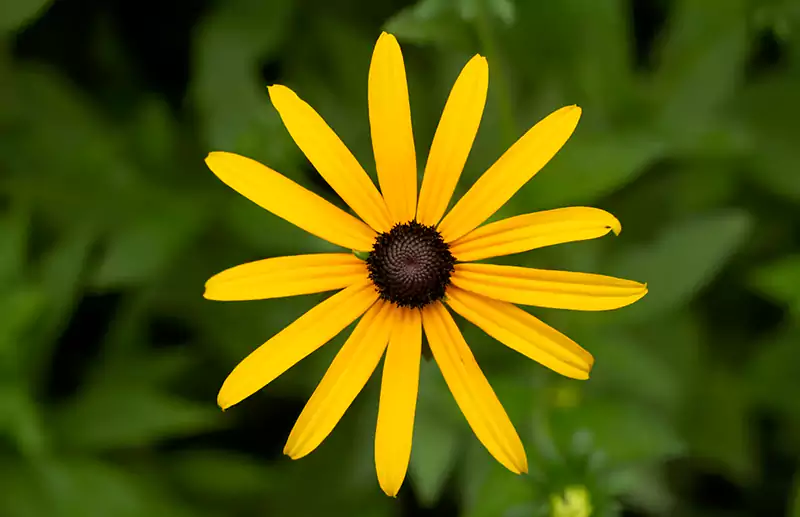
45. Black-Eyed Susan
Feature
Details
Scientific Name
Rudbeckia hirta
Light Requirement
Full sun
Water Need Once Established
Water when soil top layer of soil of soil feel dry
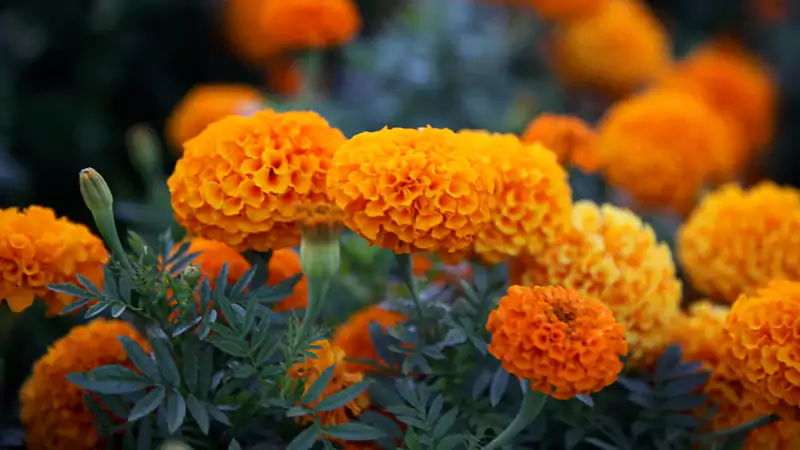
Major fall-blooming flowers that you can consider in bouquets are garden mums, dahlias, marigolds, sunflowers, roses, African daisies, azaleas, etc.
What are good fall winter flowers?
Camellia, Cyclamen, Crocus, Hellebore, Primrose, Daphne, Pansies, and Snowdrops are the major fall-winter blooming flowers.
What perennial flowers to plant in fall?
There are many such flower plants that are perennial and thus can be planted in the fall, namely, Coneflower, Japanese Anemone, Salvia, Chrysanthemums, Coreopsis, Phlox, Russian Sage, Stonecrop, Shasta Daisy, etc.