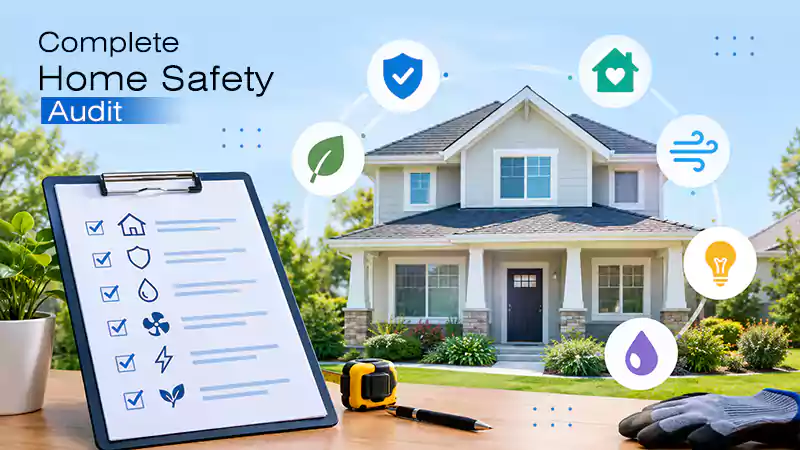
Regular HVAC checking, changing filters, fixing water leaks, and using energy-efficient lighting can all lower energy and water use.
Energy-Efficient Maintenance to Lower Utility Costs
Author
Terri SanderLast Update
September 21, 2026
Utility costs pile up when you own or manage various properties. Air conditioning, water use, and electricity all add up to bills when not managed properly. This can be upgraded with just some simple steps.
Changing HVAC filters, fixing leaks, sealing drafts and using LED lights are some of the common examples. These might seem small but have a large impact on reducing waste without hindering comfort.
Keep reading to explore energy-efficient maintenance to prevent larger repairs and lower utility costs.
Table of Contents:
High-Impact Preventive Maintenance Focus Areas
There are some areas that have the most positive impact on the reduction of utility costs. Below are the most common of those mentioned:
1. HVAC & Climate Systems
Your heating and cooling system is one of the giant energy drains in any rental property, so keeping it in top condition directly impacts your monthly utility bills. Start with the basics, such as cleansing air filters every 60–90 days, or more commonly in units with pets or high occupancy. A clogged filter causes the system to work harder than it should. Putting off annual HVAC maintenance can shorten the overall lifespan of complex heating and cooling units.
Plan a professional HVAC tune-up at least once a year, ideally before the main heating or cooling season, to catch small issues before they become high-cost repairs. Don’t skate over the ductwork either. Leaky ducts can waste a great deal portion of conditioned air before it ever hits the living space. Sealing them is a cheap fix that pays off quickly.
Also, learn whether your electrical system is ready for modern life.
2. Water & Plumbing Optimizations
Water waste is one of the smallest costs to overlook, and one of the most rapid to fix. A single dripping faucet or clogged toilet can run off thousands of gallons of water annually, driving up utility bills without anyone becoming aware until the bill arrives. Set up routine leak tests in all units, including supply lines, shut-off valves, and toilet hinges.
Low-flow showerheads and faucet aerators are cheap options that effectively reduce water consumption without altering pressure. If your properties have older water heaters, check the temperature adjustment and examine it for sediment buildup, which forces the unit to work longer than it should. Small plumbing habits, maintained meticulously, assist both your water bill and your infrastructure. Bay Property Management Group Philadelphia can deliver structured preventative maintenance programs to enable lower utility expenses.
3. Building Insulation
Poor insulation is one of the most visible and costly energy leaks in rental properties. If your units lose heat in winter or find it hard to stay cool in summer, the problem is often faulty insulation in the attic, walls, or crawl spots.
Start by scheduling a professional energy survey to evaluate weak spots. From there, order attic insulation since that’s where the most heat loss occurs. Weatherstripping doors and sealing window holes are low-cost fixes that produce noticeable results, and your tenants will feel the effects right away.
4. Lighting & Electrical Control
Lighting is one of the most effective places to cut energy waste without upsetting your tenants. Switching to LED bulbs is a relatively simple upgrade that significantly reduces electricity use and rarely needs to be replaced.
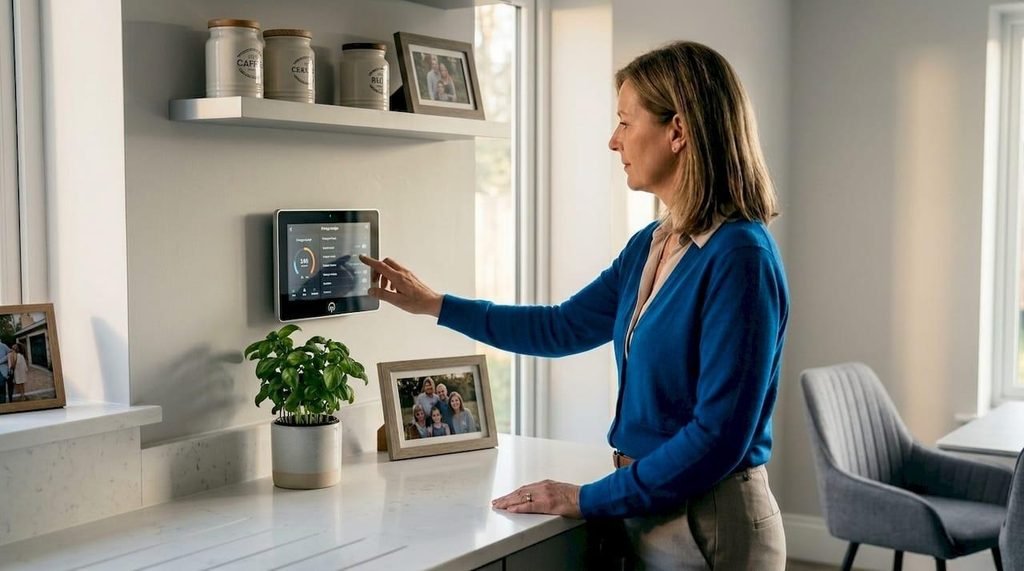
Beyond bulbs, think installing occupancy sensors in shared spaces such as hallways, laundry rooms, and parking areas, and lights that turn off gradually to stop silent energy consumption. Smart thermostats and programmable controls in vacant units also give you better visibility between tenancies, so you’re never heating or cooling an empty property longer than allowed.
Also, find what you should actually look for when choosing an apartment.
Cost vs Utility Savings
It makes sense to first understand what cost one needs to invest to achieve specific utility savings. Let’s understand this first:

1. HVAC Filter
Replacing HVAC filters is one of the cheapest maintenance tasks you can do and one of the most harmful. A standard sediment filter may cost between $10 and $50, yet a dirty one forces your system to work harder, motor up energy consumption and decreasing equipment life.
When you stay on a regular filter change schedule, which is typically every one to three months, counting on occupancy and local air quality, your HVAC runs cleaner and more quickly. Over a year, that equates to noticeable savings on utility bills and fewer costly service calls from predicted system strain.
2. Duct & Window Sealing
Leaky ducts and drafty windows are common, and unidentified sources of energy loss in rental homes and apartments. When conditioned air escapes through gaps, HVAC systems work more aggressively than they should, and it will be evident on your utility bills.
Sealing ductwork with sealant or metal tape usually costs a few hundred dollars per unit but can greatly reduce heating and cooling energy waste. Window weatherstripping and sealing solutions are even cheaper, often under $50 per unit, and deliver instant results, especially in older properties where cracks have enlarged over time.
3. Low-Flow Water Fixtures
If your properties include water tariffs in the rent, low-flow fixtures are subject to serious inspections. Modern low-flow showerheads, faucets, and toilets have come a long way; tenants rarely identify a difference in pressure or performance, but water usage drops.
Installation costs are comparatively modest, typically spanning from $20 to $200 per fixture, betting on the unit, and most landlords recover that investment within a year through lower utility bills. It’s one of those remodeling projects that quietly pays for itself while also making sense to tenants who care about long-term living.
4. Smart Thermostat Controls
Smart thermostats typically charge between $100 and $250 per unit, which can feel like a real burden when you’re managing several properties. Most landlords see 10–15% savings in heating and cooling payments after installation, and in climates with tough summers or winters, that figure can go up further.
If you’re renting utilities, the payback period is often under two years. Even when tenants pay their own bills, providing smart thermostat controls keeps your units more attractive and implies that you maintain your properties skillfully, which matters more to incoming tenants than most landlords imagine.
Conclusion
At the end of the day, energy-efficient maintenance is less about making one major change and more about managing small issues before they become expensive. Routine HVAC service, leak repairs, smooth insulation, smart lighting, and better controls can help to reduce extra energy use.
Begin with points that consume most energy and then come to the ones that have less impact. Over time, these small changes can lower utility expenses and ensure a better condition of rental properties.
FAQs
What maintenance tasks can help lower utility costs?
How often should HVAC systems be replaced in rental properties?
Usually, they should be replaced every one to three months, based on the age of the systems, property type, and air quality.
Are low-flow water fixtures worth installing?
They can be a cost-effective upgrade, mainly when the property owner pays for water.
Latest Blog