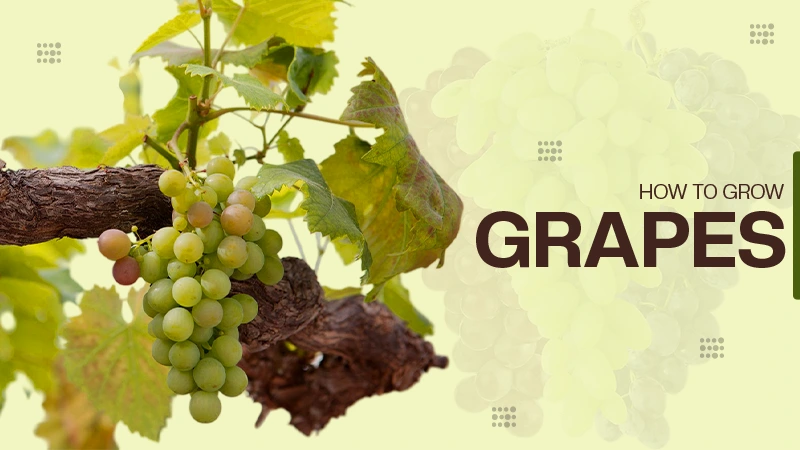
No, grapes are grown as a vine on different types of trellis systems that might appear like a tree at first.
How To Grow Grapes? Cultivation, Care And Fun Facts About the Grape Vines
Author
Annette HirdLast Update
February 25, 2026

Grape vines have been a part of my garden since the very beginning, and not only because I like the sweet, juicy taste and soft texture of these berry-like fruits, but also because they are so easy to grow.
Discovering how to grow grapes was not something I had a hard time learning, while I have to acknowledge at the same time that caring might take a little time, but as someone who has grown grapes for years, I will take you through the easiest planting, care, and harvesting guide.
Table of Contents:
- What is Grape Vine? Explore this Woody Perennial Vine
- How to Grow Grapes? Easy Planting Guide
- What are the Different Types of Grapes To Grow?
- What are the Ideal Conditions to Grow a Garden Grape?
- How to Care for a Garden Grape Vine?
- How to Harvest Grapes at the Right Time?
- Lab Research and Findings About Grapes
- 5 Fun Facts About Grapes That Most People Don’t Know!
- Concluding Remarks
- FAQs
What is Grape Vine? Explore this Woody Perennial Vine
Much like the honeysuckle flower, the grapes are also a woody perennial vine that belongs to the Vitaceae family. Popularly consumed for their sweet and juicy flavour, grapes are essentially berries that are grown around a trellis and can survive for more than 40 years.
This perennial woody vine is used to make wine and raisins and is considered extremely rich in vitamins C and K, which help in maintaining good immunity and fighting against various diseases.
Due to the wide range of cultivars, they are native to some places from the Mediterranean regions to Asia, with China being the largest producer of grapes.
Before exploring how to grow grapes, look at the scientific classification of grapes for a better understanding of the fruit:
 | |
| Botanical name | Vitis vinifera |
| Kingdom | Plantae |
| Division | Magnoliophyta |
| Class | Magnoliopsida |
| Order | Rhamnales |
| Family | Vitaceae Juss. |
| Genus | Vitis L. |
| Species | Vitis vinifera L. |
How to Grow Grapes? Easy Planting Guide
The easiest way grapes are grown is through bare roots, as they allow for a faster root establishment, but you can choose a cutting too, as they are a more cost-effective alternative.
Regardless of the chosen medium, planting remains the same, and here is my simple and effective planting guide for growing a garden grape:
| Image | Step |
 |
|
 |
|
 |
|
 |
|
What are the Different Types of Grapes To Grow?
Thompson Seedless, also known as Sultana, is the most widely grown and consumed grape variety worldwide. There are over more than 5,000 grape cultivars grown and available globally, many of which I was totally unaware of, just like the types of lettuce.
Here are the 5 most famous varieties of grapes that everyone should know about:
| Image | Features |
 | Thompson Seedless Native: Persia Shape: Oval Colour: Light green Taste: Mildly sweet and juicy Type: Table grape |
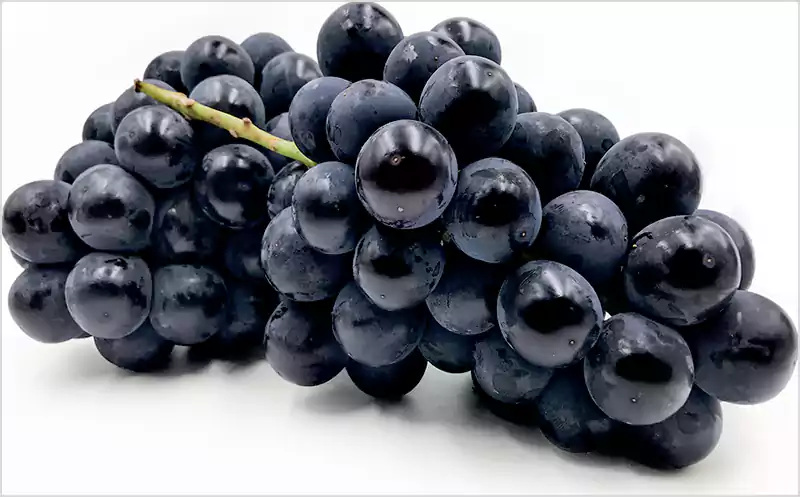 | Kyoho Native: Japan Shape: Round Colour: Dark purple to black Taste: Sweet Type: Table grape |
 | Flame Seedless Native: California Shape: Round Colour: Deep red to bright pink Taste: Sweet with a hint of tanginess Type: Table grape |
 | Crimson Seedless Native: California Shape: Oval Colour: Light red Taste: Sweet with a tart finish Type: Table grape |
 | Autumn Royal Native: California Shape: Oval Colour: Dark purple Taste: Sweet with a hint of spice Type: Table grape |
What are the Ideal Conditions to Grow a Garden Grape?
Once established, grapes are considered drought-tolerant, similar to the coneflower, and they also do not need a lot of attention, but while planting, make sure that they are provided with the following growing requirements:
| Soil Type | Sandy loam soil pH- 5.5 – 7.0 |
| Sunlight | 6-8 hours of direct sunlight |
| Water | Frequently, keep the soil moist |
| Fertiliser | 10-10-10 NPK balanced fertiliser |
| Planting | Early spring |
| Time to fruit | 2-3 years |
Also read: How to Grow Basil? Learn How to Plant This Culinary Herb in Your Garden
How to Care for a Garden Grape Vine?
The best care tip for a grape vine is giving it good support, and I mean it when I say this, that a trellis will make or break the grape vine’s yield.
The answer to how grapes grow in the healthiest way possible is to make sure all their growth requirements are taken care of, and to simplify that, here is the list of my top 3 care tips for grape vines:
Training and Trellis
The best type of trellis system depends on the type of grape, hence take a look and find the one that suits your grape variety:
 | High cordon trellis system
|
 | VSP trellis system
|
Pest Infestations and Protection
The grape vines are susceptible to pests like grape beetles, mealybugs and more that can damage the quality of the fruit and affect the growth of the vine.
- Grape Leafhopper: These small insects feed on the underside of the leaves and affect the fruit production.
- Melaybugs: They are small, white, soft insects that encourage the growth of the mould and affect the quality of the grapes.
- Japanese Beetles: Primarily affects the process of photosynthesis and affect the fruit quality.
- Spider Mites: They also reduce photosynthesis, causing yellowing of the leaves.
Pest infestations are best managed by either using an insecticidal soap or Neem oil. Also, ensure not to have heavy usage of pesticides as they can reduce the natural enemies of these pests and disrupt the natural balance in the garden.
Pruning

- The best time to prune the grape vine is in winter, ideally between January and March.
- Remove almost 80% of the previous year’s growth, as excessive growth significantly degrades the quality of the grapes.
- A little pruning in summer is also beneficial to maintain the shape of the vine by removing the dead parts.
How to Harvest Grapes at the Right Time?
Grapes are ready to be harvested from late summer to early fall, and I always pick them in summers, early in the morning, when they are the most flavourful.
Follow the following steps to make sure you harvest the grapes at the right time and the right way:
| Image | Step |
 |
|
 |
|
 |
|
Lab Research and Findings About Grapes
Does eating grapes prevent cancer? There has been a lot of debate around grape extract’s anti-cancer potential, which is too high a claim. However, there is always a scientific stand for all the benefits of grapes.
I researched a bit and found this lab research, which might be credible enough to trust. Take a look at what it has to say about grapes:
| Research summary box 1 Study year: 2007 Aim: To assess the effectiveness of Anthocyanin extracts of grapes against breast cancer cells Sample type: Concord grape extracts, Delphinidin and Breast epithelial cell line. Key findings: The grape extract and the delphinidin significantly stopped the formation of breast cancer cells by protecting the noncancerous cells. Grape extracts included compounds like quercetin that have chemoprotective qualities. Hence, it was concluded that the consumption of grapes can be beneficial for protection against cancer. Source: Journal of Medicinal Food |
Note
A research or a claim stating the anticancer potential of a particular food item does not take the relevance and importance of the real process of treatment away.
Research is always a part of medical studies and can have its own limitations. Consult a physician for a better analysis.
5 Fun Facts About Grapes That Most People Don’t Know!
Wines are made of grapes is probably something we all know by now, but I like to go down the rabbit hole and find out facts that many gardening enthusiasts might not know.
Read these 5 interesting facts about grapes:
- The cultivation of grapes can be traced back to 65 million years ago. Feels like growing an Ancient berry!
- “Age like a fine wine” is a popular phrase, but do you know that the majority of wines are meant to be consumed within 3 years only?
- Grapes are actually berries.
- Apart from wine, dried grapes are also used to make raisins.
- Do not plant grapes alongside the broccoli plant as they compete for the same nutrients and can affect each other’s growth.
Concluding Remarks
A grape vine is a garden staple in so many yards I have visited, and I do not know if it is the love for the fruit or the low-effort planting that comes with a beautiful aesthetic.
Learning how to grow grapes is a truly humbling experience and a treat to watch. Not only has this journey taught me patience, but filled my garden with vines trailing over with a fruitful and juicy yield always ready to be picked year after year.
FAQs
Do grapes grow on trees?
How long do grapes take to grow?
Grapes usually take around 3 years to bear fruit.
Is growing grapes in pots possible?
Yes, growing grapes in pots is possible and easy, just make sure you choose a large pot for the vines to have the space to spread evenly.
Where do grapes grow?
Grapes are grown on woody vines in tropical or Mediterranean regions.
Sources:
Top 5 health benefits of grapes: BBC GoodFood
Latest Blog

Related Post

Abodelook has a large collection of furniture, art, accessories, garden products, and a lot that adore and furnish your home creating a pleasing and comfortable environment. Our curated home decor collections are not only of high-quality material but also sustainable and provide comfort in your daily life.
Copyright © 2026 Abodelook.