Yes! Succulent leaf or stem cuttings can be propagated in water. For this, take a clear jar or glass, submerge one end of the cutting in water, ensuring that the leaves don’t touch the water. Change the water every few days and keep the container in a bright spot. Within a few weeks, roots will emerge, and the plant can be transplanted to the larger container.
How to Propagate Succulents From Leaves and Stem Cuttings
Author
Annette HirdReviewed By
Cody Allison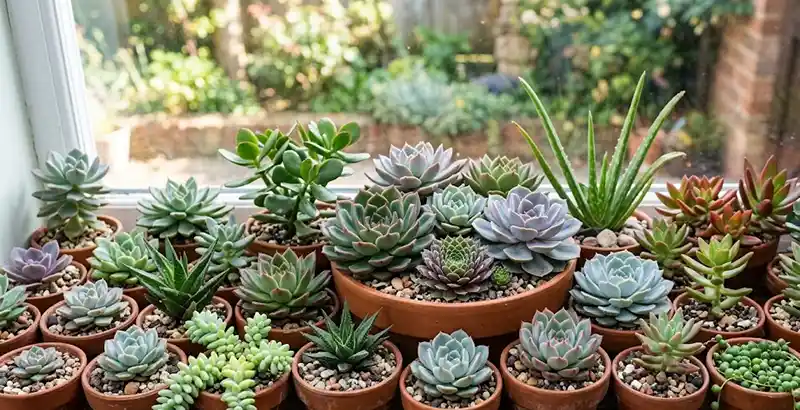
Propagating succulents is the best way to multiply your plant collection. Succulents are great for small spaces plant growing, as they have water-storing leaves and a compact growth habit. I find propagating these plants a fulfilling and fascinating experience that makes me connect with nature.
If you want to learn how to propagate succulents, come along with me to understand their propagation methods, popular varieties, and aftercare measures.
Quick Answer
How to propagate succulents? You can propagate succulents by leaf or stem cuttings. They can be propagated in both soil and water. Monitor the growth well and transplant the baby plants on time. Follow proper care measures like watering when the soil dries out, feeding once a year, and providing bright indirect light to help them thrive. Be careful of common problems like overwatering, underwatering, leggy stems, and pests and diseases.
Table of Contents:
How to Propagate a Succulent: Leaf and Stem Cutting Methods
You can propagate succulents from leaves or stem cuttings. For propagating succulent leaves, remove a healthy leaf from the plant and lay the calloused leaf on the well-draining succulent soil. As the roots form, transfer it to its own pot.
If you want to propagate it through stem cuttings, cut the healthy cutting and root it in the soil. Later, transfer it to its own pot. This method offers faster root development than leaf propagation.
Let’s see the detailed steps of both methods:
Succulent Leaves Propagation
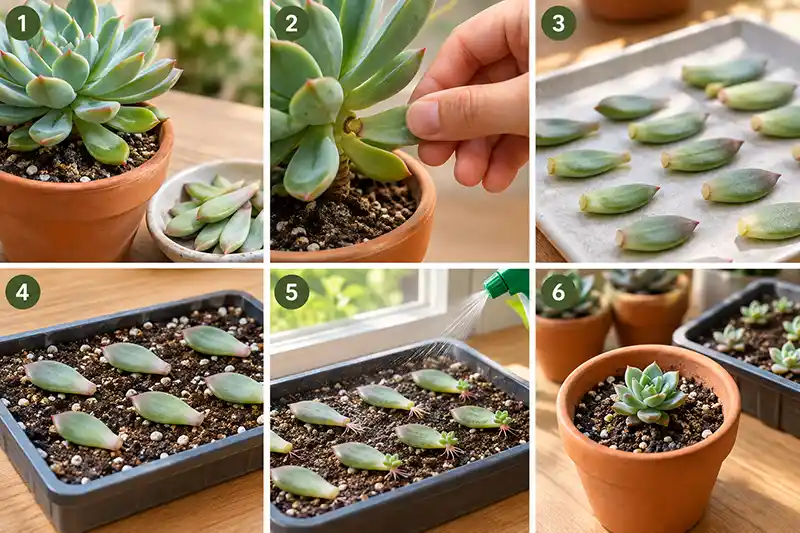
- Step 1: Select the healthy, vibrant leaves from the parent plant. Choose the plump leaves from the lower part of the plant.
- Step 2: Remove the leaf from the plant by gently twisting it off the stem with a clean pull, ensuring the entire leaf is removed.
- Step 3: Let the leaf dry in bright indirect light for two to three days until the callus forms on it. This step is crucial to prepare the leaves for future planting and prevent future root rot.
- Step 4: Fill a tray with well-draining succulent soil and lay the calloused leaves flat on top.
- Step 5: Place the tray in a spot with bright, indirect sunlight. Mist the soil lightly every few days to prevent it from drying out.
- Step 6: Wait a few weeks to let the roots form and a tiny plantlet emerge. Then, transplant to a larger pot.
Succulent Stem Cuttings Propagation
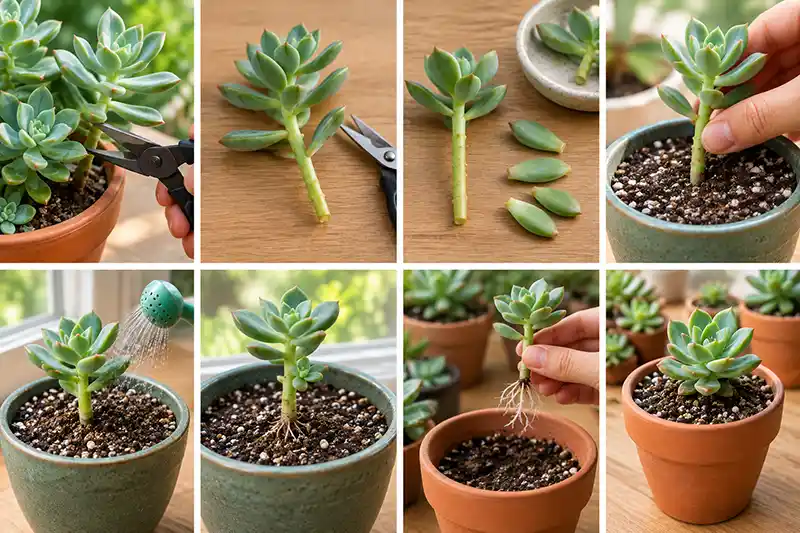
- Step 1: Choose a healthy stem from the plant that has some leaves. Make a cut with clean shears or scissors for a 2-3 inch section with a few leaves.
- Step 2: Now let the stem callus for a few days to prevent rotting and increase the chances of successful propagation. After the stem is calloused, remove the leaves from the bottom 2 inches.
- Step 3: Push the calloused end of the stem into the soil, covering at least two bare nodes.
- Step 4: Place the container in bright indirect light and lightly water the soil every few days. In two to four weeks, the roots will form. So, transplant it to its own pot.
Did you know?
Succulents get their name from the Latin word “sucus,” which translates to sap or juice due to their sap-filled leaves.
Also Explore: Bleeding Heart Plant: How to Grow This Perennial Twining Vine?
Checklist of Tools and Materials Needed for Succulent Propagation
Using the right tools and materials is important to successfully propagate a succulent. Let’s see the checklist of things that will be needed in the process:
Sharp scissors or pruning shears
Succulent Propagation in Water
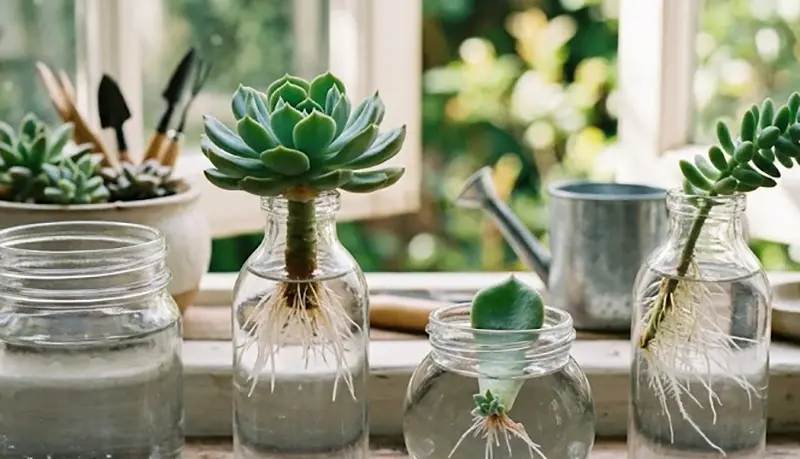
Many planters prefer to propagate succulents in water, encouraging roots to form in a controlled way. You can propagate both leaves and stem cuttings in water. You have to keep the cuttings submerged in water, preventing the leaves from touching the water, as this can cause rotting.
Here are the steps for propagating succulents in water:
- Step 1: Choose a healthy stem or leaf from the parent plant. Allow it to dry for a few days until a callus forms on it.
- Step 2: Take a clear glass or jar and fill it with water at room temperature.
- Step 3: Submerge the cut end of the cutting in the water.
- Step 4: Place the container in bright indirect light. Change the water every week to prevent bacteria and algae growth.
- Step 5: Transfer the cutting in 1-2 weeks when the roots are about 1-2 inches long.
Expert Tip
Use toothpicks, tape, or a specialized propagation lid to keep the cutting in place. This will help prevent it from being fully submerged in water.
Care Measures for Succulent Propagation
The newly propagated succulents require proper care to thrive well. It’s important to provide careful attention to watering, light, fertilizer, and soil to support their health.
Let’s see the care measures to ensure the plants stay healthy:
Soil and Fertilizer
For planting propagated succulents, use the well-draining specialised succulent potting soil. It helps in the faster growth of healthy plants. Succulents do not need a lot of feeding. Fertilize them once a year with NPK fertilizer in a ratio of 5-10-5. Avoid overfertilizing, as it can lead to root burn.
Expert Tip
Avoid feeding the newly repotted plants for a month. Let them get well established and feed them once a year in spring with diluted fertilizer.
Light and Temperature
For the successful stem or leaf propagation of succulents, optimal light and temperature are important. If you are growing them indoors, place them near the south-facing window for proper sunlight. If growing outdoors, place them in a location that receives at least six hours of indirect light daily.
Maintain the temperatures between 65°F and 80°F for best growth. If you live in an area with high freezing temperatures in winter, bring the plants indoors or into a greenhouse for winter protection.
Watering Requirement
Succulents are drought-tolerant plants that do not prefer overwatering. Allow the soil to dry out between watering sessions. Watering is a critical part of propagating succulents from leaves or stems. The right hydration supports root formation.
Did you know?
Succulents keep their tiny breathing pores (stomata) closed during hot daylight hours and open them at night to prevent water loss.
Growth Monitoring and Transplanting
Monitor the growth of your plants for 2-3 weeks. Gently lift the cuttings to check for root formation. In propagation succulents by leaf, wait until the mother leaf starts to wither. This indicates that the new plant is absorbing nutrients independently. Once the roots are well established and the new plant is about 1 inch in diameter, transplant it to another individual container.
Expert Tip
Avoid watering the plant for 2-3 days after shifting it to another pot. Let the plant adjust to the new place to prevent shock.
Next Read: Hellebore: Planting, Care And Fun Facts About the Christmas Roses
Popular and Easy to Propagate Succulents
Not all succulent plants are the same. Some are much easier to propagate when compared with the others. The popular varieties that have a high propagation success rate are echeveria, snake plant, aloe vera, jade plant, and string of pearls.
Take a look below to learn about some succulent varieties:
| Plant | Description |
Echeveria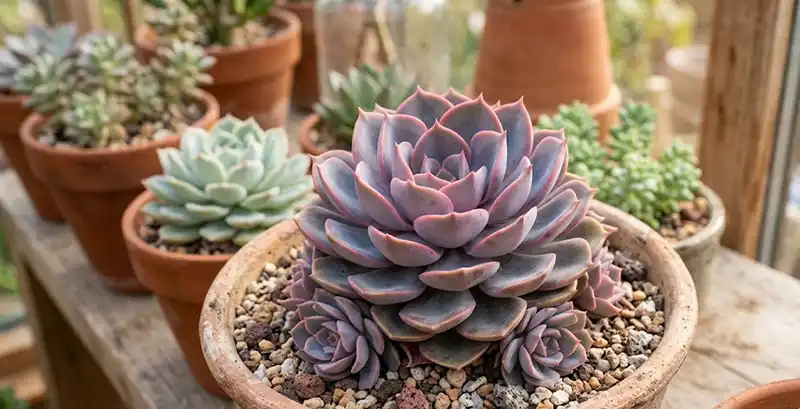 |
|
Jade Plant (Crassula ovata)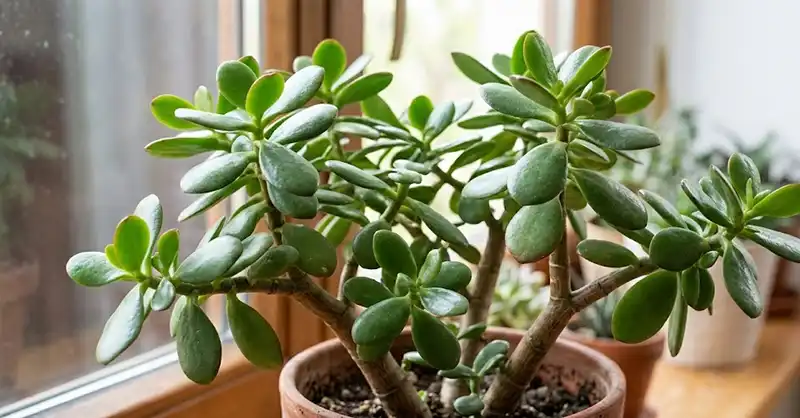 |
|
String of Pearls (Senecio rowleyanus)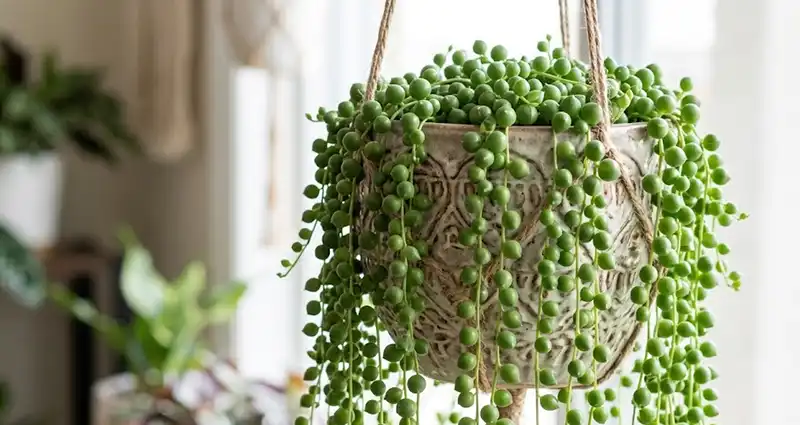 |
|
Aloe Vera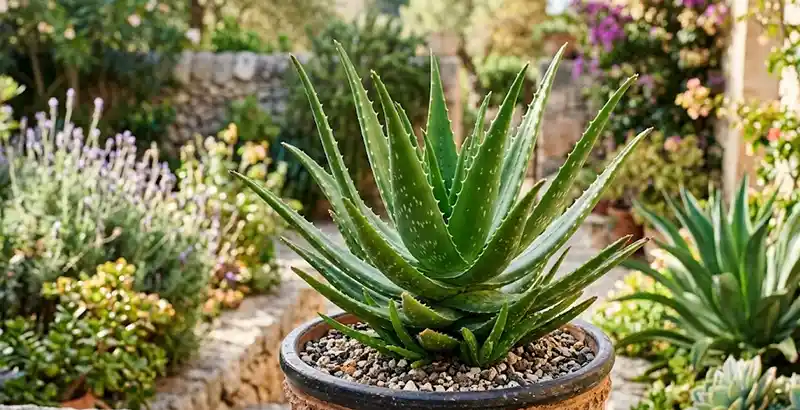 |
|
Panda Plant (Kalanchoe tomentosa)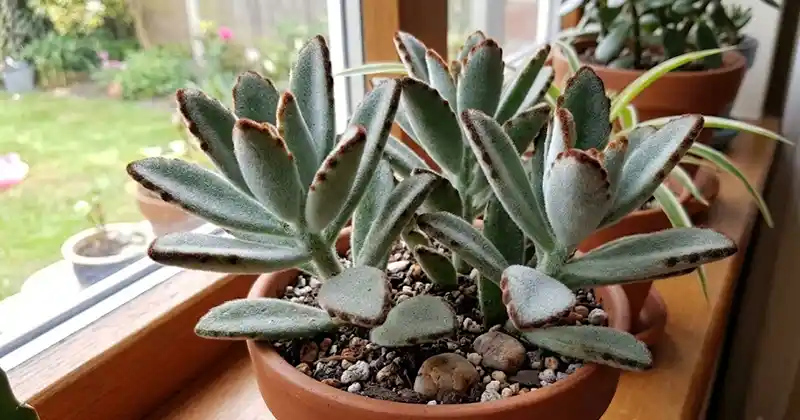 |
|
Stonecrop (Sedum Plant) |
|
Ghost Plant (Graptopetalum paraguayense)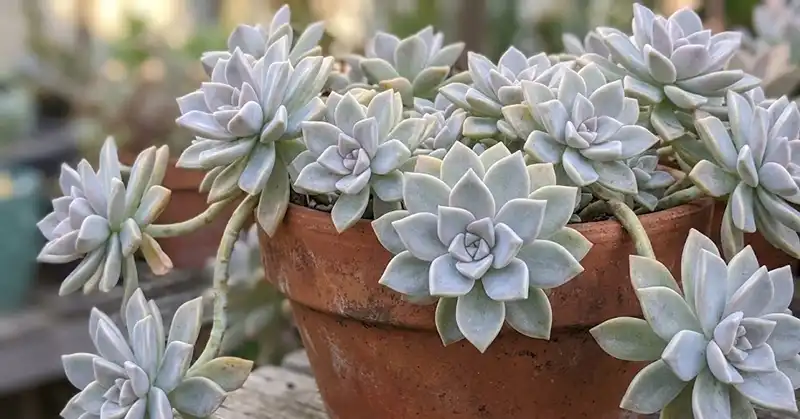 |
|
Snake Plant (Sansevieria spp.)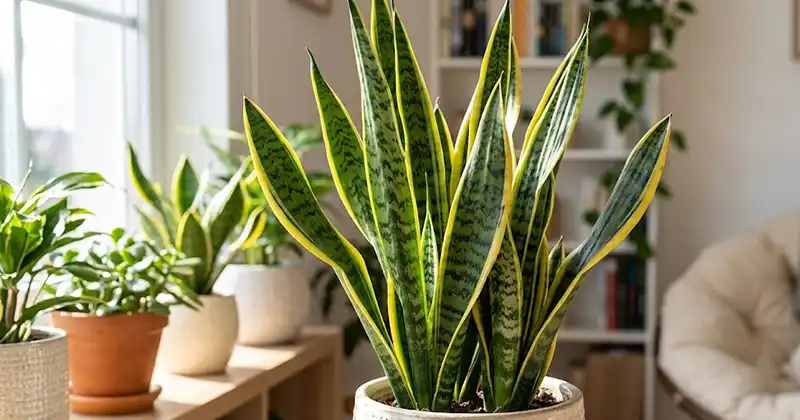 |
|
Aeonium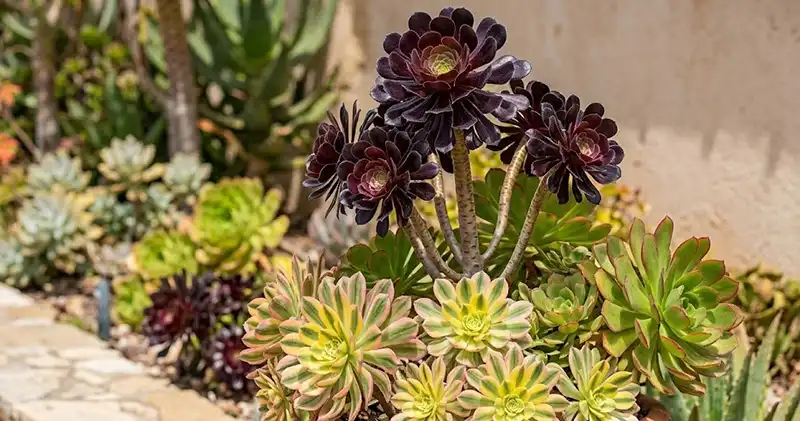 |
|
Common Pests and Problems in Succulents
Even after keeping them in proper growing conditions, succulents still suffer from some issues. If the watering is right they can have mushy leaves and stems or wrinkled leaves. They are also susceptible to some pests and diseases.
Let’s see the common problems and their solutions:
- Overwatering: Issues like soft, mushy leaves or stems are usually signs of overwatering. Stop watering and repot the plant in fresh soil. Also, make sure that the pot has drainage holes.
- Underwatering: If the plant has wrinkled leaves, it’s a sign of underwatering. Increase the watering frequency, but let the soil dry out completely between the watering sessions to prevent overcompensating.
- Pest infestations: Check the plants regularly for pests like spider mites, mealybugs, and scales. If you see any of these infestations, treat them with neem oil or insecticidal soap. Also, isolate the affected plant to prevent the spread.
- Diseases: These plants are susceptible to fungal diseases like root rot and powdery mildew. In such cases, treat with fungicide, improve air circulation, and avoid overhead watering.
- Leggy growth: Leggy growth is a common issue in succulent propagation from leaf or stem. This happens when the plant struggles to get enough light. This makes the plant prone to breakage. To prevent this, keep your plant in a spot where it receives bright indirect light.
Also Read: How Do Pistachios Grow? Planting Guide and Care Tips For This Ancient Nut
Bottom Line
Now that you have understood how to propagate succulents, you can increase the variety in your collection and make new combinations in your home natural decor. In the process, keep some vital things in mind, like fertilizing sparingly, using succulent potting mix, and keeping the pot in bright indirect light. Ensure to monitor the growth and transplant the new plants on time.
FAQs
Can you propagate succulents in water?
How to propagate a succulent leaf?
Gently twist the leaf off a mature succulent plant and let it sprout roots in a potting soil mix. When the mother leaf shrivels up completely, cut the baby plant and grow it in a larger container.
What is the propagating succulents timeline?
Propagating succulents from leaves can take around 2 months to a year. This includes the callousing of leaves, root development, new plant emergence, mother leaf shriveling, and maturation.
Which is better in succulent soil or water propagation?
Soil propagation is better as it leads to stronger roots. Water propagation needs careful monitoring and handling while transferring to soil to prevent root damage.
What are some succulents that are easy to propagate?
Many plants like jade plant, echeveria, snake plant, and panda plant respond well to both leaf and stem propagation. Make sure to dry them before and follow the steps properly to root them faster.
Sources:
How to care for succulents – BBC Gardeners World Magazine
Succulent – Britannica
Propagating Succulents – UC Agriculture and Natural Resources
How to Propagate Succulents – Iowa State University
Latest Blog