Yes. Many houseplants can tolerate indirect or lower light, although their growth may be slower.
Growing Plants Indoors, Outdoors, and in Small Spaces
Author
Annette Hird
“To plant a garden is to believe in tomorrow.” – Audrey Hepburn (Actress & Model)
This captures what makes gardening so rewarding. You don’t need a big backyard or perfect growing conditions for that. A sunny windowsill, compact balcony, patio, or even a small corner of a room can become a thriving green space with the right plants and setup.
Just try to work with the space you have instead of aiming for a traditional garden. Indoor plants may need help with light and humidity, outdoor containers need protection from weather, and small balconies require creative use of vertical space. Across all three settings, successful container gardening comes down to three fundamentals: the right container, suitable growing media, and enough light.
Table of Contents:
Navigating the Basics of Indoor Growing
Indoor spaces have low humidity levels. In addition, the lighting is limited and indirect. Choosing sturdy plant varieties capable of coping with imperfect lighting conditions remains a core strategy for home gardeners. Choosing robust greens saves you from constantly troubleshooting. It leads to reliable greenery throughout every season. Yucca plants can be grown in both indoor and outdoor environments.
Auxiliary lighting can complement natural sun when rooms lack south-facing windows. Placing indoor vegetation away from heat vents or cold drafts protects tender leaves from sudden temperature swings.
Checking room temperature regularly helps maintain steady growth conditions. Most houseplant types thrive when room conditions stay between 65 and 75 degrees Fahrenheit.
Scaling Up Your Patio Setup
Outdoor spaces offer plenty of sunlight and natural airflow for large vegetation setups. Many home gardeners purchase oversized planters when establishing bold foliage focal points on wide back decks or stone patios. These massive containers offer structural resilience against strong winds while accommodating deep root networks.
Positioning larger pots near outdoor entryways creates an inviting perimeter. Mixing structural shrubs with smaller potted accents builds visual depth across open patio tiles.
Choosing weather-resistant materials prevents cracks during cold winters. Terracotta, resin, and fiberglass options offer different weight advantages depending on patio layout choices.
Selecting Soil and Drainage Solutions
Appropriate potting media makes a massive difference in container health. Normal ground dirt gets packed tightly in the containers, which blocks air and water movement required for healthy root network growth. Fluffy potting mixes containing peat moss, perlite, or vermiculite maintain adequate drainage and air channels.
Drainage holes at the bottom of every pot prevent water from pooling around root bases. Stagnant water sitting in saucers leads to root decay and weak foliage growth.
Adding coarse gravel beneath outdoor containers elevated off flat surfaces aids excess water release. Unobstructed drainage holes maintain healthy oxygen levels throughout the growing season.
Maximizing Small Balconies and Compact Spaces
Close living environments call for creative space management techniques. Compact plant varieties engineered specifically for small areas allow urban dwellers to keep container greenery outdoors 365 days a year. Shifting containers across the balcony allows growers to move their mini garden as seasons shift and sun positions alter.
- Vertical hanging pots utilize unused wall surface.
- Tiered plant stands double the available floor room.
- Railing containers keep walkways completely clear.
Utilizing multi-tiered shelves keeps floor footprints minimal. Hanging baskets open up vertical room for trailing vines or light culinary herbs.
Designing Striking Visual Displays
Setting up outdoor containers requires careful consideration of:
- Color
- Height
- Texture contrast
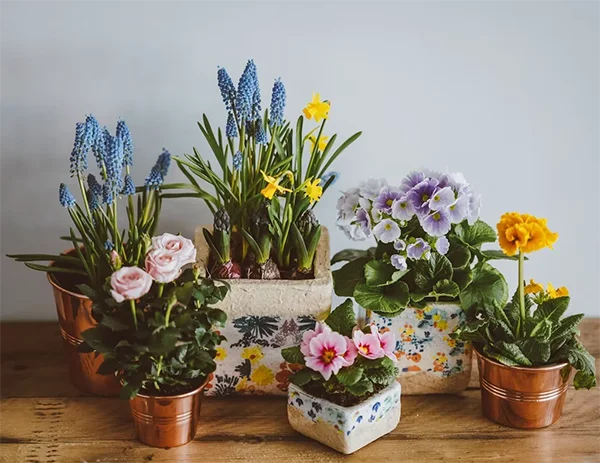
Expert planting guides suggest organizing pot layouts around 3 distinct roles: thriller focal points, filler density, and spiller edges. Incorporating evergreen or colorfully shaded leaves adds distinct interest across fall and winter periods.
Layering taller ornamental grasses in the center surrounded by low flowers creates an eye-catching display. Swapping out seasonal annuals keeps pots looking fresh across changing calendar months.
Groupings of 3 or 5 pots of varying heights create balanced visual weight. Combining soft leaf textures with ruffled greenery adds natural depth to simple setups.
MARKET OUTLOOK
The global indoor plant market size was valued at approximately $21.4 billion in 2025 and is expected to reach around $32.78 billion by 2034, at a CAGR of 4.85%.
Managing Growth and Long-Term Care
Patience remains a central component when waiting for young plantings to fill out empty pots. Letting sufficient room for root systems to expand promotes long-term health, requiring measured patience from gardeners during early growing stages. Roots need room to stretch without hitting plastic boundaries too quickly.
Inspecting soil depth with a finger prevents overwatering mistakes. As for fertilizers, feeding it every 4 weeks during spring supports steady stems and rich leaf color.
Pruning dead leaves stimulates new growth shoots near plant bases. Rotating indoor containers weekly distributes light exposure evenly across all foliage sides.
Seasonal Adjustments for Year-Round Health
Seasonal shifts demand shifts in watering routines and lighting setups. Decreasing water frequency during late autumn aligns with natural dormancy cycles observed in most pot-bound species.
Transferring sensitive outdoor plants inside before the first autumn frost protects stems from freezing damage. Grouping indoor pots elevates relative humidity around leafy branches during winter heating cycles.
Slowly reintroducing pots to outdoor sunlight in spring prevents sunburn on sensitive leaves. Acclimating greenery over 10 days builds resistance against wind and bright UV exposure.
Conclusion
Raising healthy plants indoors or outside becomes easy if you know how to match individual varieties with proper containers and light levels. Small balconies, wide decks, and quiet living rooms all offer suitable environments for greenery. With regular care, proper soil, and thoughtful pot choice, any home can host a thriving personal garden.
FAQs
Can plants grow indoors without sunlight?
What type of soil is best for container plants?
A quality potting mix designed for containers is generally preferable to ordinary garden soil.
How can I grow plants if I have a very small balcony?
Use vertical space with hanging baskets, railing planters, wall-mounted containers, and tiered stands.
Latest Blog