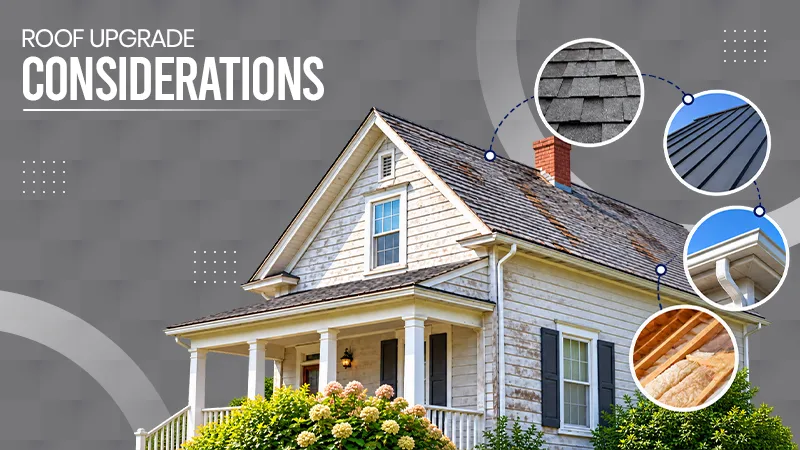
Yes, high winds can lead to leaks, roof shingles and cracked flashing, which can ultimately cause high roof damage.
How High Winds Can Damage Your Roof
Author
Terri SanderLast Update
September 14, 2026
Your roof helps protect your home from rain, hot weather, cold temperatures, and storms. Many people worry about heavy rain or hail, but strong winds can also cause serious damage. You do not need a hurricane or tornado for your roof to be affected. Even normal windstorms can loosen roofing materials, lift shingles, and create small gaps where water can leak into your home.
Wind damage is not always easy to see. Your roof may look fine from the ground, but there could still be hidden damage. Learning how strong winds affect your roof can help you spot problems early and fix them before they become bigger and more expensive.
Table of Contents:
- How High Winds Affect a Roof
- Shingles Can Lift or Blow Away
- Flashing Can Become Loose
- Gutters May Become Damaged
- Falling Branches Can Damage the Roof
- Debris Can Scratch or Break Roofing Materials
- Water Can Enter Through Small Openings
- Older Roofs Face Greater Risk
- Signs Your Roof May Have Wind Damage
- Why Small Problems Should Not Be Ignored
- How to Protect Your Roof from High Winds
- Final Thoughts
- FAQs
How High Winds Affect a Roof
When strong winds blow across your roof, they create pressure that lifts roofing materials. If the wind is strong enough, it can loosen or remove shingles, tiles, flashing, and other parts of the roof.
The edges and corners of a roof are usually the most vulnerable because they experience the highest wind pressure. Once the wind lifts one section, it becomes easier for the rest of the roofing materials to come loose.
Even if the wind does not tear off shingles completely, it may weaken them. Damaged shingles are more likely to fail during the next storm.
Shingles Can Lift or Blow Away
One of the most common types of wind damage involves asphalt shingles.
Once the seal is broken, shingles can:
- Curl upward
- Crack or tear
- Become loose
- Blow completely off the roof
Missing shingles leave the roof exposed to rain and moisture. Water can then reach the roof decking and eventually leak into your home.
Replacing a few damaged shingles with Bowie roof repair can help prevent larger roofing problems later.
Flashing Can Become Loose
Flashing is the metal material installed around chimneys, skylights, roof vents, and roof valleys. Its job is to prevent water from entering areas where different roofing materials meet.
High winds can loosen or bend flashing, creating small gaps where water can seep inside.
Even a tiny opening can allow moisture to enter the roof system. Over time, this can lead to water damage, mold growth, and wood rot.
Gutters May Become Damaged
Strong winds can also affect your gutter system. Flying debris or heavy wind pressure may pull gutters away from the roof or bend sections out of shape.
Damaged gutters cannot properly direct rainwater away from your home. Water may overflow and collect near the foundation or run down exterior walls.
After a windstorm, check your gutters for:
- Loose sections
- Bent metal
- Detached fasteners
- Sagging areas
Keeping gutters in good condition helps protect both your roof and your home’s structure.
Falling Branches Can Damage the Roof
Even a medium-sized branch can crack shingles, damage flashing, or puncture the roof.
Large branches can cause severe structural damage that requires immediate repairs.
Trees that hang over your roof should be trimmed regularly to reduce the risk of storm damage.
Debris Can Scratch or Break Roofing Materials
Windstorms often carry leaves, sticks, tree limbs, and other debris. These objects can strike the roof at high speed, damaging roofing materials.
Debris may:
- Crack shingles
- Chip roof tiles
- Dent metal roofing
- Damage vents
- Block gutters
Removing debris after a storm helps prevent further damage and makes it easier to inspect the roof.
Water Can Enter Through Small Openings
One of the biggest concerns after wind damage is water intrusion.
A roof does not need a large hole to develop a leak. Even a slightly lifted shingle or loose piece of flashing can allow rainwater to enter.
Once moisture gets inside, it can damage:
- Roof decking
- Insulation
- Ceilings
- Walls
- Electrical systems
Leaks often become noticeable weeks or even months after the storm, making it harder to identify the original cause.
Older Roofs Face Greater Risk
Older roofs are generally more vulnerable to wind damage because roofing materials naturally wear down over time.
As shingles age, they become less flexible and more likely to crack or break during strong winds. Nails may loosen, adhesives weaken, and flashing may begin to separate.
If your roof is approaching the end of its expected lifespan, regular inspections become even more important before and after storm season.
Signs Your Roof May Have Wind Damage
Some signs of wind damage are easy to notice, while others require a closer inspection.
Common warning signs include:
- Missing shingles
- Curled or lifted shingles
- Pieces of shingles in the yard
- Loose flashing
- Bent gutters
- Roof debris on the ground
- Water stains on ceilings
- New leaks after a storm
Why Small Problems Should Not Be Ignored
Many homeowners delay repairs because the damage seems minor. Unfortunately, even small roofing Ashburn VA problems can worsen over time.
A single missing shingle may allow water to reach the roof deck. Moisture can spread beneath surrounding shingles, weakening the roof structure and causing mold or rot.
Addressing damage early is usually much less expensive than waiting until larger repairs become necessary.
How to Protect Your Roof from High Winds
While no roof is completely storm-proof, there are several ways to reduce the risk of wind damage.
Schedule Regular Roof Inspections
Professional inspections can identify loose shingles, worn flashing, or other weak areas before storms arrive.
Finding and repairing small issues early helps improve your roof’s ability to withstand strong winds.
Trim Nearby Trees
Branches hanging over your roof increase the chance of impact damage during windstorms.
Regular tree trimming reduces the risk of falling limbs and flying debris.
Keep Gutters Clean
Clean gutters allow rainwater to drain properly during storms. Blocked gutters can cause water to back up under roofing materials.
Removing leaves and debris throughout the year helps keep your drainage system working effectively.
Replace Damaged Roofing Materials
Waiting until the next storm increases the chance of additional damage.
Replacing worn materials also helps extend the life of your roof.
Choose Quality Roofing Materials
Many modern roofing products are tested to withstand strong winds better than older materials, providing greater protection during severe weather.
When to Call a Roofing Professional
After any major windstorm, it is a good idea to have your roof inspected, even if you do not notice obvious damage.
A roofing professional can safely identify hidden issues that may not be visible from the ground. Early repairs can prevent leaks, structural damage, and costly future repairs.
Avoid climbing onto the roof yourself, especially after a storm. Wet surfaces, loose shingles, and hidden damage can make the roof unsafe.
Final Thoughts
High winds can cause more roof damage than many homeowners realize. From lifting shingles and loosening flashing to damaging gutters and letting water inside, even a short windstorm can create roof problems that worsen over time.
Regular maintenance, prompt repairs, and professional inspections are the best ways to keep your roof in good condition. By addressing wind damage early, you can protect your home, avoid costly repairs, and help your roof continue providing reliable protection for years to come.
FAQs
Can high winds cause roof damage?
How to protect your roofs from high winds?
You can use secure shingles and flashing to protect your roof from environmentally caused damage such as high winds or heavy rainfall.
Which roof is best for high winds?
Fibreglass shingles are one of the most widely chosen roofing materials all across the world and are renowned for their quality and roof protection.