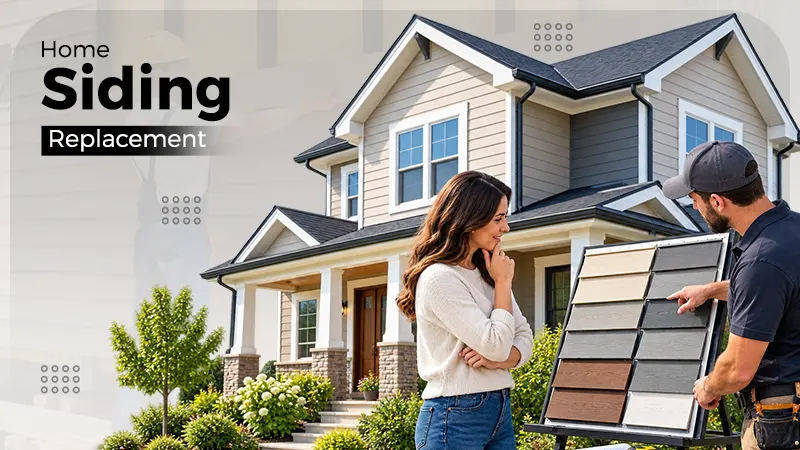
Ask your home sider to do an inspection of your property to look for excessive wear and tear, Punctures and cracks, any siding pulling away from the home, mold, algae, or mildew growth, and pest damage.
What to Know Before You Replace the Siding on Your Home
Author
Swati MishraLast Update
September 17, 2026
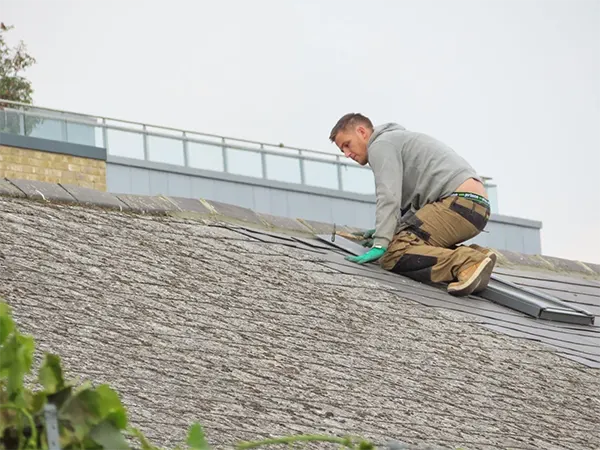
Have you noticed that your house’s exterior has gotten fatigued, has broken parts, or maybe looks too weak to support itself? These are signs it could be the siding. Some houses have to deal with changing weather, humidity, and extreme temperature changes. Slowly, the siding gets damaged and more damaged, and now you have to do a siding replacement. But before that, you must do the appropriate research, like whats is actually involves, what to do and not to do, and how to save your money.
Table of Contents:
- What a Replacement Project Usually Includes
- Why Siding Matters More Than Just Curb Appeal
- Common Siding Materials and What You Can Expect From Each
- Questions You Should Ask Before Signing a Contract
- Timing, Weather, and Budget Realities You Should Plan For
- How to Make the New Siding Last Longer
- Frequently asked questions
What a Replacement Project Usually Includes
A siding replacement project is more than removing old panels and snapping on new ones. A proper checkup job will tell you everything thats what’s happening inside, a nd knowing that will come in handy for you. Think of it less like a style update and more like opening a wall-sized mystery box.
Most projects include:
– the old siding will be removed
– Inspection of sheathing and framing underneath
– damage from water and rot repairs
– Installation of house wrap or weather barrier
– Flashing around windows, doors, and penetrations
– New siding, trim, and finishing details
Also, the contractors must be high quality and capable. siding replacement contractor comparing bids, pay attention to what’s included beyond materials. The line items for moisture protection, trim work, and doing the substrate repair first will be enough to tell you what to do next. Installations or cover-up.
How to Tell When Your Siding Is Past Its Prime
Siding rarely fails all at once. It usually starts with small clues that are easy to ignore; the signs are too small to notice. Notice fading, loose panels, bubbling paint indoors, or higher energy bills; all could be signs of siding issues.
A few warning signs deserve quick attention:
– Pulling away of cracks, wrapping, and panels
– Mold, mildew, or rot near seams and corners
– Increasing the number of repainting or patchwork repairs
– Water stains inside exterior walls
– Drafts near windows and outlets
Older siding can also trap moisture behind the surface. That turns a cosmetic issue into a structural one. If recurring damage just keeps happening after storms or seasonal changes, then it’s time for you to realize that the spot fixes are no longer enough.
Why Siding Matters More Than Just Curb Appeal
It’s easy to think of siding as the outfit your house wears, but it does much more than look presentable. It works like a weather barrier, insulation strategy, and moisture control system. When these things fail, your walls, framing, and even indoor comfort can suffer.
Good siding helps you:
-Provide your house with protection against rain, wind, and pests
– Reduce heat loss during winter and heat gain during summer
– indoor humidity control gets better and is supported
– Lower the chances of hidden rot and mold growth
– Keeps value in a competitive housing market in case of resale
When siding is damaged, water can sneak in where you can’t see it. That’s where things get expensive fast. A project like this can seem just for the appearance, but in actuality it will help increase your home’s durability, efficiency, and long-term maintenance budget.
Common Siding Materials and What You Can Expect From Each
Not all siding materials behave the same way, and picking one based only on color or price can backfire. What you in reality should decide is what fits your climate, maintenance tolerance, and budget without creating headaches later.
Vinyl is affordable and low maintenance, hence the reasons for its popularity. Fiber is pretty tough and often handles harsh weather well, though installation is more demanding. Engineered wood gives you a warmer feeling, but you would be required to do careful moisture management. The classic Traditional wood has charm, but it asks for regular upkeep and doesn’t forgive neglect.
When comparing the options, look for stuff like:
– Lifespan in your local climate
– The moisture and impact resistance
– What will be the required maintenance over time
– Insulation performance
– If a section gets damaged, the repair
The best choice is usually the one that balances performance with the amount of maintenance you’re actually willing to handle.
Questions You Should Ask Before Signing a Contract
A polished estimate can still leave out details that matter later. Before you sign anything, ask questions directly and make sure you have some type of proof in writing. It’s your right to do so. You don’t want to be the person who doesn’t want surprise costs halfway through demolition.
Here are smart questions to ask:
– If some hidden water damage is found, what happens then?
– Which underlayment and weather barrier will be used?
– If permits are required locally, then who manages them?
– How will trim, soffits, and corners be finished?
– Will removal of cleanup and debris be included?
– What warranty covers labor versus materials?
Be careful that if a contractor gets vague when discussing recent projects and proof of insurance, flashing, or moisture management, that’s not a minor detail. The quality of the installation is what exterior work heavily depends on, and the mundane and not-interesting parts of the projects are the basis that protect your house the most.
Timing, Weather, and Budget Realities You Should Plan For
Siding projects look simple on home makeover shows, where everything wraps up in one cheerful montage. Unfortunately, Real life has weather delays, material lead times, and a lot of times a rotten wall section that changes the day’s mood.
There should be something more in budgeting other than the base estimate. Set aside room for unexpected repairs once the old siding comes off. Older homes, especially in wet or freeze-thaw weather, is enough for any devastating problems, failing flashing, or insulation gaps.
A few planning tips help:
– If possible, before the peak season hits, try to get an estimate
– Expect pricing differences based on material type and trim complexity
– Research the best times for color and product line
– Plan for noise, limited driveway access, and debris during the project
– Don’t choose just because of the lowest bids
Cheaper work can become very expensive if water gets behind the system. It’s better to have a realistic budget instead of a so-called “great deal” that you have to redo in a few years.
How to Make the New Siding Last Longer
New siding isn’t a one-and-done feature you forget forever. Even low-maintenance materials benefit from occasional attention. In areas around joints, landscaping, and drainage paths, some upkeep is a great idea, and it goes a long way.
To extend the life of your siding:
– Want the water to drain away nicely? Keep the gutters clean.
– Trim bushes and tree limbs away from the exterior
– Every year, check for flashing and caulking, mainly around the openings
– Wash off dirt, algae, and debris before buildup worsens
– After every major storm or strong winds, always inspect things.
It also helps to watch for signs that have nothing to do with the siding surface itself. Peeling interior paint, musty smells near exterior walls, or unexplained drafts can point to moisture or insulation problems behind the cladding.
Replacing siding is very vital for improving comfort, resilience, and the overall health of your home when it’s done well. If you approach the project with clear questions, realistic expectations, and attention to the installation details and care in every decision, then your house will last a long time and hold up well until the scaffolding comes down.
Frequently asked questions
1-When should I replace my existing home siding?
2-How long does it take to replace my home siding?
Several steps are in order to do a thorough and excellent job for our customers. This includes site inspections, permit applications, and more. Always ask the home siding contractor about the process from start to finish.
3- How to do the maintenance of home siding?
It depends on the type of products you use for your home siding. Some products, such as vinyl and polymer composite, require very little maintenance. Others will provide excellent longevity with some attention, such as repainting every few years or the occasional touch-up.
Latest Blog