The Japanese maple tree is a slow- growing deciduous tree that grows one foot per year. Hence, the plant nurseries have high prices to match the quantity of the Japanese maple trees.
Japanese Maple Trees: Planting And Care of This Landscaping Beauty
Author
Annette HirdLast Update
July 13, 2026
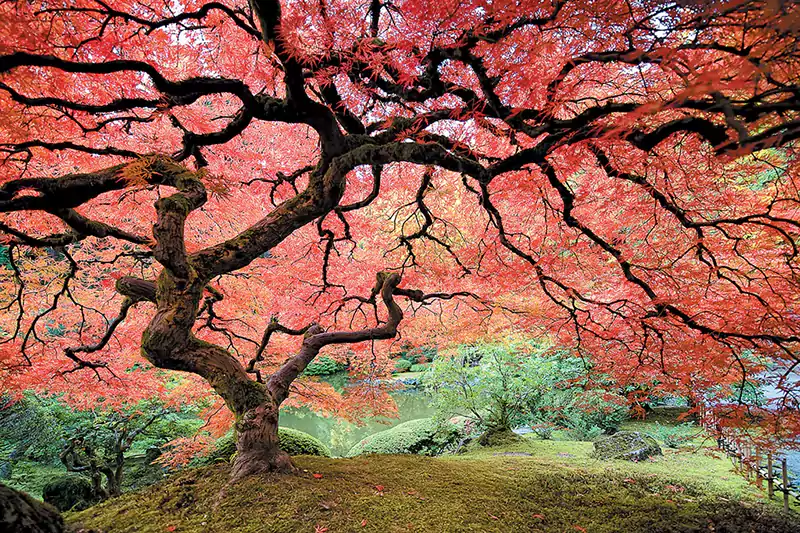
With its colourful foliage enhancing the scenic beauty, the Japanese maple trees, in every sense, are the perfect landscape upgrade your space needs.
Palm-like leaves are a typical garden staple for any preferred layout.
Quite honestly, with so many cultivars and colours that can fit any structure and taste, this deciduous tree has been a gardening retreat that feels like a fulfilling investment and something a gardener enjoys for multiple decades.
If you want to grow your first-ever tree and turn heads, come along and explore this immersive guide about the Japanese maple trees.
Table of Contents:
- What is a Japanese Maple Tree? A Perennial Deciduous Beauty
- What are the Different Types of Japanese Maple Varieties?
- What are the Ideal Growing Conditions for a Japanese Maple tree?
- Can I Grow a Japanese Maple Tree at Home?
- How to Care for Weeping Japanese Maple?
- Pest Infestations and Solutions for the Japanese Maple Tree
- Research and Findings About the Japanese Maple Trees
- Common User Concerns and Solutions About the Japanese Maple Trees
- Concluding Remarks
- FAQs
What is a Japanese Maple Tree? A Perennial Deciduous Beauty
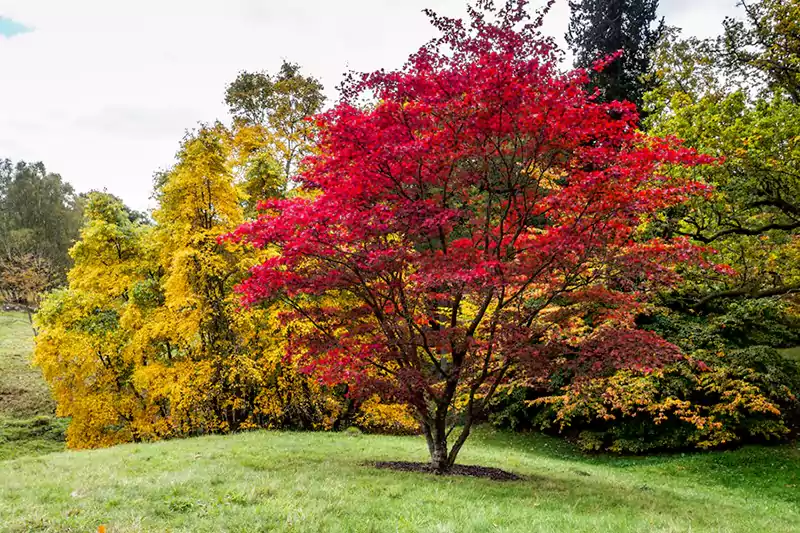
Part of the Sapindaceae family, the Japanese Maple is a deciduous tree like the Cypress tree, which is native to East Asia, that grows up to 30 feet tall and is used for ornamental and landscaping purposes, especially as a bonsai tree.
Interestingly, Dr Carl Peter Thunberg, a Swedish Botanist named the species Palmhand due to the leaves’ resemblance to a human hand. This perennial beauty thrives in moderately cold temperatures, can live up to 100 years or more and changes colour from red, yellow to green with changing seasons.
Grown in various shapes and sizes, this tree can ideally fit all sorts of landscaping and garden styles and is pretty easy to grow as well.
However, before diving into that, take a look at the taxonomy of the Japanese Maple trees:
 | |
| Botanical name | Acer palmatum |
| Kingdom | Plantae |
| Division | Magnoliophyta |
| Class | Magnoliopsida |
| Order | Sapindales |
| Family | Sapindaceae |
| Genus | Acer L. |
| Species | Acer palmatum Thunb. |
What are the Different Types of Japanese Maple Varieties?
With over 1,000 types of Japanese maple trees, all the cultivars are differentiated on the basis of their growth habit and leaf colour, similar to the types of lettuce.
Here is a list of the different types of Japanese maple trees grown popular around the world:
| Image | Name and Description |
 | Bloodgood Botanical name: Acer palmatum ‘Bloodgood.’ Group: Red Japanese Maple Tree Leaf colour: Deep purple/ Magenta Size: Up to 20 feet tall Growth habit: Upright |
 | Osakazuki Botanical name: Acer palmatum ‘Osakazuki.’ Group: Green Japanese maple Leaf colour: Green Size: 15-25 feet Growth habit: Upright |
 | Crimson Queen Botanical name: Acer palmatum var. dissectum ‘Crimson Queen.’ Group: Weeping Japanese Maple Leaf colour: Burgundy Size: 10-12 feet Growth habit: Weeping |
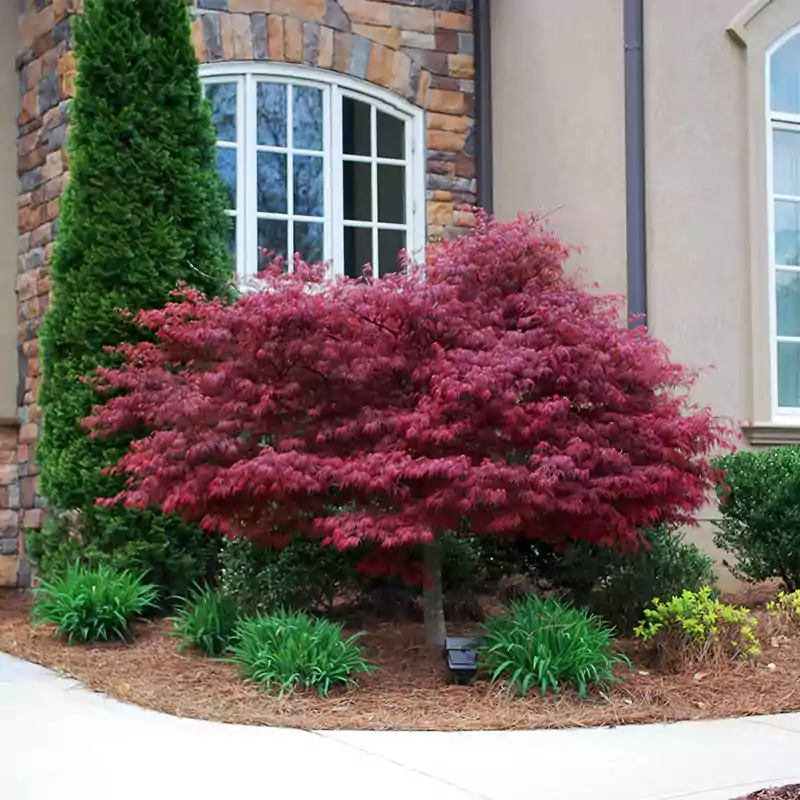 | Red Dragon Botanical name: Acer palmatum var. dissectum ‘Red Dragon.’ Group: Red Japanese maple Leaf colour: Burgundy Size: 10-12 feet Growth habit: Mounded |
 | Tamukeyama Botanical name: Acer palmatum var. dissectum ‘Tamaukeyama.’ Group: Red Japanese maple Leaf colour: Red/ Dark purple Size: 10-12 feet Growth habit: Mounded |
 | Green Cascade Botanical name: Acer japonicum ‘Green Cascade’ Group: Japanese Green Maple Leaf colour: Bright green Size: 6-10 feet Growth habit: Mounded |
Did you know?
Not just an autumn garden beauty, the Japanese maple leaves are also fried and served as a delicacy in Japan.
What are the Ideal Growing Conditions for a Japanese Maple tree?
The best time to plant the Japanese maple tree is early spring, and always select a shaded area as they require filtered sunlight, similar to the Kalanchoe plant.
As per Yahoo, the Japanese maple is the perfect plant for beginners, and if you are one, take a look at the growing requirements for the japense maple:
| Planting time | Early spring |
| Soil type | Sandy loam, well-draining and slightly acidic soil |
| Sunlight | 4-6 hours of morning sun and protection from the afternoon sun |
| Water | Thrice a week during the growing stage |
| Fertiliser | Rare requirement, but an organic fertilizer with a 4-3-4 NPK ratio would work perfectly. |
Can I Grow a Japanese Maple Tree at Home?
Yes, growing the Japanese maple trees, whether in containers or in the soil directly, is possible without the need for large and expensive equipment.
Always remember the best way this deciduous tree can be grown is through transplants and not seeds. Here is my tried and tested planting guide that never disappoints:
- Purchase the preferred cultivar transplant and research the sunlight requirements to avoid future damage.
- Dig a hole twice as large as the rootball of the transplant but only about ⅔ as deep.
- Carefully place the tree in the hole and fill it back with the soil, ensuring the rootball is not too deep in the soil, as that can suffocate the roots.
- Water the Japanese maple plant 2-3 three times per week during the growing stage.
- Feed the plant once with an organic fertilizer in early spring in the second year when the leaves start to emerge.
Also read: How Do Pineapples Grow: Planting, Care, and More About this Tropical Treasure.
How to Care for Weeping Japanese Maple?
The Japanese maple trees grow at a rate of 1 foot per year and hence, do not require regular maintenance.
For the best Japanese maple care, make sure all the growing requirements are met perfectly, along with the points discussed below:
| Care Step | Image | Importance |
| Sunlight | 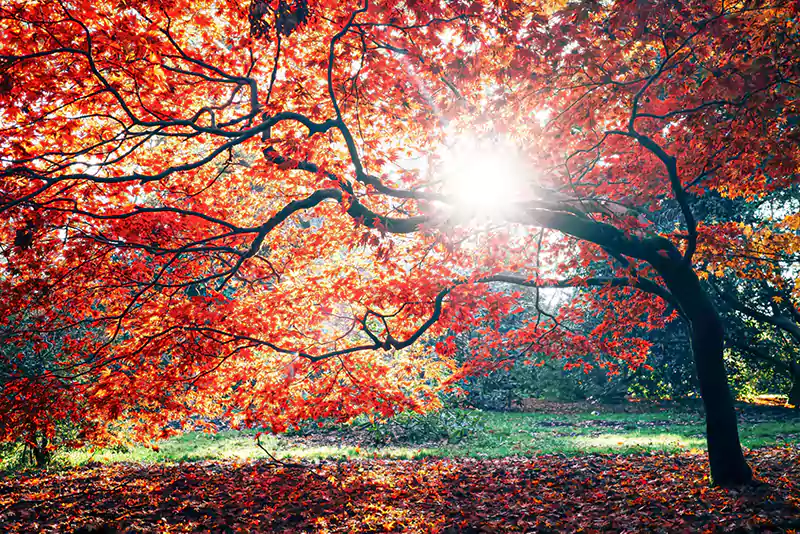 |
|
| Watering |  |
|
| Pruning | 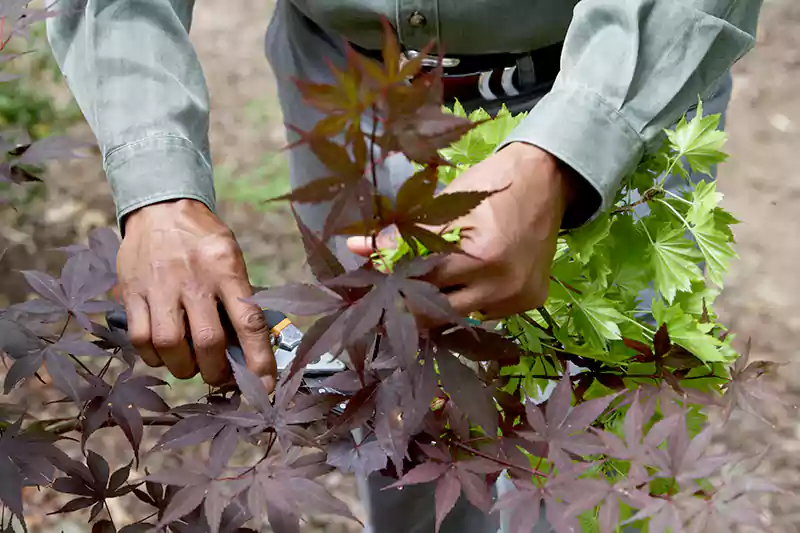 |
|
| Staking |  |
|
Staking refers to supporting a cascading variety, the Weeping Japanese acer in this case, to grow upright using a wooden stake or bamboo.
Pest Infestations and Solutions for the Japanese Maple Tree
Although really low-maintenance, many pests can pose a threat to this perennial tree.
Take a look at the different pests that can harm the Japanese maple tree, with the advised solutions:
| Pest | Image | Issue and Solution |
| Japanese Maple Scale | 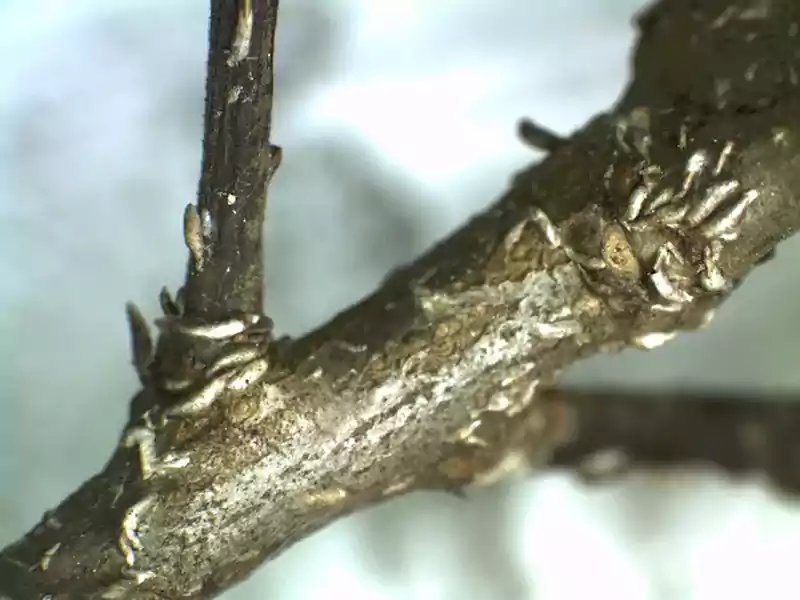 |
|
| Aphids | 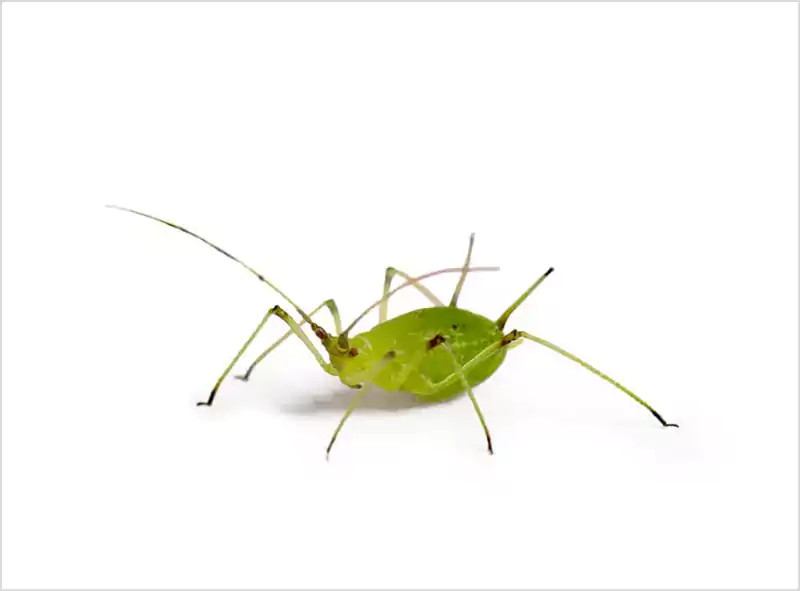 |
|
| Japanese Beetles | 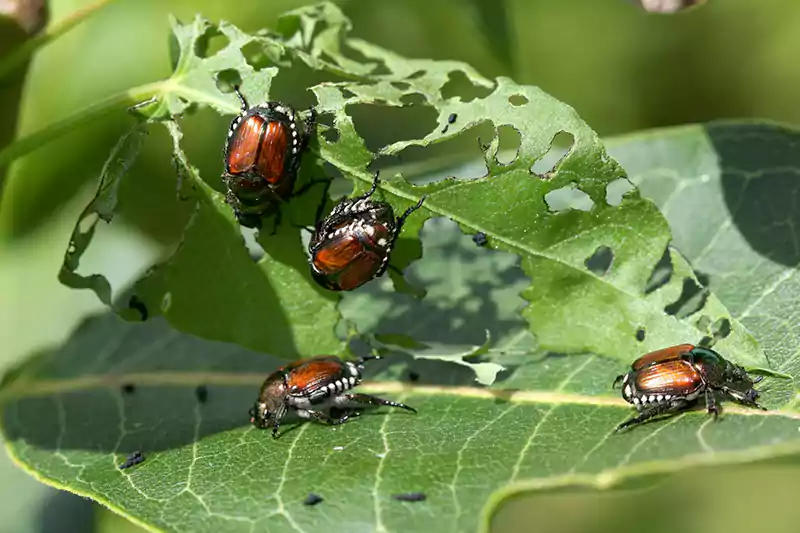 |
|
Research and Findings About the Japanese Maple Trees
The Japanese maple has been a part of medical research for its antioxidant effects for a long time, and apart from the ecological benefits of planting it, I came across some medical ones as well.
Hence, the following research paper discusses the medical potential of the Japanese maple leaves:
| Research summary box Study year: 2022 Aim: To assess the antioxidant properties of the different coloured leaves of the Japanese maple. Sample type: Leaf extracts of the red, green and yellow varieties of the Japanese maple Key findings: Analyses of the antioxidant properties using four methods:
The phenolic and flavonoid content was much higher in the red leaves than in the others. In addition, the metabolites of these extracts were assessed using chromatography, and the results varied for different colours. To conclude the research, it was established that the red maple leaf extracts can be a potential source for antioxidants in pharmaceuticals. Source: National Centre of Biotechnology Research |
Fun Fact
According to the ASPCA, the Japanese maple tree is non-toxic for cats and dogs but can be dangerous for horses.
Common User Concerns and Solutions About the Japanese Maple Trees
Growing a japense maple can be a test of patience and leave you with questions that seem to have no answer.
While scrolling through Reddit, I encountered various gardening queries about this tree that every gardener has.
Here is a curated list of the most common queries with simple answers:
- Is something wrong with my Japanese Maple?

- The Japanese maple tree in the picture is likely stressed due to environmental factors like sunlight or water.
- Although it can be normal, I would suggest adding a layer of mulch to retain moisture, but keep it away from the trunk to avoid root rot.
- Also, avoid fertilizing and pruning as that can shock the plant.
- Make sure the tree is watered consistently, and the top 2 inches of the soil are not dry.
- Is more Japanese maple too close to the house?

- No, the placement of the Japanese maple is perfect, as it has a shallow root system and would not cause any harm.
- I would advise pruning the tree a little bit for a better structure; other than that, no changes are required.
- Just make sure it is not too close to the foundation and the pathway, as that can cause safety concerns.
- How would you proceed with this weeping Japanese maple?

- The placement of this weeping Japanese maple is incorrect and too close to the pathway.
- As it is a weeping variety, it can cause destruction and damage to the people walking by and can also be harmful for the plant itself.
- My suggestion would be to move the plant to a better location without any barriers.
Concluding Remarks
The Japanese maple tree was the first tree I ever planted. If I am being honest, it was way more rewarding than I ever thought it would be.
Yes, it takes a little while to get the desired result, but the wait is always worth it.
Although planting and care are relatively easy, I have seen young gardeners struggle with maintaining the Japanese maple, and my one piece of advice would be, ‘less is more’. Hence, do not go overboard with any care tips, especially fertilizers, and you will not have a complaint ever.
Happy planting!
FAQs
Why are Japanese maple trees expensive?
How tall does the Japanese maple tree get?
The height of the japense maple depends on the variety, but most of the cultivars grow up to 30 feet tall.
Why is it named Lions Head Japanese Maple?
The wrinkled and densely packed leaves of this cultivar resemble the lion’s mane, and hence it is named the Lion Head Japanese maple.
What does the Japanese maple tree signify?
The Japanese maple tree’s meaning is associated with the idea of peace, balance, and the changing nature of life( its leaves change colour every season).
Are there any disadvantages of growing Japanese maple trees?
The Japanese maple does not have any major setbacks, but minor issues can include constant protection from the sun’s heat, weak branches and a really slow growth rate.
Source:
Latest Blog