Ans: Foenegriek is correctly pronounced as fenugreek. It is one of the spices and vegetables used across cultures in different parts of the world.
Foenegriek: Benefits, Growing Tips, and Ideal Growing Conditions
Author
Rashika GuptaLast Update
September 30, 2026
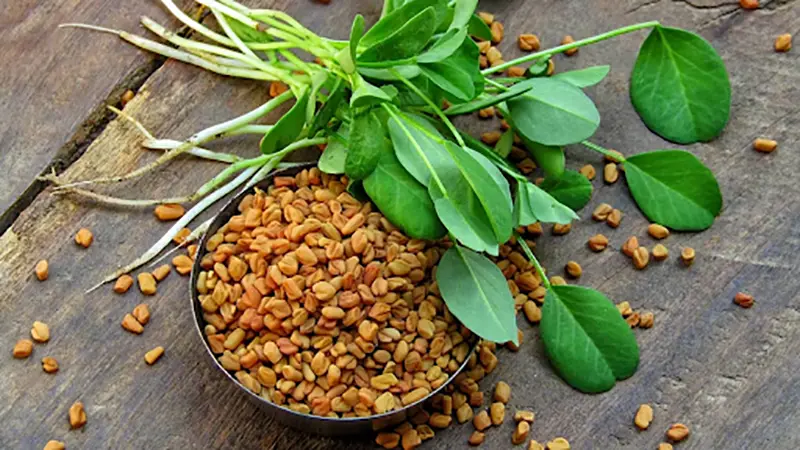
Foenegriek or fenugreek is a plant associated with wellness and tradition. It has been valued across Asia, Europe, the Middle East, and North Africa for its herbal remedies.
Fenugreek, or foenegriek, seeds are slightly bitter, warm, nutty, and sweet-aromatic. The fenugreek leaves are directly consumed as a vegetable and are also dried, which helps to get a gentle depth to curries and other dishes. Let’s dive into the benefits, ideal growing conditions, and growing process of foenegriek.
Table of Contents:
Taxonomy, Nutritional Values, and Benefits of the Foenegriek
Foenegriek is a medicinal plant with around 260 species worldwide. For more general information, take a look at its taxonomic overview –
| Botanical name | Trigonella foenum graecum |
| Kingdom | Plantae |
| Family | Fabaceae |
| Genus | Trigonella |
Nutritional Values of Foenegriek
Foenegriek is packed with the essential nutrients that contribute to health benefits. Here are some of the nutrients that are found in foenegriek-
| Nutrients | Quantity per 100 grams |
| Calories | 323 kcal |
| Protein | 23 g |
| Carbohydrates | 58 g |
| Fiber | 25 g |
| Fat | 6 g |
| Iron | 33 mg |
| Magnesium | 191 mg |
| Manganese | 1.2 mg |
| Vitamin B6 | 0.6 mg |
Benefits of the Foenegriek
Enriched with numerous medicinal properties, here are some benefits of the foenegriek-
- Fenugreek seeds are rich in fiber, which helps in good digestive health. Soaking foenegriek at night in water and consuming it in the morning eases mild digestive discomfort.
- Foenegriek is one of the best sources of balancing blood sugar levels. It can be helpful in controlling blood sugar levels in the body.
- In several cultures, foenegriek has been used in postpartum recovery, supporting appetite and recovery. There are not many scientific studies associated with the same; one is advised to consult their doctor before consumption.
- It helps in improving cardiovascular health by lowering cholesterol absorption in the intestine.
- The seeds are also effective in weight loss by suppressing appetite, which reduces hunger cravings.
- Foenegriek is a good choice for people with inflammatory conditions as it helps in reducing pain and swelling and aids joint health.
- It is popular among people for better skin health as it has antibacterial properties, which help treat pimples and acne, reduce skin irritation and redness, and give glowing skin.
- Foenigriek is protein rich that helps in strengthening hair roots, reduces dandruff, prevents hair loss, and makes your hair shine.
Read more: Dracaena Lemon Lime: Growing Conditions, Care Measures and Common Pests and Diseases
Ideal Growing Conditions for Foenegriek
Growing fenugreek is slightly easier as the plant shows adaptation to local conditions.
Let’s see the ideal growing conditions they need in detail –
| Hardiness zones | USDA Zone 9 – 11 |
| Sunlight Requirements | Bright, full sunlight |
| Soil |
|
| Water Requirement | Make sure to water the plant consistently. But do not overwater the plant, as it can rot the plant roots. |
| Season of Interest | Summer and winter |
| Days of maturity | Around 30 days |
| Planting depth | ¼ |
| Plant spacing | 5 to 6 inches |
| Growth habit | Upright towards the sun |
| Colour | Dark green leaves with yellow and white flowers |
| Harvesting | The plant leaves can be harvested approx. 30 – 35 days from sowing. Snip off ⅓ of the stem as it lets the plant continue to grow. Further, you can harvest the leaves in the time period of every 15 to 20 days. |
Read more: Pencil Cactus Care Guide: Growing Conditions, Propagation and Common Problems
How to Grow Foenegriek?
If you are planning to grow a fenugreek plant, here are some simple steps that you can follow-
- Get the seeds from any plant shop nearby.
- Directly sow the fenugreek seeds in compost-rich, well-drained soil at a distance of around 5 to 6 inches.
- Do not put the seeds much deeper into the soil.
- Water the seed every day.
- You will observe that fenugreek will soon (in about 4 to 5 days) start germinating.
- Wait until 30 days to harvest the foenegriek leaves. Cut around ⅓” of the stem so that the plant can regrow leaves that can be further harvested in around 15 to 20 days.
- To harvest seeds, make sure you plant flowers and set seeds.
- Pull the plant from the roots when the small pods turn yellow.
- Once the pods are completely dried up, gather the seeds into a container.
Quick tips-
For the plant to grow properly-
- Make sure to place the seeds in a perfectly bright area with partial shade.
- Sow the seeds between April and early June.
- Avoid fertilizing the fenugreek plant with nitrogen, as it attracts nodule bacteria.
Read more: How To Grow Mint Indoors? From Cultivation to Care Guide and Popular Recipes
Final Thoughts
Foenegriek plant is enriched with nutrients and has a long record of cultural importance. Including foenegriek in your diet can help you with controlled sugar levels, better digestion, and is also considered to be beneficial for postpartum recovery in pregnant women.
Its strong character makes it valuable for cooks and herbal enthusiasts. Include foenegriek in your diet today and see the health benefits in the long run.
FAQs
What is foenegriek?
What is the ideal temperature for the Foenegriek?
Ans: Fenugreek thrives best in moderate temperatures between 15 degrees Celsius and 29 degrees Celsius.
Is fenugreek bitter in taste?
Ans: Yes, foenegriek is nutty and slightly bitter in taste.
What are the best ways of incorporating foenegriek in your diet?
Ans: You can use both foenegriek seeds and leaves. Foenegriek leaves are often used to make vegetables and paranthas. The leaves are also dried up and used in curries to enhance their flavours and aroma. Foenegriek seeds can be soaked in water and consumed on an empty stomach in the morning.
Can foenegriek be consumed every day?
Ans: Yes, many people use foenegriek regularly in small amounts.
Latest Blog