Bring paint and flooring samples to the stone yard. View full slabs in natural light to see how colours really look in your space.
Tips for Choosing the Perfect Granite Countertop for Your Kitchen
Author
Rashika Gupta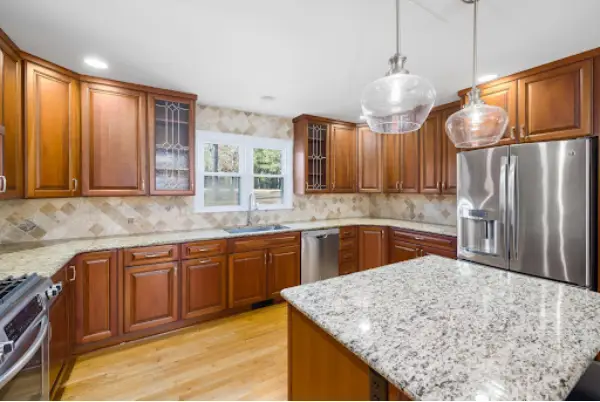
Remodelling your kitchen can definitely feel exciting, but with so many choices available, finding the proper countertop can actually feel overwhelming. To simplify the process, granite stands out as a perfect option for many reasons. It’s beautiful, tough and unique.
But the perfect execution relies on choosing it wisely. This includes matching the style, testing how it handles real-life messes, and knowing what care it needs.
To make the process simpler, explore tips to choose the perfect granite countertop for your kitchen.
Table of Contents:
Why Homeowners Love Natural Stone
Before looking at exclusive selection tips, it helps to know why this cloth stays so popular across generations. Granite is an igneous rock that evolved over millions of years deep inside the earth. Heat and maximum pressure forge a dense stone with a strange granular pattern.
Because nature forms each slab, no two pieces ever look the same. When you select this material, you receive a unique slice of natural history for your home. The rich colors and deep patterns cannot be topped by synthetic factory materials.
This natural difference gives your kitchen a custom feel that distinctly stands out from other homes. Beyond its stylish charm, stone brings natural warmth, real character, and lasting energy to your typical living space.
Also, explore key layout strategies for a highly functional modern kitchen.
Matching Your Style and Home Decor
Your kitchen demonstrates your personal style, so your surfaces must correlate with your aesthetic vision. When you discuss styles, think about how slab colors and patterns work with your cabinets, walls, and flooring. Natural stone is available in a vast array of shades, from crisp whites and stark blacks to warm earth tones and rare blues. As you explore granite countertops, you will notice three main categories of visual patterns: solid, speckled, and marbled.
Solid patterns have light color changes, making them preferable for simple modern kitchen spaces. Speckled designs feature small mineral specks that bind several room colors together perfectly. Marbled styles contain long flowing veins that add intense motion and elegance to the huge room.
Always carry cabinet finish samples with you when visiting a local stone yard. Witnessing these materials together in real light helps you pick the right match for your room. Taking time to test product samples ensures your final suggestion matches your overall vision.
Testing Durability for Daily Cooking Tasks
Homeowners routinely choose this natural stone because it deals with daily kitchen wear and tear so well. Busy kitchens require sharp knives, heavy cookware, and hot pots every single day. For the most part, this dense stone withstands scratches and heat exceptionally well. You can place warm pans right on the surface without causing recurring damage or burn marks. Cutting foods neatly on the stone surface is possible, although using cutting boards keeps your chef knives pristine over time.
This acquired strength makes the material a great choice for active home cooks who need a tough workspace. Still, no natural material is perfectly immune to accidental damage. Heavy tools placed on slab edges might chip the corners over time. When you measure long-term durability across various surface variants, this stone typically stays near the top of the list.
Easy Steps for Routine Stone Care
While this surface is exceptionally tough, keeping it clean involves basic care routines over time. Natural stone is generally porous, meaning unsealed surfaces can contain liquid spills and form dark marks.
To protect your investment, you must apply a strong liquid stone sealer. The sealer forms an unseen shield that blocks water, oil, and food stains. You will usually need to replenish this protective sealer every one or two years. Light stone colors are often more porous, so they require sealer more often than dark stone.
Daily cleaning feels simple for most home cooks. Avoid using harsh chemical sprays or acidic cleaners that strip away the thick sealer layer. Instead, wipe the coating using warm water, mild soap, and a soft cloth. This simple daily procedure keeps your natural stone shining bright for several years of family use. Dedicated care preserves both the color and the smooth surface of your stone.
Smart Buying Tips for Your Project
Planning mitigates costly mistakes during your installation day. Use these clear outlines when shopping for your new stone:
- View all your stone slabs directly.
- Combine colors with cabinet doors.
- Pick safe concave edge shapes.
- Check sealing needs before placing an order.
- Hire experts for stone setup.
- Install the sealer every single year.
Choosing Edge Options and Surface Finishes
The shape of your stone edge drastically influences the overall look of your kitchen workspace. Edge styles vary from simple flat cuts to rich curved traditional shapes. A soft rounded bullnose edge performs well for homes with young children because it erases sharp corners. A slanted bevel edge brings a neat modern touch to your cabinet design. Utilizing the right edge profile helps organize your kitchen layout with ease.
The surface finish also affects how the stone looks and feels in your home. A diamond-like finish gives a glossy look that scatters light and wipes clean easily. A honed finish offers a smooth matte surface that covers fingerprints exceptionally well. Leathered finishes add a textured feel that imparts rich depth to darker stone slabs. Choosing the right finish pairing completes your overall kitchen design.
Also, explore the benefits of working with a kitchen designer.
Conclusion
In the end, granite countertops provide a mix of timeless beauty with routine strength—making them a smart and effective choice for any kitchen. The central part is to understand your choice and invest some time to choose a matching option accordingly. Compare colours, finishes and edge styles.
This way, when the decision is made after the right inspection, your new countertop will not just look spectacular, but also become a favourite spot for meals, memories and all.
FAQs
How do I match granite to my kitchen style?
How often does granite need sealing?
Usually, it needs resealing every 1-2 years. Lighter colours may need resealing earlier.
What is the best way to clean granite?
Use warm water, mild soap, and a soft cloth. Avoid harsh cleaners; they can dull the surface over time.