There is no single best way. The best approach is to find the right suitable methods, such as savings and rebates.
How to Fund Sustainable Upgrades for Your Home
Author
Rashika GuptaUnlike the traditional mindset, modern homeowners actually want to go green and adopt sustainable approaches. The reason is not just to lower environmental waste but also to save money.
Yes, using sustainable upgrades effectively leads to lower energy bills and improved comfort. To use modern upgrades under budget, homeowners can use a mix of rebates, tax credits, savings and more.
To discover various options and choose the right one, keep reading to find suitable sustainable upgrades for your home.
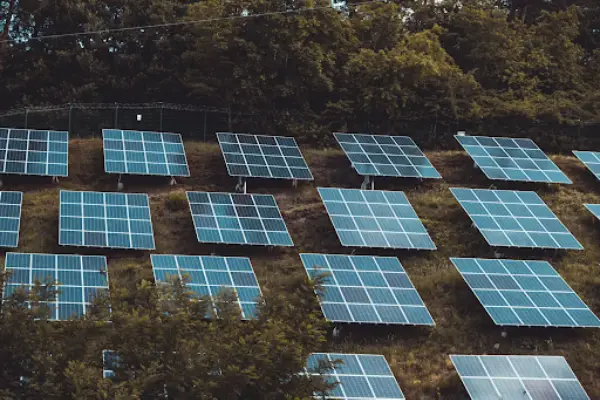
Table of Contents:
- Evaluating Your Home Improvement Priorities
- Smart Financial Strategies for Homeowners
- Federal Efficiency Rebates for Residential Buildings
- Tax Credits for Energy-Efficient Upgrades
- Municipal Grants and Local Support Programs
- Low-Interest Financing and Green Loans
- Maximizing Long-Term Investment Returns
- Conclusion
- FAQs
Evaluating Your Home Improvement Priorities
As a first step, find energy loss points in the building. This serves as a foundation for every structural project. To identify heat escapes and electricity loss points, homeowners can also prefer an audit.
Professional auditors use thermal imaging cameras to locate invisible insulation gaps in walls and ceilings. Audits highlight high-impact areas like leaky windows, outdated HVAC units, or thin attic insulation.
Investing in repairs can stretch the budget. Rather, address air leaks around the attic and more to see an instant reduction in bills without minimum upfront costs.
Complex projects like solar panel placement or heat pump installation require deeper capital planning and higher initial outlays. Tackling minor sealings first creates immediate utility savings that help fund larger retrofits later.
Smart Financial Strategies for Homeowners
To manage required investment, compare renovation requirements with the savings available. Discover affordable eco-friendly home tips to learn easy ways to manage budgets without sacrificing material quality. Adding financing options to present savings can also serve as a great option.
Comparing short-term funding choices with long-term energy savings protects monthly cash flow. Credit cards offering cash-back rewards cushion initial material purchases at hardware stores.
Using gains on sealant tubes and smart thermostats provides micro-rebates. Also, settle down balances to avoid high interest charges. It may affect your projects eventually.
Also, learn how roof and siding upgrades transform curb appeal.
Federal Efficiency Rebates for Residential Buildings
Federal agencies offer direct financial support to lower project costs for homeowners across the nation. According to federal energy documentation, Home Efficiency Rebates allow property owners to save up to $8,000 based on household income tiers and total projected energy savings.
Similar to heat pumps and modern electrical panels, direct savings affect mechanical retrofits. Verifying the same from an energy audit can serve as an effective incentive.
Income qualifications determine maximum benefit amounts for participating households. Lower-income families receive maximum reimbursement rates for basic envelope upgrades like insulation and window sealing.
Mid-income tiers are easily eligible for major discounts on appliances and more. Check income brackets and apply for the maximum rebate possible. Some include high-efficiency heat pump installation rebates and insulation sealings to cut draft points in the house.
Contractors must register with state energy offices to process rebate paperwork correctly. Working with certified installers guarantees compliance with federal efficiency guidelines and local building codes. Homeowners should verify contractor credentials before signing purchase contracts. Proper paperwork submission prevents delays in receiving rebate payments.
Tax Credits for Energy-Efficient Upgrades
Invest in smart energy upgrades and enjoy lower annual tax liabilities. An energy program shared that homeowners can get a tax credit worth 30% of the cost of upgrading the efficiency of a building’s envelope.
Above this, direct incentives serve elements like Energy Star windows and attic insulation. Utilizing these promotions minimizes the total federal income tax owed dollar-for-dollar.
Filing tax paperwork requires keeping detailed receipts and product certification labels. Taxpayers claim credit savings on annual federal tax filings using dedicated tax forms provided by tax authorities. Claiming credits reduces dollar-for-dollar tax liabilities directly at year-end. Maintaining organized receipts guarantees smooth tax filing processes without audit delays.
Municipal Grants and Local Support Programs
Governments often provide local grants to boost clean energy adoption in residential zones.
A city government initiative highlights that resident grants range from $5,000 to $15,000 depending on household income. Local programs help bridge funding gaps for major home transformations. Combining municipal grants with federal programs maximizes total financial assistance.
Local climate goals are targeted by community savings. During the calendar year, local sustainability offices distribute funding to deserving applicants.
Program funds operate on limited annual allocations, making early application submission necessary. Applying early in the fiscal year increases the chances of securing grant funding before funds run out.
- Local window replacement grants for older home stock
- Municipal weatherization support for income-qualified residents
- Local solar panel installation incentives for residential roofs
Low-Interest Financing and Green Loans
Special financing products help even when budgets are low. Green banks and credit unions provide such loans with low interest rates.
Defined monthly payments divide large investments into smaller ones. Also, unsecured loans are approved without a home equity appraisal.
Equity-based financing options allow property owners to borrow against accumulated home value.
Home equity lines of credit offer flexible withdrawal terms for phased construction projects. Borrowers must evaluate interest rate terms carefully before committing property collateral. Borrowing against home equity typically provides lower interest rates than unsecured personal loans.
Maximizing Long-Term Investment Returns
Upgrading home efficiency delivers ongoing financial returns long after initial installation work finishes. Monthly utility bill reductions free up discretionary income for other household expenses.
Property market value can be increased with effective ratings. Modern energy efficiency serves as an effective appeal to buyers looking for low operating costs.
Routine maintenance protects green equipment investments from premature mechanical wear. Replacing air filters regularly keeps heat pumps operating at peak efficiency levels throughout seasons.
Right care avoids extra repair bills and keeps manufacturer warranty coverage intact. And professional inspection increases working life effectively.
Tracking monthly power bills validates financial returns on completed eco upgrades. Noting down decreases in bills shares precise data related to return on investment.
Also, explore 6 roof material upgrades that boost curb appeal.
Conclusion
At the end of the day, funding a more energy-efficient home does not necessarily mean paying the full cost upfront. Rebates, tax credits, local programs, savings, and other green financing options can be used by homeowners to enjoy huge upgrades at low cost.
Simply begin the journey by identifying the improvements that will have the major effects. After this, do strong research before hiring a contractor. Above all, a bit of planning can make sustainable upgrades easier on both the home and budget.
FAQs
What is the best way to fund energy-efficient home upgrades?
Are there tax credits for sustainable home improvements?
Yes, certain energy-efficient improvements may qualify for federal or other tax incentives. Check eligibility before starting a project.
Are green home improvement loans worth considering?
They can be great when savings are less to manage upfront costs. Compare interest rates, fees, and the expected energy savings.