Most garden plants need water when the top layer of soil starts to dry out. How often you water depends on the weather, soil type, and the needs of each plant.
How to Build a Smarter Garden Watering Routine
Author
Rashika Gupta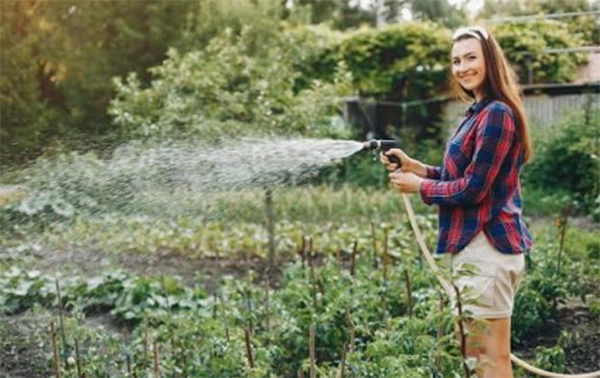
Watering plants may seem easy. Just pick up a hose, turn on the tap, and water the soil till the time it looks wet. But more often, tomato plants still hang, and flowers start to dry out even when you water them every once in a while.
This happens because healthy plants need water to reach their roots, not just wet soil on the top. With just a simple watering routine, you can help your plants grow better, keep your garden healthy, and save water without making extra work for yourself.
Table of Contents:
Soil Mechanics and Deep Hydration
Most plant roots sit four to twelve inches below the surface. Quick surface watering scatters the water and the top layer of dirt, but heat and wind evaporate that moisture before it goes deep. This leaves plants with shallow roots, making them extra sensitive to hot and dry weather.
Different types of soil take in water in different ways. Clay soil can hold water for a long time, but it may take longer to soak up a large amount of water at once. Sandy soil, on the other hand, lets water pass through quickly, so it may need to be watered more slowly and every once in a while to keep the roots moist.
Deep, slow watering helps roots to push downward into cool, moisture-retentive ground. A simple test is pushing a small wooden log or your finger two inches into the soil. If it feels dry, your garden needs a solid soak of water. You should then focus your attention on the soil line right around the root base rather than soaking leaves, which cuts down on powdery mildew and other fungal outbreaks.
Equipment Choices for Precision Watering
Strong water sprays can wash away soil, expose young roots, and break thin stems. Simple garden tools make the water flow gently, helping it soak in without making the soil too hard.. Learning how to select the best watering wand will help you know the key details like flow-control valves, total reach, and spray pattern options before spending money.
Opt for lightweight aluminum shafts paired with leak-proof brass fittings. A thumb control lets you adjust the water flow right away, making it easy to switch from watering large shrubs to gently spraying young flowers without having to walk back to the tap. Variable spray patterns—such as soft shower, fan, and full soak—allow you to customize the spray for every plant category in your yard.
Tailoring Care for Containers and Raised Beds
Raised garden beds and pots on the terrace need a little extra care when it comes to watering. Plants in pots can dry out faster because air can reach the soil from the sides, which causes it to lose water more quickly, and the container walls heat up the potting soil on sunny summer afternoons.
To fix dry soil, use a light shower to soften the top crust, wait for two minutes, and then water again. Continue until water flows steadily from the bottom drainage holes. This flushing and deep watering prevents fertilizer salts from building up, washes away the extra fertilizer salt, and makes sure that the soil in all the pots gets the required amount of water.
Managing Overhead Baskets and Deep Garden Borders
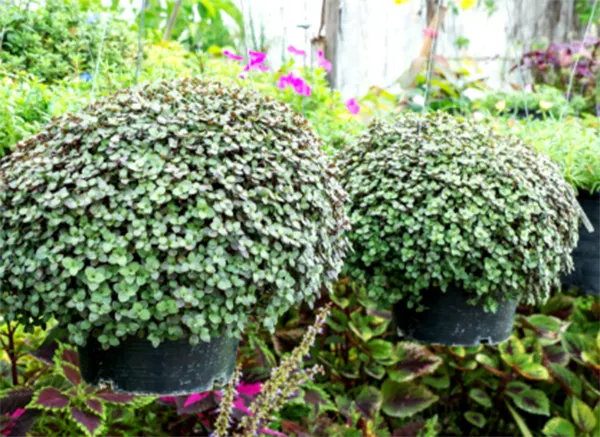
Watering the hanging pots and large flower beds can be hard work. Lifting a stiff garden hose over your head makes it hard to see where the water is going, which can wash soil out of the pot or miss it completely. Using a well-balanced garden hose wand gives you extra reach so you can place gentle water flows directly into hanging pots without scattering dirty water on leaves or needing a footstool.
In wide garden beds, extra reach prevents step-in damage. Walking on wet soil makes it hard and pushes out the air that plant roots need to stay healthy. A longer reach lets you water tall flowers and climbing vegetables in the back row while standing safely on the path nearby.
Timing and Protection Strategies
Early morning is the best time to water your garden. The air is cool, the wind is light, and plants have enough time to take in water before the day gets hot. Any water that lands on the leaves also dries quickly in the morning sun, helping lower the risk of plant diseases. Watering leaves at night leaves them wet for eight to ten hours, which creates optimal conditions for fungal spores and attracts lawn pests like snails.
Combine early morning waterings with a two-to-three-inch layer of organic mulch across your garden beds. Shredded bark, clean straw, or aged compost shields soil from direct sunlight, maintains steady root temperatures, and drastically reduces surface evaporation. Mulch also breaks the impact of heavy droplets, keeping your soil soft and porous over time.
Developing Lasting Garden Habits
A healthy garden depends on practical habits and correct delivery methods. By focusing on root depth, choosing tools that give you exact pressure control, and adjusting your watering time to match weather patterns, you give your plants the best environment to grow. Pay close attention to how your soil absorbs and reacts to moisture, use tools that cut down physical strain, and enjoy a lush, vibrant landscape all season long.
FAQs
How often should you water your garden plants?
What is the best time to water plants?
Early morning is usually the best time to water plants because the soil can soak up water before the day gets hot. It also gives leaves time to dry if they get wet.
How can you tell if your plants are not getting enough water?
Plants may have drooping leaves, dry soil, or brown edges on their leaves. Check the soil near the roots before watering, as too much water can also cause plants to droop.
Latest Blog