Typically, ornamental grasses are cut in early spring or fall.
Ornamental Grass: How to Grow, Care, and When to Cut?
Author
Rashika GuptaReviewed By
Cody Allison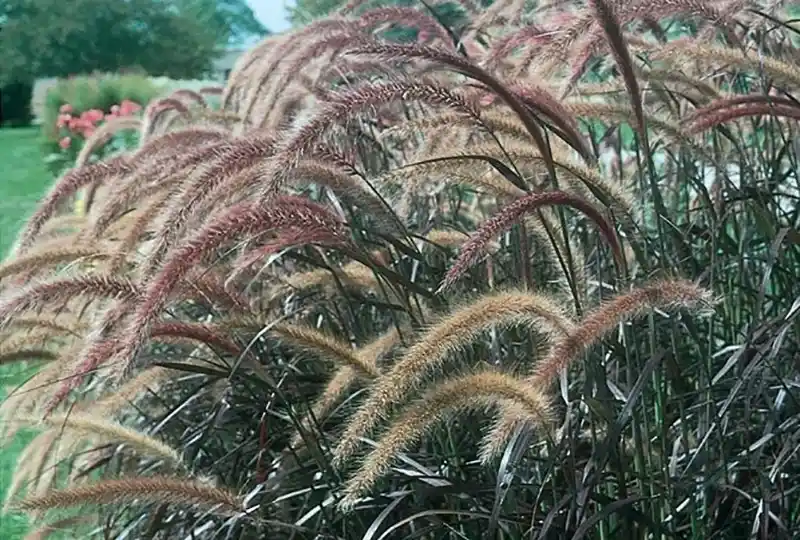
Ornamental grass can fit into almost any garden theme at any given point in time. They are divided into three groups as per season: warm season grasses, cool season grasses, and evergreen grasses. These grasses lend height, movement, and long-season colour to the landscape.
The best time to plant new ornamental grass is in spring or early fall. This allows the roots to establish properly and endure difficult situations. These grasses require well-drained, moist soil throughout summer, so in case you forget to plant them in spring, fall is the best season to grow ornamental grass.
There are some common questions that are often associated with planting, trimming, and how and when to divide ornamental grass.
Table of Contents:
When to Cut Back Ornamental Grasses?
Ornamental grasses include grasses, sedges, and rushes that are valued for their striking foliage and perennial growth. These plants add a unique texture to the landscape and therefore have been one of the most popular choices for gardeners to plant throughout the year. Most of the grasses are cut in spring or fall, depending on the variety. Below is the detailed description of when to cut back ornamental grasses:
1. Warm Season Grasses
Warm season grasses are generally cut from mid to late spring or fall. People prefer cutting these grasses in fall for a tidy garden. These ornamental grasses grow from mid to late spring and sometimes till early summer. They thrive in hot and humid temperatures and turn brown in winter. When you prune these grasses, make sure to cut them severely, right down to the ground.
Here are some common warm-season grasses with their taxonomy and ideal growing conditions:
1. Northern sea oats (Chasmanthium)

| Botanical name | Chasmanthium |
| Kingdom | Plantae |
| Order | Poales |
| Family | Poaceae (Grass Family) |
| Hardiness | 3 to 10 USDA Zones |
| Light Requirements | Full to partial light |
| Soil | Well-drained, moist, fertile soil |
| Water Requirements | Regular |
| Mature size | 2 to 5 ft tall and 12 to 20 ft wide |
2. Japanese Silver Grass (Miscanthus spp.)
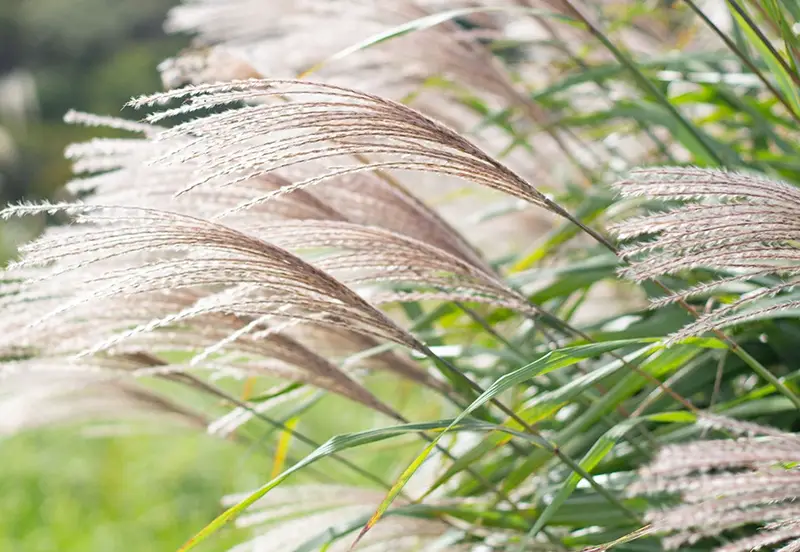
| Botanical name | Miscanthus sp. |
| Kingdom | Plantae |
| Order | Poales |
| Family | Poaceae (Grass Family) |
| Hardiness | 4 to 9 USDA Zones |
| Light Requirements | Full to partial light |
| Soil | Well-drained, moist, fertile soil with acidic to neutral pH levels |
| Water Requirements | Regular |
| Mature size | 3 to 9 ft tall and 4 to 10 ft wide |
3. Perennial Fountain Grass (Pennisetum)
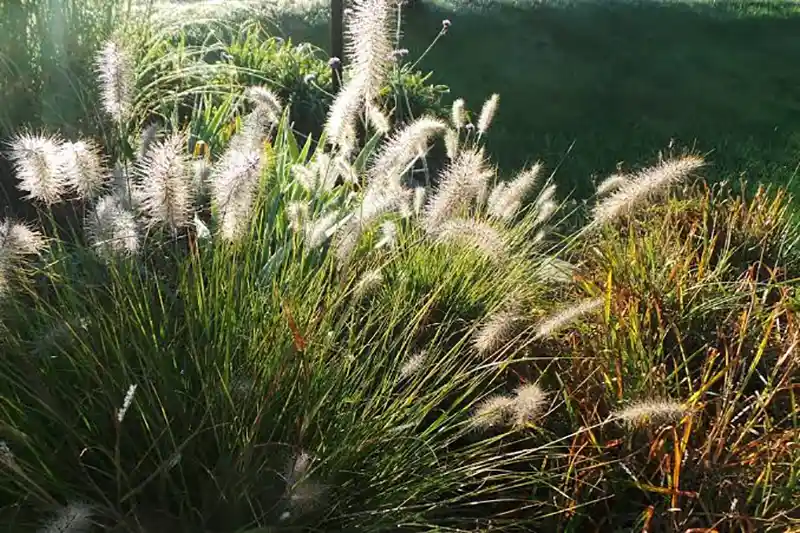
| Botanical name | Pennisetum |
| Kingdom | Plantae |
| Order | Poales |
| Family | Poaceae (True Grass Family) |
| Hardiness | 3 to 10 USDA Zones |
| Light Requirements | Full sunlight |
| Soil | Well-drained, moist, fertile soil |
| Water Requirements | Moderate |
| Mature size | 1 to 5 ft tall and wide |
2. Cool Season Grasses
Cool-season grasses are cut back in early spring before the temperature exceeds or in fall. The grass keeps its colour throughout the summer without much growth and is later cut in fall. Cut the grass only two-thirds, leaving one-third in place. Some of the best cool-season grasses are:
1. Blue Oat Grass (Helictotrichon)
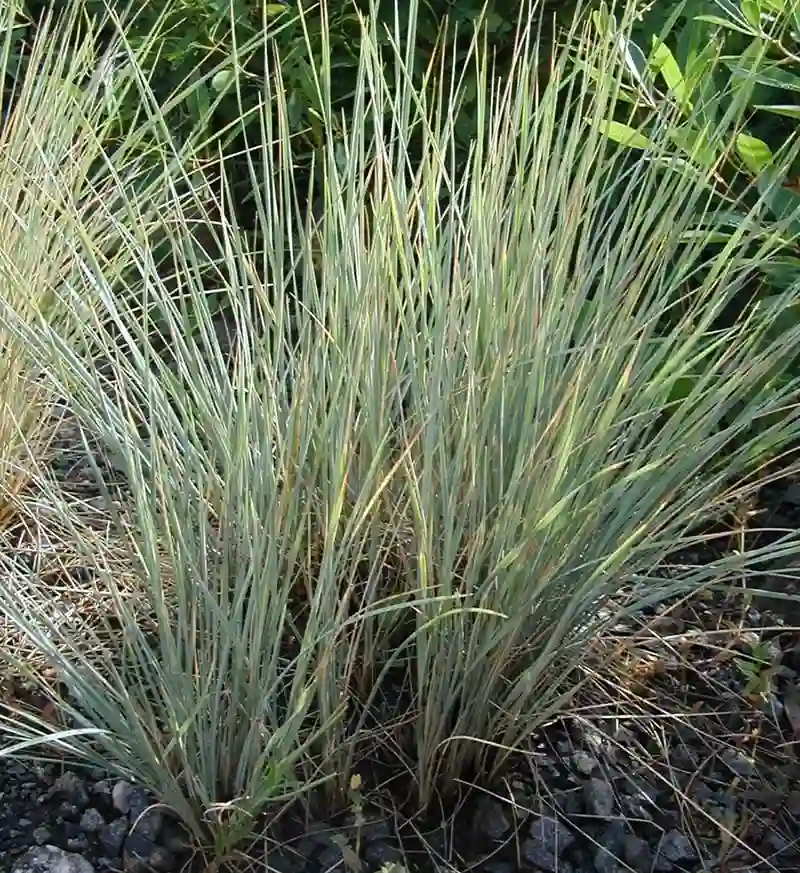
| Botanical name | Helictotrichon |
| Kingdom | Plantae |
| Order | Poales |
| Family | Poaceae (True Grasses) |
| Hardiness | 4 to 8 USDA Zones |
| Light Requirements | Full sunlight; tolerate light shade |
| Soil | Well-drained, moist soil |
| Water Requirements | Moderate |
| Mature size | 2 to 5 ft tall and 1 to 2 ft wide |
2. Autumn Moor Grass (Sesleria autumnalis)
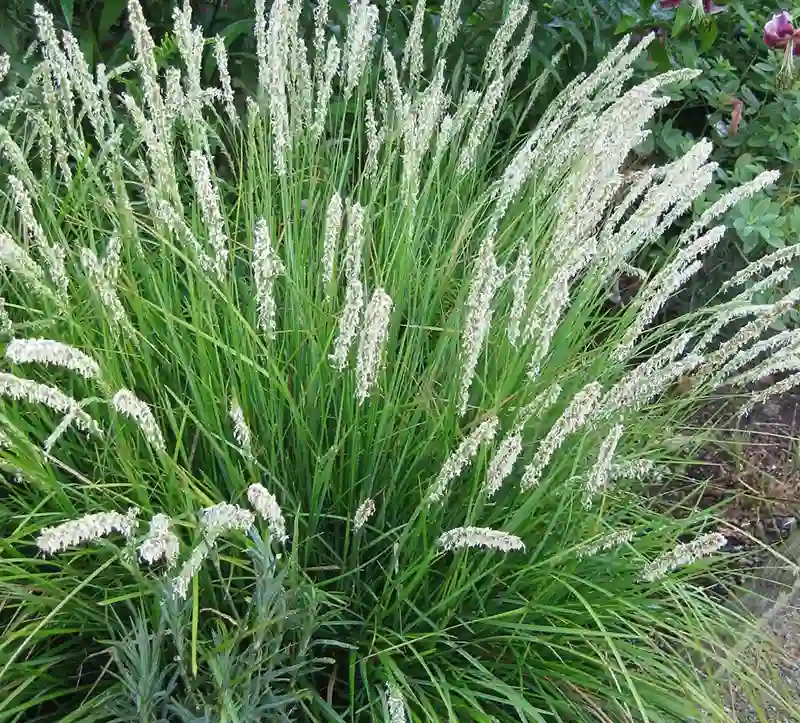
| Botanical name | Sesleria autumnalis |
| Kingdom | Plantae |
| Order | Poales |
| Family | Poaceae (True Grasses) |
| Hardiness | 3 to 10 USDA Zones |
| Light Requirements | Full sun with partial shades |
| Soil | Well-drained, moist, fertile, alkaline soil |
| Water Requirements | Low to average |
| Mature size | 8 to 18 inches tall and up to 45 cm wide |
3. Tufted Hair Grass (Deschampsia)
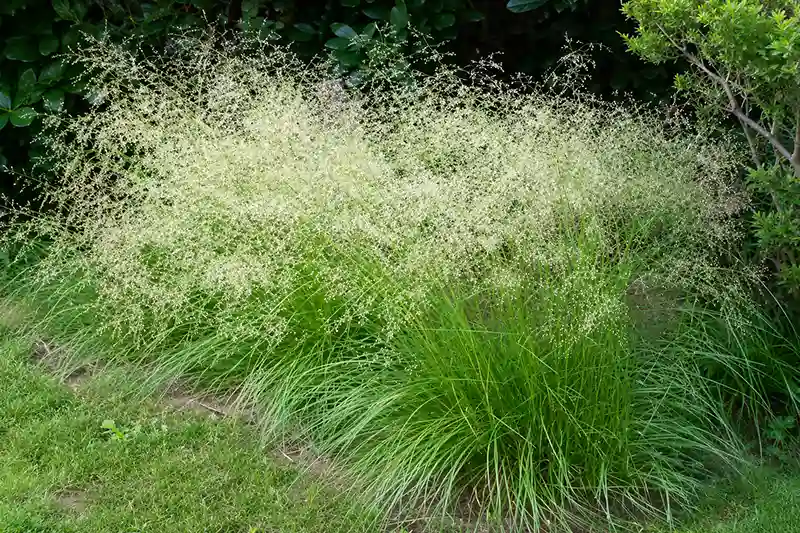
| Botanical name | Deschampsia |
| Kingdom | Plantae |
| Order | Poales |
| Family | Poaceae (True Grass Family) |
| Hardiness | 3 to 10 USDA Zones |
| Light Requirements | Full sunlight |
| Soil | Well-drained, moist soil |
| Water Requirements | Average |
| Mature size | 2 to 4 ft tall and 1 to 3 ft wide |
3. Evergreen Grasses
As the name suggests, evergreen grasses thrive throughout the year. These grasses do not need to be cut back, but require trimming in February to early March. Some of the best evergreen grasses for your landscape are listed below with their taxonomy and ideal growing conditions:
1. Carex ‘Evergold’ (Carex oshimensis)
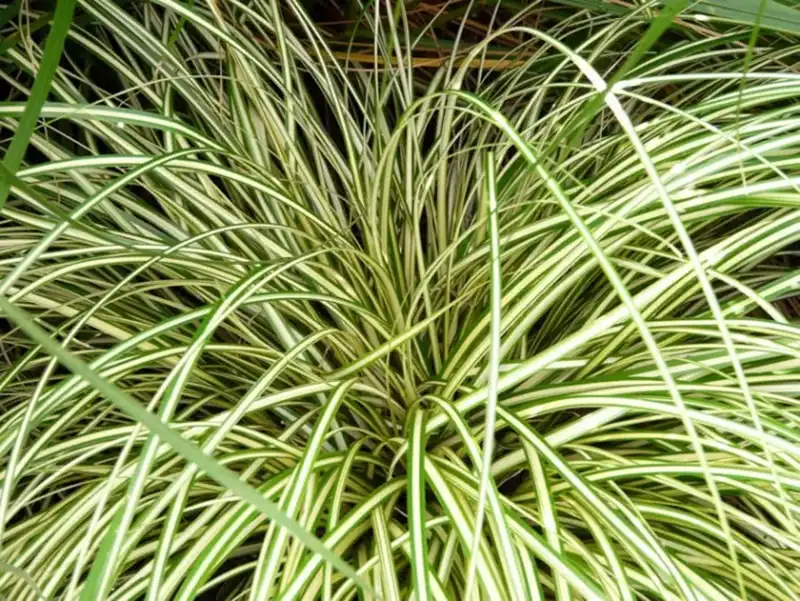
| Botanical name | Carex oshimensis ‘Evergold’ |
| Kingdom | Plantae |
| Order | Poales |
| Family | Poaceae (Grass Family) |
| Hardiness | 5 to 9 USDA Zones |
| Light Requirements | Indirect light |
| Soil | Well-drained, moist, fertile soil |
| Water Requirements | Low to average |
| Mature size | 8 to 18 inches tall and 12 to 20 inches wide |
2. Slough Sedge (Carex obnupta)

| Botanical name | Carex obnupta |
| Kingdom | Plantae |
| Order | Poales |
| Family | Poaceae (Grass Family) |
| Hardiness | 6 to 9 USDA Zones |
| Light Requirements | Full to partial light |
| Soil | Well-drained, moist, fertile soil |
| Water Requirements | Regular |
| Mature size | 2 to 6 ft tall and wide |
3. Big Sacaton (Sporobolus wrightii)
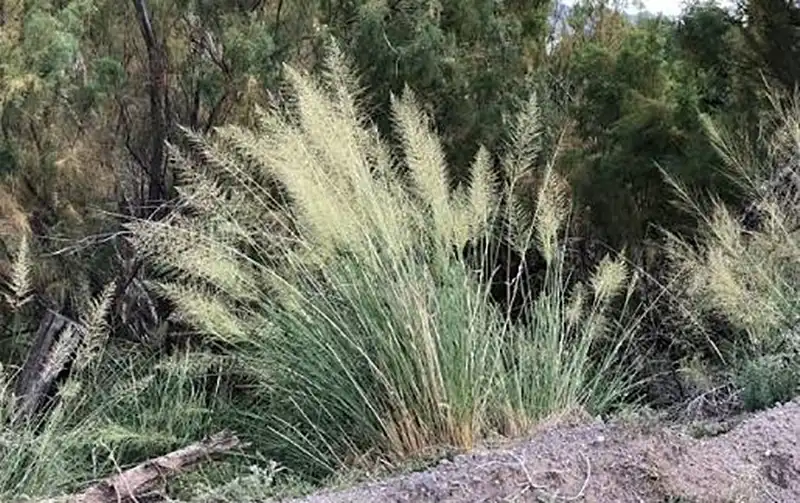
| Botanical name | Sporobolus wrightii |
| Kingdom | Plantae |
| Order | Poales |
| Family | Poaceae (True Grasses) |
| Hardiness | 5 to 9 USDA Zones |
| Light Requirements | Full sunlight |
| Soil | Well-drained, moist soil |
| Water Requirements | Regular to average |
| Mature size | 3 to 8 ft tall and wide |
Read more: How To Plant Grass Seed? Its Taxonomy, Varieties, Care Tips, Ideal Growing Conditions, & Much More
Ornamental Grasses Care Tips
Though ornamental grasses require minimal care, here are some essential ornamental grass care tips:
- Based on their type, cut back ornamental grasses in spring or fall.
- Ensure you prune warm-season grasses in spring or fall to ground level.
- Do not trim cool-season grasses more than two-thirds. This will ensure good growth.
- If you have planted ornamental grass in an area that is prone to wildfires, remove dead grasses to reduce the risk of burning.
- While making bundles for pruning, use biodegradable tape or bungee cords.
- In case you are planning to compost the dead grass stalks, cut them into pieces before adding them to the compost pile. This helps speed up decomposition.
Read more: How to Grow Lemongrass? Guide to Plant Growth, Uses, and Care Tips
How to Cut Back Ornamental Grasses?
To cut back ornamental grasses, you need to follow these steps:
- Tie grass into bundles. This helps segregate the grass into groups, which further helps to cut the grass without creating any mess.
- Cut the grass using pruning shears. For cool-season grass, cut it two-thirds, and for warm-season grass, cut it to ground level.
Tip: aim to keep the bundle intact as you cut it. - Clean up the renegades with pruning shears. This will help in clearing any loose blades of grass.
Read more: Forsythia (Golden Bells): How to Grow and Care for This Spring-Blooming Shrub
Takeaways
Growing ornamental grasses hardly takes 20 to 30 minutes. Once sown, the grass plant does not require much attention and can be left to grow wild. These grasses have recently become popular among people for their beautiful foliage and low maintenance.
If you are planning to plant ornamental grasses, spring and fall are the best times to grow and prune them. Happy planting!
FAQs
When to cut back ornamental grasses?
When to plant ornamental grasses?
Planting ornamental grasses depends on their type. Warm-season ornamental grasses are planted in early summer, cool-season grasses are planted in fall or spring, and evergreen grasses can be planted in spring or fall.
Latest Blog