If your windows have persistent drafts, condensation between panes, difficulty opening or closing, visible frame damage, or rising energy bills, window replacement is often more cost-effective than repeated repairs, especially if multiple windows are affected.
What You Should Know Before Replacing the Windows in Your Home
Author
Terri SanderLast Update
September 22, 2026
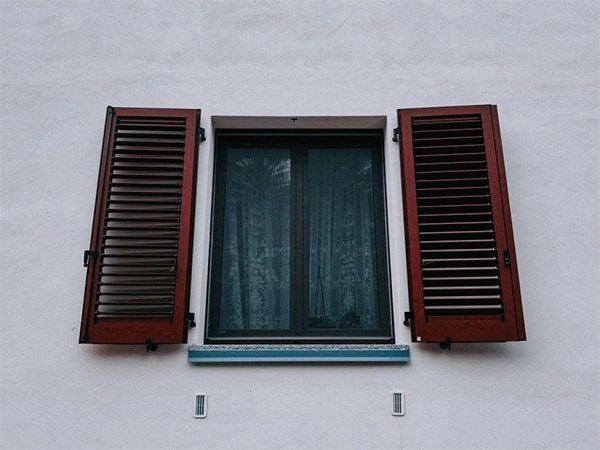
“The details are not the details. They make the design.”
— Charles Eames (Designer)
New windows don’t only improve your curb appeal. The right windows can lower energy bills, reduce outside noise, increase comfort, and even boost your property’s value. Heat gain and heat loss through windows account for 25–30% of residential heating and cooling energy use, making them one of the biggest factors affecting a home’s efficiency.
Window replacement is a long-term investment. Choosing the right materials, glass, style, and installer matters just as much as selecting a design you like. Before committing to a project, here’s what every homeowner should know.
Table of Contents:
Signs Your Windows Have Reached the End
Failing windows seldom announce themselves. The trouble tends to creep in through small daily annoyances that are easy to shrug off until they pile up. A draft near the frame, moisture caught between the panes, or a room that runs warmer than the remainder of the house all point to seals and materials that have quietly given out.
The way a window moves tells its own story. One that sticks, resists locking, or takes real struggle to lift has worn past its useful life rather than earned charm. Wooden frames soften and rot over time, and vinyl can warp after years of heat and sun. When several windows show the same faults at once, the cost of patching each one usually outpaces the expense of starting fresh. Rising energy bills and louder outside noise are two more hints that the current glass is no longer holding the line. The best way to handle a situation like this is to contact a crew experienced in installing replacement windows to manage the measuring and fitting. A good team responds quickly, sealing every unit tight so the draft and noise problems do not return.
Choosing the Right Frame Material
Structural material decides how:
- Much upkeep a window will need
- Long it lasts
- It looks against the rest of the house
No single option wins on every front, so the choice comes down to which trade-offs suit the home and the nearby climate.
Vinyl stays popular for good reason. It costs less, resists the weather well, and asks for almost no maintenance beyond the occasional cleaning. Modern homeowners prefer low-upkeep windows. The main limit is customization, since it offers fewer premium finishes than timber. Wood, in turn, brings a warmth and classic look that older homes wear beautifully, though it needs steady care to fend off moisture and rot.
Fiberglass comes from the sturdier lot. It holds its shape through temperature swings, insulates well, and can be finished to resemble painted wood, all at a higher price that often pays back over time. Aluminum offers slim frames and an elegant modern profile, but without a thermal break, it lets heat escape more readily than the alternatives. Local weather should steer the decision, since humidity, hard freezes, and strong sun each test these materials differently.
Why the Glass Matters as Much as the Frame
It is easy to torment over frame color and grille patterns while treating the glass as an afterthought. That is a costly habit, because the glazing does most of the work when it comes to comfort and energy use. The right glass package keeps indoor temperatures stable and cuts the strain on heating and cooling equipment.
Double-pane glass has become the baseline in most homes, while triple-pane makes sense in colder regions or along noisy streets. Coatings that reflect heat help spaces hold a stable temperature, and inert gas sealed between the panes improves insulation further. Ratings from the National Fenestration Rating Council put numbers to all of this, with lower figures generally signaling better insulation and less undesirable solar heat. A living room that bakes in afternoon sun becomes far more usable with glass built to limit that gain, and good coatings also slow the fading that sunlight inflicts on furniture and floors.
INTERESTING INSIGHT
Research says double glazing can cut heat loss through windows by 50% or more relative to single glazing.
Installation Quality Decides Everything
Even a supreme-tier window underperforms when it goes in badly. Gaps, sloppy flashing, weak seals, and frames set out of square invite drafts, leaks, and early failure, turning an expensive purchase into a recurring headache. This is why the team matters as much as the product sitting in the box.
Before signing anything, it pays to ask direct questions. Find out whether the job calls for full-frame or insert replacement, how the team inspects for water damage near each opening, and what flashing and insulation they plan to use. Ask who repairs the interior and exterior trim afterward and what labor warranty backs the work. A careful installer checks the rough openings, catches hidden rot early, and secures each unit into the home’s moisture barrier. That kind of diligence rarely looks dramatic, but it prevents the leaks that surface during the next heavy storm.
Budgeting for the Whole Job
Quotations swing widely from one company to the next, and the gap usually comes down to scope rather than greed. Size, material, glass, installation method, and trim work all feed into the final number, so two bids can describe very different assignments.
Full-frame replacement runs higher than an insert. It removes the entire old frame and often repairs what sits behind it. This is the smarter approach when you’ve rot or air leakage. Inserts work well when the existing frame is still sound. Smart budgeting also leaves room for the extras that bids sometimes bury: permit fees, hauling away the old units, repainting, and patching siding or stucco unsettled during the work.
Matching Window Styles to Daily Life
Style is not only about the view from the street. The shape and operation of a window impact airflow, cleaning, and how easily a room functions week to week, so the choice deserves thought room by room.
Double-hung windows remain a dependable all-rounder, pairing with most home types and cleaning up easily. Casement units crank outward for strong ventilation and a tight seal, which suits spots like the kitchen sink where reaching a lower sash is awkward. Sliding windows fit wide horizontal openings, and fixed picture windows soak a space with light while leaning on nearby operable units for fresh air. Bathrooms often call for privacy glass over a sweeping view, and bedrooms may need to meet egress rules for safe exit. Anyone planning to stay put for years is wise to decide based on comfort and easy operation rather than passing trends, since a window that opens smoothly during a summer power outage earns its keep quickly.
Conclusion
Replacing windows rewards the homeowner who slows down and looks past the showroom finish. Material, glass, style, and the craftwork behind the install all decide whether a home simply looks refreshed from the curb or actually feels better to live in.
FAQs
When to replace and when to repair my windows?
Which window frame material lasts the longest?
Fiberglass is generally considered the most durable option because it resists warping, moisture, and temperature fluctuations.
Is double-pane or triple-pane glass better?
Double-pane windows are sufficient for most homes and offer excellent energy efficiency. Triple-pane windows provide better insulation and noise reduction, making them a worthwhile investment in colder climates or homes near busy roads.
Latest Blog