Cold temperatures make building materials contract and make old caulking become more brittle. The caulking cannot stretch when the joints expand since it has already hardened, resulting in cracks in the caulking.
Why Freeze-Thaw Winters Are Hard on Exterior Caulking
Author
Terri Sander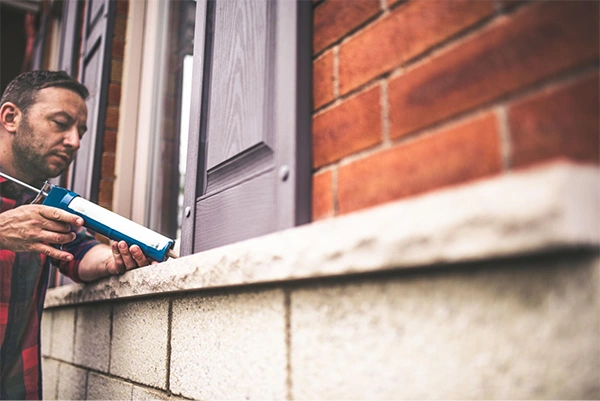
Freeze-thaw winters are especially hard on exterior caulking as the weather forces building materials to expand, contract, and shift.
When temperatures rise during the day and drop below freezing levels at night, moisture becomes a huge concern around windows, doors, siding, and exterior joints, leading to the formation of small cracks that eventually become difficult to deal with.
This article highlights the problems that are associated with exterior caulking during freezing conditions and why timely caulking holds a lot of importance.
Key Takeaways
- Wood, brick, vinyl, aluminium, and concrete are all prone to temperature changes
- Freeze-thaw damage usually begins with a tiny opening. Water from rain, melting snow, or ice seeps in small gaps around windows, doors, and siding
- Older caulk may become stiff and brittle in cold weather. Instead of bending with the building’s movement, it may crack or break apart
- Timely repairs help safeguard the home from water damage and energy loss, also allowing windows, doors, and exterior joints to remain sealed through changing weather
Table of Contents:
1. Constant Expansion And Contraction
One of the biggest reasons winter affects caulking is the repeated movement of exterior materials. Wood, brick, vinyl, aluminium, and concrete are all prone to temperature changes.
When the environment gets cold, materials tend to contract. When the temperature rises, they expand again. This movement seems small, but it puts steady pressure on the joints and seams.
If the caulk is old, dry, or poorly applied, it may not stretch enough to keep up. This may cause the caulk to split, detach, or lift away from the surface.
2. Moisture Gets Into Small Gaps
Freeze-thaw damage usually begins with a tiny opening. Water from rain, melting snow, or ice seeps in small gaps around windows, doors, and siding.
Once the moisture enters, it can freeze in the material when the temperature drops. As water freezes, it expands. This results in additional pressure on the surrounding caulk and widens the existing gap.
This is why damaged exterior caulking should not be ignored. A small split in the seal may allow more water in each time the weather changes.
3. Ice Can Break Down Weak Seals
Extreme winter conditions usually bring snow buildup, ice, and freezing rain. When ice starts to form near exterior joints, it places extra stress on the caulking.
Older caulk may become stiff and brittle in cold weather. Instead of bending with the building’s movement, it may crack or break apart.
Common problem areas include:
- Window frames
- Door frames
- Siding joints
- Foundation gaps
- Trim and masonry connections
These areas are exposed to wind, moisture, and temperature swings, making them more likely to fail during winter.
Fun Fact
Caulk originates from an Old Northern French word “cauquer”, meaning “to press down”.
4. Poor Adhesion Becomes Worse In Cold Weather
Caulking needs to bond properly to the surface. If the surface was dirty, damp, dusty, or not prepared correctly during installation, the caulk may not survive for long.
Cold weather makes this problem even more noticeable. As the building materials move, weakly bonded caulk starts to peel away from the sides of the joint.
This is one of the reasons why many homeowners look for experienced help with caulking Ottawa properties before winter damage starts to become more expensive. Proper surface preparation and the right choice make a significant difference in how long the seal lasts.
5. UV Exposure And Age Make Caulk Less Flexible
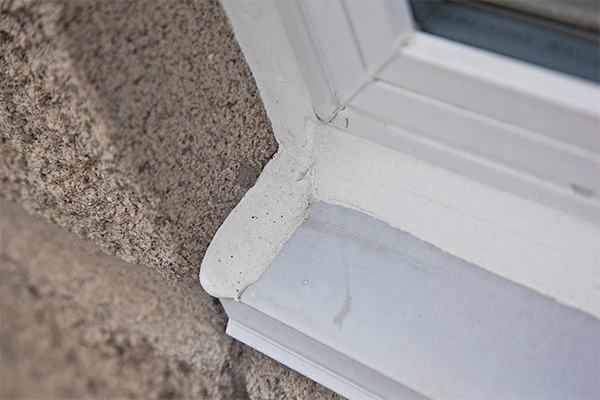
Winter is not the only season that affects caulking. Sun exposure during warmer months can slowly dry out some types of caulk. Over time, the material may lose flexibility.
When winter comes around, aged caulking might have already lost its strength. Then the freeze-thaw cycle adds more pressure.
Signs that caulking may need attention include:
- Cracks or splits
- Gaps between the caulk and the surface
- Drafts near windows or doors
- Water stains around frames
- Peeling or hardened caulk
- Visible shrinkage
These signs usually mean the seal is no longer doing its job properly.
Why Timely Caulking Matters In Ottawa
Ottawa’s winters can be tough on any home exterior. When caulking eventually fails, it allows cold air, moisture, and pests to enter small openings.
Timely repairs help safeguard the home from water damage and energy loss, also allowing windows, doors, and exterior joints to remain sealed through changing weather.
For best results, homeowners should check exterior seals before winter or after a harsh season. Replacing worn caulk early is often easier than dealing with water damage, drafts, or larger repair issues later.
FAQs
What causes old caulk to crack so fast in winter?
How does water enter the wall during winter?
Melting snow and freezing rain lead to water entering the tiny grooves of the caulking. The water freezes and then expands, creating a gap for the incoming water to enter the wall cavity.
What is the best season to replace caulking in Ottawa?
Late spring and early fall would be the right seasons to install new caulking, as this ensures that caulking gets cured, adheres properly, and becomes elastic enough before the onset of winter.
Latest Blog