Double- or triple-pane windows with Low-E glass coatings and insulated frames typically provide the best energy efficiency by reducing heat transfer throughout the year.
How To Choose Windows That Improve Comfort And Safety
Author
Swati Mishra
“The details are not the details. They make the design.”
— Charles Eames (Designer & Architect)
Window work usually comes at the last, as a finishing touch. But all of us realize their importance in how the home feels every day. The right windows keep rooms comfortable, reduce outside noise, improve security, and help your heating and cooling systems work more efficiently. Whether you’re replacing aging windows or planning a renovation, understanding the features that matter most will help you choose windows that deliver lasting comfort, safety, and value.
KEY TAKEAWAYS
- Choose a window based on comfort, energy efficiency, security, and durability rather than price alone.
- Drafts, rising energy bills, excess noise, and condensation between panes often signal it’s time for replacement.
- Compare frame materials, glass technology, locking systems, and weather resistance before making a decision.
- Work with an experienced installer who offers clear guidance, quality workmanship, and comprehensive warranty coverage.
Table of Contents:
Why Window Choice Matters
Besides just letting in light, your windows also help control temperature, block outside noise, and support home security. If your current ones struggle in any of those areas, your living space may feel less comfortable than it should.
When you start comparing energy-efficient impact windows, you are looking at a product designed to improve daily comfort while also offering stronger protection during severe weather. That combination matters if you want your home to feel steady and reliable year-round.
Good window choices can also reduce the strain on your heating and cooling system. That does not mean your utility bill will suddenly perform magic, but it may stop acting quite so dramatically. Over time, better windows can support a calmer indoor environment and make each room feel more consistent.
Signs It Is Time
Many homeowners wait until a window looks obviously damaged before taking action. In reality, the warning signs often show up much earlier. You may notice a small draft near the frame, a room that heats up too fast in the afternoon, or extra noise from traffic and weather.
When windows become difficult to open or close, it’s another common warning sign. So are frames that show wear, moisture between glass panes, or locks that no longer feel secure. These issues can make your home feel older and less dependable, even if everything else is in good shape.
Rising energy costs can also point to a window problem, especially when your heating or cooling habits have not changed much. If one room always feels different from the rest of the house, your windows may be part of the reason.
Features Worth Comparing
It helps to focus on a few practical features instead of getting lost in product language. Start with the frame material. Some frames are built for low maintenance, while others offer a more classic appearance. The best choice depends on your climate, your budget, and how much upkeep you want.
The technology of the glass matters as much. Multiple panes can help improve insulation and reduce outside noise. Coatings that limit UV exposure may help protect flooring, furniture, and curtains from fading over time. That is a quiet benefit, but an important one.
You should also compare locking systems and weather resistance. Strong locks support security, while weather-ready construction helps a window perform better during heavy rain and wind. A window does not need to be flashy to be impressive. It just needs to do its job well, day after day, without becoming the household weak spot.
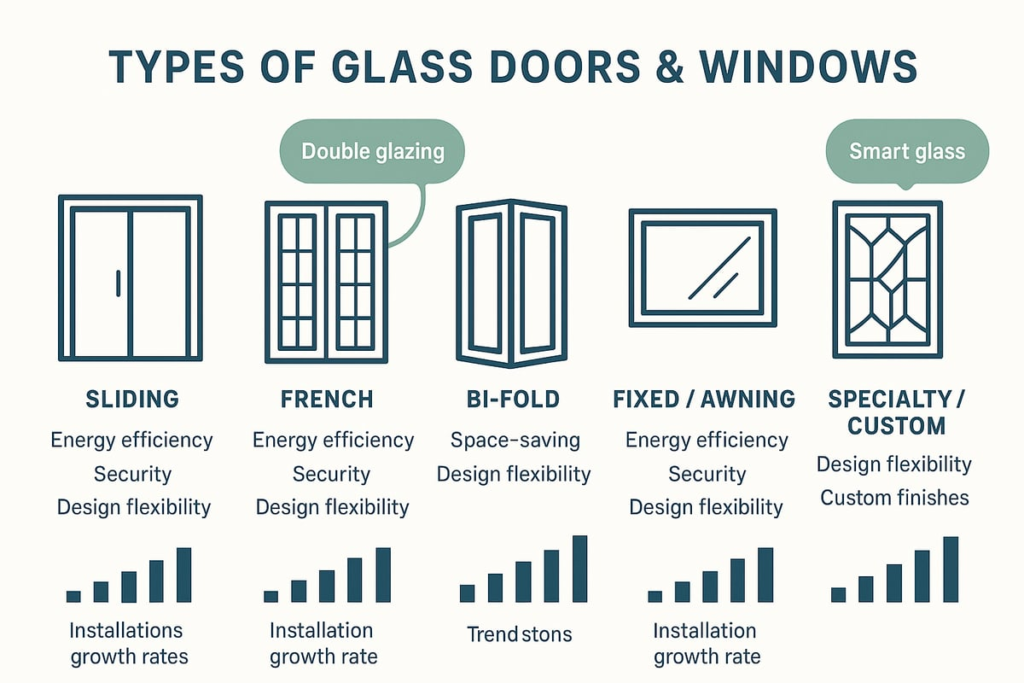
The infographic lists some common types of glass and windows and compares their features and benefits:
Comfort In Every Season
The right windows can make a room feel balanced instead of unpredictable. In summer, they can help reduce heat gain so your home stays cooler without your air conditioner working overtime. In colder months, they can help keep indoor warmth where it belongs.
The difference often becomes noticeable in everyday life. A bedroom may feel more comfortable at night. A living room with strong afternoon sun may become easier to use. Even a home office can feel more pleasant when glare is reduced and outside noise is less distracting.
Comfort is not only about temperature. It is also about consistency. When your home feels stable from one room to the next, daily routines become easier. You stop avoiding the hot chair by the window or the corner that feels chilly for no good reason. That is a practical upgrade people often appreciate more than they expected.
Questions To Ask Installers
After deciding to get a new window, the first thing to do is to get an insulation assessment. And before you choose a window company, ask clear questions and listen for clear answers. You want to know what products are available, how long installation usually takes, and what kind of warranty comes with both the windows and the labor.
It’s equally important to ask about long-term maintenance and after-sales support. Some window panes are easier to clean and care for than others. Knowing what to expect after installation helps you avoid surprises later. Ask whether the installer can explain the differences between styles and features in plain language.
A helpful checklist includes:
- What window options fit my home best
- What warranty coverage is included
- How long will installation take
- What maintenance should I expect
- How will you protect my home during the work
If the answers feel rushed or vague, keep looking. A reliable installer should make the process feel understandable, not mysterious.
Making A Smart Investment
It is easy to focus on price first, but windows affect your home every single day. That makes them a long-term decision, not a quick purchase. The better question is not only what they cost now, but what value they bring over time.
A high-quality window can improve comfort, reduce outside noise, strengthen storm protection, and increase energy efficiency. That value shows up in ways you can actually feel. Your home may feel quieter, safer, and easier to maintain. Those benefits are practical, not decorative.
A smart investment usually means choosing products that suit your climate, household needs, and durability expectations. When you take time to compare replacement options carefully, you are more likely to end up with windows that serve your home well for years. That is the kind of upgrade that keeps proving its worth long after installation day.
FAQs
Which window is most energy efficient?
How do I know if my windows need replacing?
Common signs include drafts, condensation between glass panes, difficulty opening or closing a window, outside noise, damaged frames, and rising energy bills.
Are impact windows worth the investment?
Yes. Impact windows offer enhanced storm protection, improved home security, better noise reduction, and increased energy efficiency, making them a worthwhile long-term investment for many homeowners.
Latest Blog