The following are ways to clean your pool:
- Skim surface debris daily
- Test water twice weekly
- Brush walls every week
- Clean pump filters monthly
Author
Swati MishraLast Update
September 22, 2026
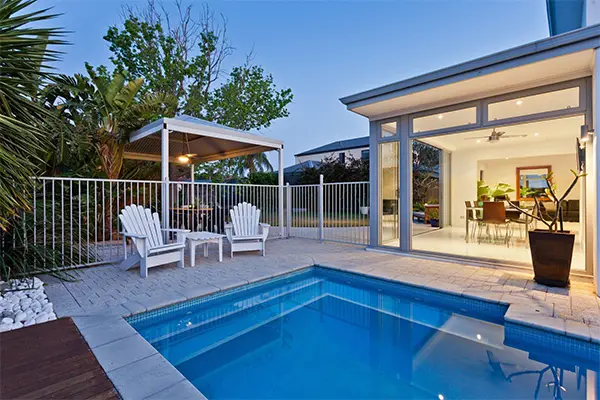
Owning a backyard pool offers endless fun and functionality during warm summer days, but the water getting polluted or a few internal parts breaking, causing a health hazard, can really stop all of that instantly.
Proper care protects your investment and keeps water crystal clear. Regular attention stops small problems from transforming into costly structural repairs and using up all your weekend time.
Here’s how to take better care of your pool and prevent such issues from plaguing your perfect backyard experience.
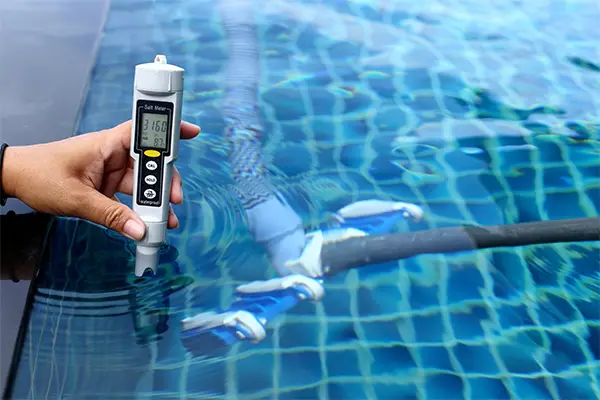
Balanced water chemistry stops pool plaster from etching and prevents metal parts from rusting. You need to test pH levels twice every week. Ideal pH levels sit right between 7.2 and 7.8.
High pH levels cause scale buildup on tiles and pump components. Low pH levels create acidic water that eats away at concrete finishes. Adding pool chemicals in small amounts keeps water safe for swimmers.
Chlorine levels need careful monitoring every few days. Maintain chlorine between 1 and 3 parts per million to kill bacteria. Perfect chemical balance safeguards pool liners from early damage.
Skimmer baskets collect leaves, bugs, and floating trash before debris sinks. Empty these baskets every two days to maintain solid water flow through your system. Clogged baskets force pool pumps to work much harder.
Routine care keeps pool surfaces smooth and prevents chemical damage. Working with experts like ProGuard Pool Management Inc helps protect plaster surfaces from early wear and tear. Good care routines save money and extend equipment life for years.
Clean filter cartridges every month to remove trapped dirt particles. Backwash sand filters when pressure gauges rise 8 to 10 pounds above normal levels.
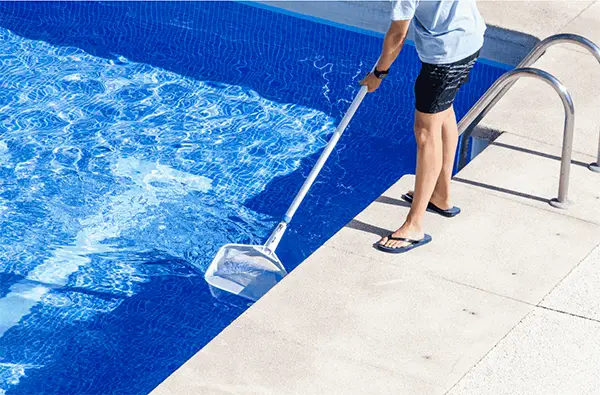
Algae spores grow in tiny plaster pores when water circulation becomes slow enough. Brushing pool walls once a week removes invisible buildup before green patches accumulate. Use nylon brushes for vinyl liners and stiff wire brushes for plaster finishes.
Vacuuming pool floors removes heavy dirt that skimmers miss. Run automatic pool cleaners 3 times per week during peak summer months. Manual vacuuming helps clean tight corners near steps and ladders.
Here are quick tasks to keep your pool clean:
Calcium hardness levels must remain between 200 and 400 parts per million. Low calcium levels drain minerals directly from plaster finishes. High calcium levels leave crusty white deposits along waterlines.
Keep water levels midway up the skimmer opening at all times. Low water levels let air into the pump and damage the motor. High water levels reduce skimmer efficiency and leave floating debris behind.
Top off your pool with fresh water during hot summer spells. High heat increases evaporation rates and raises chemical concentrations.
Run your circulating pump 8 to 12 hours daily during warm weather conditions. Flowing water spreads sanitation chemicals evenly and limits algae growth. Check pump seals regularly to stop water leaks before motor damage happens.
Cover your pool when bad weather arrives or when seasons change. Covers reduce water evaporation by up to 90 percent. Covers block falling leaves and keep water clean during cold winter months.
Maintaining a swimming pool requires consistent effort throughout the entire year. Simple weekly practices prevent expensive repairs and keep water safe for your family. Clear water makes every swim more enjoyable and stress-free.
Looking for more tips and ideas? We’ve got you covered. Check out some of our other posts now!
The following are ways to clean your pool:
Brushing pool walls once a week removes invisible buildup before green patches accumulate. Use nylon brushes for vinyl liners and stiff wire brushes for plaster finishes.
Calcium hardness levels must remain between 200 and 400 parts per million. Low calcium levels drain minerals directly from plaster finishes.

Premium home decor & furniture — crafted for comfort, designed for you.
Copyright © 2026 Abodelook.