Can you discern their attention to detail in past projects? Have they been able to stay on time and budget with similar projects?
How Premium Finishes Elevate Home Design
Author
Isha ParmarLast Update
September 23, 2026
Premium is something that, if added to any aspect, makes it appear appealing ib an instant. And in the case of homes, this is what drives your room to an instant elevation.
The high-quality appearance, richness in every corner and elegance draped in the walls are sights worth watching.
Also, when you upgrade the interior elements, the living atmosphere lights up ultimately.
You can even achieve dramatic visual changes without remodelling the entire structural building layout.
Read further to add this idea to your rooms!
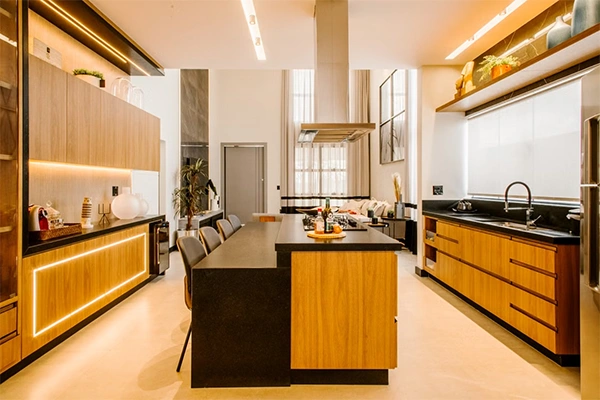
Table of Contents:
Creating Depth With Layered Materials
Visual interest builds naturally when distinct design elements meet in a balanced room composition. Combining raw stone with sleek metal surfaces emphasizes the unique character of each material. Contrast keeps spaces looking engaging throughout different times of the day.
A leading interior magazine noted that dark furniture pairs well with travertine stone, chrome details, and light brown fabrics. Combining these distinct materials keeps interior spaces from feeling flat or monotonous. Layered materials create light and dark values across the entire room.
Smooth wood paired with cool stone creates a balanced presence weight across open living spaces. This thoughtful layering makes every room feel curated rather than arranged straight off a store shelf. Rich textures invite people to relax longer in comfort.
The Power Of Visual Contrast
Highlighting structural details requires careful selection of contrasting surface treatments. Dark trim around light walls framing a window pulls the eye toward key architectural elements.
Balance keeps bold contrast from feeling excessive to daily room occupants. Working with experts like RMP Finishes helps property owners find the perfect harmony between bold accents and neutral bases. Getting standard paint colors to work alongside custom glazes or metallic finishes takes true artistic skill. Soft lighting further enhances these surface variations throughout the day.
Contrast prevents large open floor plans from looking washed out or sterile. Strategic darker tones bring physical depth to cozy reading nooks or formal dining spaces. Subtle shifts in tone give every room its own clear personality.
Tactile Experiences In Living Spaces
Physical texture plays a central role in how inviting a home environment feels. Touching a hand-brushed wall surface or smooth plaster creates a direct relationship to your surroundings. Tactile variation adds physical warmth to sleek modern spaces.
Design commentators suggest that modern homes will lean heavily into layered, tactile, and personal interior designs. Texture provides a sensory dimension that basic wall paint cannot match on its own. Layering tactile items gives living areas a timeless character.
Incorporating natural wood grains, matte paints, and textured stone creates a welcoming environment. These physical elements make living rooms feel grounded and comfortable to visiting guests. Natural tones complement easily with dynamic accent pieces.
Transforming Ordinary Architecture
Plain drywall and standard millwork often leave residential rooms feeling ordinary. Adding custom finishes transforms standard rooms into customized sanctuaries with unique personality. Architectural details gain fresh appeal when coated with top-tier materials.
Architectural elements like crown molding or ceiling beams stand out far more with subtle sheen differences. A satin finish on woodwork next to eggshell wall paint creates a gentle play of light. These minor sheen shifts refresh standard wood trims.
- High-sheen gloss on decorative molding
- Matte coatings on broad ceiling surfaces
- Textured plasters on central accent walls
Choosing high-grade coatings keeps these architectural features looking vibrant for extended periods. Quality surface applications protect against daily wear while preserving original color richness. Strong finishes guard exposed surfaces from scuffs and scratches.
Emotional Connections To Home Spaces
Interior environments directly influence daily mood and wellbeing levels. Surrounding your family with quality materials brings a deep sense of warmth to your living area. Thoughtful choices turn ordinary rooms into personal havens.
A home remodeling report pointed out that luxury interior design focuses heavily on how a room makes you experience. Living in a space designed around personal comfort lowers daily tension levels. Thoughtful aesthetic choices make home feel like a true retreat.
Soft finishes combined with warm color tones create soothing environments in bedrooms and quiet sitting areas. Thoughtfully styled spaces nurture tranquility of mind after demanding workdays. Balanced spaces promote relaxation across all seasons.
Durability Meets Modern Style
High-end surface finishes offer durability alongside clear aesthetic advantages. Premium paints and seals resist scuffs, fading, and moisture penetration far better than standard options. Quality coatings retain their pristine finish through years of household use.
- Heavy-duty coatings for high-traffic corridors
- Moisture-resistant finishes for bathroom interiors
- Stain-resistant treatments for busy kitchen zones
Investing in durable materials saves time and costs funds over extended periods. High-traffic areas like entryways and kitchen corners benefit most from protective coatings. Protective layers keep wall surfaces spotless despite frequent touch and traffic.
Modern sealants maintain their original finish without yellowing under direct sunlight exposure. High durability means your home stays looking attractive without constant touch-up painting projects. Long-lasting protection preserves your interior design value.
Light Reflection And Space Perception
Surface finishes control how natural and artificial light travels around a room. Glossy finishes reflect light to brighten dark corners, while matte choices absorb harsh brightness in sunny spaces. Balanced light distribution changes how spacious a room feels.
Strategic gloss levels can make smaller rooms feel noticeably larger and brighter. Reflective surface choices direct outdoor daylight deeper into interior floor plans. Bright rooms naturally feel more inviting to residents and guests alike.
Adjusting finish sheens helps coordinate bright overhead lights with softer evening lamps. Controlling light distribution improves the functionality of your home design. Proper lighting showcases high-end craftsmanship during daytime and evening hours.
Personalizing Unique Home Spaces
Custom finishes provide an foundation canvas for personal style expression. Custom color blends, specialty glazes, and distinct textures let homeowners display their individual taste. Creative surface work brings original concepts into physical reality.
Tailoring finishes to match existing furniture pieces connects different styles into one cohesive look. Mixing classic furniture with updated wall treatments blends generational design choices. Smooth transitions between rooms create seamless indoor flow.
Your personal style shines through when surface details match your daily lifestyle. Creating a custom aesthetic turns standard construction into a personalized haven. Craftsmanship brings distinctive character to every corner of the house.
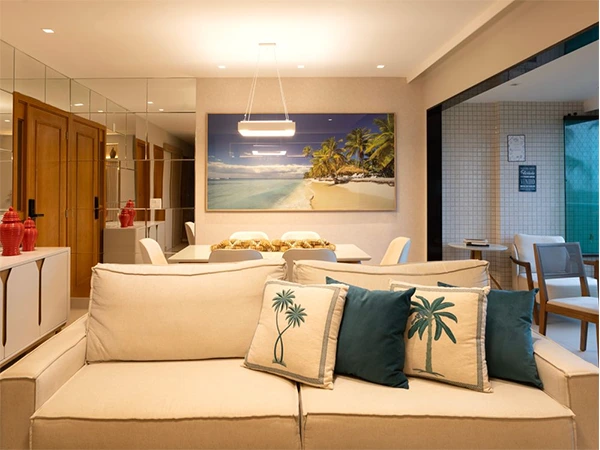
Selecting the right surface options completely transforms the atmosphere of your residential environment. Quality craftsmanship turns standard room layouts into refined, inviting spaces designed for long-term living. Thoughtful design choices pay off through daily enjoyment and visual appeal.
Focusing on detailed textures, rich tones, and durable coatings turns everyday houses into personal retreats. Small aesthetic improvements bring long-lasting satisfaction and pride to modern living. Beautiful finishes elevate standard living into a refined daily lifestyle.
FAQs
What are some important questions to ask when designing a home?
What is the 15% rule in design?
Ferraro and her team have adapted the “fifteen percent rule,” a design method that leaves a room partially unfinished until the day of installation.
What are some common building mistakes?
Common builder mistakes include poor communication, unclear pricing, weak documentation, rushed timelines, inconsistent inspections, outdated systems, and skipping early discovery.
What are the three principles of interior design?
It’s attention to these three important ingredients — function, mood and personality — that ensures decorating success.
Latest Blog