For roof warranties, it depends on material warranties that last for 25 to 50 years and labor warranties that vary from 2 to 10 years.
Essential Guide to Planning a Home Roof Replacement
Author
Terri SanderIf you have ever replaced a roof, then you know it’s one of the biggest projects you’ll ever deal with as a homeowner, right? It’s not just about looks either; a good roof is basically what keeps rain, wind, and temperature swings out of the house. If you plan ahead, then probably the whole thing goes way smoother and cut the unexpected expenses. By knowing a bit about materials, pricing, how to pick a contractor makes the whole process a lot less stressful.
Table of Contents:
- Recognizing the Signs That Your Roof Needs Attention
- Establishing a Realistic Budget for Your Project
- Material Options and Price Considerations
- Navigating Contractor Selection and Vetting
- Preparing Your Home for Installation Day
- Understanding Warranties and Maintenance Needs
- Final Thoughts
- Frequently Asked Questions (FAQs)
Recognizing the Signs That Your Roof Needs Attention
Older roofs give clear signals before complete failure happens. Curled shingle edges, missing granules, and dark water stains on interior ceilings indicate structural wear. Moisture trapped under old decking can rot wooden rafters if left ignored during seasonal storms.
A home improvement guide from Forbes stated that owners ought to replace roofs older than 15 years before adding major upgrades like solar panels. Neglecting minor leaks often results to interior drywall damage and mold growth. Homeowners should inspect their attic space after heavy rains to spot leaks early before major decay sets in. The kind of routine check is a part of building smart home maintenance habits that saves a lot of money.
Attic inspections offer clear early indicators of roof decline. Sunlight shining through roof boards or damp insulation shows water is bypassing outer protective layers. Addressing these warning signs quickly avoids costly timber repairs down the road.
Establishing a Realistic Budget for Your Project
Homeowners have to gather multiple estimates before signing any binding agreements. Partnering with the best roofing company in Alpharetta allows secure accurate material estimates without hidden charges. Written quotes ought to include labor costs, cleanup fees, and dumpster rentals in clear detail. Comparing these line items side by side avoids sudden financial surprises during teardown.
Planning for unexpected structural fixes shields your wallet from sudden strain. Removing old shingles sometimes exposes rotted plywood or damaged flashing that requires immediate replacement. Setting aside a 10% to 15% emergency reserve helps the installation moving forward smoothly and managing monthly living costs.
Roofing quotes differ based on home height and roof pitch. Steeper roofs require specialized safety staging and additional labor hours to complete safely. Factoring in these structural details allows for creating an accurate project budget.
Material Options and Price Considerations
Selecting suitable building products affects performance and total expense. Standard asphalt shingles stay popular thanks to affordable pricing and straightforward installation. Architectural shingles provide longer lifespans and superior wind resistance compared to 3-tab versions.
An analysis found that typical roof replacement projects run between $5,727 and $12,418, averaging around $9,072 across the country. Premium choices like metal, slate, or synthetic tiles come with higher upfront costs but offer extended durability – lasting 40 years or longer.
Evaluating local climate patterns assists narrow down the right shingle types. Metal roofing deflects radiant heat efficiently in warm climates, lowering cooling costs. Asphalt shingles perform reliably across varied weather conditions and offer diverse design choices.
Navigating Contractor Selection and Vetting
Finding a dependable roofing crew requires thorough screening. Verify state licensing, local business registrations, and active general liability insurance ahead of signing agreements. Honest contractors willingly share proof of coverage and recent customer references.
Homeowners must review several key credentials during the hiring phase:
- Proof of active workers’ compensation insurance
- Manufacturer certifications for specific shingle brands
- Written warranties covering installation labor
- Physical business address within your region
Preparing Your Home for Installation Day
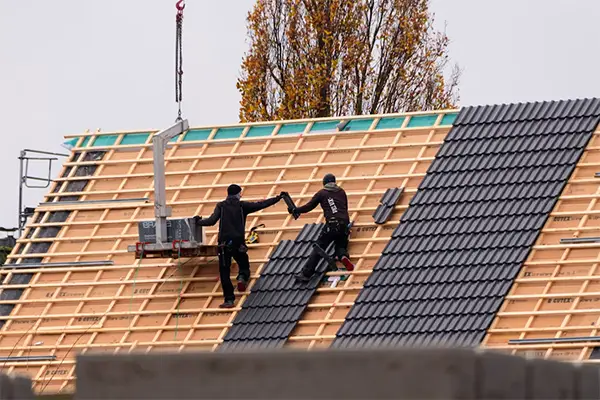
Roof replacements create significant noise, dust, and vibrations throughout the house. Homeowners must take down wall hangings, framed photos, and delicate glass items from upper-floor rooms. Vibration from heavy hammering on the roof deck can shake interior walls and loosen unanchored decor.
Outside the house, clearing space around the perimeter quicken teardown. Move patio furniture, vehicles, and potted plants away from the drip line. Roofing teams haul tons of old material directly into dumpsters parked in the driveway. Debris removal is another serious concern.
Covering attic storage with a plastic tarp guards personal belongings from stray wood chips. Keep pets indoors or schedule offsite care during construction days to avoid stress from loud power tools and heavy foot traffic overhead.
Understanding Warranties and Maintenance Needs
A complete roofing setup depends on two separate warranty protections. Manufacturer warranties handle defects in asphalt shingles or synthetic underlayment. Contractor warranties include errors in workmanship, flashing placement, and seam seals.
Standard Coverage Terms
Material coverage often runs 25 to 50 years depending on product selection. Workmanship warranties typically cover 2 to 10 years based on installer policies. Reading warranty fine print works to clarify exclusions like severe storm damage or unapproved modifications.
Post-Installation Inspections
Routine upkeep lengthens the functional life of new roofing systems. Clearing gutters twice a year stops water backup underneath eave shingles. Trimming overhanging tree limbs reduces debris buildup and reduces moss growth risks. Scheduling annual professional checkups works to catch minor wear before leaks develop.
Final Thoughts
At last, replacing the roof takes some time, research, and planning, but it’s worth it. Checking the roof early, picking solid materials, and getting the ground ready saves you from a ton of hassle. A strong, well-installed roof isn’t just about how the house looks, it also give piece of mind knowing your home is protected for years to come.
Frequently Asked Questions (FAQs)
How long do roof warranties usually last?
What should I check before hiring a roofing contractor?
Always make sure that the contractor you are hiring is licensed, insured, and can show proof of worker’s compensation. Also ask for manufacturer certifications and written warranties.
How much should I actually budget for a roof replacement?
Most projects costs somewhere between $5,727 and $12,418, averaging around $9,072. So, you can plan accordingly.
Latest Blog