No type of flower is universally better than the other. It entirely depends on your requirements. If you want seasonal color, annuals are a great option, while if you are looking for a long-term investment, perennials are the perfect option.
Annual vs Perennial: Difference, Types and How to Choose the Right Variety
Author
Annette HirdReviewed By
Cody AllisonGarden flowers are generally divided into two main categories: Annual vs perennial flowers. These flowers are differentiated on the basis of their growth cycle.
Annuals offer a seasonal bloom for just one growing season. Perennials, on the other hand, offer a short blooming window for 2+ years. They do not need replanting and sometimes even survive frost, unlike the annuals. The choice between the two is entirely based on your gardening goal and budget. I usually go for annuals if I want to experience some garden color, and perennials for the garden border to maintain a proper structure.
Moving further in the article, let me take you through a guide to perennials vs. annuals, different types, a list of flowers, and how to make a strategic choice between the two.
Table of Contents:
What are Annual vs Perennial Flowers?
There are two types of plants in flower gardens: annuals vs. perennials. Annual flowers complete their life cycle in one growing season, from planting to blooming and dying. These flowers need to be replanted every year, but they offer a bloom period of 4-6 months, which provides seasonal color to the garden, up until fall. On the other hand, perennial flowers last 2+ years, but they have a short blooming period, usually 4-6 weeks. While they last for a short duration, they don’t require frequent replanting, which is beneficial for gardeners looking for a long-term investment.
Abodelook Tip
Other than perennial and annual flowers, biennial flowers last up to 2 years, acting as a mix of both annual and perennial flowers.
What is the Difference Between Annual vs Perennial Flowers?
The main difference between annual vs perennial flowers is their growth cycle. While annuals die back in the same growing season, perennials survive the frost and continue to live up to 2 years or more, depending on the species.
Take a look at the core differences between annuals vs. perennials:
| Differentiating Factor | Annual | Perennial |
| Life span | Short, up to 1 growing season | Long ( lasts up to 2 years or more) |
| Blooming Period | Longer than perennials, as it blooms for around 4- 6 months (from spring to frost). | Short. Their blooming seasons last up to 4-6 weeks in a single growing season. |
| Growth Speed | Faster, as they will eventually die in the frost. | Slower, as they focus on saving up for long-term survival. |
| Maintenance | High | Low |
Different Categories of Annual vs Perennial Flowers Based on Growth Cycle
Perennial vs annual flowers are divided into different categories based on the level of frost they can handle. Take a look at the different types of annuals vs perennials with some examples:
Categories of Annual Flowers
- Hardy Annual: Hardy annuals are the flowers that are comparatively more frost-tolerant than other annual varieties. They can survive light frost and mild freezes. Common examples include sweet peas and cornflowers.
- Tender Annuals: Tender annuals are intolerant of frost and only grow when the danger of frost has passed. These warm-season plants prefer the daytime temperature to be consistently above 15°C.
- Half-hardy Annuals: Similar to tender annuals, half-hardy annuals tolerate light chills and slightly damp soil but can be killed when real frost approaches.
Categories of Perennial Flowers
- Herbaceous Perennials: Herbaceous perennial flowers are soft-stemmed and die in the frost, then return in spring each year.
- Woody Perennials: Woody perennial flowers feature strong, robust stems and are great for structural aesthetics.
- Hardy Perennials: Hardy perennials are plants that can survive frost without dying. This makes them perfect for year-round garden use.
- Tender Perennials: While perennials survive frost, these tender perennials cannot tolerate freezing temperatures and must be grown once the danger of frost has passed.
List of Annual vs Perennial Flowers for Your Garden
African daisy, marigold, zinnia, buttercup, and blanket flowers are some annual flowers that are used as garden flowers for color and landscaping purposes. Carnations, peonies, coneflowers, black-eyed Susans, and bellflowers are perennial flowers used for structural style.
Take a look at the list of annual vs perennial flowers in detail:
I. Annual Flowers
1. African Daisy
| Botanical Name | Osteospermum spp. |
| Native Area | South Africa |
| Hardiness Zone | USDA zones 9-11 |
| Maintenance | Low |
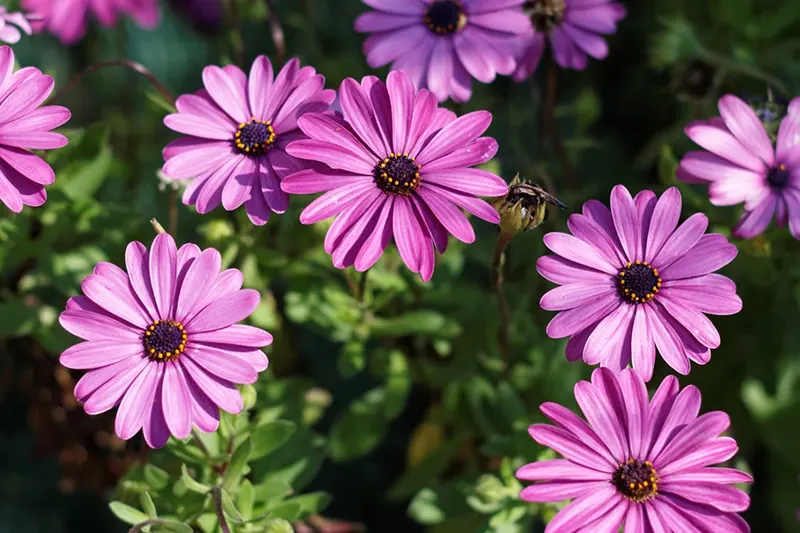
African daisy is a dwarf flowering shrub which blooms from May to October. These fall flowers are famous for their blue-eyed centre and disc-shaped flowers. Part of the Aster family, many plants in the genus are known as the daisy bush. They do not have any noticeable scent, but are still great pollinators. African daisies are a symbol of joy and resilience and can last up to 2 weeks in a vase.
2. Marigold
| Botanical Name | Tagetes |
| Native Area | Mexico, Southern North America and parts of Central and South America |
| Hardiness Zone | USDA zones 2-11 |
| Maintenance | Low to Moderate |
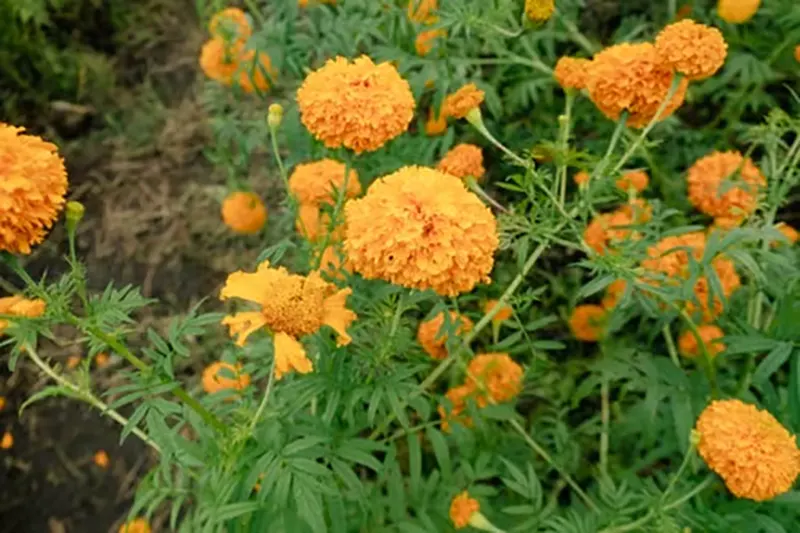
Marigold is an October birth flower which is most commonly grown as an annual. These orange flowers have a rounded shape and are extensively used in traditional festivities in India and Mexico. Also classified as a Mexican flower, these blooms are associated with the ‘Day of the Dead’ in parts of Central America. Marigold is associated with the idea of warmth and positivity.
3. Blanket Flower
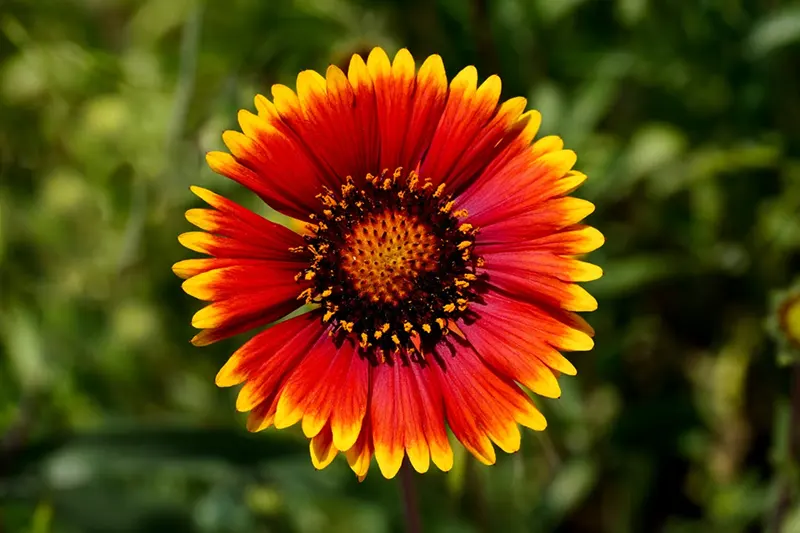
| Botanical Name | Gaillardia |
| Native Area | North and South America |
| Hardiness Zone | USDA zones 3-10 |
| Maintenance | Low to medium |
Blanket flower is a short-lived perennial that is grown as an annual. Part of the Aster family, the growing habit of these flowers can vary as per the variety. The Indian blanket typically grows as an annual. Blanket flowers grow from early summer to fall, providing year-round color to the garden. The primary uses of these flowers are versatile, they can be utilized as garden borders with their colorful blooms, to cut flower arrangements. Traditionally, the blanket flower tea was used for treating nasal issues.
4. Zinnia
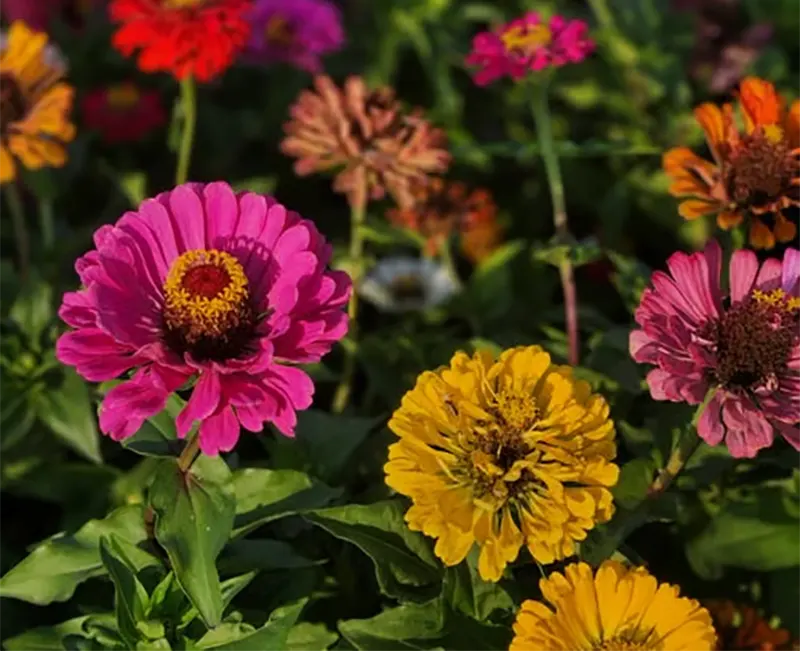
| Botanical Name | Zinnia elegans |
| Native Area | Southwestern America, Mexico, and South America |
| Hardiness Zone | USDA zones 2-9 |
| Maintenance | Low |
Zinnia is a popular summer flower that belongs to the Aster family. These flowers grow in every type of flower, from single-petal to semi-double and double flowers, and grow best in full sun. Zinnia flowers are disease-resistant, which makes them ideal for beginners. Available both as low-growing shrubs and tall, upright blooms, zinnias can be used both for gardening purposes like cottage gardens or mixed borders, as cut flower arrangements. The zinnia flower meaning is associated with the idea of endurance and perseverance.
5. Butter Daisy
| Botanical Name | Melampodium divaricatum, |
| Native Area | Central, South and North America |
| Hardiness Zone | USDA zones 2-11 |
| Maintenance | Medium |
The butter daisy is a flowering annual that belongs to the Aster family. These daisy-like blooms are named so due to their cream/ butter yellow color. Grown mainly in summer, butter daisy blooms from May until the first frost. According to NC State Extension, the butter daisy is one of the easiest annuals to grow. They are mostly disease-resistant and drought-tolerant once established, which makes them beginner-friendly.
II. Perennial Flowers
1. Coneflower
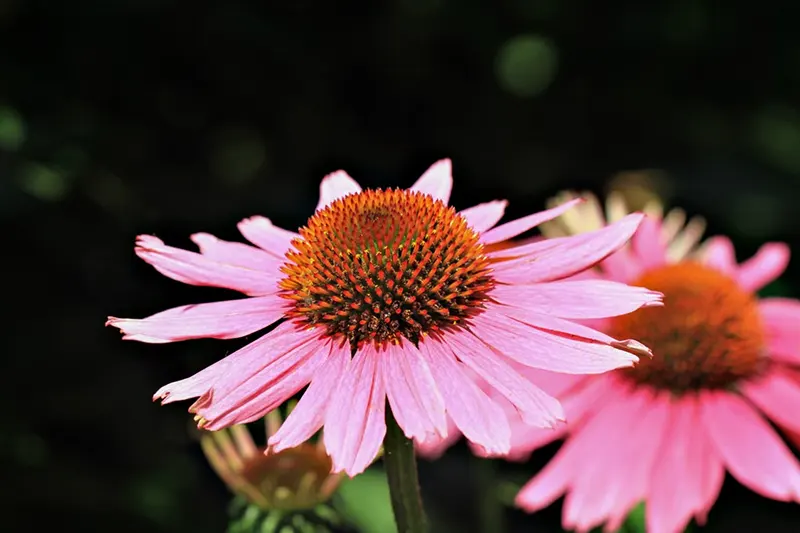
| Botanical Name | Echinacea purpurea |
| Native Area | North America |
| Hardiness Zone | USDA zones 3-9 |
| Maintenance | Low |
Coneflower is a herbaceous perennial flower that is popularly used as an accent flower. It is rightly named so due to its cone-like centre. These flowers come in different colors, including pink, yellow, orange, and red. Coneflowers bloom from June to August, but this varies as per the variety. They thrive in full sun and lack any strong fragrance. Despite the lack of fragrance, these flowers are great pollinating agents, which makes them extremely beneficial to plant.
2. Bellflower
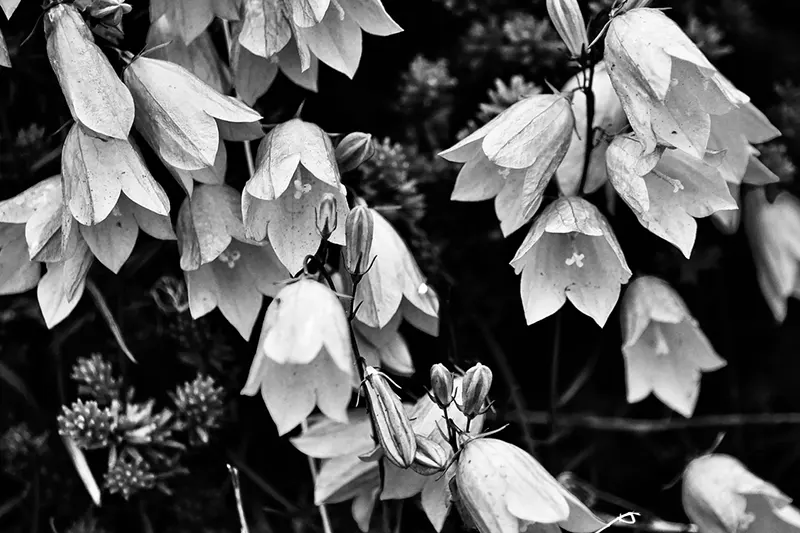
| Botanical Name | Campanula spp. |
| Native Area | Europe, temperate Asia, and parts of North America |
| Hardiness Zone | USDA zones 3-9 |
| Maintenance | Low |
Bellflower is a hardy perennial flower that features bell-shaped flowers. Best used in cottage garden style, these flowers are perfect for versatile garden styles. These deer-resistant flowers prefer warm days and cool nights to grow and thrive in full sunlight for 6-8 hours every day. They have a subtly sweet scent which helps attract a variety of pollinators to the garden.
3. Black-eyed susans
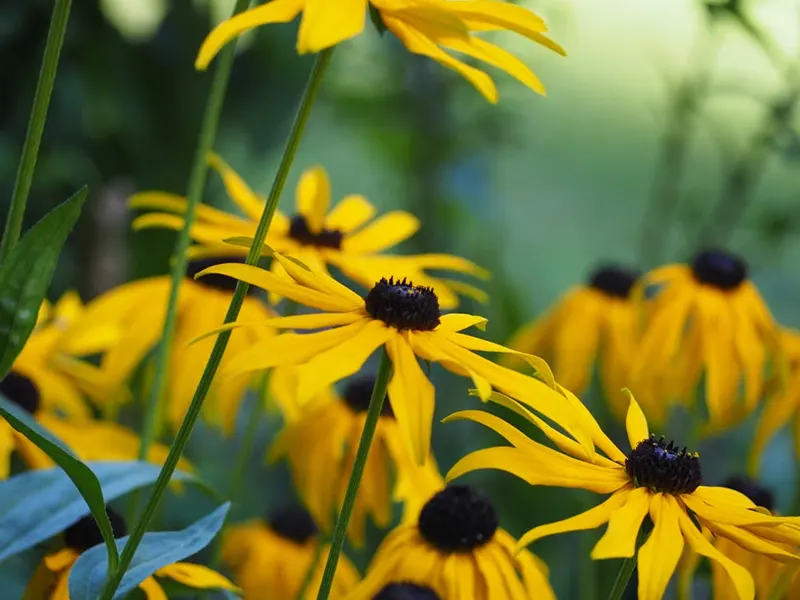
| Botanical Name | Rudbeckia hirta |
| Native Area | Eastern and North America |
| Hardiness Zone | USDA zones 3-9 |
| Maintenance | Low |
Black-eyed Susans are hardy perennials from the sunflower family. These daisy-like flowers feature cone-shaped flowers in orange and yellow colors and a black centre, which gives them the name ‘ black eyed susan.’ These perennial flowers prefer full sunlight and consistent watering for healthy blooming. These flowers have little to no fragrance, but are still popularly used in summer and fall flower arrangements.
4. Peony
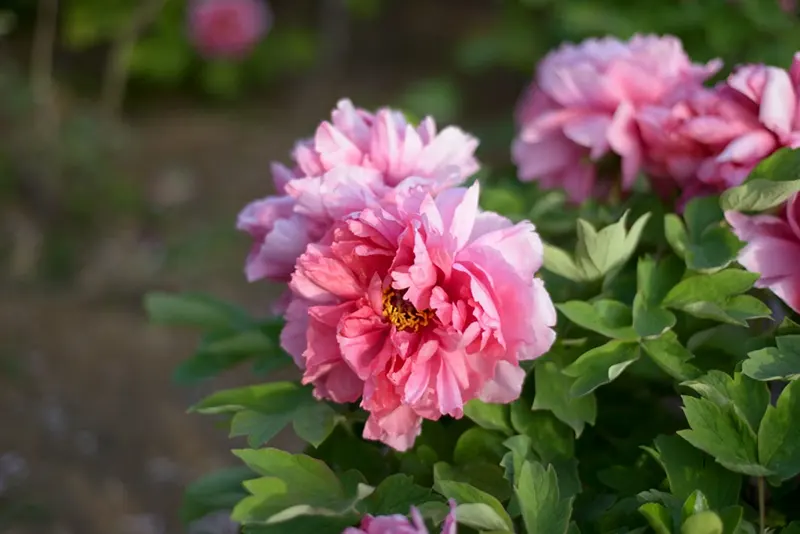
| Botanical Name | Paeonia |
| Native Area | Temperate regions of Europe, Asia, and Western North America. |
| Hardiness Zone | USDA zones 3-8 |
| Maintenance | Low |
Peonies belong to the Paeonia family and feature cup-shaped flowers that bloom once a year from late spring to early summer. These perennial blooms are divided into 3 categories: shrub, tree, and tooth types. Peonies are both garden flowers and cut flowers for weddings and special occasions. They are symbolic of love and affection and can last up to 2 weeks in a vase.
5. Carnations
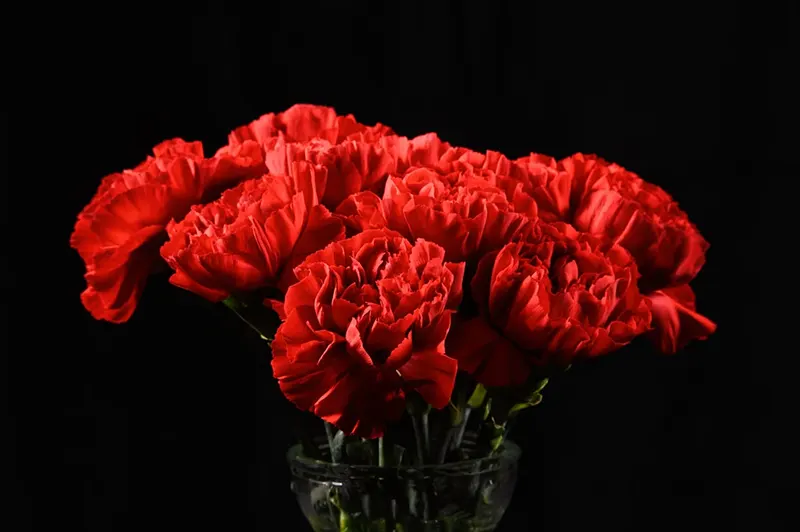
| Botanical Name | Dianthus caryophyllus |
| Native Area | Mediterranean regions |
| Hardiness Zone | USDA zones 6-10 |
| Maintenance | Low |
Carnations are perennial flowers from the pink plant family. These flowers feature ruffled blooms that are grown in a variety of colors. They are officially known as the ‘Mother’s Day flower, especially the pink variety. These flowers emit a strong, spicy fragrance and are associated with the idea of love and admiration.
How to Choose Between Perennial vs Annual Flowers?
Choosing the right plant also depends on various factors like lifespan, maintenance, and upfront cost. Annuals are cheaper initially, but need more investment with yearly replanting, while perennials are more of a one-time investment, but offer a shorter blooming window.
Take a look at these factors influencing the choice between perennials vs. annuals to help you make a more practical decision:
1. Gardening Goals
Annuals are great for seasonal colors, while perennial flowers are perfect to maintain structural stability. As per the Oregon State University, the annuals complete their life cycle in one growing season and perennials survive up to multiple years. If you want seasonal blooms, go for annual flowers as they have a fast growing rate, but in terms of long-term investment, perennial flowers are a much better investment.
| Goal | Annuals | Perennials |
| Season Color | Preferred due to their fast-growing habit and long blooming season. | Less preferable as they take a long time to bloom |
| Garden Structure | They die back in the frost, which makes them less likely to act as the garden structure. | Perennials are used for garden structure, as they survive the frost and do not need regular replanting. |
2. Cost
The upfront cost of annuals ranges from $1-$5, whereas for perennial flowers, this extends up to $5-$20 per plant. While on the surface investing in perennial flowers seems a lot, this cost is significantly reduced, as the perennials can survive with low maintenance as well. Annuals, on the other hand, might be cheaper initially, but the replanting and high maintenance add up to the overall cost eventually.
3. Blooming Period
Blooming periods also help one determine which flower to pick. Annuals bloom from spring until frost kills them naturally. This covers around 6 months, which is a lot for a garden color in a season. Perennials, which last multiple years, typically bloom for only 4-6 weeks in a year. Hence, although great for structural support, perennials do not offer the same level of garden color as the annuals.
4. Maintenance
Perennial flowers are comparatively easier to maintain than the annuals. These long-lasting flowers bloom for a short duration and come back on their own in the next spring. Whereas, annuals need proper care to survive the long blooming window it offers.
Take a look at this summarizing table for a glance:
| Criteria | Annuals | Perennials |
| Gardening Goals | For Seasonal Color | Garden Structure |
| Cost | Upfront: Low Long term: High (maintenance and replanting) | Upfront: Comparatively higher. Long term: Low |
| Blooming Period | 4-6 months (spring to frost) | 4-6 weeks |
| Maintenance | High | Low |
Gardening Tip I usually plant a mix of both annuals and perennial flowers. This ensures that my garden never loses color. Pick the varieties that are frost-tolerant, which makes fall as vibrant as spring.
Concluding Remarks
In summary, the annual vs. perennial flowers together make up the garden aesthetic. Where annuals are planted for their long blooming period and seasonal color, perennials are great as a long-term investment. My advice to gardeners confused about what to choose: go for a mix of both. This will ensure both structural support and a pop of color when needed.
Happy Gardening!
FAQs
Which is better, annual or perennial?
What is the longest-blooming perennial?
Catmint is the longest-blooming perennial flower. It blooms for around 5-6 months, from spring to frost, giving a year-round color to the garden.
Are roses perennials or annuals?
Roses are perennial flowers that die in the frost and come back in the spring when the soil has warmed up.
What is the difference between annual, biennial, and perennial plants?
Perennial, biennial, and annual flowers vary in terms of their growth cycle. Perennial flowers last 2+ years, biennial flowers bloom for up to 2 years, and annuals complete their growth cycle in a single year.
What are 5 examples of biennial plants?
Foxglove, sweet William, hollyhock, carrot, and silver dollar plant are 5 biennial plants that last up to 2 years.
Sources:
Understanding plant life cycles– BBC Gardeners’ World
Latest Blog