Signs include curling shingles, missing shingles, loss of granules, leaking, and the age of the roof itself.
Complete Guide to Roof Replacement and Exterior Care
Author
Terri SanderLast Update
September 30, 2026
Maintenance of your property involves looking out for both the roof and exterior walls. These two elements will be weakened by rain, high winds, high temperatures, snow, and temperature changes until the point where they begin showing signs of deterioration, which may include cracked walls, missing roof shingles, loose siding, and backed-up gutters that leak.
Repairing an old roof and taking care of exterior surfaces is important to avoid any costly damage. This will also protect your home’s value. In this article, you’ll learn roof replacement signs, different roofing materials, energy-efficient solutions, siding maintenance, and gutter maintenance.
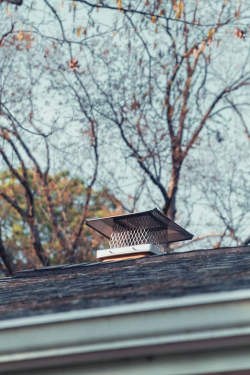
Table of Contents:
Identifying When Your Home Needs a New Roof
Exterior surfaces will always be exposed to weather effects every season. Homeowners looking for guidance often turn to https://youngconstructionnorthiowa.com/ to understand local building standards and maintenance schedules. Spotting early warning signs helps prevent interior structural damage.
Shingles that curl up at the edges or show missing sections signal that materials are reaching the end of their lifespan. Heavy rain washes loose granules into gutters, leaving bare patches across the top of the house. Indoors, damp ceiling spots prove that water gets through; thus, immediate attention is required.
Age plays a major role in how well exterior surfaces protect against rain and ice. Traditional asphalt surfaces typically last between 15 and 25 years under standard conditions. Scheduling a professional inspection after 15 years of usage can reveal deck rot early.
Comparing Popular Roofing Materials
Choosing the right material shapes long-term maintenance demands and upfront project costs. Different products offer varying degrees of durability against severe storms, high winds, and heavy snow. Selecting materials built for regional climate conditions prevents premature wear.
Asphalt Shingle Options
Asphalt shingles are a common choice for many residential neighborhoods across 3-tab and architectural designs. Standard 3-tab shingles provide cost-effective protection, whereas dimensional architectural shingles offer thicker layers that withstand strong gusts. Fast installation makes this option convenient for fast turnarounds.
Architectural shingles feature multiple layers of fiberglass and asphalt bonded together. This multi-layered construction adds dimension to the roofline and improves wind resistance up to 130 miles per hour. Synthetic underlayment applied beneath these shingles adds an extra moisture barrier.
Metal and Alternative Systems
Metal roofing panels constructed from steel or aluminum deliver decades of protection against harsh weather. These installations resist fire and shed heavy winter snowfall efficiently. Natural slate or composite tile options deliver distinct appearance options, though they require stronger structural support underneath.
Standing seam metal designs conceal fasteners underneath raised interlocking edges. This construction eliminates exposed screw holes where water might otherwise seep through. Homeowners often choose aluminum in coastal or humid areas to prevent rust formation.
Energy Efficiency and Ventilation Upgrades
Replacing the existing overhead barrier provides a chance to improve thermal efficiency throughout the entire home. Proper attic ventilation keeps temperature levels balanced and prevents destructive ice dams during cold weather cycles. Balanced airflow will protect the structure against excessive moisture buildup.
Building enclosure research published by Rutgers University showed a 19.8% reduction in heating energy and a 17.1% reduction in total energy by installing R30 roof insulation and
reflective roof material with a high solar reflectance index. Lower energy consumption helps keep utility expenses down during peak summer and winter seasons. Adding modern barrier materials creates a more stable interior climate year-round.
Exterior Wall and Siding Protection Strategy
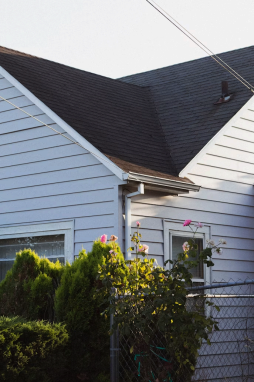
A complete envelope strategy pairs top deck protection with sturdy siding materials. Siding blocks wind-driven rain and keeps humidity out of wall cavities. The best siding will protect the framing from rapid temperature changes.
Periodic siding inspections keep small issues from growing into costly fixes.
- Check for cracks, warping, and loose fasteners in your vinyl or fiber cement siding panels.
- Wash exterior walls once a year to remove dirt, mildew, and organic growth.
- Seal gaps around windows and doors with high-quality exterior caulk.
- Cut down any tree branches that hit your siding when the wind blows.
Disaster Repairs and Federal Assistance Guidelines
Occasionally, extreme weather may lead to unexpected property damage requiring emergency services. Wind from storms may dislodge portions of decks and bring tree branches crashing into rafters. Knowing how to secure a structure quickly limits interior destruction after severe windstorms.
According to the Federal emergency management, federal disaster assistance covers repairs for disaster-related leaks that threaten ceilings and electrical components, like overhead lights, but excludes cosmetic stains. Understanding what assistance program rules cover helps families plan immediate recovery steps. Quick temporary tarping keeps rainwater out as official inspection steps proceed.
Seasonal Flashing and Gutter Maintenance
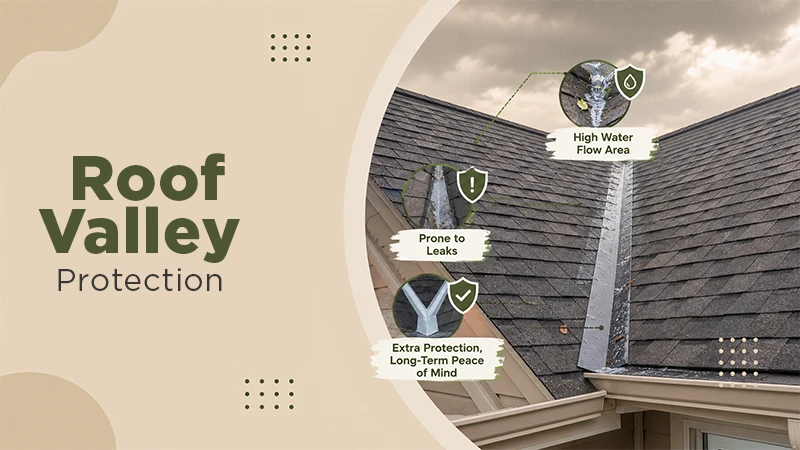
Flashing made of metal will secure the weak spots where chimneys, vent stacks, and walls meet. Repeated temperature fluctuations cause metal panels to expand and contract, loosening sealant beads. Inspecting flashing joints twice a year prevents subtle water paths from opening up.
Gutter systems must remain clear so rainwater drains cleanly away from foundations. Clogged downspouts force water back under shingle edges, causing hidden decking rot. Dirty gutters will divert water under the shingles, leading to decking decay.
Proper exterior care combines proactive inspection habits with timely structural upgrades. Addressing minor leaks, upgrading insulation, and inspecting siding protect your investment through every season. Consistent maintenance keeps structural elements strong and protects long-term property value.
FAQs
What are the signs of a roof needing replacement?
What is the average life expectancy of an asphalt shingle roof?
An asphalt shingle roof will usually last between 15 and 25 years, depending on quality and installation.
What kind of roofing material works well in harsh conditions?
Metal, architectural shingles, slate, and composite roofing work well under harsh conditions.
How often should you check the siding?
Homeowners must check their exterior siding at least one or two times per year and after any storm to detect cracks, warped sections, and loose areas.
Latest Blog