Caring for the anthurium plant includes watering it moderately, keeping it in humid conditions, providing indirect sunlight, and fertilising it properly.
Anthurium Care, Taxonomy, Growing Tips and Common Pests and Solutions!
Author
Rashika GuptaReviewed By
Cody Allison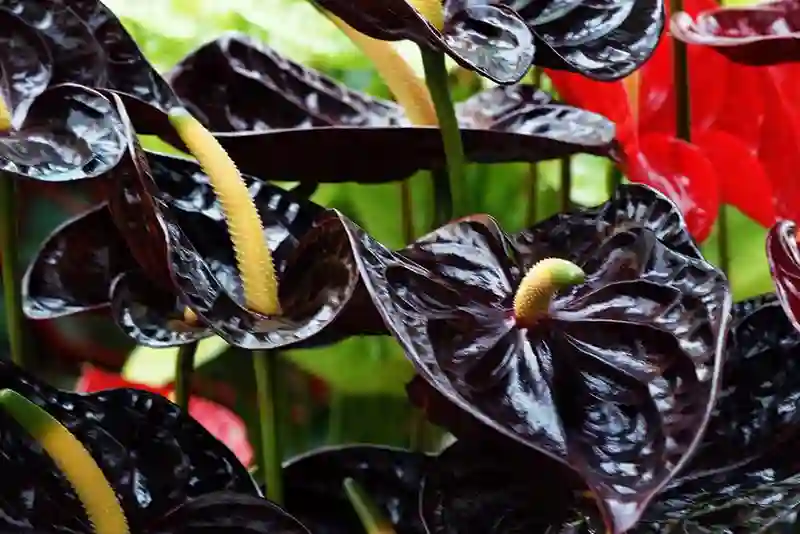
Anthuriums or flamingo flowers are vibrant tropical plants which bloom in various hues of red, green, and white. The plant is native to Central America, the Caribbean, and Northern South America. This perennial is known for its heart-shaped waxy spathes and blooms repeatedly.
The plant is also known as an attention seeker because it requires proper attention to light, warmth, and humidity. The plant can thrive both indoors and outdoors in indirect light and a well-drained potting mix/soil.
Let us dive into the article to know more about anthurium care tips, taxonomy, common pests and problems, and much more.
Table of Contents:
Common Anthurium Care Tips You Should Practice While Growing
When we talk about care of anthurium plants, the first thing that comes to mind is weather conditions, watering, etc. Here is the list of things that you need to ensure are correctly looked after as the plant grows:
- Ensure that the plant is grown in a bright area that receives indirect sunlight. Too much exposure to light causes leaf browning and spotting.
- Allow the soil to dry at least 2 inches deep between two watering sessions. This will prevent the plant from any fungal disease or root rot. Reduce the watering frequency during winter.
- Make sure to plant your Anthurium in a well-drained potting mix. As the houseplant grows, mix potting soil and perlite.
- Use balanced, water-soluble fertilizer once every two weeks during the growing season between April and August.
- Prune faded flowers as needed in winter. This will ensure good and continuous healthy blooms.
- Repot the plant in spring if required. This can be as soon as the roots outgrow the current pot.
- Use a stake or small trellis to support plants with the aerial roots.
Tip
- While planting the Anthurium plant, make sure that your area or indoor space is highly humid because they prefer high humidity and temperature.
- If the temperature is below 60 degrees Fahrenheit, the plant will get damaged and die off when the temperature dips to 40 degrees Fahrenheit.
Read more: Sensitive Plant Mimosa Pudica: Taxonomy, Propagation Process, Care Tips and Common Pests
Taxonomy and Ideal Growing Conditions For Anthurium Plant
Anthurium is known as the largest genus in the Araceae Arum family. This genus offers about 1000 species of flowering plants. Some of the common names are pigtail plant, flamingo flower, flamingo lily, and tailflower. All the plants that fall under the Anthurium genus are considered to be toxic to pets like dogs, cats, and horses.
The plant is also toxic to humans as it contains insoluble calcium oxalate crystals that cause pain, swelling, oral irritation, vomiting, and in some cases, difficulty in swallowing. For more general information, here is the taxonomic overview and ideal growing conditions of the plant:
| Botanical name | Anthurium spp. |
| Common names | Laceleaf, flamingo plant, tailflower. And anthurium |
| Kingdom | Plantae |
| Order | Alismatales |
| Family | Araceae (Arum family) |
| Genus | Anthurium |
| Native area | Caribbean, Central America, and South America |
| Bloom period | Spring, summer, fall, and winter |
| Hardiness | 11 to 12 USDA zones |
| Light Requirements | Partial sunlight |
| Maintenance | Low to moderate |
| Type | Perennial, herbaceous |
| Soil | Well-drained soil with acidic pH levels |
| Flower colour | Pink, red, and white |
| Water Requirements | Average. Note: Make sure to allow the soil to dry out between two watering sessions. |
| Mature size | 9 to 12 inches wide and 12 to 18 inches tall |
| Fertilizers | Anthuriums are heavy feeders. Therefore, they require weekly fertilisation during the growing season. |
| Toxicity | Toxic for both humans and pets |
Popular Varieties of Anthurium Plant
Though anthurium is known for its aesthetic value and each species of this flower is incredibly beautiful, here are some of the most popular and people’s favourite varieties of anthurium plant with their description:
| Anthurium plant varieties | Description |
Anthurium andraeanum (Flamingo lily)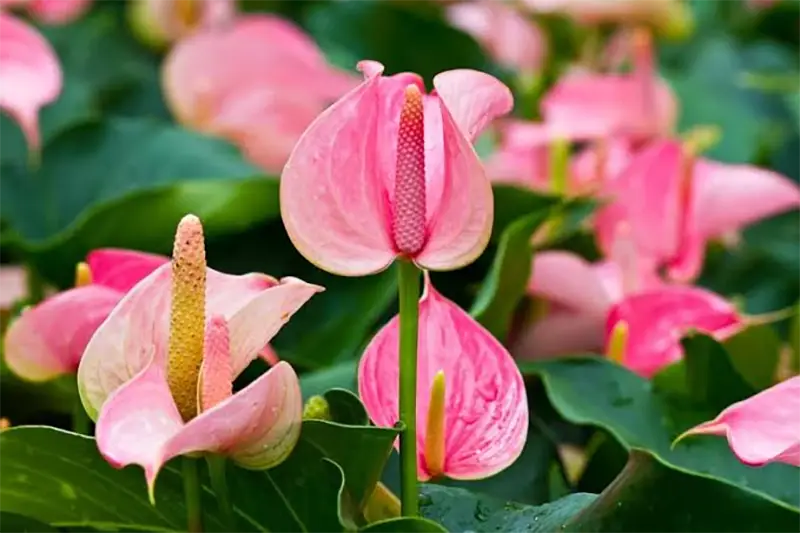 | Flamingo lily can grow as an epiphyte on other plants or terrestrially. The plant requires warm temperatures and high humidity to grow and survive. They usually grow up to 2 ft. tall and produce white, salmon, red, pink, and black-red spathes. |
Anthurium scherzerianum 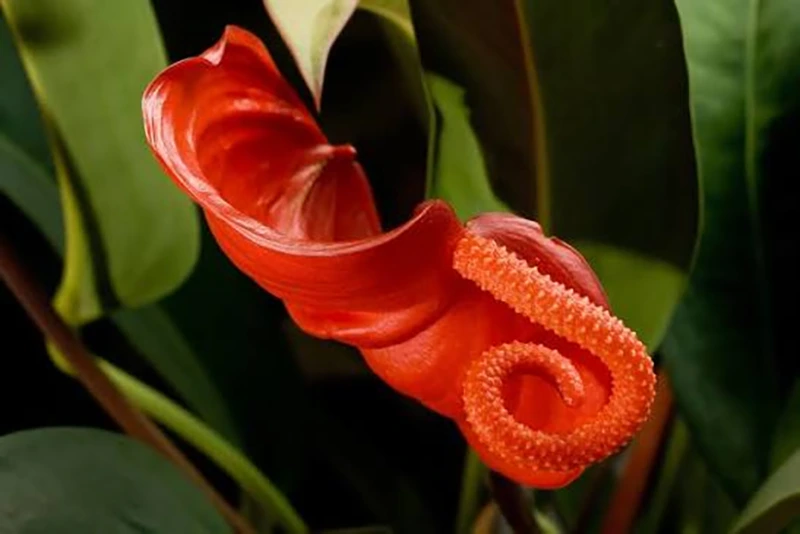 | It is one of the most commonly found species of Anthurium, featuring a curling orange flower spike and arrow-shaped leaves. This pigtail plant is also a popular houseplant and can grow up to 1.5 ft. tall and 1 foot wide. |
Anthurium crystallinum 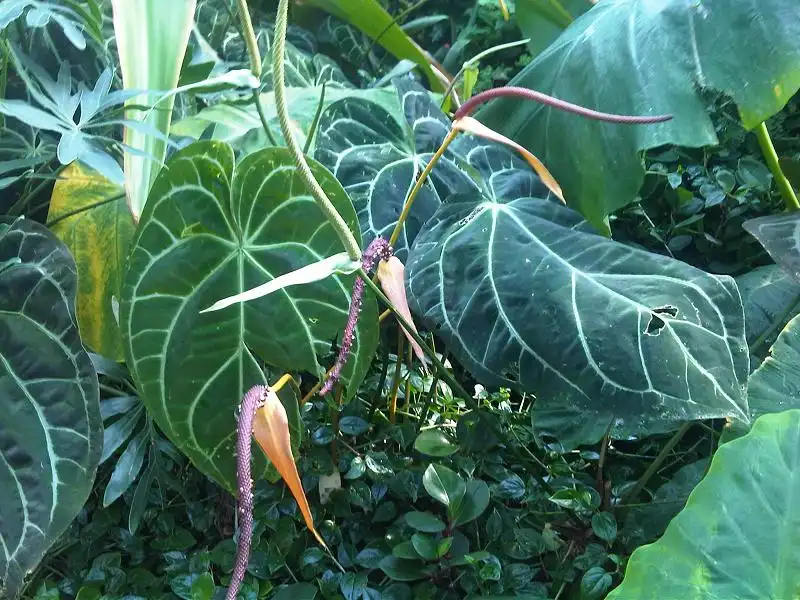 | Anthurium crystallinum, commonly known as Crystal Anthurium, is one of the less common species of anthurium. They thrive best in bright, indirect light and require constantly moist soil and high humidity. The plant grows up to 3 ft. tall and 2 ft. wide. |
Anthurium faustomirandae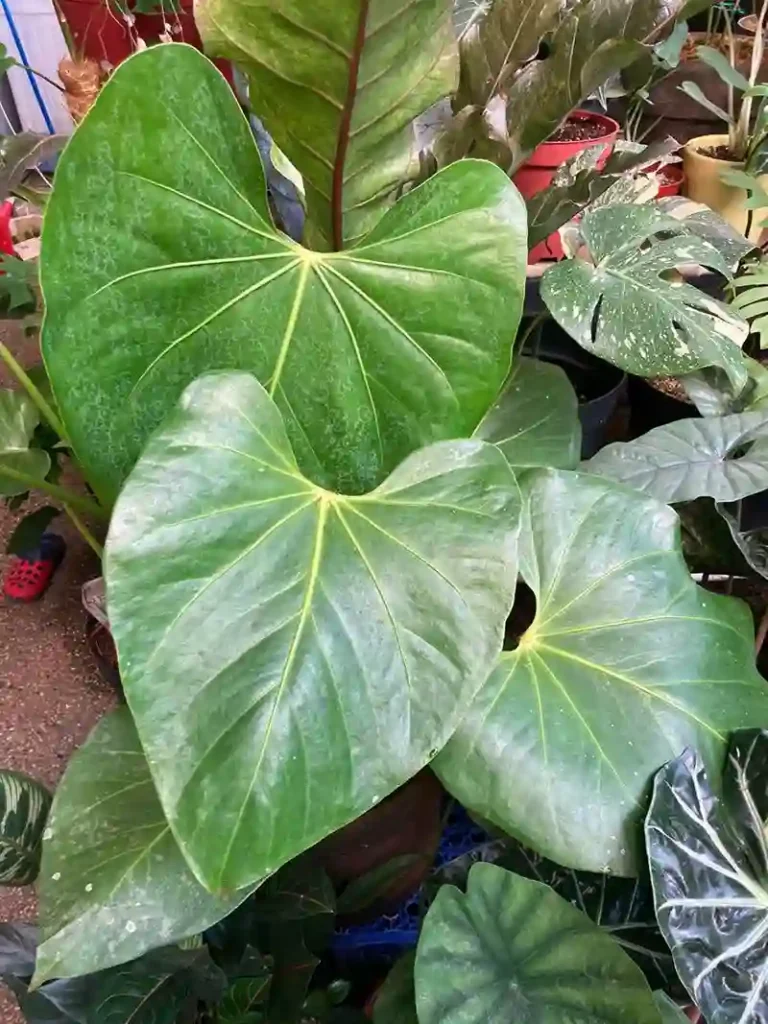 | This perennial plant from Mexico is known for its big, monster-like size with stiff leaves. It grows around 5 ft. tall and is almost an exclusive greenhouse plant. |
Read more: Everything You Need to Know About Cosmos Flower: From Ideal Growing Conditions to Pests & Problems
How to Propagate an Anthurium Plant?

Anthuriums are propagated using the side shoots (pups) and stem-cutting method. The best way to propagate the anthurium plant is by using side shoots. This is a relatively easy and widely popular method. Here are a few simple steps to propagate the anthurium plant by using side shoots:
- Search for a well-developed side shoot that is growing off the main plant stem. This will have at least one mature leaf and several aerial roots, which can be easily removed along with the side shoot.
- Now, use a sterile, sharp implement to remove the side shoot by making a clean, straight cut where it meets the main stem.
- Prepare the container by filling it around one-third with a potting mix. Make sure the pot is wide and deep enough to accommodate the stem and potting mix. Also, ensure the pot has a proper drainage hole.
- Set the cutting on top and fill in to cover the aerial roots. Do not let the leaves touch the soil. Remove the excessive leaves.
- Water the plant thoroughly and place it in a warm spot with high humidity and indirect light.
- The new growth appears in about five to six weeks.
- Use balanced fertilizer at least 3 times within 2 months.
Read more: Tradescantia Plant Guide: Taxonomic Overview, Ideal Growing Conditions, Care Tips, & Much More!
Common Pests and Problems With Flamingo Plant
Flamingo lilies are subject to the same pests as other houseplants. The list includes aphids, scales, etc. Here is the list of common pests and problems that can attack your flamingo plant and their cure:
| Pests and Problems | Ways to cure |
| Aphids and whiteflies | These stubborn insects can be treated with a strong spray of water or neem oil. If they still don’t leave the plant, using horticultural soaps is considered to be beneficial. |
| Scales and spider mites | If you find any scales or spider mites, handpick them or use a strong water jet to remove them.If they still don’t leave your plant, using organic insecticidal soaps is considered to be beneficial. |
| Mealybugs | Mealybugs appear as white powder on your plant. Dab them with a cotton swab dipped in isopropyl alcohol every once a week. |
| Yellowing leaves | To avoid yellowing leaves, place the plant at a location that receives indirect sunlight. Direct sunlight is often considered to impact the plant’s health. The early signs of too much sun exposure are bleached, brown tips on the leaves. Move the plant as soon as you notice these signs to keep it healthy. |
| Floppy Leaves | Another common problem with anthuriums is floppy leaves, caused by overwatering. Therefore, avoid overwatering the plant. Water only when the top layer of the soil starts to dry out. |
Tip
In case you find any pests on your plant, ensure you keep it isolated for several days from the other plants to keep them safe.
Takeaways
Anthuriums require indirect sunlight, moderate watering, and good fertilisers. Many beginners prefer planting anthuriums for their aesthetics and beautiful blooms.
The different varieties of anthurium also allow you to choose the perfect plant that best suits your space and is easy to care for.
Next time you are planning to plant species that give better results with easy care, choose an anthurium that best suits your personality. Happy planting!
FAQs
How to take care of anthurium plant?
Is anthurium houseplant?
Yes, anthurium is commonly grown as an ornamental houseplant. Some of the most common varieties of anthurium houseplants are Flamingo flower, Anthurium crystallinum, Heart Leaf Anthurium, Anthurium superbum, Anthurium Fingers, King Anthurium, and Queen Anthurium.
Are anthuriums toxic?
Yes, anthuriums are toxic for both humans and pets. Avoid planting anthuriums if you have pets and kids at home. In case someone consumes any part of the plant by mistake, go to the hospital.
Which pests can attack the anthuriums?
Anthurium plants, like many houseplants, can be attacked by mealybugs, spider mites, whiteflies, aphids, and scales.
How long does an anthurium bloom?
Anthurium flowers last between two and three months. Whereas the cut flowers can last up to 2-3 weeks when kept in a vase.
Sources
Anthuriums Genus Anthurium: iNaturalist
Anthurium: Britannica