U-factor rates the level of heat-transfer resistance of a window, whereas SHGC shows how much solar radiation enters through the window; the lower these numbers are, the better.
What You Should Know Before Replacing Windows in a Hot, Storm-Prone Climate
Author
Terri Sander
Windows have a more difficult role in Fort Myers than merely offering you a view. There is a lot of heat, salty air, rain, and enough sunlight to make an indoor setting feel like a greenhouse within hours in Fort Myers.
With the average cost of homes in this region being $384,500, as per data released in 2020-2024 by the U.S. Census Bureau, this matter assumes financial significance. Picking out new windows to replace your current ones does not boil down to merely finding something aesthetically pleasing.
Table of Contents:
- Your climate changes the whole decision
- Energy ratings are worth your attention
- Impact resistance is not just a luxury feature
- Frame material affects maintenance and lifespan
- Installation quality matters as much as the window itself
- Style should support function, not fight it
- Budgeting means looking past the sticker price
- A smart replacement plan starts with clear priorities
- FAQs
Your climate changes the whole decision
While a good window in an area where the climate is moderate and dry might not perform well in southwest Florida. Fort Myers homes face intense UV exposure, heavy rain, and hurricane-season pressure changes. That means your replacement choice should focus on energy efficiency, moisture resistance, and impact performance, not just style.
Low E-glass technology minimizes heat transfer, and considering that the AC is working hard enough, this would be a good solution. Durable frame materials such as vinyl or well-engineered aluminum can also hold up better against humidity and salt in coastal air.
If you’re comparing options for window replacement in Fort Myers, local conditions should shape nearly every part of the decision. A sleek window with weak weather resistance is basically good looks with bad timing.
Energy ratings are worth your attention
Window labels can be confusing with all the letters thrown around. The U-factor measures how well a window prevents heat transfer. Lower numbers usually mean better insulation. Solar Heat Gain Coefficient, or SHGC, tells you how much solar radiation gets through the glass. Low SHGCs are usually preferable in warm climates.
Visible Transmittance measures how much light enters your home. You want daylight without the indoor oven effect. Air leakage ratings also matter, especially in windy or storm-prone areas.
These ratings will make a big difference in your comfort. A room that used to feel blindingly hot at 3 p.m. can become far more usable with the right glass package. Your cooling system may also run less often, which can help trim energy bills over time.
Impact resistance is not just a luxury feature
In storm-heavy regions, impact-rated windows can be a serious practical upgrade. They are designed with stronger frames and laminated glass that can better withstand flying debris and pressure changes. That doesn’t mean they are indestructible, but they offer protection that standard windows usually don’t.
This matters for more than dramatic weather events. Higher-quality windows often improve security, reduce outside noise, and create a tighter seal. If you live near a busy road or have neighbors who treat weekends like an outdoor concert series, additional soundproofing could be a welcome upgrade.
Before making a purchase, look up any regulations on building codes in your area. In many parts of Florida, codes for wind resistance and impact performance are strict. If your windows don’t meet them, the bargain price may turn into a costly do-over.
Frame material affects maintenance and lifespan
People often focus on glass first, but the frame plays a huge role in long-term performance. Vinyl is a good choice because it resists moisture, needs relatively little maintenance, and often provides good thermal efficiency. Fiberglass is strong and stable, though it can cost more. Aluminum is durable and sleek, but some types transfer heat more easily unless they include thermal breaks.
Wood frames have a traditional look, but in humid climates, it demands more maintenance. If neglected, it can warp, swell, or invite rot. That may be fine for a homeowner who enjoys upkeep, but many people prefer something less needy.
Think about your actual habits. If you know you won’t repaint, reseal, or check the condition of your frames often, choose a material that forgives neglect. Your future self will appreciate fewer chores and fewer unpleasant repair surprises.
Installation quality matters as much as the window itself
You can purchase an excellent window and still end up with poor results if the installation is sloppy. Gaps, weak sealing, bad flashing, or incorrect measurements can lead to drafts, water intrusion, and reduced energy performance. That is where many window projects go sideways.
A right and proper installation should account for the condition of the surrounding wall, moisture management, and structural issues. In older homes, that may involve more effort and prep work than expected. Settling, hidden rot, or outdated framing can complicate what seemed like a simple swap.
Ask detailed questions before work starts. Will installers inspect for damage around the opening? What kind of sealing system will they use? How will they protect interior finishes? Precision matters here. Windows are not giant stickers you peel and press into place.
Style should support function, not fight it
Different window styles change how a room feels and functions. Casement windows can seal tightly and catch breezes well, which helps with ventilation. Double-hung windows are common and versatile, though some models may not seal as tightly as other designs. Picture windows bring in lots of light but do not open.
Think room by room. A bathroom could require privacy and ventilation. A living room might benefit from larger glass areas and better views. Bedrooms should balance egress requirements, comfort, and noise control.
Orientation can also influence the design. South- and west-facing windows often take the brunt of heat and sun exposure. You may want stronger solar control in those areas than in rooms with softer light. Good design is not only about curb appeal. It should make everyday living easier.
Budgeting means looking past the sticker price
Most of the time, an estimate that is cheap does not reflect the total cost. Window replacement costs depend on size, materials, glass upgrades, labor, permitting, and whether the installer finds hidden damage. A low initial number can climb fast once the project begins.
Try comparing and analyzing bids line by line. Are permits included? Is disposal of old windows covered? Does the price include impact-rated glass, upgraded coatings, or interior trim work? Details matter because vague estimates have a habit of becoming expensive later.
It also helps to think in terms of value, not just price. Improved windows may lower maintenance needs, improve comfort, reduce noise, and support resale appeal. Buyers notice updated windows, especially in climates where storm protection and efficiency are high on the priority list.
A smart replacement plan starts with clear priorities
Before you commit, figure out what matters most in your home. Maybe you want lower cooling costs, less outside noise, stronger storm protection, or fewer maintenance headaches. Once you list all your priorities, it becomes much easier to sort through product choices without getting distracted by flashy upgrades that sound impressive but solve the wrong problem.
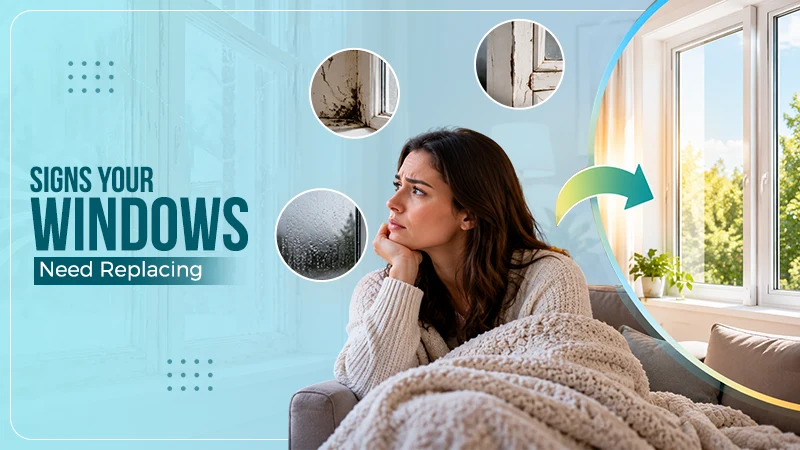
Walk through your home and see where the problems occur. Which rooms overheat? Where do you hear wind or traffic? Do any windows stick, leak, or show condensation between panes? Those clues help shape better decisions than guesswork ever will.
A successful window project is never about chasing trends. It is about matching the product to the climate, the house, and the way you actually live. That approach tends to age much better than impulse buying dressed up as home improvement.
FAQs
What do energy ratings such as U-factor and SHGC tell about windows?
U-factor rates the level of heat-transfer resistance of a window, whereas SHGC shows how much solar radiation enters through the window; the lower these numbers are, the better.
Do impact-resistant windows still have value for me if I don’t live by the sea?
Impact-resistant windows provide additional advantages for people, including safety, reduced noise levels outdoors, and improved seal performance.
Why is the installation process just as important as the window itself?
Poor installation, such as gaps, improper sealing, or improper flashing, can result in drafts and water intrusion despite having the best window installed.
What else should I consider besides the cost estimate when planning the budget for windows?
Compare if there are fees for permits, disposal of old windows, impact-rated glass, and trim installation, since inaccurate estimates cause extra costs later.
What do energy ratings such as U-factor and SHGC tell about windows?
Do impact-resistant windows still have value for me if I don’t live by the sea?
Impact-resistant windows provide additional advantages for people, including safety, reduced noise levels outdoors, and improved seal performance.
Why is the installation process just as important as the window itself?
Poor installation, such as gaps, improper sealing, or improper flashing, can result in drafts and water intrusion despite having the best window installed.
What else should I consider besides the cost estimate when planning the budget for windows?
Compare if there are fees for permits, disposal of old windows, impact-rated glass, and trim installation, since inaccurate estimates cause extra costs later.
Latest Blog