Yes! The ripe fruits are edible and used for culinary purposes. However, unripe fruits, leaves, husks, and flowers are toxic.
Ground Cherry Plant Growing Guide: Care, Harvest and Uses
Author
Rashika GuptaReviewed By
Cody Allison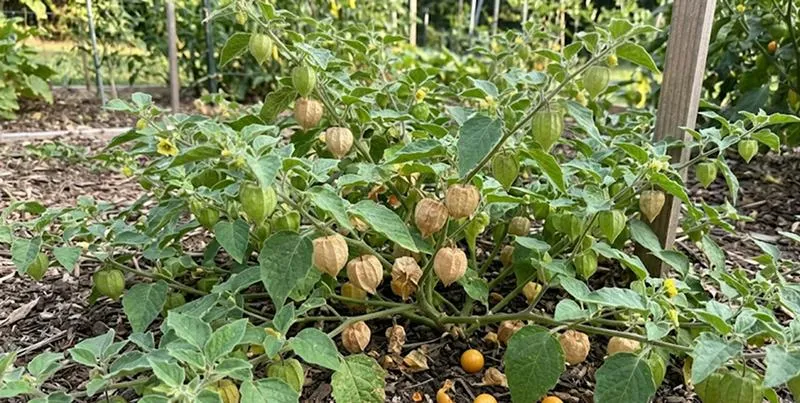
The ground cherry plant is one of my favourite crops due to easy cultivation and tangy but sweet berries. It is a compact plant that hides the marble-sized golden fruits in papery husks. I particularly enjoy using them for jams, salsas, and salads.
If you want to plant these annuals in the upcoming spring, come along and read this article to learn all the necessary information about ground cherries, from initial planting to harvesting and storage.
Table of Contents:
- Ground Cherry Plant: Quick Information Box
- Ground Cherry Planting Steps
- How to Care for Ground Cherry Plants
- Harvesting and Storage of Ground Cherries
- Ground Cherries Nutrition and Culinary Uses
- Propagation Method for Ground Cherries
- Pests, Diseases, and Other Issues in Ground Cherries
- Companion Plants For Ground Cherries
- Summing Up
- FAQs
Ground Cherry Plant: Quick Information Box
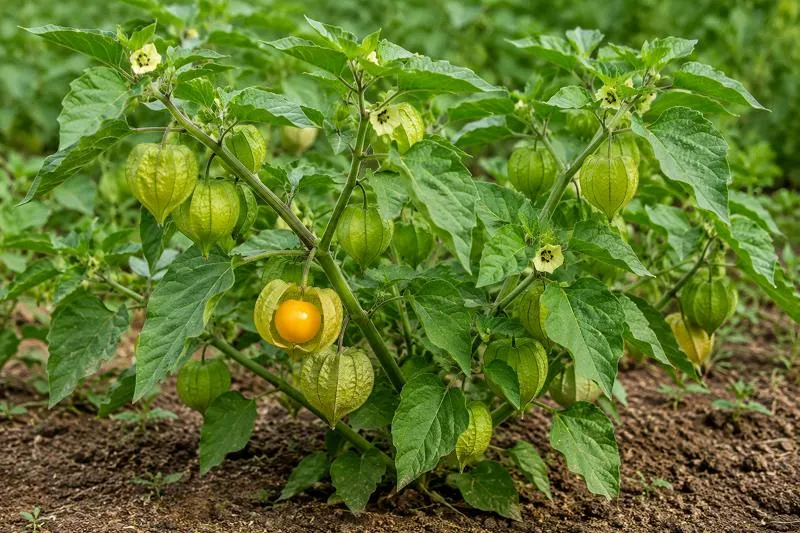
Ground cherries plants can be grown as annuals or tender perennials. They belong to the same nightshade family as tomatoes, potatoes, eggplants, and peppers. Native to America, they bloom in early summer with bell-shaped yellow flowers.
Let’s see the basic information about this plant before the detailed discussion:
| Botanical Name | Physalis pruinosa |
| Order | Solanales |
| Family | Solanaceae (Nightshade family) |
| Genus | Physalis L. |
| Native Range | Mexico and Central America |
| Hardiness Zones | As annuals in USDA zones 3-8 and as tender perennials in USDA zones 9-11 |
| Plant Type | They are warm-season annuals but can be grown as tender perennials in frost-free zones |
| Growth Habit | Low-growing, mounding, and spreading |
| Size | 1-2 feet tall and 2-3 feet wide |
| Bloom Time | Summer |
| Yield | 0.5-1.5 kg berries per plant |
| Toxicity | As per ASPCA, they are toxic to cats, dogs, and horses |
Ground Cherry Planting Steps
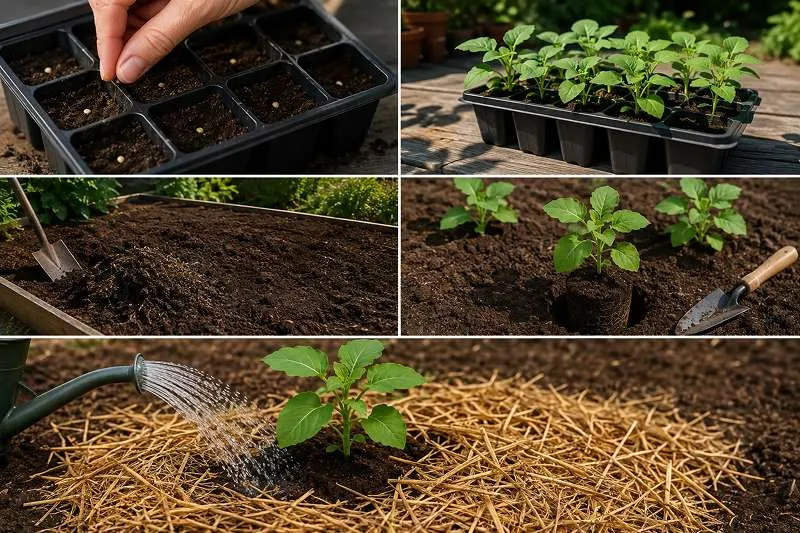
For planting ground cherries, you can start the seeds indoors 6-8 weeks before the last spring frost or outdoors after the threat of frost has passed. You may plant the ground cherry seedling in containers, raised beds, or garden beds.
Here are the planting steps for ground cherry plants:
- Step 1: Start the seeds indoors about 6-8 weeks before the last spring frost. Press the seeds lightly onto the soil surface without covering them completely, as they need light to germinate.
- Step 2: Harden off the seedlings for 5-7 days by gradually exposing them to the outdoor environment when the nighttime temperatures are above 50°F.
- Step 3: Choose a planting site that gets ample sunlight and has well-draining, loamy soil amended with compost.
- Step 4: Space plants at least 2 feet apart and plant them at the same depth as in their previous container.
- Step 5: Water the plant deeply and mulch around the plant by applying a 2-inch layer of straw or shredded leaves. This will help retain moisture and keep the future fallen fruits clean.
Smart Tip
Check the planting site to ensure it does not have taller trees and shrubs that might shade the plants during the day.
How to Care for Ground Cherry Plants
How to grow ground cherries? For caring for these plants, you have to place them in a location with full sun and well-draining soil. Additionally, water them once a week and feed them with organic fertilizers to encourage fruit production.
Let’s see the husk cherry care measures:
1. Sunlight Needs
The husk cherry plant does best in full sun. It needs at least 6 hours of sunlight a day to grow optimally. The tree can grow in less sun exposure, but it will likely fruit less.
2. Soil Requirements
These plants are tolerant of various soil types and aren’t considered picky about it. However, they thrive best in well-drained soil that is rich in organic matter and has a slightly acidic pH.
3. Watering Frequency
Ground cherries plant prefer well-moist soil and require about 1 inch of water per week. In dry conditions, it often drops the blossoms without producing fruit. Plan to water the plant at least once a week and potentially more in hot weather conditions.
4. Temperature and Humidity
The ground cherry tree has good heat tolerance in its growing zones. The ideal temperature range for growing ground cherry is from 55°F to 65°F, though it can tolerate temperatures as high as 85°F. However, frost kills the plant.
Humidity is not an issue with these plants; typically, 40% to 70% is best for them, which matches normal indoor and outdoor conditions.
Smart Tip
If you are growing ground cherries in cooler climates and frost threatens them before the ripening of fruits, cover the plants with row covers or with a piece of fabric to protect them.
5. Fertilizer
Amend the soil with compost while planting ground cherries. If the soil is poor, mix organic fertilizer to encourage fruit production. Avoid feeding heavy nitrogen, which can dull the flavour.
Smart Tip
Use tomato cages, wooden stakes, or twine to support the plants and keep them upright.
Harvesting and Storage of Ground Cherries
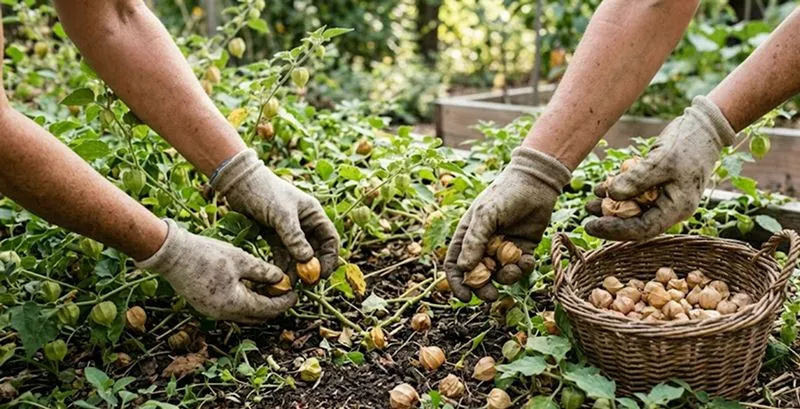
Ground cherries are generally harvested from the ground, not from the plant. During the growing season, from summer into fall, the plant produces fruits. Pick the fruits often and store them in a dry, well-ventilated space or freeze them for long-term use.
- Check daily as the ripe husks become tan and papery. Fruits typically drop off on their own when they are ready to be harvested.
- Gather the fallen fruits by hand, avoiding squeezing them. Many growers place a container or cloth under the plant to make the harvesting more convenient.
- Check the colour, as the best flavour is when they are amber to deep gold. The fruit should be slightly soft to thumb pressure.
- The husked berries can be stored in a dry, well-ventilated spot for about 2-3 weeks. If they are de-husked, consider refrigerating them for 7-10 days in the vented box.
- For longer use, spread them in a single layer on the baking sheet and freeze them until solid. Transfer them to a freezer bag where they can be used for 6 to 12 months.
Ground Cherries Nutrition and Culinary Uses
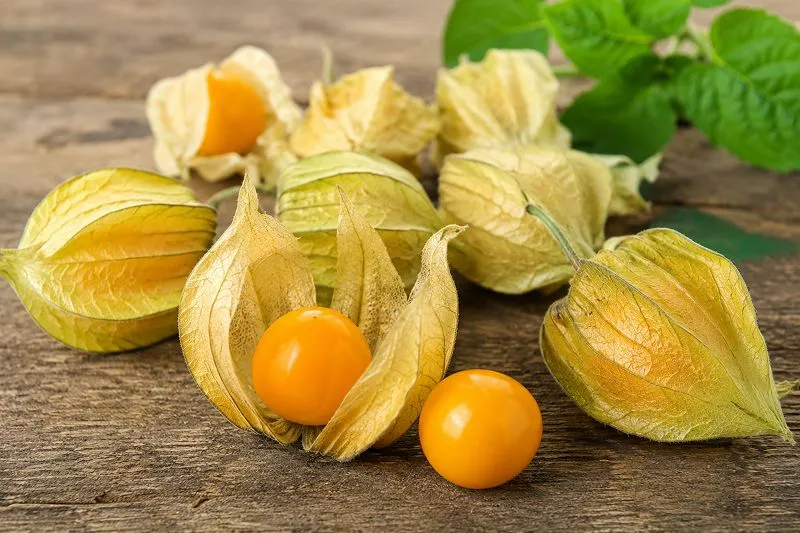
These fruits are nutrient-dense and provide a high amount of fiber and essential minerals. Husk tomato ground cherry plant fruits can be used in many ways in the kitchen. You can eat them fresh, use them in jams and salads, and dehydrate them into tangy raisins.
Nutritional Value of Husk Cherries (100 g)
| Nutrient | Value |
| Calories | 53 kcal |
| Carbohydrate | 12.2 g |
| Fiber | 2.3 g |
| Protein | 1.9 g |
| Fat | 0.7 g |
Culinary Ideas with Husk Cherries
| Snacking | Remove the husk, rinse the fruits, and eat them fresh with flaky salt. |
| Jam | Rinse berries and cook them with sugar and lemon to make delicious jam. |
| Chutney | Cook these fruits with onions, ginger, and warm spices for a savory-sweet chutney. |
| Salads | Combine with avocado, cucumbers, and lime honey dressing to add sweetness to the greens. |
| Raisins | Dry the fruits until they become leathery to make tangy and potable raisins. Store them in an airtight container for long-term use. |
Note: Eat only the ripe, de-husked fruits, as the leaves, husks, and unripe fruits are not edible and are considered toxic to humans and pets. Seek medical help immediately if the toxic part is consumed.
Propagation Method for Ground Cherries
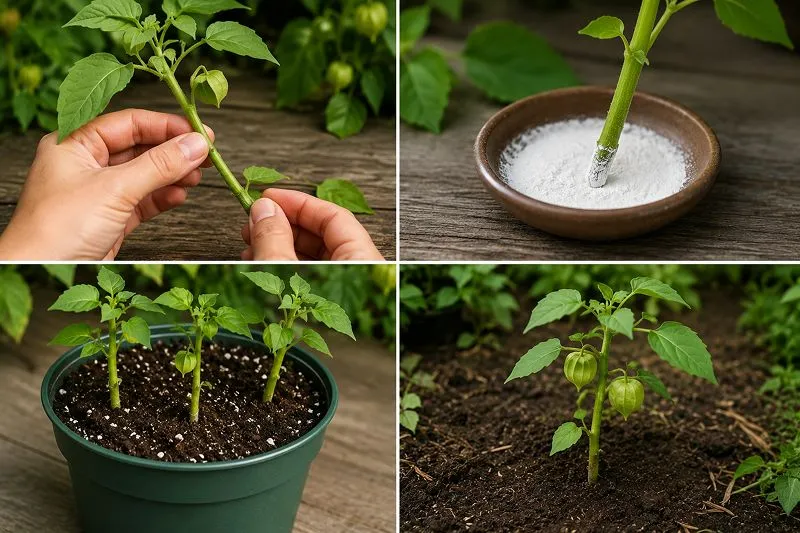
These plants are typically propagated through the seeds, but you can also root the softwood cuttings to grow them. In the spring or early summer, take a cutting and root it in the free-draining medium. This is an easy and inexpensive way to create a new plant.
Let’s see the steps of how to plant ground cherries from cuttings:
- Step 1: Take a 4-6 inch long cutting from the plant and remove the leaves from the bottom.
- Step 2: Dip the cut end in the rooting hormone.
- Step 3: Fill a container with soilless potting mix and place the cuttings into it. Ensure it has drainage holes. Keep the pot in a warm spot with bright indirect sunlight.
- Step 4: Water the soil well, and within a couple of weeks, the roots will form. Transplant it to the ground once you notice new growth on the stem.
Did you know?
People often confuse ground cherries with tomatillos. Tomatillos are called the Mexican husk tomatoes, while ground cherries are known as the husk tomatoes. Both belong to the same genus, but ground cherries are smaller and orange, while tomatillos are comparatively larger and green.
Pests, Diseases, and Other Issues in Ground Cherries
Husk cherries plant is generally hardy when compared to same family plants like tomatoes and tomatillos. But they can be affected by pests like aphids, whiteflies, and cutworms. They can also suffer from diseases including powdery mildew and leaf drop.
Let’s see the pests and diseases and their easy solutions in these plants:
Pests in Husk Cherry Plants
| Pests | Solutions |
Aphids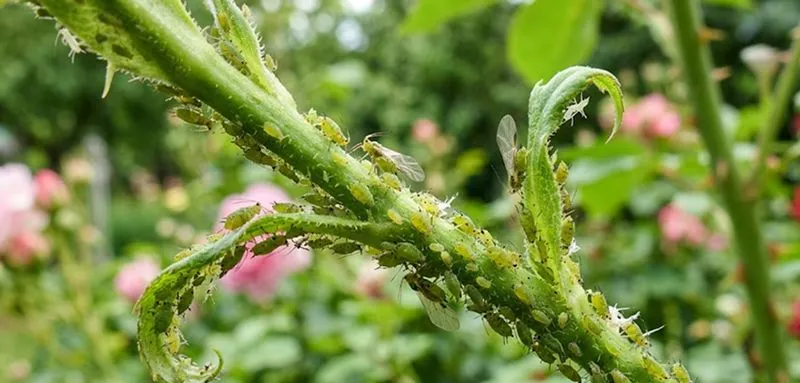 | Wash with a stream of water and invite lacewings and lady beetles. |
Cutworms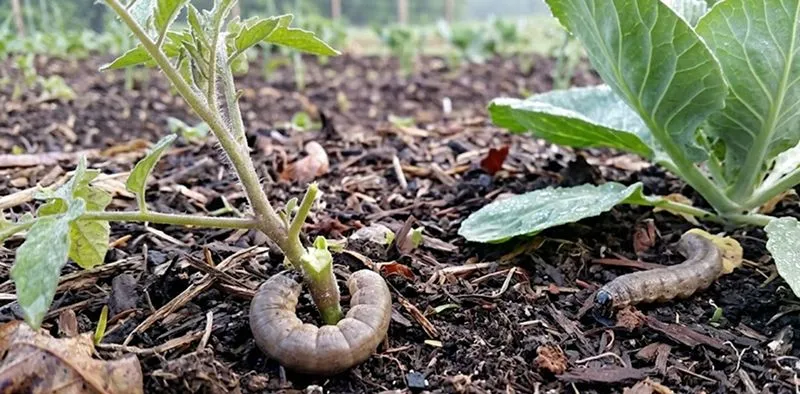 | For two weeks after transplant, use collars to prevent them. |
Whiteflies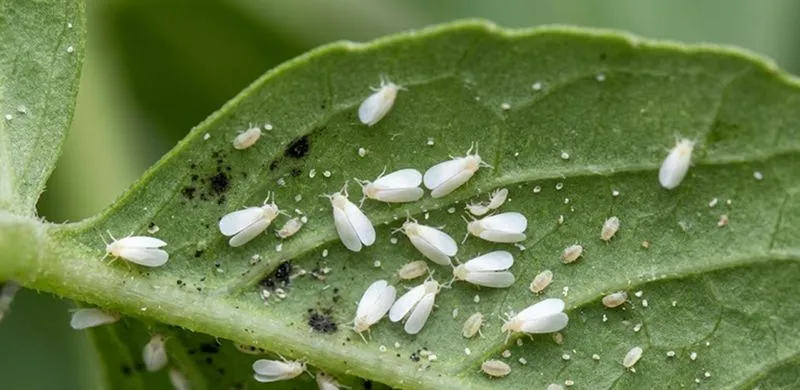 | Ventilate the space and monitor with yellow sticky cards. |
Flea Beetles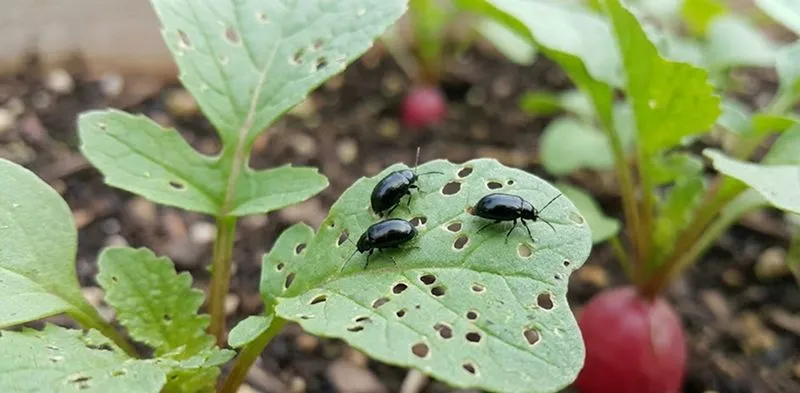 | Install floating row covers over transplants. If the seedlings are healthy, they outgrow the minor nibblings. |
Diseases in Husk Cherry Plants
| Diseases | Solutions |
| Leaf drop and early blight | Cage the plants to improve airflow, avoid overhead watering, and do mulching and crop rotation. |
| Powdery mildew | Prune lightly and avoid overhead watering. |
Other Issues in Husk Cherry Plants
| Issues | Solutions |
| Abundant blooms but no fruits | Low pollinator traffic and cool night temperatures can cause this. Plant two or more plants and add bee plants. |
| Fruits drop unripe | Heat and irregular watering may lead to this issue. Keep the plant well moist and mulched. |
| Bland flavour profile | Too much nitrogen feeding and shade are the causes of this. Move the plants to a sunny spot, and don’t feed them high-nitrogen fertilizers. |
| Self seedling | In warm climates, the plant may self-seed. Harvest the fruits promptly and mulch it deeply to prevent the spread. |
Smart Tip
To minimize self-seeding, grow these plants in a container or on a concrete deck or patio.
Companion Plants For Ground Cherries
Grow ground cherries with good companion plants like basil, mint, borage, and peppers to start a garden from scratch. They deter pests or attract pollinators to support their health.
| Herbs | Basil, mint, and chives |
| Pollinator Flowers | Sweet alyssum, calendula, borage, and cosmos flower |
| Vegetables | Peppers and eggplants |
| Container-Friendly Plants | Marigolds and trailing thyme |
Summing Up
Ground cherry plant certainly makes a valuable addition to a home garden or backyard design. The plant produces versatile fruit that has no bounds when it comes to kitchen creations.
Its berries are a favourite of children, while adults also enjoy their pineapple-like flavour with hints of cherry tomato and vanilla. I hope that you will try growing these cherished fruits and discover how well-kept garden secret crops actually are.
FAQs
Are ground cherries edible?
How do you grow ground cherry?
To grow these plants, start the seeds indoors 6-8 weeks before the first frost, then transplant the seedlings after the frost. Keep them in full sun, well-draining soil, and a well-moist environment.
What are ground cherries?
Ground cherries are small, sweet, orange-golden fruits. The plants share the same nightshade family as tomatoes and eggplants.
Is groundcherry plant annual or perennial?
This is mostly grown as an annual. Though it can thrive as a tender perennial in frost-free zones.
When to harvest ground cherries?
Pick the ripe fruits from the ground in the months of August to October.
Sources:
Ground Cherries: An Easy-to-Grow Sweet Treat – University of Florida
ground cherry – Britannica
Ground Cherries – Maine Organic Farmers and Gardeners Association
Groundcherries (Physalis spp.) – The Ohio State University
Latest Blog