Yes, it can. An integrated system can communicate with fire alarms, building management systems, and other operational technologies to improve efficiency and response times. The system could automatically lock doors, alert security personnel, and trigger notifications to key staff members.
How Integrated Security Systems From Supreme Security Combine Alarms, Cameras, and Access Control Into One Platform
Author
Rashika GuptaIntegrated security systems refer to a Supreme Security solution that combines video surveillance, video monitoring, communication systems, Access Control, etc.
By using all these devices in your smart home in a combined system, it can gather and analyze data from various sources, enabling a more efficient and effective response to security incidents or threats.
How does this integrated system function? Learn more in this blog.
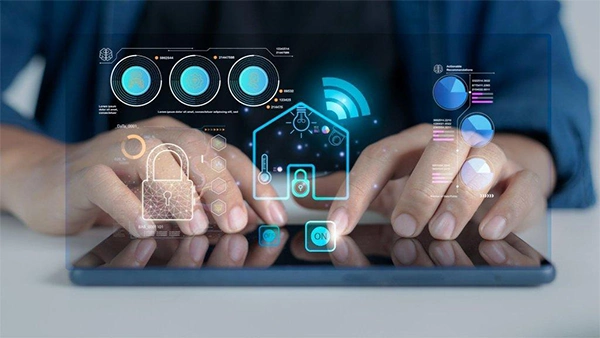
Table of Contents:
Quick Answer
Instead of separate apps and logins, Integrated security systems consolidate intrusion alarms, video surveillance, and access control into a single management platform. Every device shares the same data, so a camera can be triggered by a door event, log the entry, and alert the monitoring centre in one sequence. The result is faster response times, cleaner audit trails, and lower long-term maintenance costs.
Introduction
Most properties do not arrive at strong protection through a single decision. They accumulate it. Each piece solves the problem in front of it: a camera goes up after a break-in, an alarm panel follows a year later, and a keypad lock arrives when staff turnover becomes a headache, yet the pieces rarely speak to one another.
Integrated security systems close that gap by treating intrusion detection, surveillance, and entry management as one connected platform. The same event writes to a central log. A credential used at a side entrance can pull up the nearest camera feed automatically,
Modern business alarm systems treat this coordination as a baseline rather than a premium add-on, and the same logic applies at home, where how components communicate matters more than the hardware itself.
Why Fragmented Setups Fall Short of a Single Connected Platform
When an alarm panel, a camera array, and a lock set each run on separate software, the burden of correlating events falls on a person who may be asleep, off-site, or simply overwhelmed. That manual stitching is where protection fails first. A property protected by mismatched tools is only as strong as the weakest link between them.
The Hidden Cost of Disconnected Tools
Fragmentation hides in small daily frictions:
- Functions that should share one dashboard have multiple logins.
- Incident reconstruction becomes unreliable due to Conflicting timestamps.
- Duplicate sensors purchased because old equipment could not be extended.
- Blind spots at the seams where one vendor’s coverage ends and another begins.
Why Coordination Beats Raw Hardware
A premium camera that cannot trigger an alarm response is a witness, not a deterrent. Adding more devices to an uncoordinated setup yields diminishing returns. Integration converts passive observation into active response, which is the entire point of monitoring. Interoperability between subsystems is now treated across the industry as a core design requirement rather than an optional upgrade.
The Core Components Working Together in One System
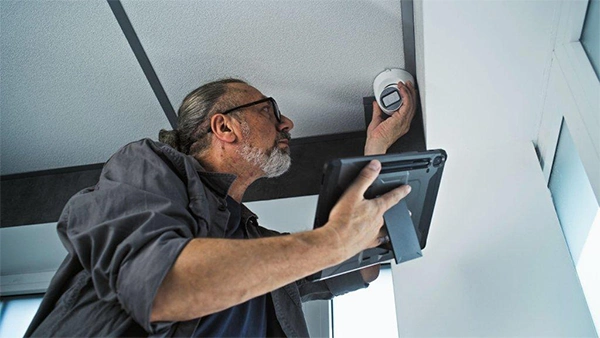
Three functions carry most of the weight: detection, verification, and control. Each is useful alone, yet their combined behaviour is what distinguishes a connected platform from a pile of gadgets. A unified platform earns its value through how its parts behave as a single unit.
Detection, Verification, and Control
Detection sensors register a change, surveillance verifies what caused it, and access control governs who may move through a space. A tripped contact at 2 a.m.When these layers share one data stream, they can instantly surface the relevant footage and confirm whether the cause is an intruder or a branch in the wind.
A benefit security monitoring companies weigh heavily, because needless callouts carry fees and slow genuine response. That verification step is what reduces false dispatches.
Comparing Standalone and Integrated Approaches
The contrast becomes clear when the two models sit side by side.
| Capability | Standalone Devices | Integrated Platform |
| Event correlation | Manual, after the fact | Automatic, in real time |
| Management interface | Several apps | One unified dashboard |
| Verification speed | Delayed, separate lookup | Immediate, linked feed |
| Scalability | Limited by the vendor | Modular and expandable |
| Maintenance overhead | High, per device | Centralized |
Pro Tip: ask whether one event can automatically command another subsystem. When evaluating any setup, if a door alarm cannot summon a camera without human intervention, the system is not integrated, merely co-located,
Well-designed security systems for home use deliver the same coordinated logic at a smaller scale, for households weighing options, simplifying daily routines while strengthening response. Providers such as Supreme Security design integrated platforms for both ends of that spectrum, and that range is worth confirming before any contract is signed.
Choosing and Evaluating a Provider for Your Property
Selecting a platform is also a decision about the partner behind it. Hardware ages, but how well a system performs across its lifespan is determined by the relationship with the installer and monitoring team. A disciplined evaluation protects you from paying for features you will never use.
Questions That Reveal Real Capability
Marketing language tells you little. A short list of pointed questions reveals far more about competence:
- Open standards: Does the platform support open standards, or does it lock you into one vendor?
- Updates: How are cyber vulnerabilities and firmware updates handled over time?
- Response protocol: When a verified alarm triggers, what is the documented procedure?
- Scalability: Without replacing the existing core, can the system grow?
Matching the Solution to the Site
A compact retail unit and a multi-storey facility face different risks and demand different sensor density; even when both must satisfy the same insurer and fire-code requirements, the right answer also depends on the building itself. Whatever the scale, the deciding factor is proven coordination between layers of protection rather than a long feature sheet.
Key Takeaways for Smarter Protection
Connected platforms outperform accumulated gadgets because shared data turns isolated alerts into a single response. Verification cuts false alarms, centralized management lowers upkeep, and open standards keep a system viable as needs grow.
Prioritize how the pieces communicate. Whether protecting a home or a commercial site, the strongest security systems are defined by the logic that binds detection, video, and access into one dependable whole, and less by their hardware.
Frequently Asked Questions
Can My Security System Integrate with Other Technologies?
What is Access Control, and Do I Need It?
Access control systems manage who can enter your premises or specific areas within your facility. Using key cards, biometric scans, or mobile apps, these systems enhance security, monitor employee movements, and even streamline operations by providing automated access logs.
What Will My Security System Cost?
Pricing for a security system depends on the system’s size, complexity, installation, and ongoing subscription fees. Smaller operations require basic cameras and alarms; larger ones may need advanced features such as AI analytics, facial recognition, or thermal imaging.
Latest Blog