Moonflowers return annually to zones that are not colder than 45°F. In cooler regions, they act like annuals and die off naturally in winter.
Moonflowers: Planting, Care Measures and Propagation Explained
Author
Rashika GuptaReviewed By
Cody Allison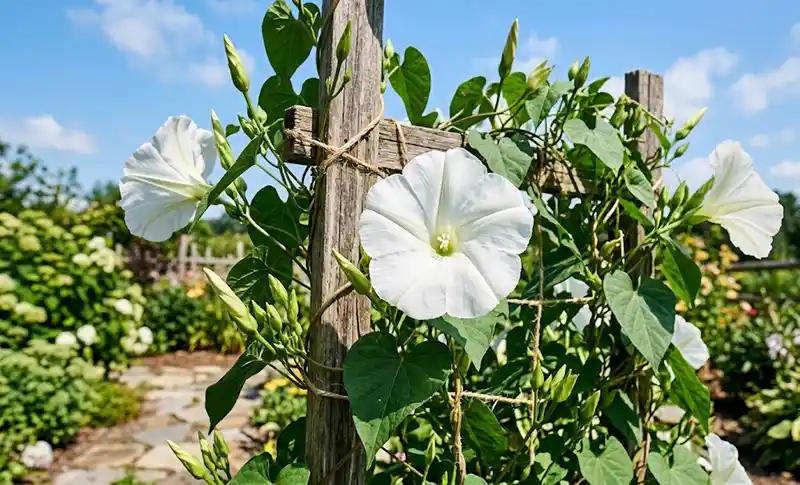
Moonflowers, or night-blooming morning glory, add romance and mystery to landscapes wherever they are planted. These are perennial vines that are popular for their white, trumpet-shaped flowers and large heart-shaped green leaves. The most interesting part about this plant is that its enchanting flowers open up at dusk and stay radiant under the moonlight.
If you want to grow this vigorous tropical vine to start a garden from scratch, follow along with this article, which includes moonflower planting, care, and propagation methods.
Table of Contents:
Moonflowers at a Glance: Quick Information Table
Moon flowers, botanically called Ipomoea alba, are perennial plants that belong to the Convolvulaceae family. It is native to North and South America and grow in USDA zones 9-12.
Let’s see the quick information about these plants:
| Scientific name | Ipomoea alba |
| Common names | Moonflower, moon vine, tropical white, or night-blooming morning glory |
| Order | Solanales |
| Family | Convolvulaceae (Morning-glory family) |
| Genus | Ipomoea (Morning-glories) |
| Plant Type | Perennials, climbers |
| Height and spread | 3 to 4.6 m in height and 90-180 cm in spread |
| Hardiness zones | USDA zones 9-12 |
| Native range | North America and South America |
| Invasiveness | Has become naturalized and invasive in tropical and subtropical regions worldwide |
| Toxicity | According to the ASPCA, Ipomoea spp. is toxic to dogs, cats, and horses |
Did you know?
Datura stramonium (jimsonweed) is also known as moonflower, but it is a completely unrelated plant to Ipomoea alba. It grows low to the ground and is highly poisonous.
Moonflower Features and Benefits
Ipomoea moonflower has large white blooms and leaves. The plant is great for evening aesthetics in the garden, as its flowers unfurl as the sun sets and emit a strong, soothing scent. It is a deer-resistant plant that also provides quick coverage.
Moonflowers Features
- Nocturnal blooms: It has large trumpet-shaped flowers of size about 5-6 inches. They unfurl dramatically at sunset and glow in the moonlight.
- Foliage: This tropical plant has heart-shaped leaves of around 2-6 inches. The deep green colour of the leaves complements well with the white coloured blooms. When grown on a trellis, it also offers shade and privacy.
- Growth cycle: It also has fast-growing vines that climb 15-20 feet in a single season.
- Fragrance: The plant emits a strong, soothing scent throughout the night.
Moonflower Benefits
- Evening aesthetics: The glowing white flowers create a magical ambience reflecting moonlight.
- Pollinator support: Moon flower plant attracts nocturnal pollinators like moths and bats to the landscape.
- Quick privacy coverage: When grown on trellises, balconies, arbors, and fences, these plants provide quick coverage.
- Deer resistance: The lush foliage of the moon flower vine is generally not preferred by deer. So, this plant is a good choice for gardens located in areas with high browsing.
Also read: Best Companion Plants for Peppers, Peppers Growing Process, Care Tips, & Much More
How to Plant Moonflowers?

As it is a tropical plant, the moon flower seeds don’t germinate in cold soil. If you are sowing it outdoors, wait for the temperatures to be 70° to 80°F when all danger of frost has passed. Many gardeners prefer to start them indoors first.
Here are some tips to grow these plants successfully:
- The seeds have a hard coating, so nick the seeds with a nail file or soak the seeds for 24 hours to promote germination.
- If growing indoors, plant the seeds about ¼ inches deep in individual small pots. Maintain a moist and warm environment.
- Harden off the seedlings for about 7-10 days before transplanting.
- Before transplanting or directly sowing the seeds outside, prepare the ground with a layer of compost.
- In case of direct sowing, sow the seeds about ½ inch deep and space them about 4 inches apart.
Expert Tip
Install a trellis or arbour at the time of direct sowing or transplanting the seeds to prevent damaging the roots later.
Also Explore: Oxalis (Wood Sorrel Plant): Characteristics, Care Measures, Types and Propagation Explained
How to Grow Moonflowers?
The white moonflower plant is low maintenance and easy to care for. To grow it, plant it in a location that receives at least 6 hours of direct sunlight and has rich, loamy soil. Keep it well moist but not waterlogged. Also, fertilize and prune occasionally to support its growth.
Here are the care measures to grow moonflowers:
Sunlight Requirements
Ipomea moonflower grows best in full sun, with more than 6 hours of daily direct sunlight. It can grow in partial shade too, but it’s possible that it may not flower.
Soil Needs
Moon flower plant can tolerate different kinds of soil, but it prefers rich, loamy soil that is well-draining and has a slightly acidic to neutral pH.
Watering Intake
These plants prefer evenly moist soil to grow well. Water young plants regularly, keeping the soil moist but not soggy. In established plants, water them when the top inch of the soil feels dry. It can tolerate drought, but long dry spells can kill it.
Temperature and Humidity
Moonflower plant need warmth and humidity to thrive well. It grows as a perennial in zones 9 to 12. If you live in colder regions, wait for the temperatures to be around 60 to 70°F to plant it outside. As it is a tropical plant, it needs high humidity levels to thrive optimally. However, it can tolerate dry air if you keep it well watered. In colder climates, it is grown as an annual plant.
Fertilizer
In the blooming season of midsummer through fall, feed the plant every 3-4 weeks with half-strength, high-phosphorus fertilizer. Avoid high-nitrogen fertilizer; it will cause excessive foliage growth and compromise the flowers.
Pruning
If you are growing it year-round as a perennial, prune the vines back and shape them as required in the fall; this leads to more flowering. Also, thin the stems to support airflow around the plant.
Mulching
Apply a 1-2 inch layer of organic mulch around the base of the plant to block weeds and retain soil moisture. Ensure you keep the mulch at least 1 inch away from the base of the plant stems to prevent stem rot.
Repotting
Moon vine flowers do not like to be replanted. It’s better to grow them in the permanent pot, not to disturb their sensitive roots. If you want to grow them upright in the backyard design rather than in hanging baskets, consider a trellis for moonflower to make it climb.
Overwintering
When it is grown as an annual, most gardeners prefer to start new plants in the upcoming year rather than overwinter it because the vines are difficult to maintain indoors. In the colder zones, pull the entire plant from the ground to prevent self-seeding. If you are growing it as a perennial in warm weather zones, inspect the ground in winter and remove the volunteer plants to prevent the uncontrolled spread.
Expert Tip
Do not add the dead moon flower plants to the compost heaps. It’s possible that many seeds will survive and self-seed vigorously when that compost is used in the garden.
Next Read: Rutabaga Guide: Care Tips, Taxonomy, Growing Steps, Ideal Growing Conditions, & Much More!
Propagation Methods for Moonflowers
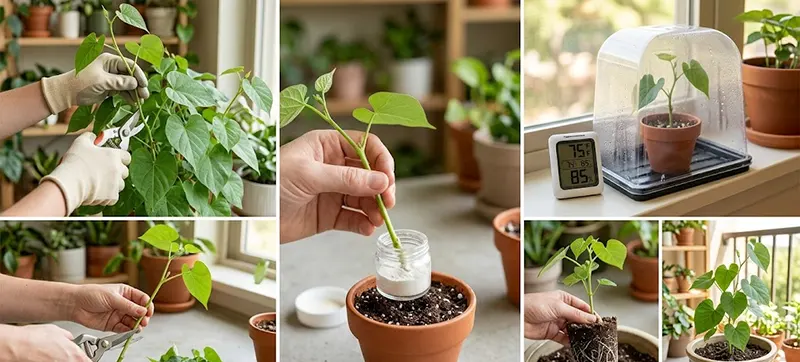
The best way to propagate the Ipomoea alba moonflower is by seeds (the method is mentioned above). You can also propagate it by stem cuttings, but it’s considered a trickier method. Still, if you want to try it, take healthy cuttings from the plant and dip the cut end into rooting hormone. Place the cutting into a pot of soil mix and transplant when the roots form.
- Step 1: Take 6-8 inches long healthy cuttings from the plants in spring or summer.
- Step 2: Remove the leaves from the lower half of the stem, leaving just one or two pairs of leaves on the top.
- Step 3: Dip the cut end into rooting hormone and insert the cut end into a small pot filled with well-draining soil mix.
- Step 4: Keep the pot in a warm and humid environment until the roots develop.
- Step 5: Once the roots are well established, transplant to a garden bed or larger pot.
Expert Tip
Moonflowers self-seed frequently, so you can also obtain new plants by transplanting the ones that have grown from the dropped seeds in the garden.
Pests and Diseases in Moonflowers
Moonflower Ipomea is a hardy plant, but it may suffer from some pest infestations and diseases. The pests include hornworms, tortoise beetles, and aphids that can damage the plant. It is also susceptible to diseases like rust, stem canker, and black rot.
Let’s see the signs and treatment of these pests and diseases in moon vine care:
Pest Infestations in Moonflowers
| Pests | Signs and Treatment |
Sphinx moth caterpillars (hornworms) |
|
Tortoise beetles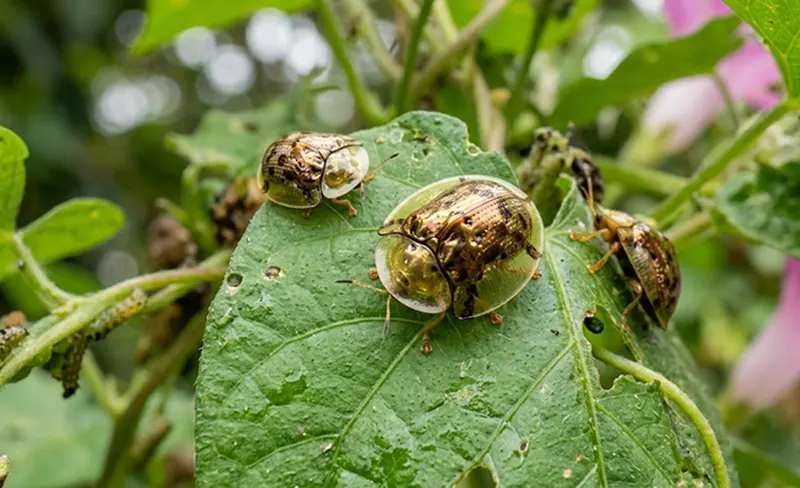 |
|
Aphids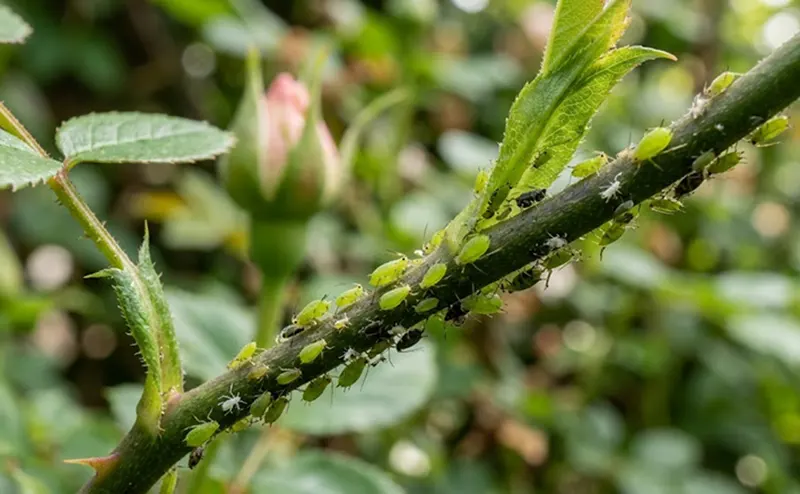 |
|
Diseases That Affect Moonflowers
| Diseases | Signs and Treatment |
| Black Rot |
|
| Rust |
|
| Stem Canker |
|
Expert Tip
It’s good to practice crop rotation and plant the moonflowers next time in another area to avoid the disease.
Frequent User Queries about Moonflowers
It is always helpful to see user queries on Reddit about plant care to see the real-world issues. There are numerous queries about moonflowers on Reddit regarding soil health and sick-looking seedlings.
Let’s see these queries and solutions:
- DarkSong80 shows concern over white growth on soil of Moonflower Plant
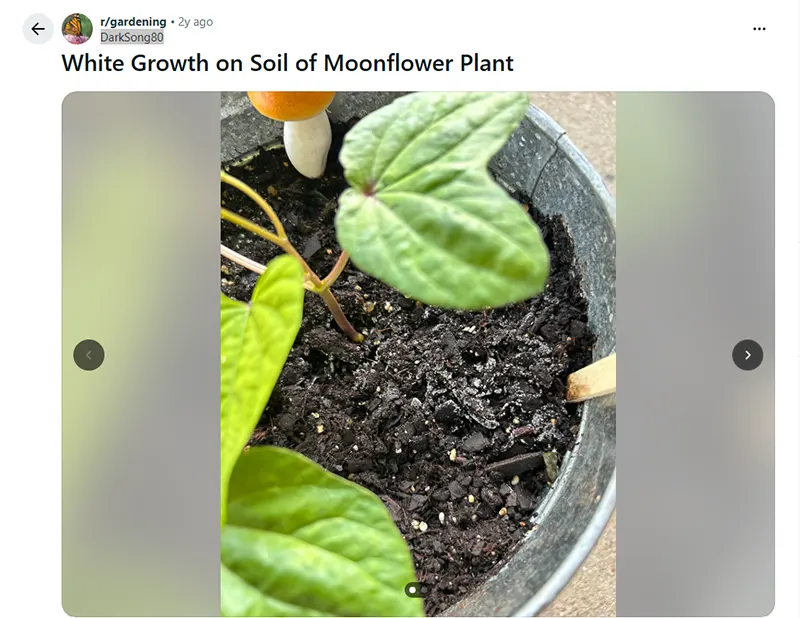
Solution: The white substance is the mineral buildup caused by limited sunlight and excess watering. Scrape off the top layer of mold from the soil surface. Allow the top 1-2 inches of soil to dry out completely before watering again. Move the pot to a location with better sunlight.
- Diplomats-son asks for Advice for caring for new moonflower plants? Any help would be greatly appreciated! See image captions for details.
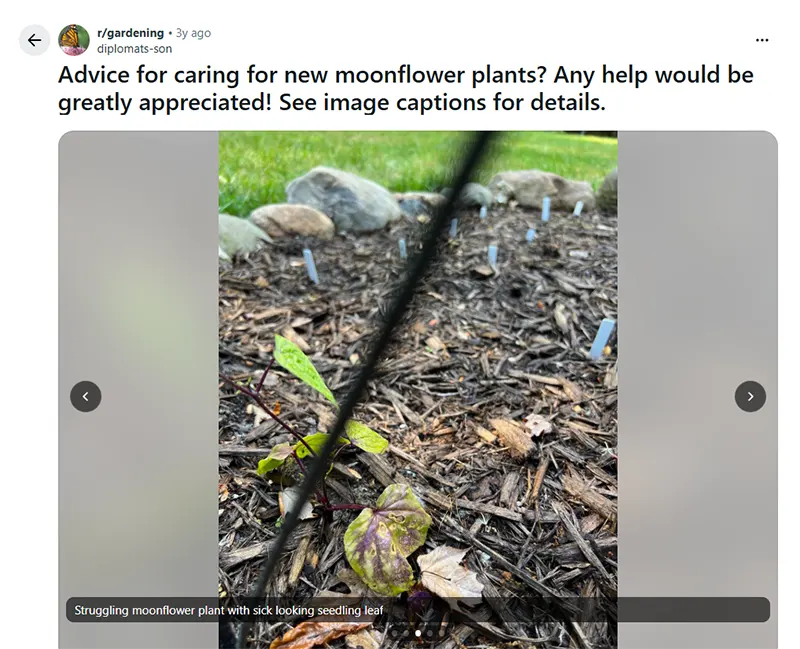
Solution: To grow this plant, follow the proper care measures. Keep it in full sun and provide sturdy support such as a trellis or fence. Water it regularly, but avoid overwatering that can cause fungal diseases.
Final Words
Moonflowers are a stunning addition to gardens with trumpet-shaped white flowers and heart-shaped leaves. You may also plant it in the balcony to enjoy the large glowing blossoms and a sweet scent. Follow the proper care measures by keeping them in full sun, providing adequate moisture, and occasional fertilizer. Consider the above treatment options if the plant is affected by pest infestations or diseases.
FAQs
Do moon flowers plants come back every year?
Do moonflowers bloom more than once?
The flowers bloom once at night and then fade. Though in the growing season, the plant produces abundant blooms.
Should I deadhead moonflowers?
Yes! Deadheading the faded flowers encourages more blooming and prevents the flowers from producing seed pods that will self-seed later.
How do I get rid of aphids on moonflower plants?
To get rid of the aphids, spray the plant with a strong stream of water and apply an insecticide spray.
How to propagate moonflower?
The best way to propagate is by its seeds. Start the seeds indoors and transplant them outdoors after the danger of frost has passed. The other method is by stem cuttings. However, this is a trickier method, and gardeners don’t prefer it.
Sources:
Secrets of the Moonflower – Cambridge University Botanic Garden
Moon–Flower (Ipomoea alba, Convolvulaceae)—Medicine, Rubber Enabler, and Ornamental: A Review – ResearchGate
Moonflower – Britannica
Latest Blog