Neutral spaces that typically include white, black, and gray. You can use varying shades of white such as beige or cream, dark colors such as forest green, or you can use black-and-white industrial farmhouse interiors with bold shades of red, yellow, or green for a modern feel.
How to Blend Industrial and Farmhouse Styles in Interior Design
Author
Isha Parmar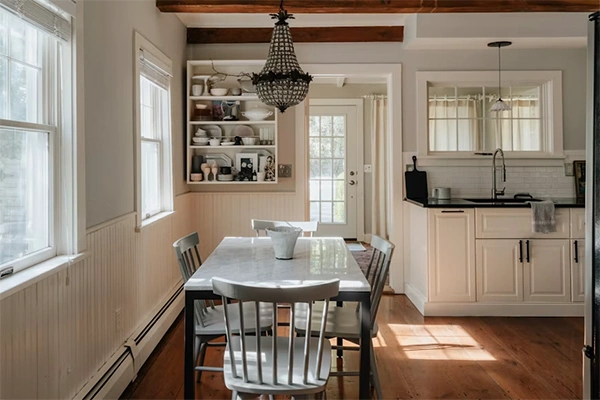
Nobody likes a boring-looking house; having just one theme throughout the house doesn’t really feel authentic, so why don’t you try mixing warm and edgy together,
Houzz’s most recent study showed that 54% of homeowners renovated in 2025. It’s like everyone is moving towards more custom styles.
But you can’t just use any colors or styles; they must complement each other and improve the look together.
Read this blog to learn all the details you will need to give your home a new makeover.
Table of Contents:
Why Industrial And Farmhouse Work So Well Together
On paper, these two styles look like they’re totally different.
Farmhouse style focuses on comfort and cozier feelings. Think warm wood tones, soft fabrics, and a lived-in vibe. Industrial style focuses on using raw materials. Think exposed brick, black metal, and concrete.
One comes from barns and farms. The other comes from factories and warehouses. Both have hardworking materials that wear their history proudly.
That’s why they work together so well. Farmhouse contributes the coziness. Industrial supports the edginess.
Warmth + edge = a home with real character.
Start From The Ground Up
The floor is the biggest area of any room. Have that, and everything else will come together.
It’s also why so many designers reach for farmhouse brick floor tiles first. Brick complements both styles equally. It boasts farmhouse-esque warmth and industrial’s tougher edge. Installing reclaimed-style brick floor tiles in a herringbone or basketweave pattern creates an instant lived-in feel for your kitchen, hallway or boot room.
Pretty cool, right?
Brick can work hard too. It hides dirt, scrubs up when muddy boots are par for the course, and works with any colour style. Use them together: a warm red brick floor with black steel bar stools and a solid oak table. You’ve mixed in one fell swoop.55 Ways to Mix Industrial and Farmhouse Styles
Go through each idea, pick a few you like, and try on those. You don’t have to use all five ideas.
1. Mix Wood With Metal
This is the easiest place to start.
Farmhouse style is all about wood. Industrial revolves around metal. Combine them, and you have something incredible.
Try pieces like:
- A reclaimed wood dining table with black steel legs
- Open shelves on iron pipe brackets
- Metal bar stools at a wooden kitchen island
It’s all about balance. Try to have about the same quantity of each so one style doesn’t take all the space.
2. Keep The Colour Palette Neutral
Colour can make or break this look.
Use a neutral palette of whites, creams, greys and warm browns. Neutral colours make your fabrics stand out. Add interest with accents in darker colors like charcoal, deep green, or rusty red.
Tip: All-white rooms are used a lot. Try using warmer, more earthy tones. They will feel cozier and fit right into your industrial-farmhouse mix.
3. Choose The Right Lighting
Lighting is where the industrial side shines.
Swap boring ceiling fixtures for better pieces. Metal cage pendants, enamel barn lights, and black wall sconces all work well. Hang one oversized pendant over your dining table, not three small ones. It will have a bigger effect.
(Keep it simple. One bold light is better than a lot of ceiling lights every time.)
4. Show Off The Bones
Industrial design loves to show what a building is made of.
Have exposed beams, brick walls, or ductwork? Don’t cover them up. Don’t have exposed brick? Install a brick slip feature wall. Get that raw industrial feel in a weekend.
Farmhouse-design homes do that with wood. Rough-sawn ceiling beams are traditional on farmhouse homes, so they work nicely with industrial.
5. Soften Everything With Textiles
Industrial-farmhouse rooms feel cold and hard without textures. Add some fabric, and it feels like home.
Layer in:
- Linen curtains
- Wool throws
- Jute or woven rugs
- Leather armchairs
Leather works nicely because it suits both looks. An old tan leather sofa looks great in a barn or an urban loft.
The Mistakes That Ruin The Look
Mixing styles is simple… but it’s also easy to get wrong.
Here are the three mistakes to avoid.
Going Too Themed
“‘Farm Fresh’ signs pasted on every wall. Gears and cogs stacked on every shelf. Vintage tractor parts dangling from the ceiling.
It’s too much.
The goal is a home, not a film set.
Choose a few powerful images and don’t fill them. Less is more when it comes to photography like this.
Ignoring Your Budget
Remodeling costs can quickly add up. According to Houzz, 37% of homeowners who renovated went over budget in 2025. That’s more homeowners than those who stayed within budget (35%)!
The better news? Houzz reported that 91% will move forward as planned.
Budget large items first(floors, lights, key furniture). Small stuff can evolve as you find offers. Thrift stores/salvage yards are good for cheap wood/metal items.
Forgetting About Function
A room has to work, not just look good.
Open shelving looks great in photos but collects dust quickly. Pair open shelves with closed cabinets, so you have style and storage. Win-win, yes?
Pulling It All Together
Mixing industrial and farmhouse interior styles is a nice way to make 2a home that feels cozy, fashionable, and boasts lots of personality. You don’t have to pick one or the other. You let them each work what the other is missing.
To quickly recap:
- Start with a strong floor that connects both styles
- Mix wood with metal
- Keep your colours neutral and earthy
- Add bold statement lighting
- Show off beams and brick
- Soften it all with textiles
Pick one or two ideas and try them out in one room and see how they work.
Then repeat.
Frequently Asked Questions
What are the colors for industrial farmhouse?
What is the difference between modern farmhouse and industrial farmhouse?
Industrial farmhouse interiors tend to lean a little more rustic than fresh and clean. Whereas modern farmhouses are often sleek and polished, with white walls, light wood accents, and polished metal finishes,
How can I incorporate farmhouse style in a small city apartment?
Start with natural textures (wooden shelves or tables), soft lighting, and neutral colors. Add a few vintage items like an old mirror or a reclaimed wooden coffee table. Choose cozy textiles and avoid clutter for a clean, rustic look.
Latest Blog