It will depend on several factors: the amount of soiling within the carpet, the length of the pile, and the temperature both inside and outside the property.
Beneath the Surface: The Secrets to Cleaner, Fresher Carpets
Author
Kamron Sanders
In a house, a carpet has a much bigger role than expected; the carpet keeps the house warmer and more welcoming; it can help with relaxation, and it improves the overall look of the house.
But just like a lot of things in the house, it also needs maintenance and inspections, as carpets can trap dust, bacteria, pet dander, food debris, and tracked-in soil.
Understanding what settles into your flooring, how different cleaning methods work, and when deeper attention is necessary can help you maintain a fresher home without damaging the carpet itself.
Read this blog to learn the secrets to Cleaner, Fresher Carpets.
Table of Contents:
- Discover What Hides Beneath Carpet Fibers
- Know When Deeper Cleaning Becomes Necessary
- Understand Why Vacuuming Cannot Do Everything.
- Address Stains Before They Become Permanent
- Keep Moisture From Creating New Problems
- Build a Cleaning Schedule Around Daily Activity
- Prevent Dirt From Entering in the First Place
- Choose Cleaning Methods That Protect Your Investment
- Frequently Asked Questions
Discover What Hides Beneath Carpet Fibers
Carpets act as collection surfaces for particles carried in the home. Foot traffic brings soil and grit, and normal household activity adds dust, hair, skin flakes, and food debris. Some particles stay near the surface, but others stay deeper into the pile.
This accumulation matters because abrasive grit can slowly harm the fibers when people walk on the carpet. Moisture and spills may also add odors, mainly when residue reaches the backing or underlying padding.
A carpet that looks clean is not really free of embedded soil. Rather than judging its condition by looks alone, think about how many times the room is used, whether pets spend time there, and how good routine cleaning removes debris.
Know When Deeper Cleaning Becomes Necessary
Routine maintenance cannot always remove the oils, embedded soil, and strong residue that build over time. This is where better cleaning methods become useful.
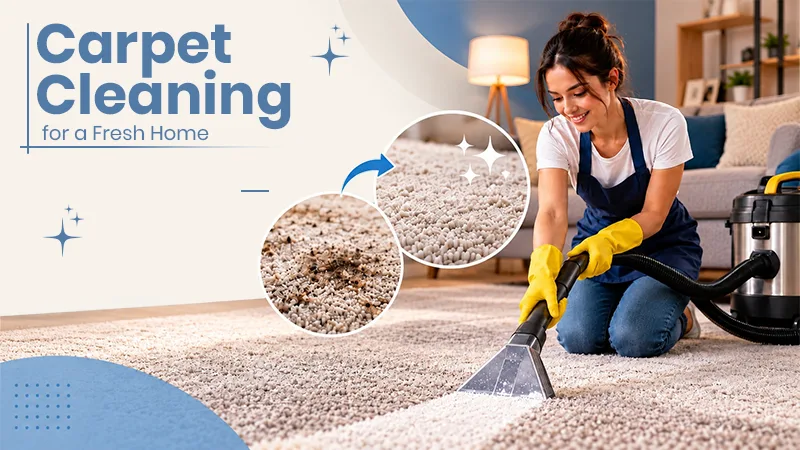
Hot water extraction, for example, introduces cleaning solution into the carpet and removes loosened soil through powerful suction. Other methods use controlled moisture or specialized equipment, based on the material and condition.
For households dealing with strong smells, heavy foot traffic, or deeply embedded dirt, deep carpet cleaning may help restore appearance and improve overall cleanliness.
The best method depends on fiber composition, manufacturer instructions, and the type of contamination present. A lot of moisture or unsuitable chemicals can do damage, so effective cleaning needs more than just using stronger products.
Understand Why Vacuuming Cannot Do Everything.
Regular vacuuming is important for removing loose particles before they become permanent. High-traffic areas often get more frequent attention than bedrooms or rarely used areas.
Technique makes a difference. Moving slowly, overlapping passes, and changing the vacuum to fit the carpet’s pile can improve soil removal. Keeping filters and collection compartments clean also helps maintain performance.
But vacuuming cannot easily remove every substance trapped within the fibers. Grease, sticky food residue, and some deeply embedded contaminants need other cleaning methods.
This does not make vacuuming useless. It just means that routine maintenance and periodic deeper cleaning are different work. A consistent schedule lowers buildup and makes stronger cleaning easier when it becomes needed.
Address Stains Before They Become Permanent
Spills are easier to handle when treated promptly. Liquids can travel in carpet fibers into the backing, and some substances may cause discoloration if left.
Start by gently blotting the affected area with a clean, absorbent cloth. Avoid aggressive scrubbing, which can spread the stain or hurt the pile.
Use a cleaning product right for the carpet material and the substance involved. Testing a small, inconspicuous area first helps lower the risk of discoloration.
Recurring stains sometimes end up from residue migrating upward as the carpet dries. Persistent odors may show that contamination has reached deeper layers.
When repeated spot treatments fail, adding more cleaning solution can make matters worse. A thorough check is better than repeatedly soaking the same area.
Keep Moisture From Creating New Problems
Cleaning should remove contamination without leaving the carpet very damp. Moisture trapped in the backing or padding can create conditions that add microbial growth and lingering odors.
Knowing how moisture adds to indoor mold problems helps explain why drying is an important part of carpet maintenance.
After wet cleaning, promote ventilation when outdoor conditions permit and use proper air circulation or dehumidification. Avoid replacing furniture on damp carpet unless protective barriers are in place.
Drying time changes with humidity, carpet thickness, cleaning technique, and airflow. A surface that feels dry may still have moisture underneath.
If a carpet has been saturated by flooding or contaminated water, ordinary household cleaning may be useless. Expert inspection can tell whether the affected materials can be safely restored.
Build a Cleaning Schedule Around Daily Activity
There is no universal cleaning interval that fits every household. A quiet room used sometimes will have soil differently from a busy living area shared with children or pets.
Vacuuming should show visible debris, traffic patterns, and household needs. Entryways and commonly used seating areas often need closer attention.
For more thorough maintenance, try practical ways to remove carpet stains safely before applying unfamiliar cleaning products. Finding the stain and checking material compatibility can stop unnecessary damage.
Professional cleaning intervals should follow the carpet manufacturer’s advice and real conditions, not a random calendar date.
Pay attention to recurring odors, dull traffic lanes, sticky patches, and stains that come back after treatment. These signs may show that normal cleaning is no longer useful.
Prevent Dirt From Entering in the First Place
Lowering incoming soil is often easier than removing it after it gets embedded. Entry mats can catch grit, while a household policy of removing outdoor shoes may lower tracked-in debris.
Address spills immediately, keep vacuum equipment in check, and groom pets every day to limit loose hair. Furniture positioning can also affect wear patterns, so sometimes changing the right pieces may help spread traffic.
Avoid using strong cleaning products during routine spot treatment. Residue left behind can attract extra soil and make a recently cleaned area look dirty again.
These habits are simple, but their combined effect can lower the amount of strong cleaning needed over time.
Choose Cleaning Methods That Protect Your Investment
A successful cleaning approach should improve looks without lowering carpet fibers, backing, or surrounding materials.
Before renting tools or changing professional cleaning, find the carpet material and review any care advice. Ask about moisture levels, drying expectations, stain treatment, and the products being used.
Be careful of guarantees that every stain or odor can be removed. Some discoloration is permanent, and contamination in the carpet may need extra work.
The goal is not just to make the surface look cleaner for a few days. It is to remove soil effectively, stop unnecessary damage, and keep a comfortable living environment.
With thoughtful daily habits and the right periodic cleaning, carpets can stay good-looking, comfortable, and easy to maintain for years.
Frequently Asked Questions
1-How long will my carpets take to dry?
It will depend on several factors: the amount of soiling within the carpet, the length of the pile, and the temperature both inside and outside the property.
2-Will hot water extraction (steam cleaning) damage my carpet?
No, not at all. Hot water extraction is the preferred method of Shaw Industries and of many other major carpet manufacturers. It is generally considered the best method of removing embedded dirt and other contaminants.
3-How Often Should I Clean My Carpets?
The general recommendation is to have your carpets professionally cleaned at least once a year. But this may vary depending on factors such as the amount of foot traffic, presence of pets, and any specific allergies that occupants may have. Regular vacuuming is also essential in maintaining the cleanliness of your carpet between professional cleanings.
How long will my carpets take to dry?
Will hot water extraction (steam cleaning) damage my carpet?
No, not at all. Hot water extraction is the preferred method of Shaw Industries and of many other major carpet manufacturers. It is generally considered the best method of removing embedded dirt and other contaminants.
How Often Should I Clean My Carpets?
The general recommendation is to have your carpets professionally cleaned at least once a year. But this may vary depending on factors such as the amount of foot traffic, presence of pets, and any specific allergies that occupants may have. Regular vacuuming is also essential in maintaining the cleanliness of your carpet between professional cleanings.
Latest Blog