Peppermint is a natural hybrid plant that originated as a cross between watermint and spearmint.
Peppermint Plant: Taxonomy, Care Tips, and Common Pests and Diseases
Author
Rashika GuptaReviewed By
Cody Allison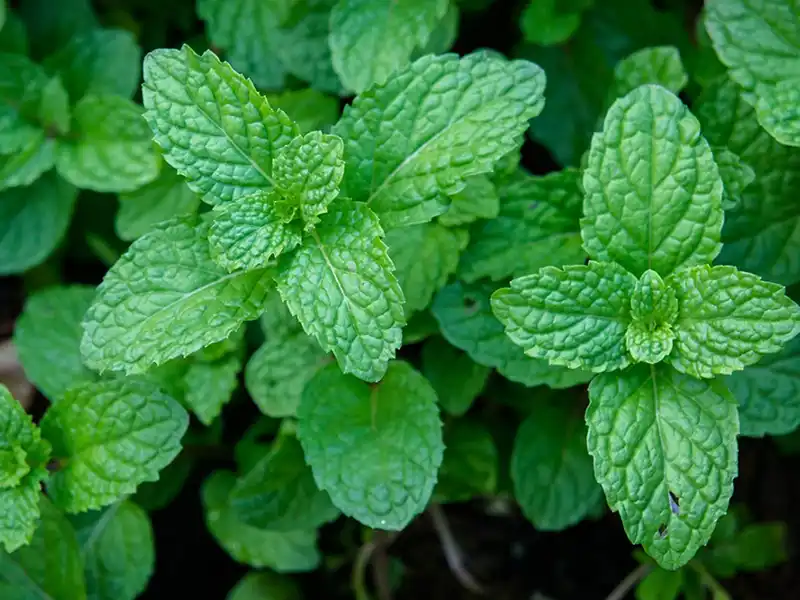
Peppermint is a herbaceous perennial herb that is a hybrid between spearmint (Mentha Spicata) and watermint (Mentha aquatica). It is one of the oldest herbs used to make chutneys, refreshing drinks, and more. It is also used for rituals and medicinal purposes.
The various popular varieties of peppermint include Mentha x piperita ‘Chocolate Mint’, Mentha x piperita ‘Citrata’, Mentha x piperita ‘Crispa’, Mentha x piperita ‘Lavender Mint’, Mentha x piperita ‘Lime Mint’, and Mentha x piperita ‘Variegate’.
Read the article to learn more about peppermint plant taxonomy, ideal growing conditions, care tips, growing process, and much more.
Table of Contents:
Peppermint Taxonomy and Ideal Growing Conditions
Peppermint is botanically known as Mentha x piperita. The plant belongs to the Lamiaceae family and is native to Europe. It has dark green, elongated leaves and is valued for its refreshing fragrance and taste. The plant thrives under full sunlight with partial shade, consistently moist soil, and no fertilisation.
Look at the table below to learn about peppermint plant taxonomy and ideal growing conditions:
| Botanical name | Mentha x piperita |
| Common name | Peppermint |
| Kingdom | Plantae |
| Order | Lamiales |
| Family | Lamiaceae (mint family) |
| Genus | Mentha (mint) |
| Native area | Europe |
| Season of interest | Summer |
| Hardiness | 5 to 9 USDA Zones |
| Light Requirements | Full, direct sunlight with partial shade |
| Maintenance | Low |
| Type | Herbaceous perennial |
| Foliage colour | Green leaves with pink flowers |
| Soil | Well-drained, consistently moist soil with acidic, alkaline, and neutral pH levels |
| Water Requirements | Regular |
| Mature size | 1 to 2 ft tall and wide |
| Fertilizers | Not required |
| Toxicity | Only toxic if ingested in excessive amounts |
| Tolerant | Tolerant to various growing conditions |
Read more: French Tarragon: Taxonomy, Ideal Growing Conditions, Care Tips, Pests & Problems
How To Plant Peppermint Plants?
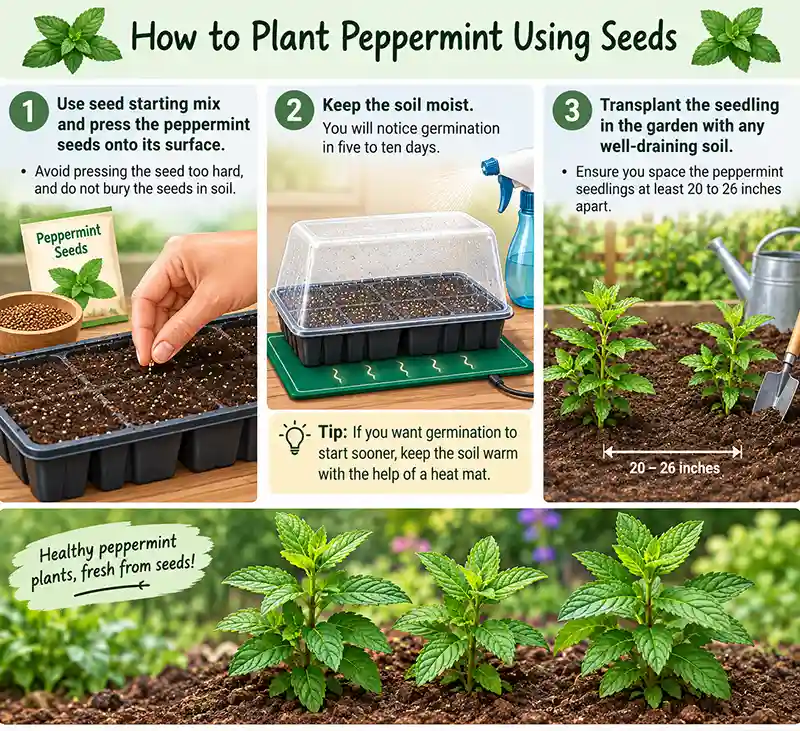
The best time to plant a peppermint plant is in the early spring months. Ensure that the final frost has passed. Here are a few simple steps you need to follow while planting peppermint using seeds:
- Use a seed starting mix and press the peppermint seeds onto its surface.
- Avoid pressing the seed too hard, and do not bury the seeds in soil.
- Keep the soil moist. You will notice germination in five to ten days.
- Tip: If you want germination to start sooner, keep the soil warm with the help of a heat mat.
- Transplant the seedling in the garden with well-draining soil.
- Ensure you space the peppermint seedlings at least 20 to 26 inches apart.
How to Propagate Peppermint?
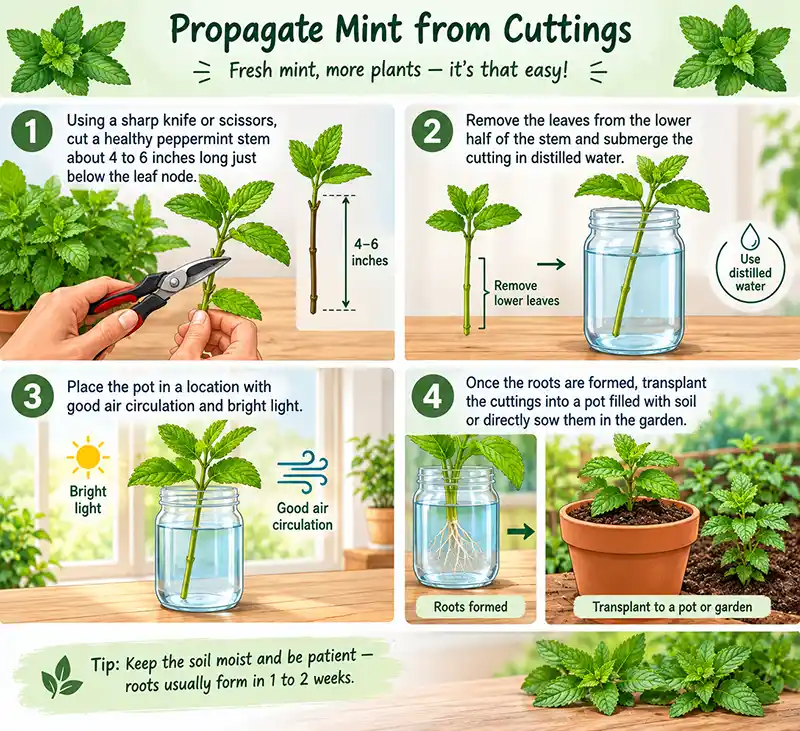
One of the easiest ways to plant mint is by propagating it from cuttings. Here are the steps you need to follow:
- Using a sharp knife or scissors, cut a healthy peppermint stem about 4 to 6 inches long just below the leaf node.
- Remove the leaves from the lower half of the stem and submerge the cutting in distilled water.
- Place the pot in a location with good air circulation and bright light.
- Once the roots are formed, transplant the cuttings into a pot filled with soil or directly sow them in the garden.
Tip
If you are planting peppermint in a pot, ensure that it has proper drainage holes.
When and How to Harvest Peppermint?
The ideal time to harvest peppermint leaves is in the middle of the growing season, before the flowers appear and the plant reaches at least 4 inches in height. Harvest the leaves in the morning for the most fragrant and flavourful leaves.
Read more: Best Companion Plants for Peppers, Peppers Growing Process, Care Tips, & Much More
Essential Peppermint Plant Care Tips
The peppermint plant is low-maintenance and does not need much attention. Below is a list of essential care tips for the plant:
- Choose a location that receives direct morning sunlight and gets partial shade in the afternoon. This will keep the leaves fragrant and fresh.
- Peppermint is adaptable to any soil, but the ideal soil is rich, loamy, and moist.
- Water the soil at regular intervals to keep it constantly moist. Avoid overwatering the plant because mints cannot tolerate standing water, which leads to soggy roots and eventually harms the plant.
- Avoid fertilising peppermint because fertilisers might affect its flavour. Instead, use organic compost, if required.
- Prune the peppermint plant once every 20 days after the plant has established, up to 4 to 6 inches tall. This will not only help the plant to stay in structure but also promote the emergence of new leaves.
Tip
Make sure that you are aware of peppermint’s invasive nature before planting it. If you are planning to directly plant it into the ground, consider installing soil barriers. It is better to grow the plant in a container and then later sink it into the ground or another larger container.
Read more: Hibiscus Care, Taxonomy, Ideal Growing Conditions, Growing Process, & Much More
Peppermint Versus Spearmint Plant: Know the Difference
Peppermint and spearmint belong to different families and also have different tastes. Below is the table that helps you explore their unique characteristics:
| Basis of difference | Peppermint | Spearmint |
| Botanical name | Mentha x piperita | Mentha spicata |
| Flavour | Strong, cooling, and sharp flavour. | Milder, sweeter flavour |
| Health benefits | Soothing properties, muscle relaxant, and helps with digestion | Calming properties, rich in antioxidants, and helps reduce stress. |
| Essential oil | High menthol content | Sweeter and softer aroma |
Read more: Yarrow Care Tips, Growing Process, Taxonomy, Ideal Growing Conditions
Common Pests and Diseases Associated With Peppermint Plant
Depending on your region, peppermint can be attacked by diseases like verticillium wilt. This is a fungal infection that spreads downward and appears as curled and twisted leaves that have turned yellow in colour. The best possible way to deal with it is by replacing the soil to eliminate the pathogen.
The plant can also be attacked by common pests like aphids and spider mites. The easiest and best way to deal with them is by using a strong spray of cold water or neem oil. You can also use some other organic pesticides.
Read more: Chokeberry: Taxonomy, Ideal Growing Conditions, Care Tips, & Much More
Takeaways
Peppermint is a herbaceous perennial that is easy to grow and care for. The plant takes around 20 to 30 days to grow from cuttings, and once established, the leaves come back within a few days.
It is best to grow peppermint or any other herbs in your space for healthy, aromatic, and flavorful organic leaves. If you are planning to plant this culinary herb, do it in the early spring.
Happy and safe planting!
FAQs
Where does peppermint come from?
How to plant peppermint plants?
Peppermint can be planted using seeds. It is also easily propagated using stem cuttings.
Is peppermint a perennial?
Yes, peppermint is a herbaceous perennial.
What does a peppermint plant look like?
Peppermint is a bushy aromatic herb that grows around 1 to 3 ft tall and spreads aggressively. It has dark green leaves with pointed edges and is square-shaped and strongly branched.
Sources
Peppermint: Britannica
Peppermint: iNaturalist
Latest Blog