Hibiscus flowers last for a maximum of 1 to 2 days.
Hibiscus Care, Taxonomy, Ideal Growing Conditions, Growing Process, & Much More
Author
Annette HirdReviewed By
Cody Allison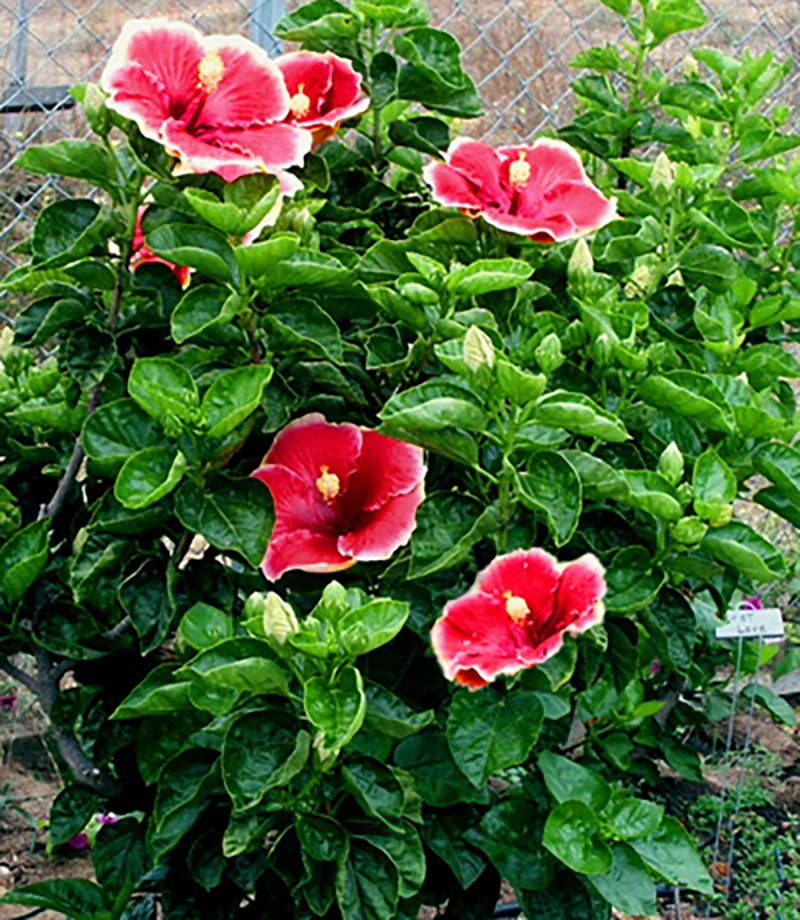
Hibiscus are herbaceous, perennial, and annual shrubs with lobed leaves and trichomes. The plant has around 200 species, often cultivated for their ornamental and Ayurvedic properties. It also attracts pollinators like hummingbirds, bees, and butterflies, which makes them a great addition to your garden. This shrubby plant needs a warm, tropical, and subtropical climate with humidity and scorching sunlight to thrive.
Some Hibiscus flower varieties are edible and are consumed in the form of tea. They are considered highly antioxidant and also contain protein, sodium, carbohydrates, iron, etc.
Read the article to learn more about hibiscus care tips, taxonomy, health benefits, the growing process, and much more.
Table of Contents:
Essential Hibiscus Plant Care Tips
Hibiscus can be easily planted in a pot or in gardens. The plant thrives for years if properly cared for. It requires direct sunlight with partial shade, regular watering, and well-drained soil with plenty of organic compost. Below are the essential hibiscus plant care tips that help my plant to grow more efficiently and healthily:
- Choose a location that receives direct sunlight for at least 5 to 6 hours a day. The plant grows in a shaded area but does not bloom flowers in such conditions.
- During winter, move the plant indoors if planted in a pot. This helps the plant to survive during winter.
- Water the plant regularly because hibiscus love their soil to be moist. Ensure that you do not overwater the plant, as it can lead to root rot and eventually the plant’s death.
- If you plant hibiscus in a pot, make sure that it has a proper drainage hole to remove excess water and support aeration.
- In early spring, remove dead stems from established plants.
- Use fertile, well-drained, rich loamy soil with neutral to slightly acidic pH levels.
- Mulch around the plant base to keep the soil moist for a longer period. This also helps in maintaining soil temperatures.
- Hibiscus are generally heavy feeders. Use balanced fertiliser at the beginning of the growing season. Use fertilisers that are rich in potassium, have medium nitrogen, and have low phosphorus.
- Pruning hibiscus annually stimulates new growth with flower buds.
Tips for Buying In-store Plants
Buying hibiscus from a store is one of the easiest ways to replant them. But you need to be aware of certain things before purchasing the plant. These are:
- Check for pests underneath the leaves and on the stem. Make sure that there are no critters. Also look for fungus gnats.
- Avoid plants with brown spots on leaves, as this can further lead to some plant disease.
- Make sure the plant variety you are choosing for your space suits weather conditions and other requirements.
Read more: Pink Paradise: 30 Beautiful Flowers to Embellish Every Garden
How to Grow Hibiscus From Seeds: Hibiscus Growing Guide
Growing hibiscus from seeds is usually recommended for swamp hibiscus and Hibiscus sabdariffa. These varieties are generally cultivated for their flowers, which are used for tea. For other varieties, hibiscus is usually replanted from a nursery. If you are planning to grow them using propagation, it becomes difficult for them to produce plants.
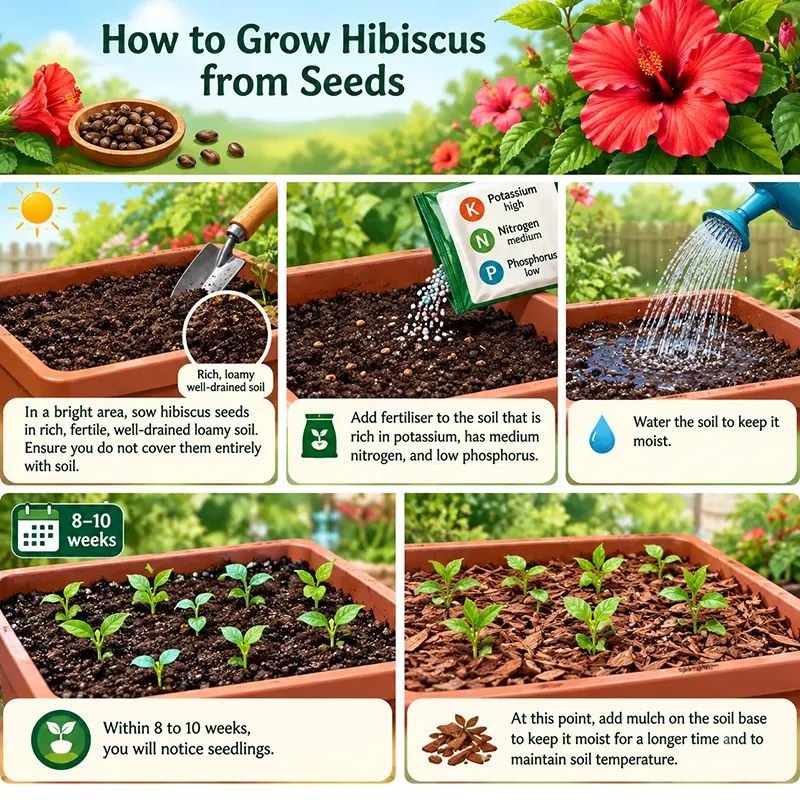
Here are a few simple steps that you need to follow to grow hibiscus from seeds:
- In a bright area, sow hibiscus seeds in rich, fertile, well-drained loamy soil. Ensure you do not cover them entirely with soil.
- Add fertiliser to the soil that is rich in potassium, has medium nitrogen, and low phosphorus.
- Water the soil to keep it moist.
- Within 8 to 10 weeks, you will notice seedlings.
- At this point, add mulch on the soil base to keep it moist for a longer time and to maintain soil temperature.
Read more: Impatiens Flower Guide: Everything From Taxonomy to Care Tips
Hibiscus Plant Taxonomy and Ideal Growing Conditions
Hibiscus belongs to the Malvaceae (mallow) family and offers numerous species for herbs, shrubs, and trees. They are mainly cultivated for their ornamental value, and some species are useful as fiber plants. The plant blooms in various hues of yellow, red, purple, pink, black, and orange. It is native to Asia and North America and grows up to 3 to 10 ft. tall and 2 to 8 ft. wide.
For hibiscus plant taxonomy and ideal growing conditions, have a look at the table below:
| Botanical name | Hibiscus spp. |
| Common name | Hibiscus, shoe flower, China rose |
| Kingdom | Plantae |
| Order | Malvales |
| Family | Malvaceae |
| Genus | Hibiscus |
| Native area | Asia and North America |
| Season of interest | Spring, summer, and fall |
| Hardiness | 4 to 11 USDA Zones |
| Light Requirements | Full sunlight with partial shade |
| Maintenance | Low |
| Type | Perennial, herbaceous, annual, shrub |
| Flower colour | Pink, yellow, red, orange, purple, white |
| Soil | Well-drained, moist soil with neutral to acidic pH levels |
| Water Requirements | Regular |
| Mature size | 3 to 10 ft. tall and 2 to 8 ft. wide |
| Fertilizers | Regular |
| Toxicity | Non-toxic for both pets and humans, but might cause trouble if consumed; inedible variety |
| Tolerant | Heat tolerant |
Read more: 20 Stunning Flowers That Start With the Letter P (With Pictures & Facts)
Popular Hibiscus Plant Varieties
Hibiscus are mainly replanted from a nursery for their ornamental flower that is also used to make tea, and some people even extract their colour. Here are some of the gardener’s favourite varieties of hibiscus along with their description:
| Variety | Description |
Tropical Hibiscus (Hibiscus rosa-sinensis)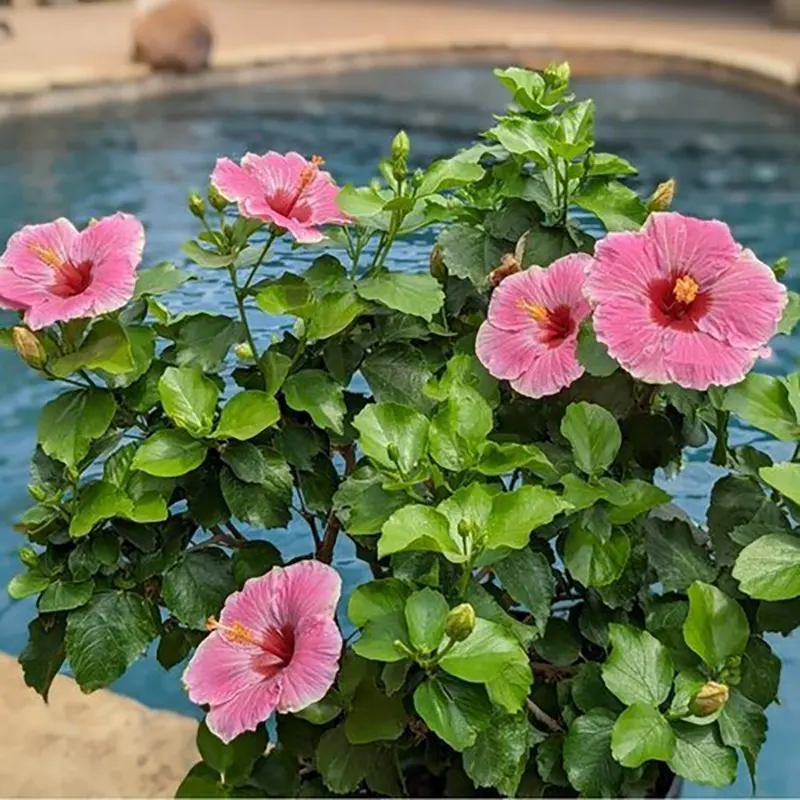 | Tropical hibiscus is also known as Chinese hibiscus. It is one of the most commonly found varieties of the flowering plant that fits well in hardiness zones 7 and 11. The plant thrives in sunlight and blooms from spring till spring. |
Hardy hibiscus or Swamp rose mallow (Hibiscus moscheutos)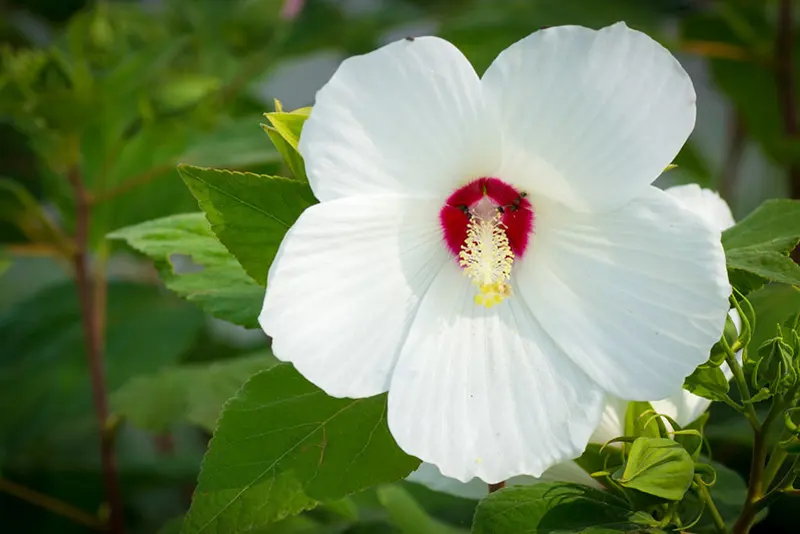 | Hardy hibiscus thrives in cooler climate areas with hardiness zones between 4 and 9. The plant is native to North America and blooms in oversized flowers in hues of red, pink, magenta, white, and lilac. |
Cotton rose (Hibiscus mutabilis)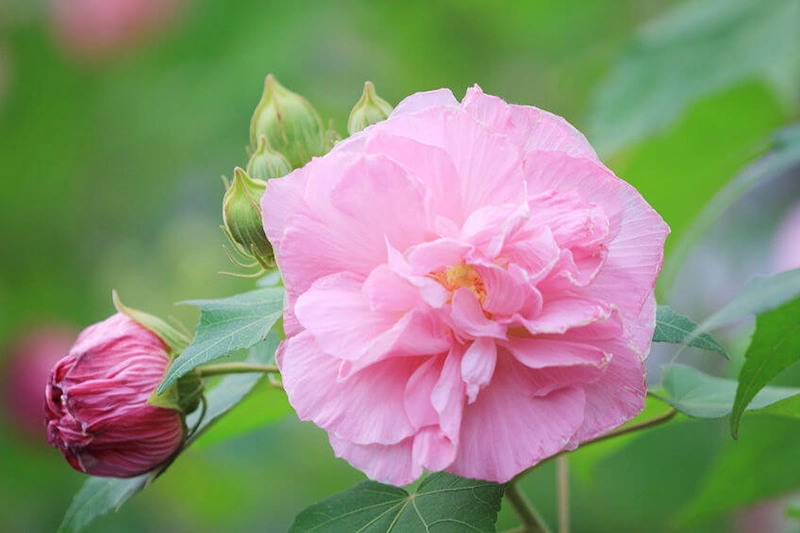 | It is a tropical shrub that grows well in hardiness zones between 7 and 11. The flower starts as a white or light pink colour and within 2 to 3 days changes to a magenta pink and later to dark pink and red. |
Roselle (Hibiscus sabdariffa)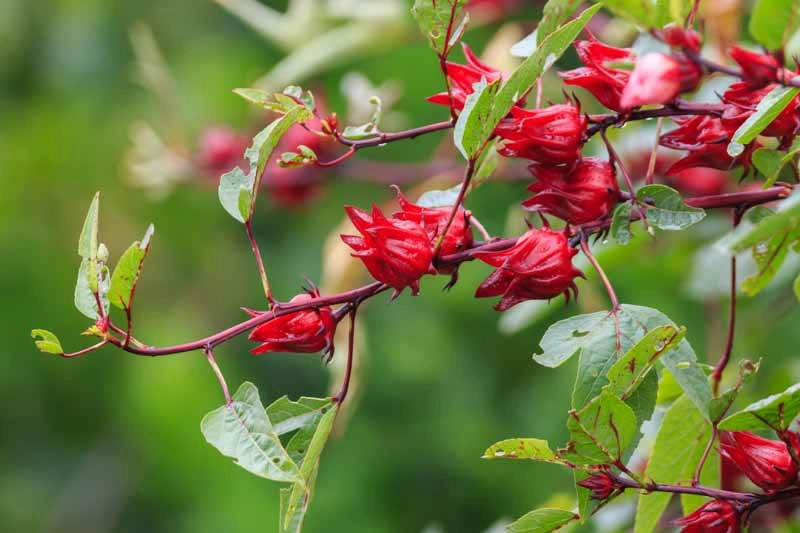 | Roselle is also known as Jamaican sorrel. The plant is mainly cultivated for its flower that is used to make tea. Its tea holds great value in Ayurveda and has many health benefits. The plant thrives in hardiness zones between 8 and 11. |
Did you know?
Hibiscus flower tea is well known for its nutritional value, which includes:
Nutrient Quantity Calories 45.18 Protein 1.31 g Fibre 6.78 g Fat 0.22 g Carbohydrates 6.11 g Iron 1.3 mg
Read more: 10 Flowers That Bloom in Late Winter Nyt – Care Guide, Planting Tips and Common Challenges
Takeaways
The hibiscus plant is among easy-to-grow plants that require minimal care and thrive for years. The plant is known as pollinator-friendly and can attract pollinators like bees, hummingbirds, and butterflies. It requires full sunlight for a minimum of 5 hours a day and rich, fertile, and moist soil to thrive.
Hibiscus, along with its ornamental values, also has nutritional values that can be consumed in the form of tea. It also helps reduce caffeine intake and is good for your skin, weight management, and maintaining cholesterol levels.
Next spring, if you are planning to grow a flowering plant, add hibiscus to your list.
Happy planting.
FAQs
How long does hibiscus flowers last?
Do hibiscus need full sun?
Yes, hibiscus needs full sun to bloom.
How big does a hibiscus get?
Hibiscus grows around 3 to 10 ft. tall and 2 to 8 ft. wide, depending on the variety.
Where to plant hibiscus?
Plant hibiscus in a location that receives full sunlight and has moist, well-draining soil.
Sources
Hibiscus: Britannica
Latest Blog