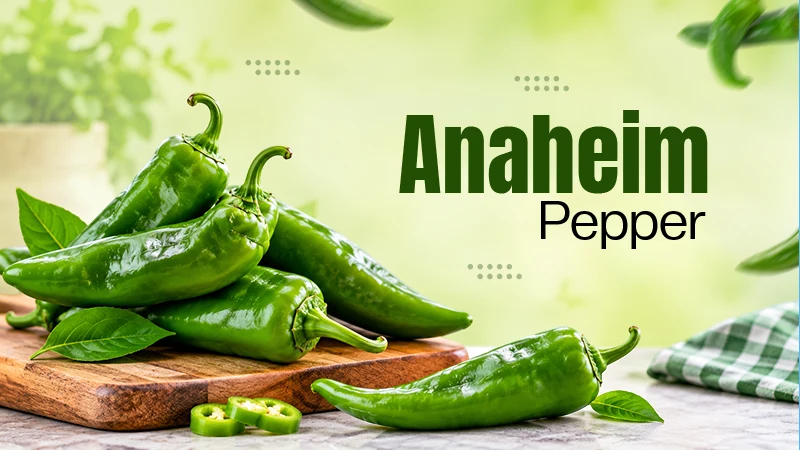
Anaheim peppers are mild and sweet. They are hotter than poblano.
How to Handle Anaheim Pepper? Its Care Tips, Growing Process, & Much More!
Author
Annette HirdReviewed By
Cody Allison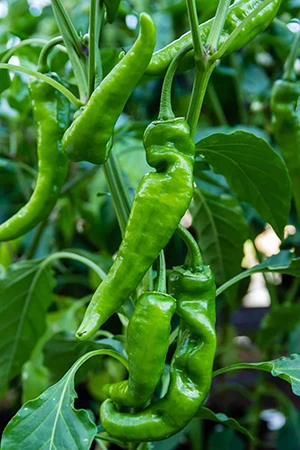
Anaheim pepper is a mild chile named after Anaheim, California, in the early 1900s. The pepper actually originated in New Mexico. Its mild flavour makes it versatile and ideal for stuffing, roasting, and grilling. These peppers are initially green in colour, but with time, when ripe, they turn into vibrant red.
This perennial chile plant grows year after year for 3 cycles, which makes it people’s favourite. They are a beginner-friendly plant that is hotter than the bell pepper and milder than a jalapeño.
Read the article to learn more about the Anaheim chiles’ taxonomy, care tips, growing process, and much more.
Table of Contents:
Anaheim Chiles Taxonomy and Ideal Growing Conditions
Anaheim chiles are botanically known as Capsicum annum. They belong to the Solanaceae family and are native to North and South America and the Caribbean. The plant needs full sunlight to thrive, along with sandy, loamy soil with neutral pH levels and balanced watering.
The plant is generally considered non-toxic to humans, but consuming it in excessive quantities can irritate the stomach. These chilies are widely used to make canned green chilies across the US, and they are rich in vitamins A and C, which help protect your cells and support a healthy immune system.
Look at the table below to learn about Anaheim peppers’ taxonomy and ideal growing conditions:
| Botanical name | Capsicum annum |
| Common name | Anaheim pepper, California chili, California green chile, chile verde |
| Kingdom | Plantae |
| Order | Solanales |
| Family | Solanaceae (Nightshade family) |
| Genus | Capsicum |
| Native area | Caribbean, North America, and South America |
| Season of interest | Summer, fall |
| Hardiness | 5- 12 USDA zones |
| Light Requirements | Full sunlight |
| Maintenance | Low |
| Type | Perennial |
| Soil | Well-draining sandy, loamy soil with a neutral pH level between 7 and 8.5 |
| Water Requirements | Balanced |
| Mature size | 2 to 5 ft tall and up to 18 inches wide |
| Fertilizers | Low to average |
| Toxicity | Safe for human consumption in normal culinary amounts. |
| Tolerant | Heat-tolerant |
Read more: Best Companion Plants for Peppers, Peppers Growing Process, Care Tips, & Much More
Essential Anaheim Pepper Care Tips
With the right amount of water and sunlight, Anaheim pepper plants produce an ample amount of chilies in summer. Below is a list of some essential care tips that help my plant grow healthily and fuller:
- Choose a location that receives direct sunlight for at least 6 hours a day. This is essential for the growth of healthy chilies.
- Avoid planting the Anaheim peppers in shade. In such a case, the plant might not be able to produce fruit.
- The most preferable soil to grow Anaheim pepper is sandy loam soil. Ensure that the soil is rich in organic content with a pH level of 7 to 8.5.
- If you are planting the pepper in a container, make sure that it has a proper drainage hole for the removal of excess water and good air circulation.
- Use a potting mix with soil for good plant growth in a container.
- Anaheim peppers require balanced watering. On hot summer days, water the plant regularly. However, in winter, avoid watering the plant too frequently because they are prone to root rot.
- Tip: Only water the plant when the top layer of soil dries out.
- Avoid watering the plant from top to bottom. Instead, water the soil directly around the plant base.
- Use fertilizer every few weeks during the growing season. Ensure that it is low-nitrogen fertilizer.
- Suggestion: The best option that works for me is organic compost. They not only make the soil nutrient-rich, but is also harmless.
- Pruning is one of the essential steps that help your plant achieve the highest yield. Remove the first batch of flowers that appear on your plant in the process. This promotes stronger branches and roots.
- If you have planted your pepper in a container, move it indoors in winter. This protects the plant from dying.
Read more: Bells of Ireland: How to Grow and Maintain this Flower
How to Grow Anaheim Pepper?

Growing Anaheim pepper at home might look like a task, but it isn’t that difficult. A proper location and soil make it grow well. Here are the steps that you need to follow to grow Anaheim pepper from seeds:
- Ensure that the soil is warm when you are planting pepper seeds outdoors. You can start indoors in a tray in late frost by spreading the seeds in the soil.
- Do not pinch them deeper than 0.2 inches.
- Place the tray near the window or in any spot that receives full sunlight.
- Water the soil to keep it constantly moist.
- Once the temperature becomes warm outside, transplant the seedlings in a sunny spot.
- Ensure that the seedlings are at least 3 inches tall while transplanting.
Can we propagate Anaheim pepper?
Propagating Anaheim pepper is not an effective way of planting. This is because it takes a while to grow and isn’t always successful.
Read more: Spirea: Taxonomy, Care Tips, Ideal Growing Conditions, & Much More
Anaheim Pepper vs. Poblano vs. Jalapeño

Anaheim pepper, poblano, and jalapeño have different shapes, flavours, heat, and culinary uses. Below is the table that compares the three peppers:
| Basis of difference | Anaheim pepper | Poblano | Jalapeño |
| Appearance | Long, curved, light to medium green | Broad, dark green, heart- or bell-shaped | Small, thick, bright green |
| Flavour | Mild, sweet, grassier | Rich, smoky when roasted, earthy | Crisp, sharply spicy |
| Heat (SHU) | 500 – 2500 SHU (mild) | 1000 – 2000 SHU (mild) | 2500 – 8000 SHU (medium to hot) |
| Uses | Roasting, general cooking, stuffing | Soups, stews, mole sauces | Pickling. Raw salads, poppers, nachos |
Read more: French Tarragon: Taxonomy, Ideal Growing Conditions, Care Tips, Pests & Problems
Nutritional Profile, Health Benefits, and Best Recipes of Chile Anaheim
Anaheim is a mild, flavourful chile that is a source of nutrients. They are low in calories and rich in vitamins and antioxidants. Below is the table that reflects nutrients in Anaheim pepper per 100 grams:
| Nutrients | Amount |
| Calories | 23 kcal |
| Carbohydrates | 5.1 g |
| Fiber | 2 g |
| Protein | 1 g |
| Fat | 0.3 g |
| Vitamin C | 69 mg (76% DV) |
| Vitamin B6 | 0.25 mg (13% DV) |
| Potassium | 220 mg |
Health Benefits of Anaheim Peppers
Anaheim chilies are gentle and have certain health benefits. Some of them are:
- They are great for immune support and healthy skin because of vitamin C.
- Since the chile is rich in antioxidants, it helps fight inflammation and support eye health.
- Anaheim is low in calories; therefore, one does not need to think much before consuming it if you are trying to manage your weight.
Best Recipes of Chile Anaheim
Here are my top 2 recipes made from Chile Anaheim:
- Stuffed and roasted Anaheims: Generously fill the pepper with cheese, beans, rice, or any stuffing of your choice. Then bake or grill for a smoky, melty texture and flavour.
- Salsa and dips: Roast Anaheims and then blend them into green or red salsa. Add toppings of your choice and enjoy it with nachos, tacos, or roasted veggies.
Read more: How To Grow Mint Indoors? From Cultivation to Care Guide and Popular Recipes
Takeaways
Anaheim pepper is a perennial that grows for 3 consecutive years. The plant can be easily grown from seeds and does not require much attention. With the right location, rich soil, and regular watering, the plant tends to grow healthily and fuller.
The best time to plant Anaheim is after the frost has completely passed and the soil becomes warmer. If you wish to grow these low-calorie, antioxidant peppers, do it in the spring.
Happy and safe planting!
FAQs
Are Anaheim peppers hot?
Does Anaheim require sunlight to grow?
Yes, Anaheim peppers require direct sunlight for 6 to 8 hours a day.
Sources
Capsicum annuum: Britannica
Latest Blog