Vacuum high-traffic areas two to three times a week and other rooms weekly. Do a light deep clean at home every few months and schedule a professional cleaning every 12 to 18 months.
How to Clean and Care for Carpets and Rugs: A Complete Guide for Every Home
Author
Terri Sander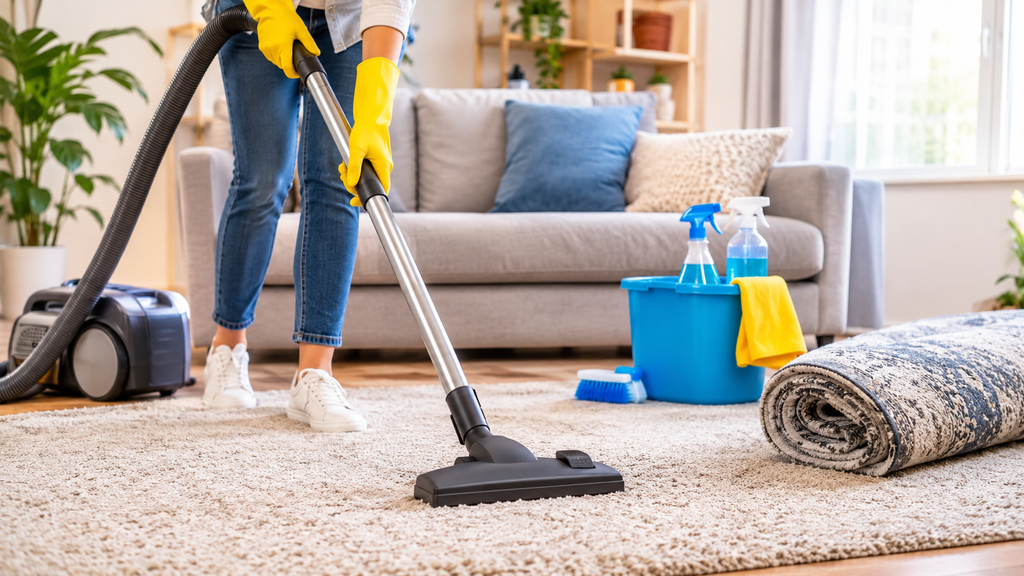
Carpets can be visually maintained well; dirt, pet hair and humidity are usually carried forward.
Eventually, carpets can become smelly and lack gloss. Discolouration can also occur and prove difficult to remove.
Basically, the reason behind this is poor care. Routine vacuuming, fast stain removal, suitable deep cleaning and humidity regulation can extend a carpet’s lifespan.
You can also take it as best to pursue the service of Carpet Cleaning Los Angeles at Quick Clean Carpet Care.
About every year, studies show that you should have carpets professionally deep cleaned. How do you care for various types of rugs and mats so as not to spoil them? Here we explain the right ways of cleaning.
Table of Contents:
Why Regular Carpet Care Matters
Carpets act like a filter for your home. Dust, pollen, pet dander, and fine grit sink deep into the threads every day.
Over time, that grit works like sandpaper, cutting into fibers each time someone walks across it. The result is a dull, flattened carpet long before it should be.
Regular upkeep helps you:
- Lengthen the life of your carpet.
- Keep indoor air clean and hygienic.
- Prevent endless stains
- Protect your investment
Simply take some steps by removing harsh dirt before it damages fibers. It decreases trapped dust and allergens. Treat spills before they set. Many carpet assurances require routine upkeep.
What You Need: A Simple Carpet Care Kit
You do not require costly installation. A primary kit covers almost every situation:
- A vacuum with adjustable height and a rotating brush. Additionally, a suction-only setting for carpets.
- Hygienic white cloths or paper towels
- A spray bottle
- Mild, clear dish soap
- White vinegar
- Baking soda
- A soft-bristled brush
- Hydrogen peroxide (3%) specially for light-colored carpets.
- A carpet rake or gentle scrub for raising smooth fur
Tip: Always use a white cloth when blotting stains. Colored towels can transmit paint onto your rug.
How to Vacuum Carpets the Right Way
Vacuuming is the single most important thing you can do for your carpet. Done accurately, it withdraws most of the dry soil that causes wear.
- Excessively low and the vacuum pulls and frays fibers. Excessively high and it touches the surface. Modify it so the brush just connects the ridge.
- Fast strokes cut embedded dirt. Go slow, overlapping passes, particularly in high-traffic sites.
- Go north to south, then east to west. Commute directionally. This raises the pile and pulls dirt from every side of the fibers.
- Focus on entryways and the space in front of couches. Collect the most grit. Vacuum these zones multiple times a week.
- Suction drops smartly once it is more than half full.
- Cut away tangled hair and yarn so the brush can keep swirling the threads correctly.
The basic rule is to vacuum high-traffic spaces twice or thrice a week. Vacuum silent rooms at least once a week. Homes with pets or allergy sufferers support more regular vacuuming.
How to Deep Clean Carpets at Home
Every few months, a light deep clean removes the oily remains and odors that vacuuming leaves behind. The best method is stated below:
Step 1: Clear and Vacuum the Room
Move lightweight furniture out of the way and vacuum properly in two directions. In-depth cleaning of a rug full of loose dirt only depends on dirt turning into mud.
Step 2: Deodorize With Baking Soda
Spread a light, even coating of baking soda all over the carpet. Leave it for at least 30 minutes, or overnight for stronger smells, then vacuum it up thoroughly.
Step 3: Test Your Cleaning Solution
Combine a mild dish soap with warm water. Before using it, find a hidden area, such as inside a cabinet, to make sure the paint does not loosen.
Step 4: Clean in Small Sections
Lightly mist one little area at a moment. Gently work the solution in with a gentle brush, moving in a semi-directional way. Avoid cleaning hard, which can untangle fibers and cause fuzzing.
Step 5: Rinse and Blot
Spray a small amount of clean water to rinse away soap, then blot firmly with dry white towels. Remaining soap attracts new dirt fast.
Step 6: Dry Thoroughly
Open windows, run fans, or turn on the air conditioning. Carpets should dry within several hours. Keep foot traffic off until they are fully dry, and place foil or plastic under furniture legs if you move pieces back early.
Tip: Use little water. Over-wetting is the most typical DIY blunder and can lead to decay in faulty backing. Also, odour retention is longer.
How to Remove Common Carpet Stains
The golden law of stain removal is easy: blot, don’t scratch. Rubbing spreads the stain and makes it deeper. Work from the outside of the stain toward the epicenter to prevent it from growing.
| Stain | What steps to be followed |
| Coffee or tea | Blot up excess. Apply a mix of 1 tbsp white vinegar, 1 tbsp dish soap and 2 cups warm water. Blot until the stain lifts, then rinse with clean water. |
| Mud | Let it dry completely, then break it up and vacuum. Treat any remaining mark with a gentle soap solution. |
| Red wine | Blot immediately. Pour a little cold water on the spot and keep blotting. Apply dish soap and vinegar solution; on light carpets, a little amount of 3% hydrogen peroxide can help (test first). |
| Pet urine | Blot as much as possible. Apply a 1:1 mix of white vinegar and water, blot, then sprinkle baking soda once dry and vacuum. An enzyme cleaner helps break down odor. |
| Grease or oil | Sprinkle baking soda or cornstarch to absorb oil for 15–20 minutes, vacuum, then treat with a few drops of dish soap in warm water. |
| Blood | Use cold water only. Hot water sets protein stains. Blot with cold water and mild soap solution. |
| Chewing gum or wax | Harden gum with an ice cube in a plastic bag, then gently scrape it off. For wax, place a paper towel over it and warm it briefly with an iron on low heat to lift it. |
Tip: Never use bleach on a rug unless it is labelled as safe. It can permanently remove paint.
How to Care for Area Rugs
Area rugs need different treatment depending on their material.
- Wool rugs: Vacuum without the beater bar or with it raised. Avoid soaking them, and use only soft, wool-safe cleansers.
- Cotton and flat-weave rugs: Small rugs can often be machine washed; always refer to the label.
- Synthetic rugs: These are very tolerant and handle mild soap and water well.
- Silk, viscose, and hand-knotted rugs: These are sensitive to color bleeding and weave damage. Leave deep cleaning to specialists.
A few habits help every rug last longer:
- Regularly turn to ensure an even distribution of light and footfall.
- Place under a rug pad to avoid slippage and to both protect and provide extra comfort.
- Shake out or thrash small rugs outside to remove deep sand stains.
- Vacuum the back occasionally, since dirt also collects below it.
Common Carpet Care Mistakes to Avoid
Even well-meaning homeowners can shorten their carpet’s life. Watch out for these common mistakes:
- Using too much cleaning product. Residue acts like a magnet for dirt.
- Scrubbing stains aggressively. This damages fibers and spreads the mess.
- Using hot water on protein stains such as blood, milk, or egg.
- Skipping the spot test before trying a new cleaner.
- Over-wetting the carpet when deep cleaning at home.
- Ignoring entryways. Doormats inside and outside every entrance can stop a large share of dirt before it reaches the carpet.
- Waiting too long between professional cleanings. Home methods do not reach the deepest layer of dirt.
When to Call a Professional
Home care keeps carpets looking good day to day, but it cannot fully remove the dirt and residue packed deep into the pile and backing. Many carpet manufacturers advise professional cleaning every 12 to 18 months, and more frequently if there are pets, children, smokers, or allergies in the household.
It is time to call in the experts when:
- High-traffic routes look gray or matted even after regular vacuuming.
- Emits unpleasant smells after cleaning.
- Stains keep resurfacing after they dry; an indication that deep-level grime remains within the carpet.
- You have pet accidents that have soaked into the padding.
- You are moving in or out of a home or organizing it for guests or sale.
- You own soft rugs made of wool, silk, or viscose.
Professionals use equipment such as hot water extraction and low-moisture techniques that rinse out embedded dirt without oversaturating the carpet.
When choosing a provider, look for licensed and qualified technicians, clear cost information, and family- and pet-safe cleaning solutions.
Reading local reviews of Carpet Cleaning Services in your area is a fast way to analyse a business’s knowledge and reputation before you book.
Takeaways
Keeping carpets and rugs beautiful is less about costly products and more about regular habits.
Vacuum slowly and often, blot spills right away, use gentle solutions with as little water as possible, rotate your rugs, and stop dirt at the door.
Pair these routines with an experienced deep clean once a year or so, and your carpets will stay softer, cleaner, and presentable for many years.
FAQs
How often should I clean my carpet?
Is vinegar safe for all carpets?
It depends on the method and airflow. Light home cleaning usually dries in a few hours, while deeper cleaning may take longer. Fans, open windows, and air conditioning speed things up.
How long does carpet take to dry after cleaning?
It depends on the method and airflow. Light home cleaning usually dries in a few hours, while deeper cleaning may take longer. Fans, open windows, and air conditioning speed things up.
Can baking soda damage carpet?
No, baking soda is safe when used as a light layer and cleaned up thoroughly. Dumping large amounts behind can dull the carpet and block your vacuum filter.
Why does a stain come back after cleaning?
This is called wicking. Moisture pulls leftover residue from deep in the backing up to the surface as it dries. Blotting thoroughly and using less moisture helps, but persistent cases usually need experienced extraction.
Latest Blog