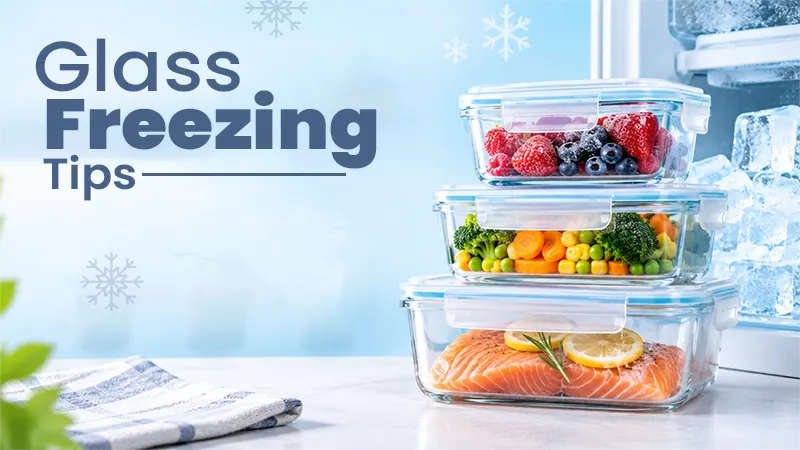
Yes, it is possible to freeze foods in glass containers, but these containers should be specifically intended for use in a freezer. Tempered glass containers are preferable since they can cope with sudden changes in temperature better than regular glass.
Can You Freeze Food in Glass Containers Without Cracking Them?
Author
Rashika Gupta
Using glass containers to freeze leftover foods and preserve meals for future use is very easy. Be it soup, pasta sauce, rice, or any other type of meal, it is very easy to use glass to store these food items in the freezer.
What you should be aware of is the fact that not all types of glass jars are designed for freezing purposes. Even minor mistakes may result in cracked or broken jars.
However, there are several simple steps that allow freezing meals without causing harm to your glass.
Table of Contents:
What glass is suitable for freezing?
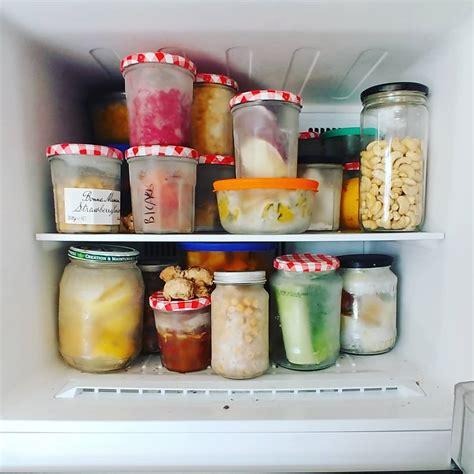
Though not all glass is equal when it comes to freezing, tempered glass has been treated such that it can withstand changes in temperature. This is much more effective than both thin glass and ornamental glass. Ensure that your glassware has a freezer symbol on the base or packaging. When buying glass food storage containers, also confirm that the lid is suitable for freezing. Plastic lids can become fragile, so it is wise to verify this. Alongside Pyrex, there are other companies that produce food storage sets including tempered glass. However, old jars used for pasta sauce are not ideal. They are both narrow and have irregular thickness, making them highly prone to shattering.
Why does glass shatter in the freezer?
In general, there are two basic reasons why glass breaks. First, as indicated above, water expands by about 9 percent upon freezing. This means that if a glass contains soup, for instance, then the liquid exerts much pressure on the glass.
Secondly, glass can crack as a result of differential temperature change. As sections of glass heat or cool at differing rates, strain is caused. Eventually this becomes too much and the glass breaks. Often there is a loud ‘snap’, and sometimes in the morning you will notice a crack.
Allow for expansion
When freezing liquids, allow headspace of approximately 2cm. When we put the cup completely full of chicken stock, it will swell up and might break or even remove its cover. Ideally, glasses should be shapeless as this allows ice to expand without applying pressure to any bulge. Solid items such as cooked chicken or vegetables require less headspace, although it is still good practice to allow a little room.
Chill Food
Placing heated food in glass containers puts stress on the glass. Furthermore, the glass container gets heated up, along with other contents of the freezer. Leave food to stand on the counter for approximately one hour. Then put it in the fridge to chill. Ideally, food should be placed in the freezer within 2 hours of being cooked. This ensures the food is both safe and the glass remains undisturbed.
Prevent Abrupt Temperature Change
It has been stated earlier that glass does not like to be exposed to changes in temperature. Do not put any frozen glass utensil inside a hot oven or hot stove. Do not pour boiling water on frozen glass.
For instance, if a lasagne is frozen in a glass dish and then put into an oven at 200 degrees Celsius, the outer section of the glass will heat up whereas the centre will remain frozen. The resulting differential in temperature can cause breakages. Always defrost items first and adhere to the manufacturer’s guidelines for heating.
Defrosting
The mildest way to defrost is to place your glass item in the fridge. Ideally, do this the day before you plan to use it. In order to increase the pace, immerse a sealed glass object in a bowl of cold water. Alternatively, use the defrost function on a microwave (remembering to ensure that the microwave-safe lid is unsealed). Again, avoid using hot water. Consume the food within one or two days following defrosting.
Typical Errors
Overfilling is also a frequent mistake. Moreover, food is often put into the freezer while it is still hot. People also frequently keep using their glass containers despite having small hairline cracks or scratches on them.
Extra strain can be applied to glassware if heavy bags are stacked upon it. Lastly, people frequently neglect to label items. Consequently, for extended periods, the freezer can contain unidentified items. Attach a piece of tape with both a date and description to the glassware.
Extending The Life Of Glassware
Handle glass carefully and avoid abrasive metal scrubbers. Before every use, examine glassware for hairline cracks. Discard distorted or cracked lids. For optimal freshness, store glass items with their lids removed. Properly caring for glass will enable you to utilise a high-quality set for many years – whether for producing and/or storing food.
Freezing food in glass is very effective as long as the correct jar is used, there is room for expansion, and changes in temperature are gradual. You can begin by freezing one batch of soup this week.
FAQs
Can you freeze foods in glass containers?
Why do glass containers crack in the freezer?
Glass containers can crack due to the expansion of liquids that happens when they freeze and creates pressure on the walls of the container. Sudden temperature changes may cause thermal stress that can result in breakage of the container.
Are tempered glass containers suitable for freezing food?
Yes, tempered glass specifically made for freezer use can be suitable for freezing food. Always check the instructions provided by the manufacturer before freezing any food in a glass container.
Are glass containers that are scratched and chipped fit for freezing food?
No, glass containers with any scratch or crack should not be used to freeze food. This increases the chances of breaking the glass during freezing or when defrosting.
Latest Blog