Fiberglass and insulated uPVC doors are among the most energy-efficient options because they provide excellent thermal insulation and require minimal maintenance.
How to Choose Doors That Improve Your Home Inside and Out
Author
Rashika GuptaLast Update
September 22, 2026
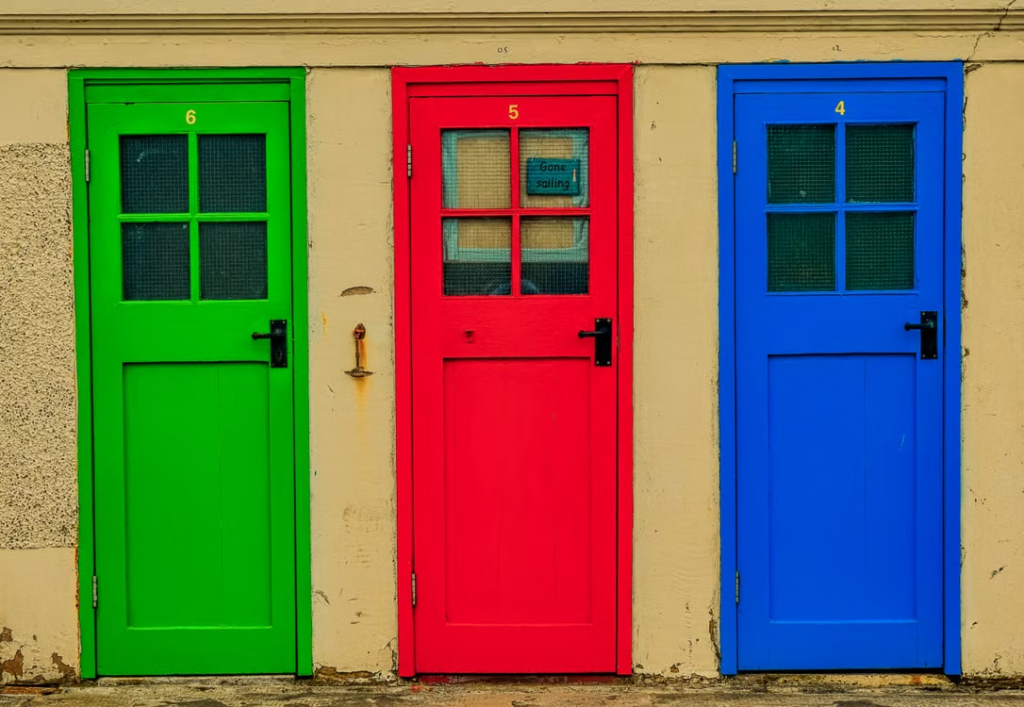
“The details are not the details. They make the design.” — Charles Eames (Designer)
In a renovation, one of the most impactful yet overlooked upgrades is doors, and a garage door upgrade in particular. They boost your home’s appearance, comfort, security, and energy efficiency simultaneously. The right door can enhance curb appeal, reduce heat loss, minimize outside noise, and create a seamless connection between your indoor and outdoor spaces.
An informed choice about the door improves the look, comfort, and security of your house. Doesn’t matter whether you’re replacing an old front door or looking for interior doors during a renovation. Here are the aspects to consider before investing in any door.
Table of Contents:
Matching Door Aesthetics with Home Architecture
Front entrances set the tone for your entire property layout. Selecting a design that aligns with building architecture creates instant visual harmony across the exterior frontage. Traditional homes benefit from paneled timber styles, whereas contemporary structures look pleasing with clean glass lines.
Finding a design that complements modern exterior cladding requires careful thought. Many homeowners browse modern uPVC door styles to improve street appeal without renouncing structural strength. These profile designs fit traditional character houses and sleek modern builds alike.
Match the door colors with the window frames around. It brings the entire exterior design together seamlessly. Neutral tones remain favored for long-term value, whereas bold colors create striking entry focal points. Selecting matching handles and hinges adds a refined touch to the entrance.
Prioritizing Thermal Performance and Efficiency
Drafting via loose frames forces HVAC systems to work overtime during hot summers and cold winters. Solid insulation layers inside door panels prevent temperature leaks and lower monthly utility expenses. High-performance cores block thermal transfer between outdoor stuff and indoor spaces.
A university study highlighted that upgrading doors and windows serves as a top energy modification homeowners can complete. Investing in high-efficiency doors keeps indoor conditions stable throughout all seasons. Proper sealing around stops moisture from seeping into wall structures.
High-quality weatherstripping keeps conditioned air inside where it belongs. Double-glazed glass inserts raise insulation values and let natural light filter into dark hallways. Multi-chambered frame designs further reduce air leaks around entry edges.
Understanding Government Tax Incentives
Replacing obsolete exterior entryways often qualifies for financial savings through local tax relief programs. Governments reward property owners who choose products that meet strict conservation targets. Energy-efficient updates help reduce community energy grid stress during peak seasons.
An American Legion news report pointed out that exterior doors qualify for tax credits worth $250 per door, up to $500 total when installing multiple units. These incentives compensate for initial installation expenses significantly. Lowering your net investment makes high-grade materials far more affordable upfront.
Smart buyers calculate these tax rebates when setting a total renovation budget. Savings earned from incentives help offset installation labor fees. Researching local rebates before purchasing maximizes financial savings.
Evaluating Material Durability Standards
Choose materials that withstand heavy weather. It prevents early deterioration and frequent repair bills. Frame durability varies depending on exposure to sun, rain, and extreme temperature changes. Choosing weather-resistant frames preserves initial appearance for numerous years.
An Alliance to Save Energy update confirmed that qualifying efficiency tax improvements include exterior doors meeting specific performance standards. Ensure the products are tested as per standards. It provides you with long-lasting resistance against winter cold and summer heat damage. Certified materials protect your investment for decades without warping or fading.
Low-maintenance options save money on painting, staining, and sealing down the road. Sturdy structures resist swelling caused by excess humidity during wet seasons. Durable finishes retain original color without requiring continuous chemical treatments.
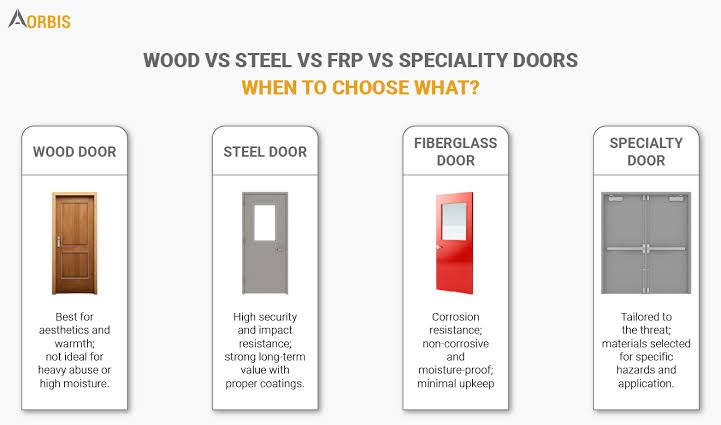
The infographic summarizes various door materials and their right use case:
Selecting Interior and Exterior Features
Interior doorways shape indoor layout flow and manage noise levels between rooms. Sliding designs work well for compact rooms, and heavy solid-core designs suit master bedrooms and home offices. Selecting proper core thickness prevents sound transmission across peaceful living zones.
Key features to consider when picking interior and exterior doors include:
- Multi-point locking systems for exterior security
- Insulated centers to minimize heating loss
- Tempered glass panels for added daylight
- Solid construction for room soundproofing
Keep identical or at least similar finishes across all doors. It brings about a clean aesthetic and look. Brushed nickel and matte black handles suit modern interiors, whereas classic brass fits traditional architecture. Quality hinges provide smooth operation over thousands of opening revolutions.
Enhancing Safety and Noise Reduction
Exterior entryways form your primary defense line against forced entry and bad weather. A new front door immediately improves your home’s security. Installing heavy-duty hinges, reinforced frames, and advanced deadbolts increases personal safety dramatically. Robust hardware deters intruders and keeps structural frames firmly aligned.
Laminated protection glass adds extra strength against impacts and reduces street noise from passing traffic. When your indoor environments are quiet, you invariably get better sleep. On top of that, your stress levels get reduced. Specialized acoustic glass absorbs sound vibrations before they reach indoor living quarters.
A solid entrance acts as an effective sound barrier for homes near busy roads. Heavy internal cores stop sound waves from bouncing through hallways and shared living spaces. Proper perimeter gaskets complete the soundproofing barrier effectively.
Conclusion
Upgrading your gates brings immediate advantages for home comfort, security, and visual appeal.
You can make an informed decision on the doors by balancing just three aspects:
- Thermal performance
- Style preferences
- Safety features
It will surely bring you long-lasting fulfillment. Upgrading doors transforms everyday living spaces into quiet, energy-efficient retreats. Careful selection now protects your property investment for years to come.
FAQs
Which door material is most energy efficient?
How often should exterior doors be replaced?
A high-quality exterior door can last 20 to 40 years, depending on the material, weather exposure, and maintenance.
What features should I look for in a secure front door?
Look for a solid-core or reinforced door with a multi-point locking system, heavy-duty hinges, reinforced frames, and impact-resistant or laminated glass if the door includes glass panels.
Latest Blog