Some flowers that start with P are peony, primroses, poppy, platycodon, prairie gentian, and periwinkle.
20 Stunning Flowers That Start With the Letter P (With Pictures & Facts)
Author
Cerina TriglavcaninLast Update
September 14, 2026
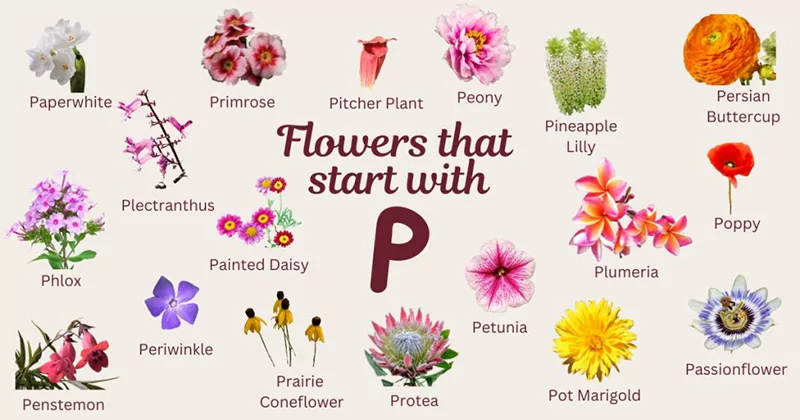
From aesthetic perennials to delicate annuals, this write-up covers the wide range of flowers starting with P. Some of the most popular flowers that start with P are Peonies, poppies, primroses, etc. These flowers might be a part of your garden or balcony decor, or your next flower bouquet that you want to give to your loved ones.
If you are wondering which flowers have names that start with P, here are 20 flowers for you.
Table of Contents:
10 Flowers That Start With The Letter P
Let us explore some of the most well-known flowers that start with P and embark on this petal’s journey.
1. Peony
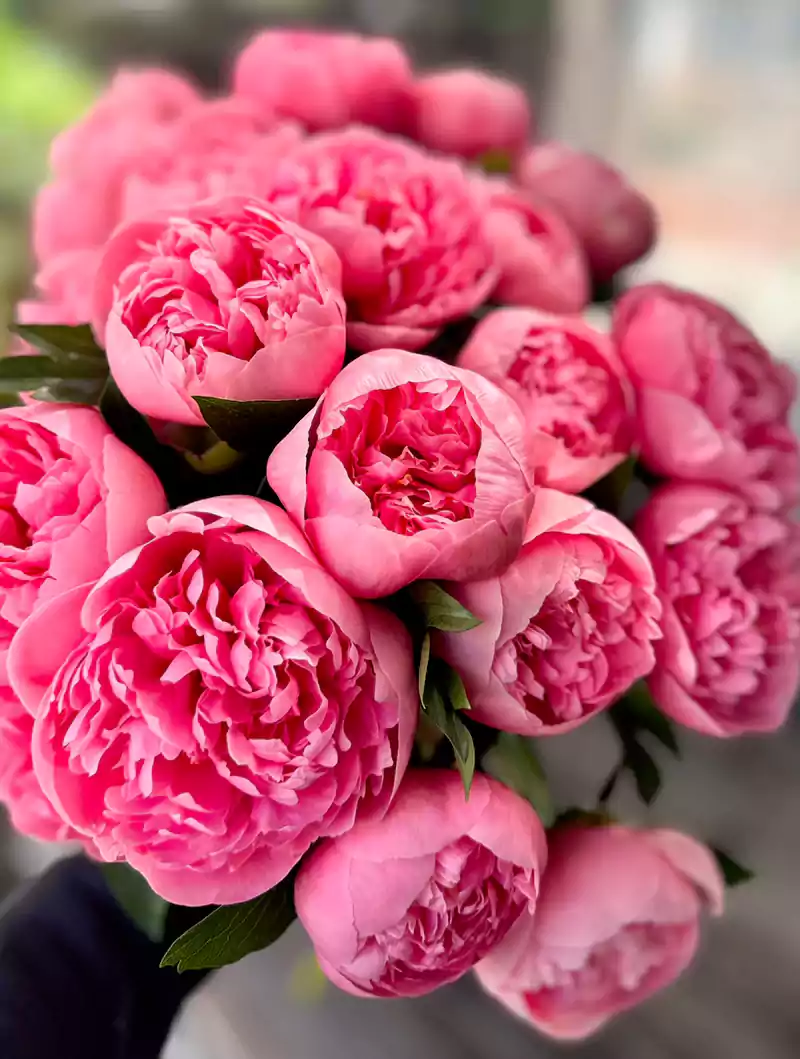
Peony is a beautiful flower often recognised for its vibrant colours and low-maintenance quality. It is also known as the “king of flowers” in China and blooms during late spring to early summer.
The fragrant blossoms of the peony flower grow up to 7 ft. tall and are often used for ornamentation and gifting purposes. Here is some basic information about the peony flower:
| Botanical name | Paeonia |
| Hardiness zone | 3 to 8 USDA Zone |
| Native | Northern hemisphere |
| Ideal growing conditions | Choose an area that receives bright indirect sunlight. Ensure that the soil is rich, well-drained, and moist but not soggy. |
2. Primroses
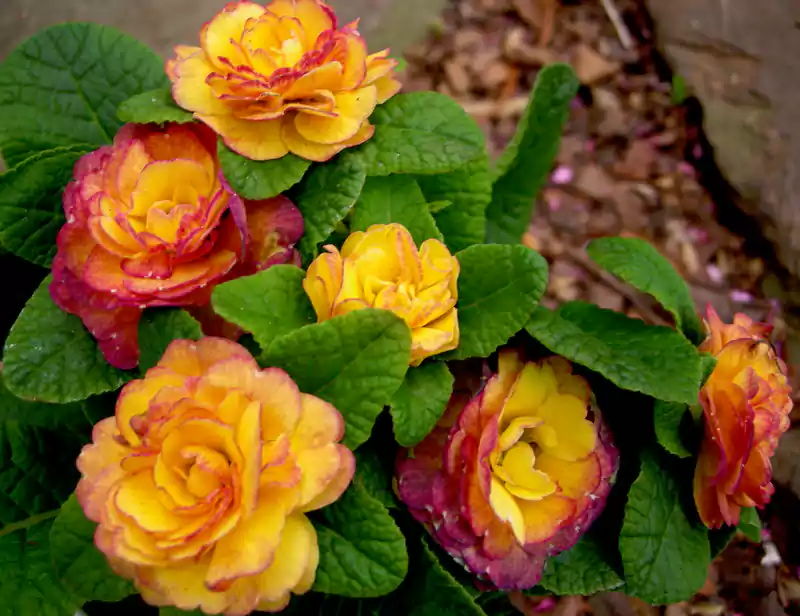
Primroses are annual perennials that bloom from early spring till winter, depending upon the variety. It grows from 6 inches to 12 inches tall and blooms in various hues of red, pink, orange, white, and purple.
They are a perfect match for a pollinator-friendly garden and attract pollinators such as bees, hummingbirds, and butterflies. Here is some basic information about the primrose flower:
| Botanical name | Primula vulgaris |
| Hardiness zone | 3 to 8 USDA Zone |
| Native | Asia, Europe, North America |
| Ideal growing conditions | Primroses require bright, indirect sunlight to thrive. Make sure that the soil is rich, well-drained, and moist but not overwatered. |
3. Protea
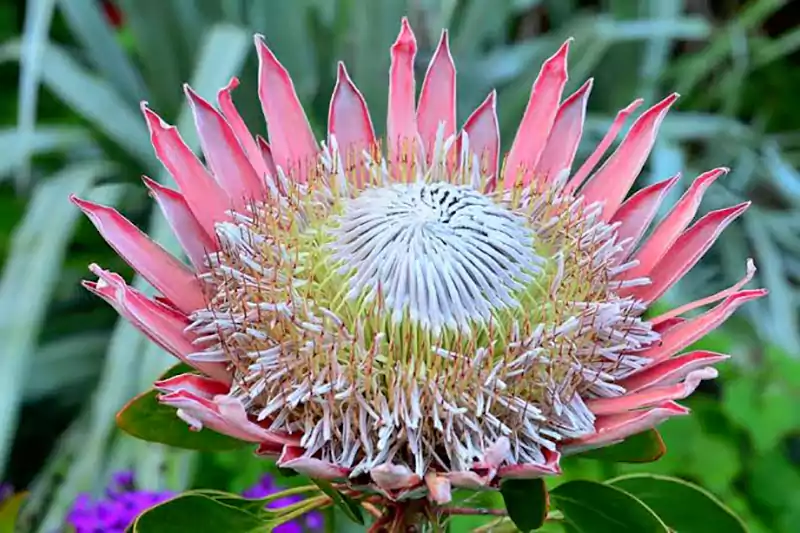
Proteas have captivating blooms that are irresistible and are known for their beautiful pink flowers. The plant is also commonly called “sugar bush” since they produce nectar in large quantities. Here is some basic information about the protea flower:
| Botanical name | Protea L. |
| Hardiness zone | 2 to 12 USDA Zone |
| Native | Southern hemisphere (South Africa’s fynbos region) |
| Ideal growing conditions | Choose the area that receives bright direct sunlight. Ensure that the soil is rich, well-drained, and moist but not soggy. Water the plant deeply during the growing stage. |
4. Pentas
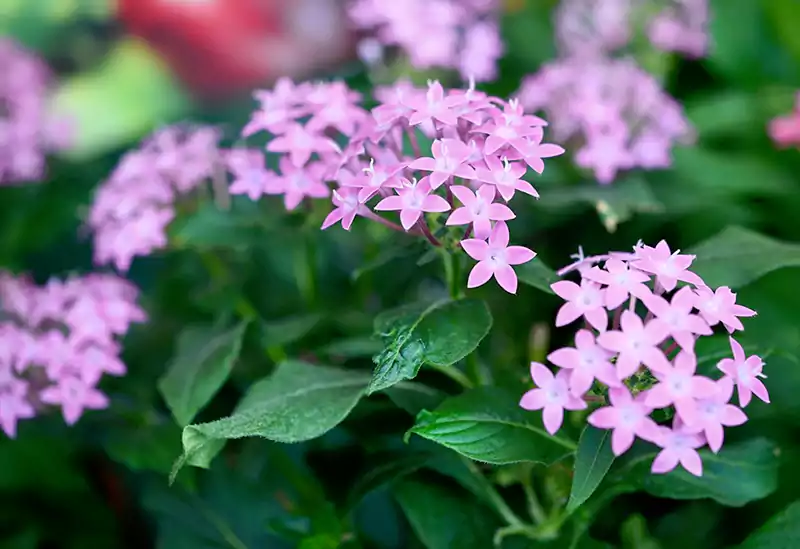
Pentas are known for their picturesque quality that instantly enhances the aesthetics of your place. It is commonly known as the Egyptian Star Flower and the Egyptian Star Cluster. Pentas is celebrated as a houseplant that is suitable for both beginner and pro gardeners. Here is some basic information about the pentas flower:
| Botanical name | Pentas lanceolata |
| Hardiness zone | 10 to 11 USDA Zone |
| Native | Eastern Africa and Southern Arabia |
| Ideal growing conditions | Choose an area that receives bright, indirect sunlight for optimal plant growth. Ensure that the soil is rich, well-drained, and moist but not soggy, with the pH levels between 6 and 7. |
5. Poppy
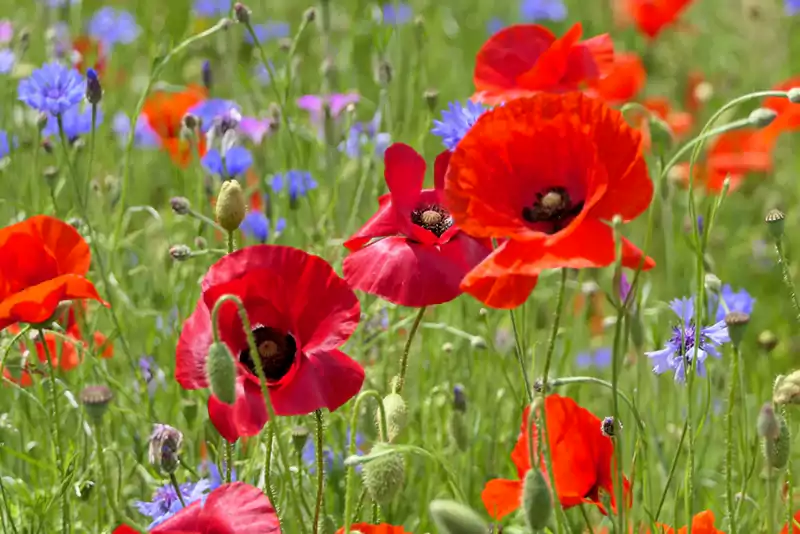
Poppy is a popular August Birth Flower which blooms in almost every hue of pink, red, blue, purple, orange, and yellow. Globally, it is known for its medicinal properties and is widely used for floral decorations. Here is some basic information about the poppy flower:
| Botanical name | Papaver |
| Hardiness zone | 3 to 11 USDA Zone |
| Native | Varies by species |
| Ideal growing conditions | For poppies, choose an area that receives bright, direct sunlight. Ensure that the soil is rich, well-drained, and moist but not soggy. The plant requires water during the initial growing stage. |
6. Peruvian Lilies
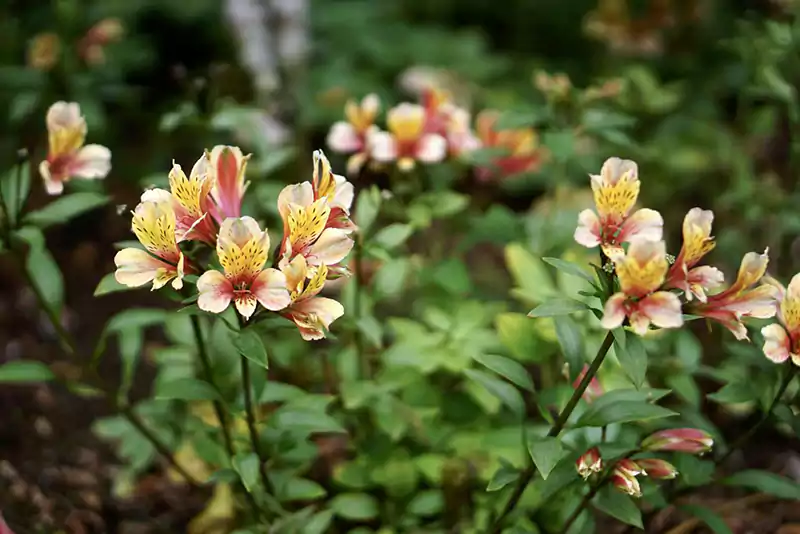
Peruvian lily does not belong to the original lily family, but it has a look-alike bloom. The plant often blooms in shades of yellow, pink, white, orange, and purple. This spring flower grows up to 3 ft. tall and is appreciated for its trumpet-shaped flowers that uplift your mood and nature. Here is some basic information about the Peruvian lilies:
| Botanical name | Alstroemeria |
| Hardiness zone | 7 to 12 USDA Zone |
| Native | Chile, Brazil, and Argentina |
| Ideal growing conditions | Though Peruvian lilies can survive in partial shade, choose an area that receives bright, direct sunlight for best plant growth. Make sure that the soil is rich, well-drained, and moist but not soggy. Water the plant only when the topsoil begins to dry. |
7. Pincushion Flower
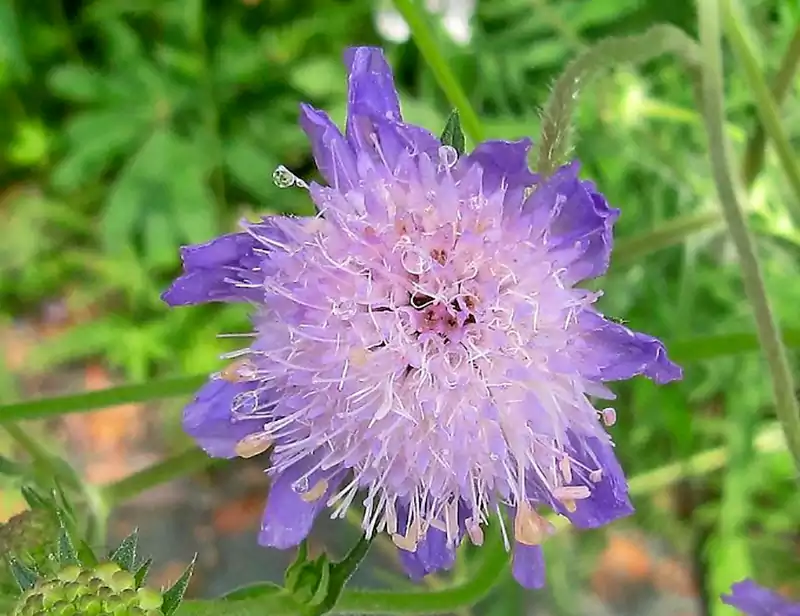
Pincushion is a rare perennial species known for its unique appearance. The flower is widely celebrated for its beautiful colour and is used for ornamentation. It is also a pollinator-friendly plant that helps attract pollinators like hummingbirds, butterflies, and bees. Here is some basic information about the pincushion flower:
| Botanical name | Scabiosa |
| Hardiness zone | 5 to 9 USDA Zone |
| Native | North Africa, Asia, and Europe |
| Ideal growing conditions | Choose the area that receives a minimum of 6 hours of bright, direct sunlight. Ensure that the soil is rich, well-drained, and moist but not soggy to avoid any fungal infection. Also, add a layer of compost to the soil for optimal plant growth. |
8. Phlox
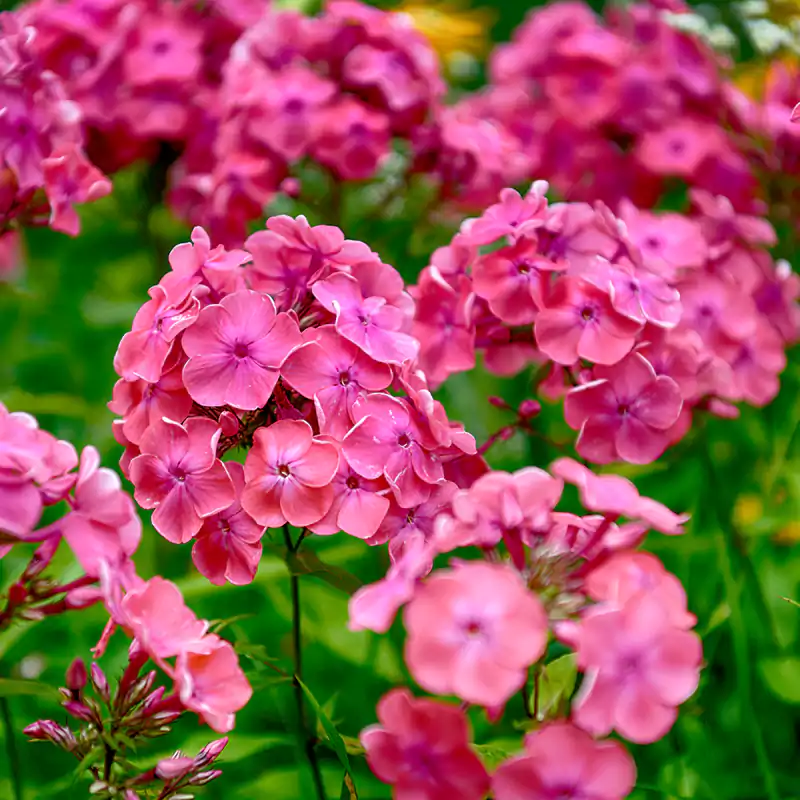
Phlox is a long-living plant that can last for decades if properly cared for. It is known for thriving in the garden on hot summer days. The plant grows up to 4 ft. tall, depending on the variety. Here is some basic information about the phlox flower:
| Botanical name | Depends on the species |
| Hardiness zone | 3 to 9 USDA Zone |
| Native | North America |
| Ideal growing conditions | Choose an area that receives bright indirect sunlight. Ensure that the soil is rich, well-drained, and moist. |
9. Petunia
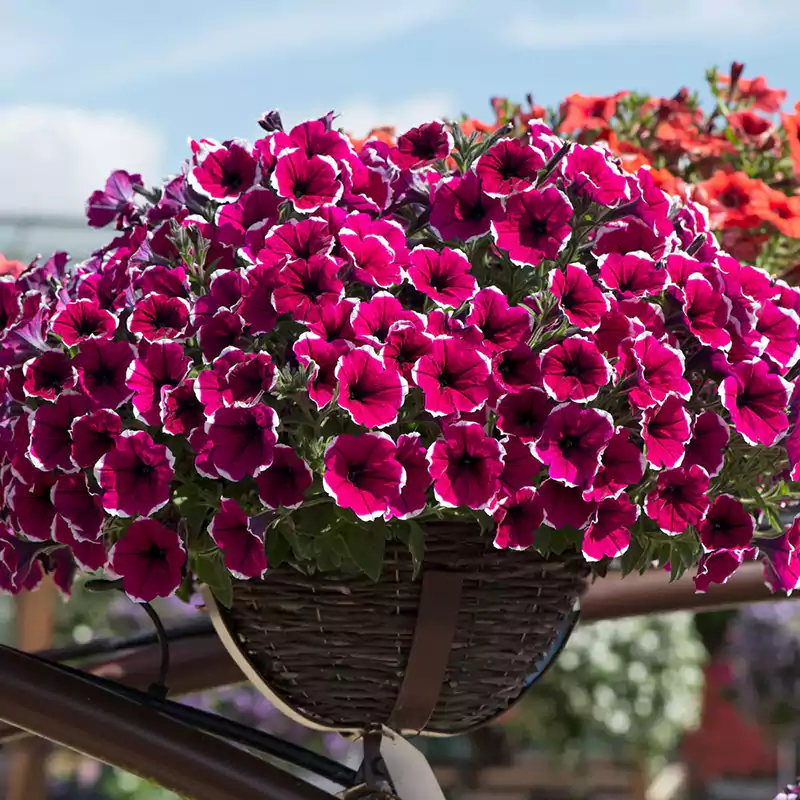
Petunia is one of the fall flowers, often used for ornamentation. It grows perennially in autumn to a maximum of 1.5 feet. The plant is also known for its low-maintenance nature and for attracting pollinators. Here is some basic information about the petunia flower:
| Botanical name | Petunia x hybrida |
| Hardiness zone | 2 to 11 USDA Zone |
| Native | South America |
| Ideal growing conditions | Petunia prefers an area that receives bright, direct sunlight but can also survive in partial shade. Ensure that the soil is rich, well-drained, and moist but not soggy to avoid root rot. |
10. Pansy
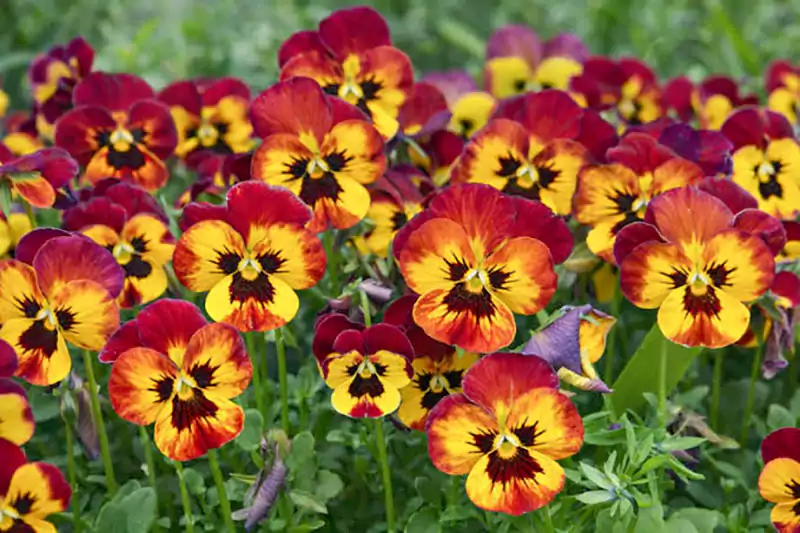
Pansy is one of the winter plants that has a unique appearance and blooms in various hues of blue, purple, pink, and red. The average height of the plant is between 6 and 10 inches, and it can be grown annually in flower beds. Here is some basic information about the pansy flower:
| Botanical name | Viola x Wittrockiana |
| Hardiness zone | 4 to 8 USDA Zone |
| Native | Western Asia and Europe |
| Ideal growing conditions | Choose the area that receives bright, direct sunlight. Ensure that the soil is rich, well-drained, and moist. Requires moderate watering. |
Lately, people have gained consciousness about their surroundings and aesthetics. The best way to make your space lively and aesthetic at the same time is with plants. They not only change the vibes of your space, but some of the plants also work as great natural air purifiers.
10 Additional Flowers that Start with P
Here is the list of an additional ten flowers that start with P:
| Flower name and image | Description |
Pheasant’s Eye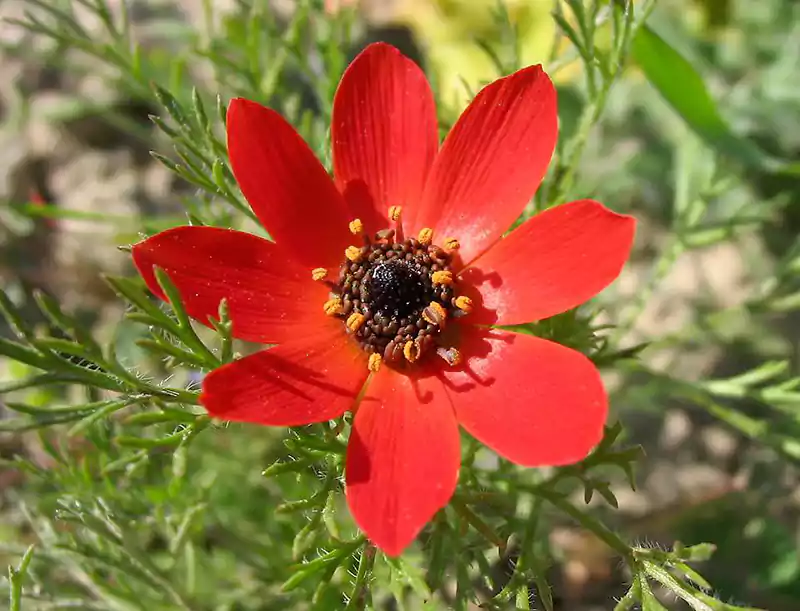 |
|
Portulaca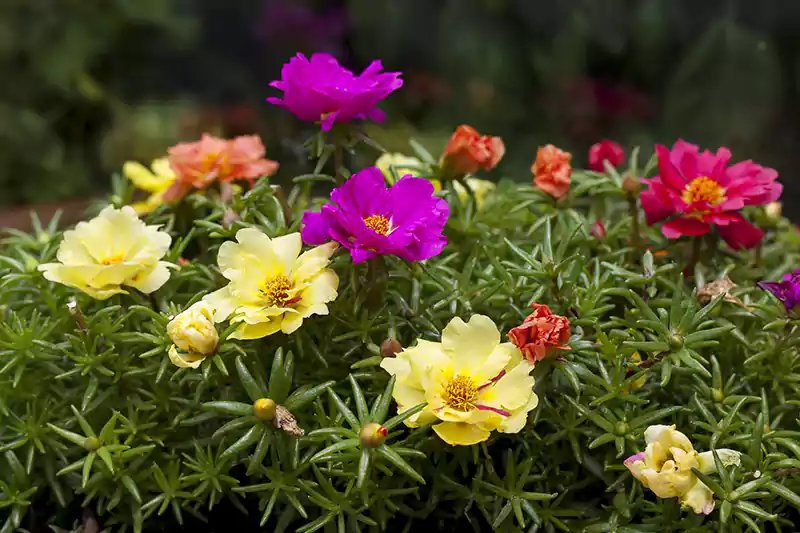 |
|
Prickly Pear Cactus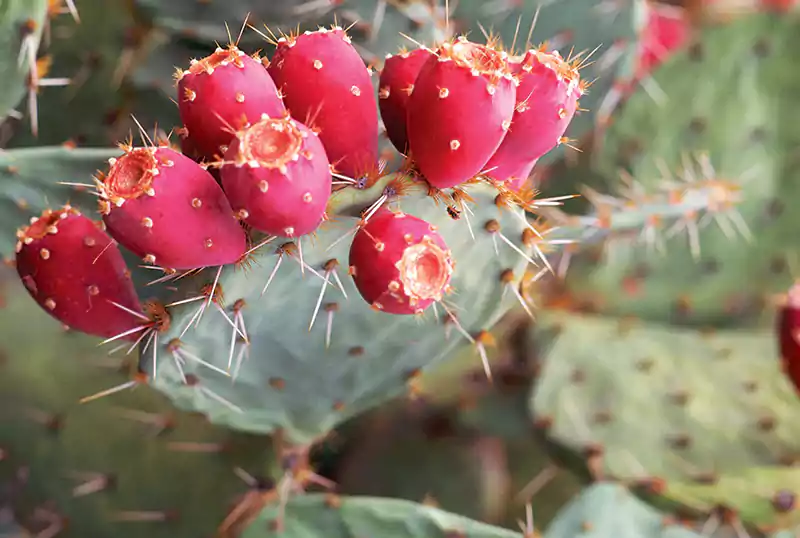 |
|
Prairie Gentian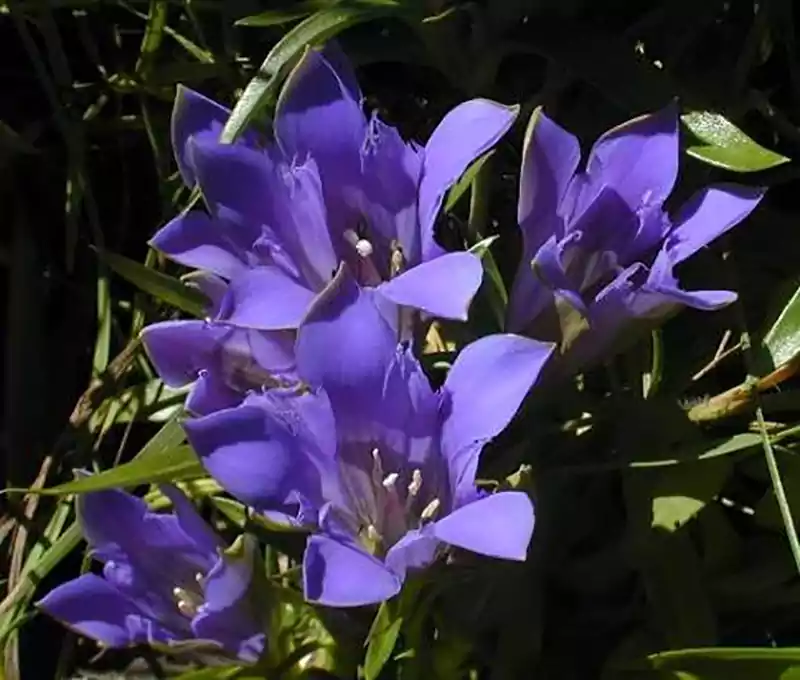 |
|
Parrot Lily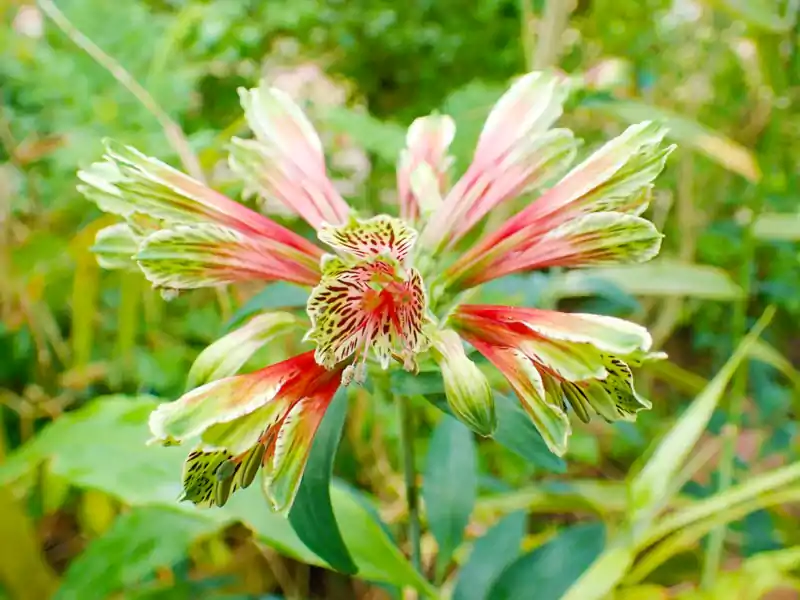 |
|
Persian Buttercup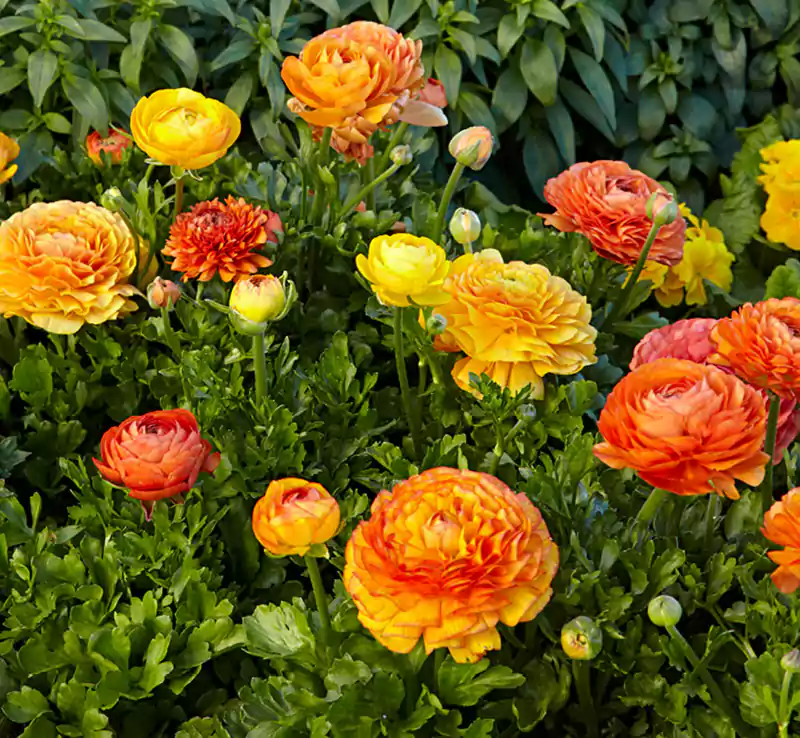 |
|
Painted Daisy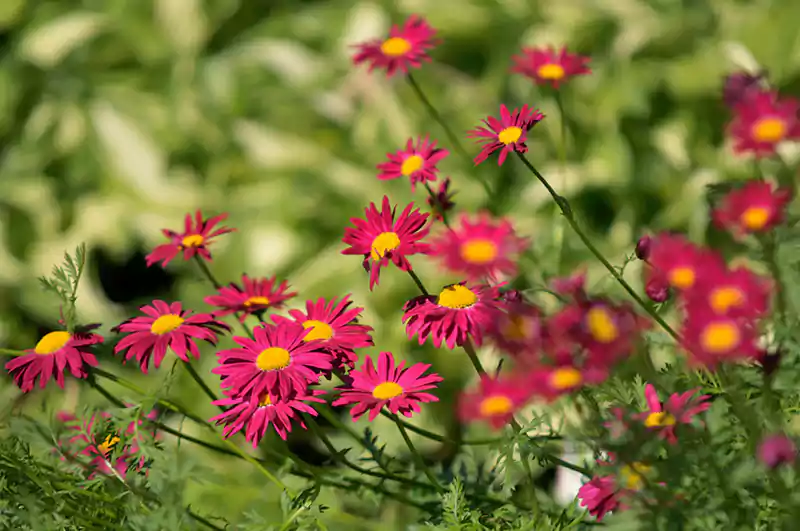 |
|
Prairie Smoke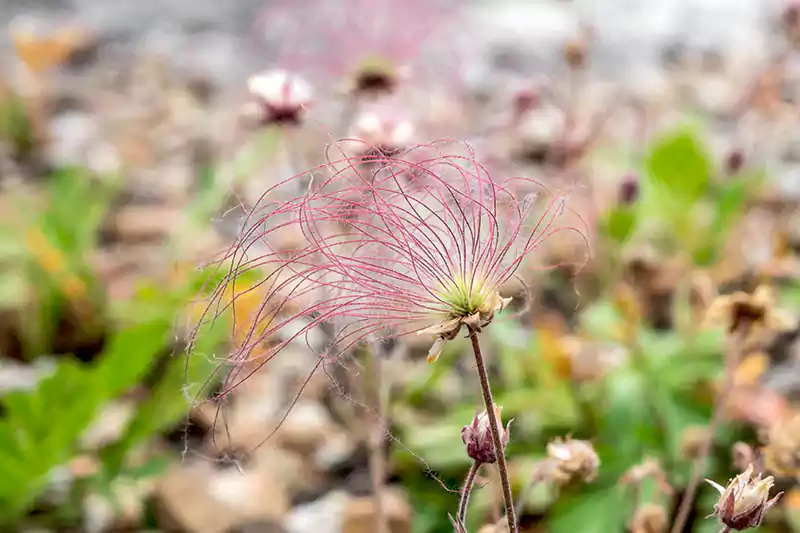 |
|
Pulsatilla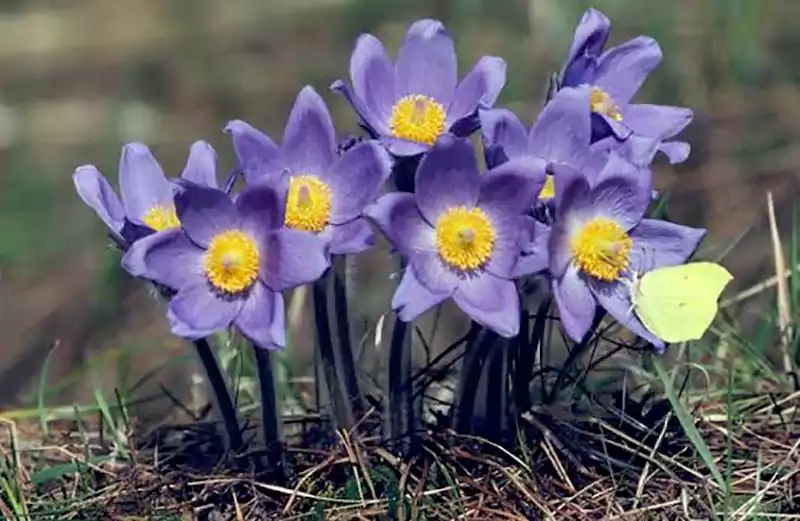 |
|
Pinks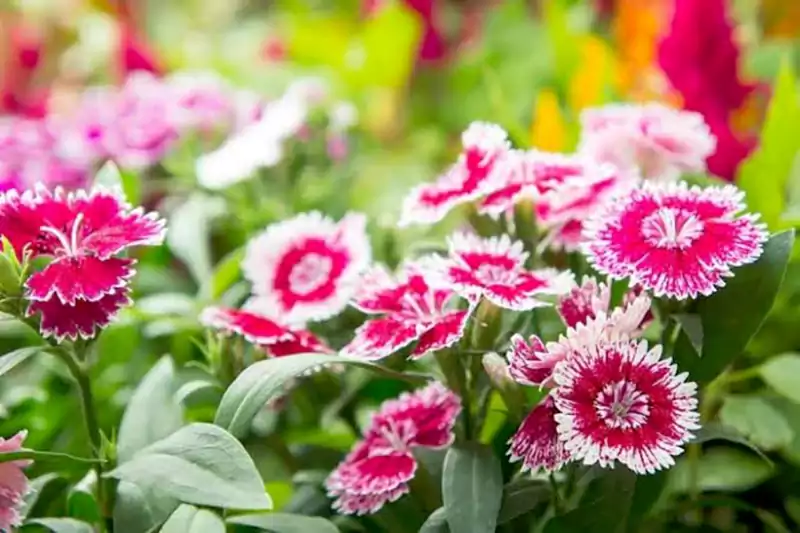 |
|
Read more: Dahlia Flowers: How to Plant This Versatile Herbaceous Bloom?
Conclusion
To wrap up, it is clear that some of the most aesthetically pleasing flowers have their names beginning with P. These blooms not only help in making your space look more eye-pleasing but also have their unique characteristics, which make them more relevant to place both indoors and outdoors.
So, if you are here just to explore the list or are planning to plant these flowers, they will surely add a floral touch to your world.
FAQs
What are the name of flowers that starts with P?
What are some flowers that attract pollinators and start with P?
The common flowers that attract pollinators from P are passionflower, Persian buttercup, pentas, Peruvian lilies, and Phlox.
Which birth flowers start with P?
Poppy, primroses, and peonies are the birth flowers that start with P.
Latest Blog