Find missing shingles, granules in gutters, sagging areas, and water stains. A practical inspection can share much more about it.
What to Know Before Replacing Your Roof
Author
Terri Sander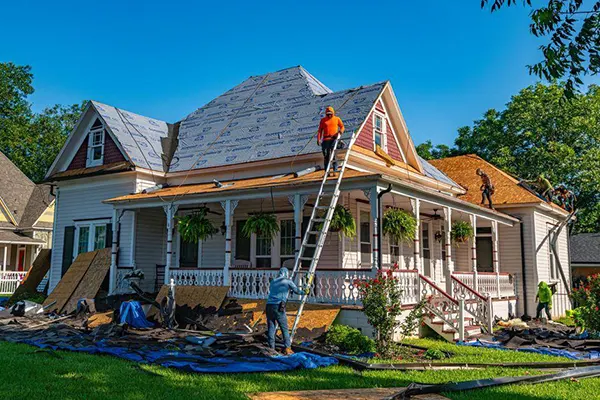
Replacing a roof in Orlando involves more than selecting shingles and defining a crew. Florida’s strong sunshine, ventilation, permissions, insurance and long-term costs.
Planning in advance can help you avoid extra costs and make better decisions related to associated materials, contractors, and installation. This makes it essential to consider these aspects before moving your projects forward.
Keep reading this post to learn what you actually need to know before replacing your roof in Orlando. This will help to save time, effort, and cost and provide reliable work.
Table of Contents:
- Vet the Contractor Like You Mean It
- Understand What Orlando Weather Does to a Roof
- Know When Repair Stops Making Sense
- Choose Materials That Fit the Climate, Not Just the Budget
- Pay Attention to Ventilation and Underlayment
- Factor in Insurance, Permits, and Real Project Timing
- Think Long Term About Value, Not Just Installation Day
- Conclusion
- FAQs
Vet the Contractor Like You Mean It
The quality of a roof replacement depends mainly on who installs it. Even strong materials can underperform if the production process is sloppy. Orlando homeowners should independently confirm licensing, insurance, local experience, and competency with Florida code requirements before signing an agreement.
If you’re considering estimates, look beyond the final number. A bid should explicitly lay out materials, labor, tear-off details, cleanup, warranty advice, and timelines. Vague proposals often lead to very specific problems.
During your search, it can help to observe what a roofing company in Orlando offers in general terms, including material options, storm-related constraints, and local installation standards.
A solid contractor should be ready to answer questions clearly, explain trade-offs openly, and avoid pressure tactics. If someone gets sloppy when details come up, that’s useful information too.
Understand What Orlando Weather Does to a Roof
A roof in Orlando has a tougher duty than many people realize. Heat cooks shingles for months, humidity leads to algae and moisture issues, and storm season puts every weak point on display. Even a roof that looks fair from the street can be hiding lifted shingles, soft decking, or flashing faults.
You’ll want to think beyond age in isolation. A 15-year-old roof in a mild climate may still have life intact. In Central Florida, the timeline can shrink based on material quality and installation rules.
Pay attention to warning signs such as:
- Granules that accumulate in gutters
- Dark streaks or algae spread
- Sagging sections
- Interior water stains
- Missing or curling shingles
A roof rarely cracks all at once. It usually sends hints first. Skipping them tends to get expensive fast.
Know When Repair Stops Making Sense
Repairs are effective, but only up to a point. If leaks keep showing up in new positions or storm damage keeps exposing older wear, patchwork can turn into a payday pit with shingles. You fix one area, then another section determines that it wants attention too.
A full replacement often makes more practical sense when:
- The tear covers a large section
- The roof is nearing the end of its predicted lifespan
- Previous repairs are visible across several areas
- The decking underneath may be defective
- Insurance requirements are becoming increasingly strict
This isn’t about reaching perfection. It’s about marveling at the total picture. If repeated repairs are costing you time, money, and peace of mind, a fresh installation may be the smarter long-term move. Sometimes the cheapest option upfront is the one that keeps taxing you later.
Choose Materials That Fit the Climate, Not Just the Budget
Picking roofing material isn’t only about money. In Orlando, your roof needs to combat UV exposure, sudden downpours, wind, and heat that can quickly transform an attic into a sauna with commitment issues.
Asphalt shingles remain trendy because they’re affordable and widely available. Metal roofing earns attention for durability and energy efficiency, especially when colored coatings help reduce heat absorption. Tile can hold up well too, though it’s heavier and may require structural precautions.
When comparing decisions, look at:
- Wind resistance ratings
- Energy efficiency
- Expected lifespan
- Maintenance needs
- Weight and structural impact
A lower-cost material that wears out quickly can cost more over the years. It helps to evaluate not only installation price, but also maintenance, repair frequency, and how the material is used in Florida-specific settings.
Pay Attention to Ventilation and Underlayment
Most homeowners concentrate on what they can see from the curb. Fair enough. Still, some of the significant roofing components stay out of sight. Ventilation and insulation play a huge role in roof performance, attic warmth, and moisture control.
Poor ventilation can capture heat and humidity in the attic. That can lengthen the life of shingles, raise cooling costs, and create situations where mold feels a little too welcome. Underlayment functions as another layer of protection beneath the outer roofing material, particularly during wind-driven rain.
Ask questions about:
- Ridge vents and soffit vents
- Moisture management
- Synthetic versus felt underlayment
- Ice and water barriers where needed
- Code compliance for Florida conditions
A roof system appears as a package, not a collection of random parts. If the buried layers are weak, the visible layer can only do so adequately.
Factor in Insurance, Permits, and Real Project Timing
Roof replacement has a paperwork side, and it applies more than many homeowners imagine. In Florida, insurers often pay close heed to roof age, material type, and condition. A new roof may help with insurability, but the details vary depending on your policy and service supplier.
Permits are another non-negotiable part of the arrangement. A proper permit helps confirm that the job follows local building codes and inspection requirements. If a contractor recommends skipping that step, your cue to back away has passed.
Also, project timing can differ due to:
- Weather delays
- Material availability
- Inspection scheduling
- Decking repairs discovered during tear-off
- Seasonal contractor demand
Build some flexibility into your plans. A roof project can move quickly when each component lines up, but real homes tend to reveal real anomalies once old materials come off.
Think Long Term About Value, Not Just Installation Day
A roof replacement weighs more than the week crews are working on your house. It reflects resale appeal, monthly energy use, future maintenance, and how effectively you can handle storm season. Buyers notice roof age, and the inspectors do too.
Long-term value often comes from a few simple motions made well:
- Selecting earth-friendly materials
- Prioritizing skilled installation
- Keeping documentation and warranties clear
- Scheduling inspections after major storms
- Handling small issues before they become bigger
Also, learn how roof design choices change a home’s entire appearance.
Conclusion
In the end, a roof replacement is one of the major house-related decisions that will affect your home’s safety, energy costs and future maintenance. Considering this, it makes sense to select an experienced contractor, choose materials that match Florida’s weather, and get permits and insurance to help prevent costly issues later.
It is better to take some time, understand the project timeline, and keep the essential records, warranties, and documents safe. A well-planned roof replacement will help you save money and get the most out of it.
FAQs
How to know that my Orlando home needs a roof replacement?
Which roofing material is best for Orlando’s climate?
Metal roofing and tile can all be best based on budget, structural needs, and choices. Compare wind resistance, maintenance needs, and more.
Can a new roof lower my home insurance cost?
A new roof may qualify for some benefits, based on the insurer, roofing material and policy terms.
Latest Blog