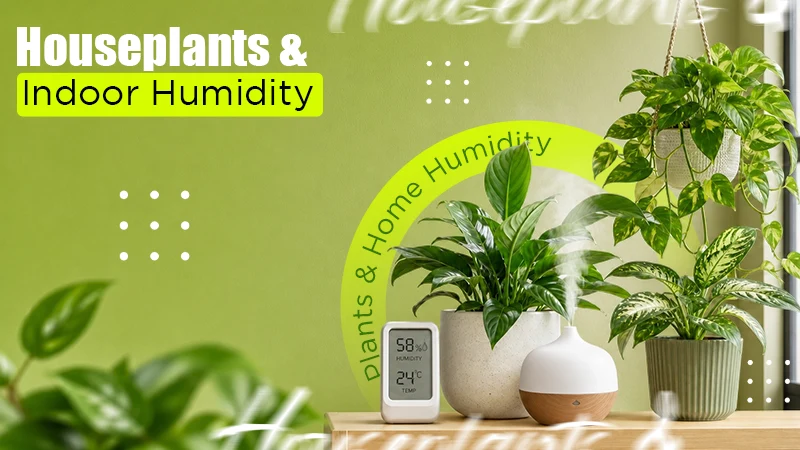
Houseplants increase indoor humidity by releasing moisture into the air through transpiration.
Houseplants and Indoor Humidity: Preventing Mould in a Green Home
Author
Swati Mishra
Love filling your home with plants?
Houseplants bring life to your home. They’re beautiful, they boost your mood, and they transform any space into a lush oasis. But did you know…
Every plant you own is quietly pumping water into the air.
When there’s nowhere for that moisture to escape to, it settles in the coldest, darkest areas of your house. Which is where mould grows. The not-so-fun facts are according to Asthma Australia, 50% of Australians have experienced mould or dampness within their homes in the past 12 months.
The good news?
Having a green home doesn’t mean you can’t have a healthy home too. With some simple lifestyle tweaks (and occasional roof space inspections), you can enjoy the best of both worlds.
Inside this guide:
- Where Does All That Moisture Go?
- How Houseplants Affect Indoor Humidity
- Why A Roof Space Inspection Matters: 66 Ways To Stop Mould In A Plant-Filled Home
Table of Contents:
Where Does All That Moisture Go?
Here’s the thing most people miss…
Warm, moist air always rises. It seeps up through gaps around downlights, exhaust fans, and ceiling manholes. Up into your roof cavity. Where it condenses back into water when it hits the cold underside of your roof.
That’s condensation. And you’ll never notice it from your living room.
Condensation left alone long enough will penetrate insulation, stain ceilings, and rot timber framing. The mould loves these dark, damp, stagnant areas because no one ever goes up there to look.
That’s why checking the roof space is an important step when maintaining a house with plants. When you read about what a building inspector checks, you’ll see that roof space is near the top of the list. Inspectors check for damp insulation, water staining, poor ventilation, and the early signs of mould on rafters and sarking.
It really is that simple. What goes up… has to be managed.
How Houseplants Affect Indoor Humidity.
Water enters the plant from the soil through the roots. However, plants only store a small amount of water.
The leftover water is released through their leaves as water vapour. When water releases from plants into the air, it’s called transpiration. Over 90% of the water absorbed by a plant is released into the air by transpiration.
Pretty wild, right?
A plant on a windowsill isn’t going to do much. Furniture, carpets, and fabrics absorb most of that moisture. Now imagine what happens when you have:
- Dozens of plants packed into one room
- Pots sitting in trays of standing water
- Soil that gets watered too often and never dries out
You now have a constant stream of humidity available 24 hours a day. With cooking, hot showers, and drying clothes indoors…your humidity levels can rise fast.
So what’s the right level?
ASHRAE’s heating and cooling engineers suggest you should maintain indoor humidity between 30% and 60%. If it increases above that for extended periods of time, condensation occurs on cold surfaces. Mould spores also find the damp environment they need to thrive.
Signs Your Plants Are Adding Too Much Moisture
Your home will constantly give you clues that the air is too humid. You just have to know what clues to spot. Watch for:
- Foggy windows first thing in the morning
- A musty smell in rooms with lots of plants
- White fuzz or mould on top of the potting soil
- Black spots on walls, window frames or ceilings
If you notice two or more of these, it’s time to take action.
Why A Roof Space Inspection Matters
Most mould problems begin small. A bit of moisture here, a dark patch there…
When you notice mold on your ceiling, there is typically a larger problem above it.
Inspecting your roof space allows you to nip the problem in the bud. You get a clear understanding of your:
- Ventilation: Is warm, wet air able to escape, or is it trapped?
- Insulation: Is it dry and sitting properly, or damp and squashed flat?
- Timber: Are there water stains, soft spots, or black spotting?
- Exhaust fans: Outside vented or just blowing steam into the attic?
That’s important. Many homes are equipped with bathroom and kitchen fans which vent directly into the roof cavity. Combine this with a house full of thirsty plants, and you have created the ideal mould-making machine.
Advice: Schedule a roof space consultation in Autumn. Condensation is at its peak during Winter months, so that’s the ideal time to identify trouble areas.
6 Ways To Stop Mould In A Plant-Filled Home
You don’t have to get rid of your plants. You just have to control the humidity they emit. Try one or two of these tips and notice the improvement.
Get A Hygrometer
You can’t fix what you can’t measure.
An inexpensive digital hygrometer will read the actual humidity level in a room. Place one in your room with most plants and monitor daily for a week. If it consistently rises above 60%, take action.
Water Smarter, Not More.
The most common problem made by plant parents is overwatering. Wet soil continuously releases moisture into the air long after your plant is satisfied.
Test your soil with your finger before watering. If the top few centimetres feel moist, wait till later. Empty drip trays after an hour or so. You don’t want water evaporating all day.
Spread Your Plants Out
Planting plants together forms a humid little microclimate. Fantastic for ferns… not so good for the wall behind them.
Position pots a few centimetres from walls/windows to allow air circulation. Don’t crowd plants into little rooms that have poor airflow (laundry/bathrooms without windows).
Pick The Right Plants
Different plants transpire different amounts of moisture. Large leafy tropical plants transpire heavily. Cacti, succulents, and snake plants transpire much less.
If you live in a damp house, go with low-water houseplants. You can still have a green house without adding humidity.
Keep The Air Moving
Fresh air is mould’s worst enemy.
Leave your windows open for 10 – 15 minutes a day (even in winter). Use exhaust fans when showering or cooking. Keep a ceiling fan on low to prevent humid air from collecting.
Check The Roof Space Every Year
Throwing insulation over your roof vents might keep them out of sight, but it shouldn’t be out of mind. Make it a yearly task to inspect your roof space so you can find damp insulation, blocked vents, and early mould before they become expensive repairs. It’s one of the simplest steps you can take to safeguard both your home and health.
Your Green Home Game Plan
Houseplants and a healthy home can coexist. Just be mindful of the humidity they release into the air.
To quickly recap:
- Measure humidity with a hygrometer
- Water less often and empty drip trays
- Give plants space and airflow
- Choose low-moisture plants for damp homes
- Book a regular roof space inspection
Get these basics right, and you can enjoy your indoor jungle… without the mould.
Frequently Asked Questions
How do houseplants increase indoor humidity?
What humidity level helps prevent mould?
Keeping the humidity level between 30% and 60% prevents mould and supports a healthy lifestyle.
How to reduce mould in a plant-filled home?
Avoid overwatering, spread plants across your home, improve airflow, and check the roof space regularly to reduce mould in a plant-filled home.
Latest Blog