To prevent rust, wipe the surface dry after every use to protect it from the rust caused by water impurities. Avoid leaving the metal utensils in the sink for an extended period of time, as it can also lead to rust transfer.
How to Clean Stainless Steel Sink Effortlessly?
Author
Terri SanderReviewed By
Cody Allison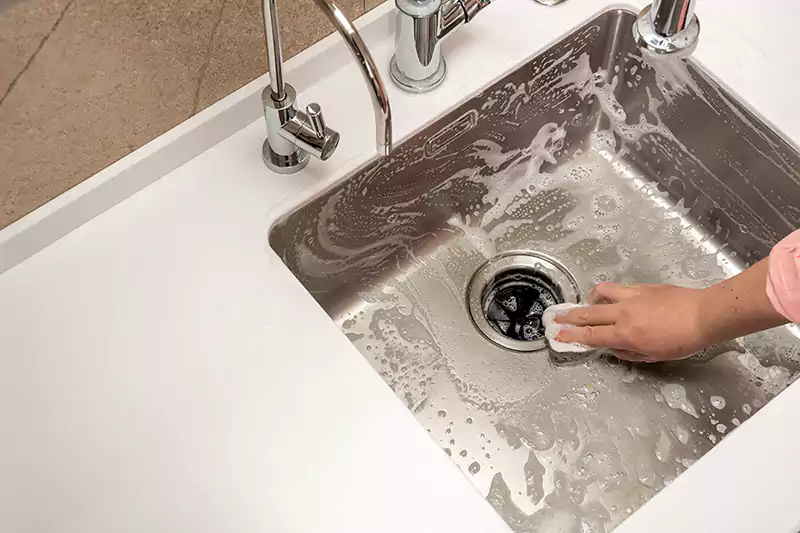
Stainless steel sinks offer a modern and versatile look that complements various kitchen styles, whether it’s industrial or minimalist. However, like the fridges and dishwashers, these sinks are also prone to grime, bacteria, and fingerprints. So, to maintain that cohesive appearance and durability, keeping them clean is essential.
Cleaning the stainless steel sink is not as difficult as it looks. I will enlighten you on how to clean stainless steel sink, from daily care to maintenance tips, to keep the shine of your newly installed sink as it is.
Table of Contents:
How to Clean Stainless Steel Sink?
Being non-porous and resistant to corrosion and rust, these sinks are naturally made for maintaining the new sleek look for a longer time. But to maintain their shine and durability, you need to know how to clean stainless steel sink in the right manner. And actually, it is quite an easy process in which you just have to scrub it with a baking soda and soap mix, wash it thoroughly and wipe it dry with a microfibre cloth to enhance the overall kitchen hygiene.
Take a look at the steps in detail:
5 Easy Steps of Cleaning Stainless Steel Sink Regularly
Step 1: Empty the Sink and Initial Rinse
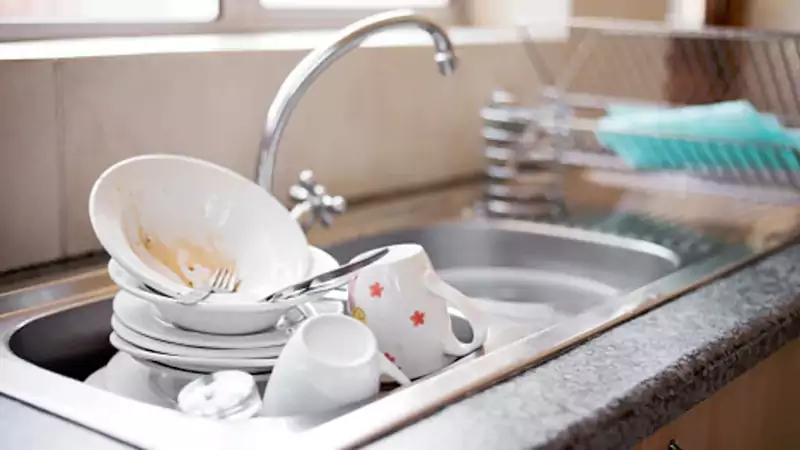
First, remove all the dishes, debris, and food particles from your sink. This means load the dishwasher and drain all the leftover particles. Also, remove the basin trays and sponges that you usually keep there to have unobstructed access to your sink surface. Rinse the entire surface with warm water to loosen the grime.
Step 2: Apply Baking Soda and Soap
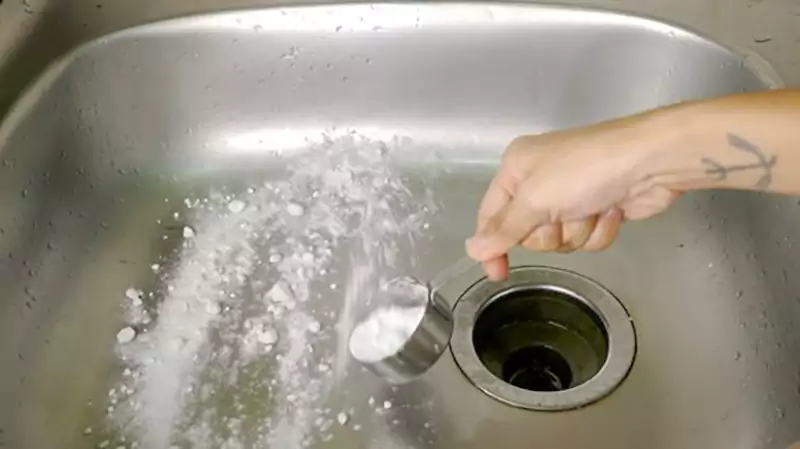
Next, sprinkle a generous amount of baking soda on the damp sink surface. You can also apply the baking soda and dish soap mixture directly. I don’t do any measuring of the amount and just dust the soda and drizzle the liquid soap on the entire surface, and add more later if it’s needed.
Step 3: Scrub
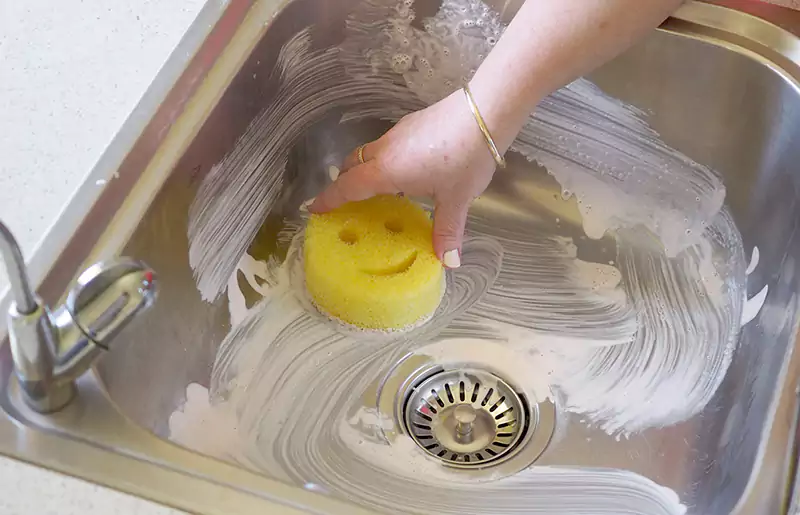
Now comes the most fun part of cleaning stainless steel, and that is scrubbing. I scrub the basin gently using a soft sponge or a brush. Ensure to follow the direction of the metal grain to prevent scratching. Furthermore, don’t forget to clean the faucet, handles, and your strainers apart from the sink.
You can wear gloves as the process is quite messy, but cleaning with your fingertips will help identify the spots that need more attention and cleaning.
Quick Tip
Avoid scrubbing the surface in circular motion as it goes against the material’s natural grain and can create permanent and highly visible micro scratches.
Step 4: Final Rinse
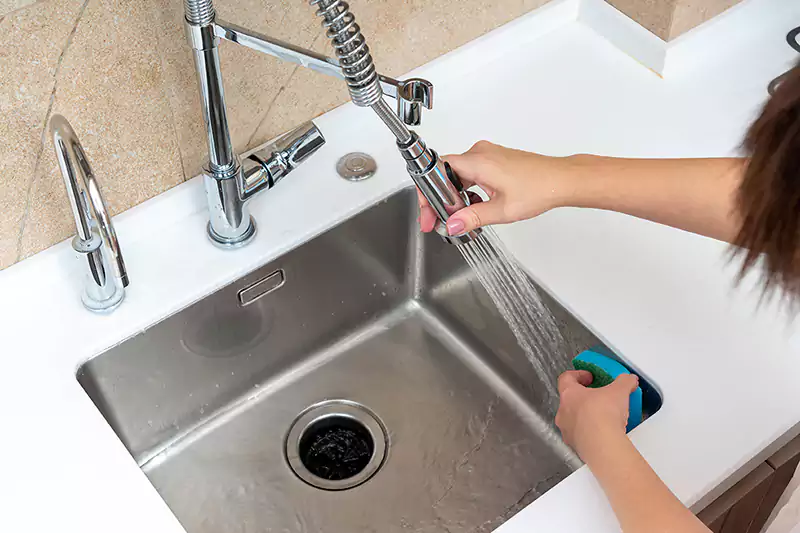
Rinse the sink thoroughly with warm water to remove all the cleaning agents, ensuring that no residue remains. If you find some dirt still there in the edges and corners, just sprinkle some baking soda, scrub the area again, and wash it off.
Step 5: Wipe and Dry the Surface
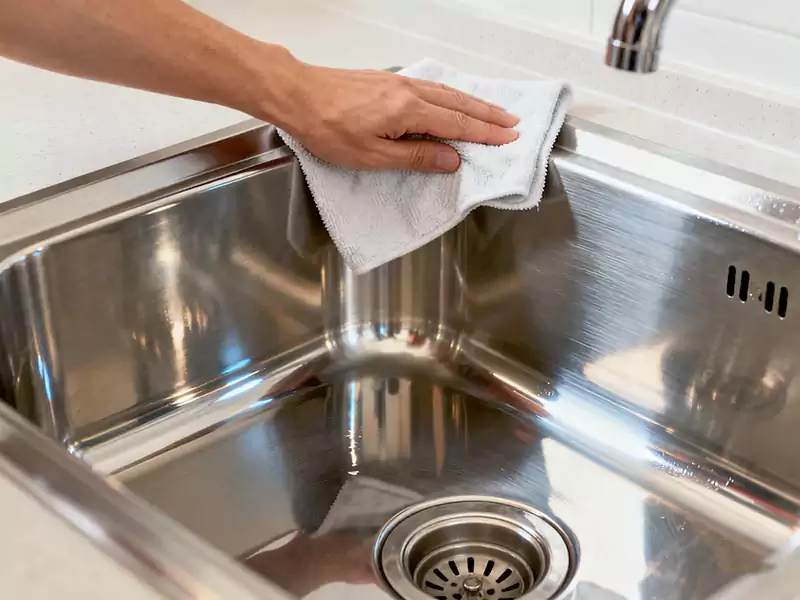
At last, I wiped the entire surface with a microfibre cloth to prevent water spots and streaks. You can also buff the surface with some olive oil to make it shine.
Removing Tough Stains and Rust
- Mineral Deposits: If you see any hard stains, spray some white vinegar or use vinegar-soaked paper towels on the stains and let it sit for 15-30 minutes, and then scrub. It will dissolve all the mineral deposits.
- Rust Stain: To remove the rust spots, you can create a paste of baking soda and vinegar and apply on the area. After 10 minutes, scrub the area with a non-scratch sponge. You can also use lemon juice and salt, and let it sit for 30 minutes, and later scrub it similarly.
Why Should You Clean the Stainless Steel Sink?
Stainless steel is recognised for its natural durability and luster, but it is not immune to daily kitchen wear and tear. The deep cleaning with the right cleaning agents not only maintains its appearance but also reduces bad odours and prevents corrosion.
- Maintains Hygiene
Clean a stainless steel sink daily as it improves the overall hygiene. Sinks are the spots for bacterial growth from the dirty dishes and the food prep. Cleaning agents like baking soda, soaps, and vinegars have antibacterial properties that ensure a sanitary environment for rinsing the dishes.
- Eliminates Odour
Food residue is not only visually unappealing, but it also causes unpleasant smells in the kitchen. The regular scrubbing with stainless steel sink cleaner, like soap or lemon juice, will eliminate the odours and add a refreshing scent to the area.
- Prevents Rust and Corrosion
Stagnant water, harsh cleaners, or leaving the metal items in the sink can cause damage to the protective layer of the steel. By knowing how to clean sink, you can prevent such issues and keep the new shine of the stainless steel floor mop sink intact for years.
- Removes Limeslake
With the best method of how to clean stainless steel sink, you can prevent the white chalky stains around the faucet and drains, caused by hard water. This will lead to better preservation of its shiny appearance.
Dos and Don’ts For Maintenance of the Stainless Steel Sink
Daily maintenance is the key to addressing the hidden issues beforehand and improving the sink’s longevity, such as cleaning in the direction of the grain and drying after each use to prevent water spots. Here are some essential dos and don’ts of maintenance that you should follow, along with the best way to clean stainless sink:
| Dos | Don’ts |
| Wipe the sink dry after each use to prevent water spots and mineral deposits. | Never leave food residue like tea bags and citrus peels in it for a long time. It can lead to stubborn discolouration. |
| Clean in the same direction as the brushed metal finish to prevent scratches. | Don’t overapply the cleaner and polish on the surface, as it can cause a foggy or hazy appearance. |
| Always run cold water in the sink after pouring boiling water to protect both the sink and plumbing. | Never leave metal utensils and pots in the sink for a long period of time, as it can lead to rusting and scratches. |
| Use the bottom grid in the sink to protect it from scratches from the dishes and pots. | Avoid the harsh tools like steel wools, wire brushes, and the harsh cleaners that can lead to scratches and a dull appearance. |
| Make sure that your drain is working well, and there is no standing water in the sink to prevent the spots and chances of corrosion. |
Common User Questions on Stainless Steel Sinks
While researching how to clean a stainless steel sink, I came across some user questions on Reddit regarding issues like water spots, brown spots, and cleaning the corners. I observed that these problems were quite frequent among the users. Let’s see some of them and discuss their most likely solutions:
- How can I keep my new stainless steel sink looking fresh? It has water spots and stains that are developing despite constantly cleaning it?

Solution: First, clean the existing water spots and stains using vinegar or baking soda paste. Try to wipe the surface dry with a microfibre cloth after every use to prevent the water spots from recurring. To restore the shine, buff the surface with olive or mineral oil.
- How can I clean corner of stainless steel sink?

Solution: To clean the tight spots like corners, consider using a toothbrush dipped in dish soap. If the stains are still not going away, apply lemon juice or white vinegar, and let it sit for a few minutes. Scrub it with the toothbrush and rinse with warm water.
- What is this brown buildup in my work’s sink and what is the best way to clean it?
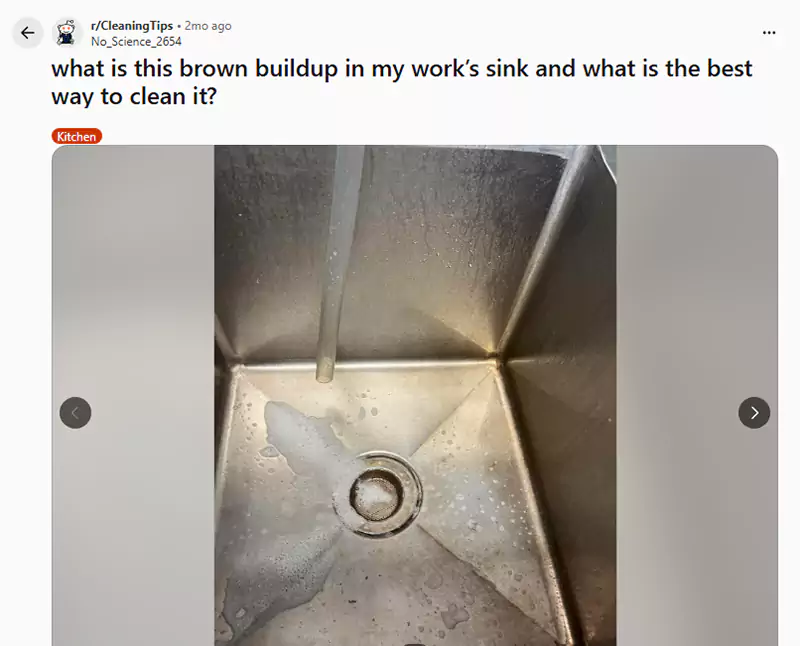
Solution: The brown buildup of the kitchen sink could be rust, mineral deposits, or stains. You can scrub it with a vinegar and dishwashing soap mix or with baking soda and rinse thoroughly afterwards.
Final Thoughts
Stainless steel sinks are the top choice for kitchens worldwide, offering a perfect blend of modern aesthetic appeal, affordability, and exceptional durability. While they are highly resilient, they can suffer damage from the harsh environment of a busy kitchen.
Now that you are aware of how to clean stainless steel sink, you can enjoy its clean and clutter-free look with minimal effort and time. Anyone can retain the new shine and quality of the steel for years, with the above-mentioned daily maintenance dos and don’ts and weekly deep cleaning with baking soda.
FAQs
How can I prevent rust on my stainless steel sink?
Can stainless steel sinks rust?
Yes! They can rust because they are stain-resistant, not rustproof. Though they have a protective layer, these sinks can get damaged with the kitchen wear and tear, leading to rust on the surface.
How do you clean a stainless steel sink?
The best way to clean a stainless steel sink is to scrub it with a baking soda and soap mix and rinse with warm water. The method works well to remove the stubborn stains and dirt. At last, wipe it dry with a microfibre cloth to prevent the water spots.
How often should I deep clean my stainless steel sink?
You should deep clean it at least once every 1-2 weeks with baking soda. In the daily maintenance, you can rinse the sink thoroughly and wipe it dry after every use.
Is it safe to use vinegar on my stainless steel sink?
Yes! Diluted white vinegar is found to be highly effective in removing hard water stains and mineral deposits. But it must be rinsed in 5-10 minutes to prevent it from causing damage.
Sources:
kitchen sink – Britannica
Latest Blog