The answer is yes! Adding a rug on top of the carpet helps you create different areas and makes your design more interesting. Go for a lower pile to avoid bumps on the carpet.
Layering Textures 101: How to Combine Rugs, Pillows, and Throws Like a Pro
Author
Claire DouglasLast Update
September 22, 2026
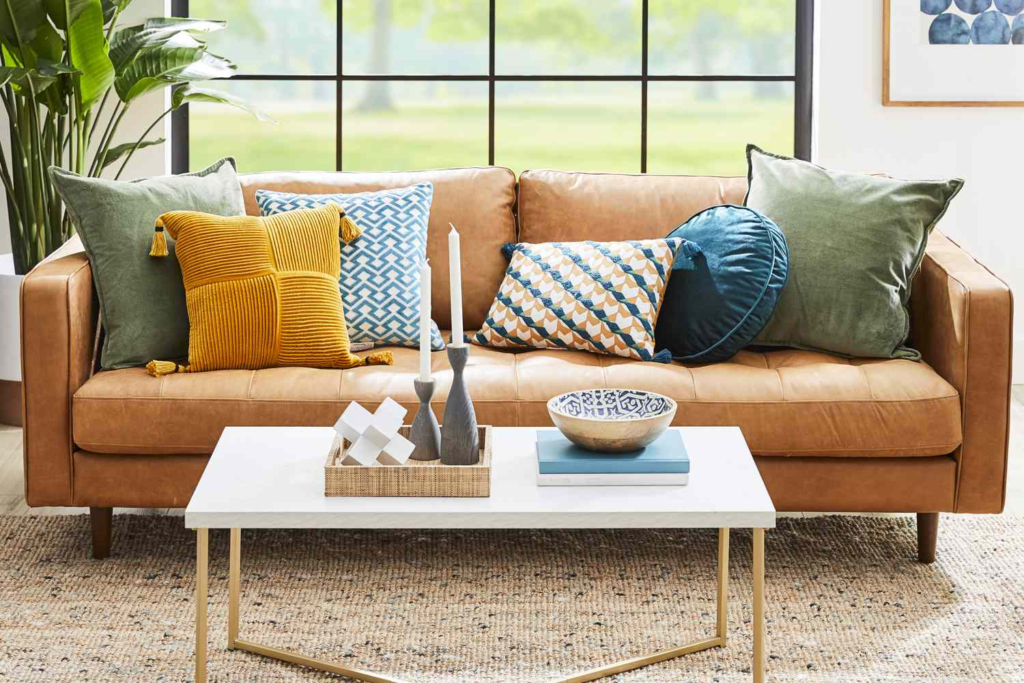
Layering textures is one of the easiest ways to make any room feel warm, stylish, and thoughtfully decorated. Do you ever wonder why? Well, here’s where the concept of it pops up! By combining rugs, pillows, and throws, you can add comfort and warmth to your space, making it presentable as well as cozy.
Through this blog, you will learn the fundamentals of texture layering, strategies, styling tips, points to avoid, and much more. Whether you are decorating a living room, bedroom, or a comfy study room, this technique of texture layering will elevate your home’s aesthetics.
Table of Contents:
The Fundamentals of Texture Layering
Texture layering is the art of combining different materials and fabrics to create a space that isn’t just visually appealing but also comfortable. Instead of just relying on a simple and ongoing texture, you may bring on contrasting elements to gain aesthetic appeal. These may include soft throws, woven rugs, and cushions, which add value to the existing furniture.
Before proceeding, ensure building confidence and familiarity with the concept, and add these value points to your mind.
1. Understanding Different Types of Textures
Every material brings a different feel and visual appeal to a home. While soft materials such as cotton and wool can bring comfort and warmth, the hardy natural materials like wood or jute may add a relaxed, earthy touch. Mixing different textures may prevent a space from looking boring and monotonous.
2. Creating a Balance Between Soft & Hard Elements
A well-designed space needs a balance between soft and structured elements. Soft elements such as plush pillows, cozy throws, and soft rugs add to the comfort, warmth, and visual aesthetics of a space. On the other hand, harder surfaces like wooden furniture or glass doors may add to the structure and contrast needed. Thus, combining these may add to the harmonious integration of soft and hard elements, ensuring a mix of warmth and strength together.
Grounding the Room: Rug Layering Strategies
Rugs play an important role in differentiating a house and a home. It acts as a foundation that ensures an in-depth connection between furniture, colours, and décor elements. They also add warmth, motivation, and comfort to a room. The core purpose of layering rugs is to create depth in large and open spaces.
Here’s what you need to keep in mind:
- Start With a Large Base Rug
A large rug acts as a foundation layer that ensures adjusting the furniture to the room’s essence. Ensure choosing a neutral design for the base rug to create a balanced stage. Natural materials like jute, wool, or cotton can turn out to be a great option to add a cool texture along with the heavy decor elements.
- Add a Smaller Rug for Contrast
Placing a smaller rug over the larger base layer adds dimension and visual appeal to it. Ensure choosing a rug with a different texture, pattern, and colour to create a contrast while keeping the overall look coherent. Maintain a balanced approach, ensuring your rugs complement each other.
Styling the Couch: Pillows and Throws
The couch is generally considered the centrepiece of a living room. Adding pillows and throws to it makes it not just stylish but inviting and warm enough. These elements align comfort, warmth, colour hues, and textures with the overall appearance of a space.
- Using pillows of different sizes and shapes can create a layered structure. Mixing square, rectangular, and round ones may add to the visual interest, ensuring comfort.
- Mixing materials such as velvet, linen, cotton, and wool may enhance the texture of your couch.
Avoiding Common Styling Mistakes
To avoid making your bedroom look cluttered and unbalanced, stop overlayering rugs, pillows, or throws. A few thoughtful choices may help you achieve a polished look with comfort and warmth.
- Avoid using too many colours and patterns altogether.
- Do not ignore the scale and proportion of decor items. Too large or too small may disrupt the overall balance of a room and may require you to add an entire recovery pin.
- Make sure not to overload your couch with excessive pillows and heavy throws.
Quick Texture Formula Cheat Sheet
Creating a layered space that is equally beautiful and comforting doesn’t have to be complicated. Here are a few points for you to consider while trying to achieve a balanced and designer look.
- Choose a large rug in a solid pattern to bind the room.
- Mix smooth, soft, and knitted fabrics to add depth, ensuring a layer of contrasting textures.
- Pair a bold pattern with a simple design or a solid colour that is soft in gradient.
- Ensure arranging the large cushions at the back with the small ones at the front.
- Avoid overstuffing or overaccessorizing and keep a healthy breathing space.
Conclusion
Layering rugs, pillows, and throws is an easy way to make your home feel warm, cozy, and stylish. However, by balancing textures, colours, and patterns, you can create a space that isn’t just polished from the outside but also homely from within. Begin with a simple foundation, experiment with combinations, and let your style shine through.
Frequently Asked Questions
Is it possible to put a rug on top of the carpet?
How many throw pillows should be used for a sofa?
The general rule is to use about 3-5 pillows for a standard 3-seat couch. There should be enough variety of textures and patterns while being able to sit on the couch comfortably.
Do my throw pillows need to be in perfect sync with the rug?
No! You don’t need your pillows to be in perfect sync with the rug. You just need to make sure that they coordinate well. Pick 2 or 3 colours of your rug and use them for your pillow covers.
Latest Blog