Direct exposure to sunlight can scorch the leaves of the plant. It is advisable to place the pot where it can get filtered light, preferably near an east-facing window.
Polka Dot Plant Care: Explore Some Quick Fixes and Expert-Backed Advice For a Blooming Plant!
Author
Annette Hird
Polka Dot plants (Hypoestes phyllostachya) add a cheerful color to indoor spaces with their variegated pink and green leaves. It is a species of flowering plant, native to Madagascar, South Africa, and Southeast Asia.
To keep this botanical marvel bright and healthy, it demands the right care. Many plant lovers on Reddit, like lemon lark, found the bloom a drama queen, while others keep asking about Polka Dot plant care tips and how to avoid leggy stems and fading leaves.

Since so many garden enthusiasts are looking for a trustworthy care guide, we have curated an expert-backed guide that covers effective tips and tricks for the overall development of this exotic bloom.
Table of Contents:
How to Care for Polka Dot Plant?
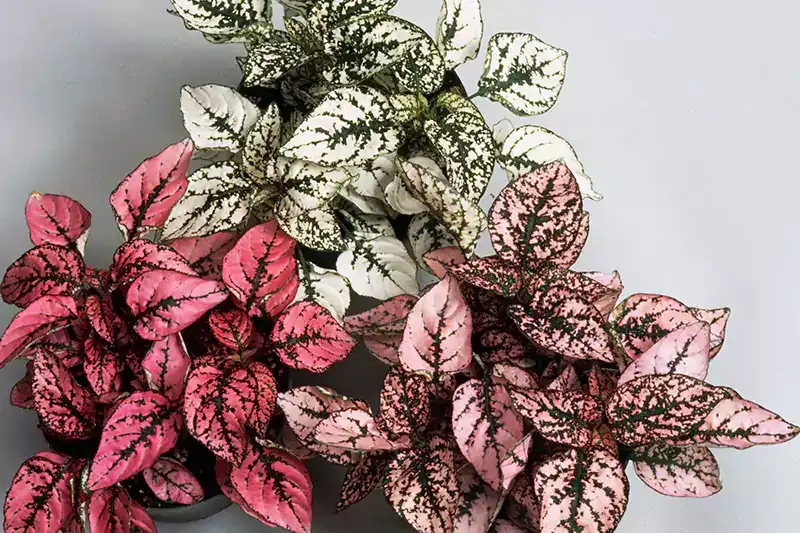
The cheerful spotted leaves of the genus, available in different hues, can instantly brighten any corner. However, to maintain the charm of the genus, you need to balance light, water, and attention effectively.
Sunlight Exposure:
The Hypoestes Polka Dot plant does not require direct sunlight, as it is considered an indoor ornamental houseplant with variegated leaves. Placing the pot near an east or south-facing window can be an ideal option.
If you are planning to grow the Polka Dot flowers outdoors in your front lawn, make sure you place them in a shaded area where they receive filtered sunlight.
Water Requirements
Adequate watering is the most important step when focusing on Polka Dot plant care. It is necessary to keep the soil evenly moist, but avoid making it soggy to prevent root rot. The ideal method is to wait until the top 2–3 inches of the potting mix dry up.
During winter, adjust the frequency of the water, and if you are living in areas having a prolonged dry spell, it is ideal to water the plant frequently for optimal growth.
Soil Type
These spotted blooms require well-draining, organic-rich soil to flourish. Slightly acidic soil with a pH level between 6.0 to 6.5 works wonders for this genus.
Additionally, try mixing organic matter like compost or manure once in a while to increase the fertility of the potting mix.
Fertilizer Needs
Apply a well-balanced, water-soluble fertilizer at regular intervals to help the plant in complete nutrient absorption.
If you are growing the genus as a houseplant, adjust the frequency, especially during winter, to avoid killing it. Make sure to use the plant food in a balanced ratio of 10:10:10 to promote lush growth.
The leaves of the genus are the true speakers of its health. Whether it is about maintaining the foliage color or about creating the right humid environment for bloom, following the care guide accurately can give you a luxuriant plant. Mastering Polka Dot plant care is like nurturing a little burst of joy indoors or outdoors.
Pink Polka Dot Plant — Potting and Repotting

Polka Dot Plant, also called Freckle Face plant, can easily transform any dull corner and make the space more lively. You can ensure your plant’s health by giving it proper care during its early stages. Let us begin by understanding the accurate potting and repotting technique for the genus.
Potting
Pot the plant in a small container with drainage holes to prevent soggy soil. Use a light, well-draining potting mix that allows air to reach the roots of the plant.
Place the bloom in the center, spread the roots gently, and fill the pot with soil around the roots. Furthermore, press it nicely to secure the genus and water it adequately, only to keep the soil slightly moist. The best time to pot a full grown Polka Dot plant is during spring to witness a blooming species.
Repotting
Repot the Polka Dot species if you feel it is cramped or the roots of the plant are popping out from the drainage holes. Gently loosen it, slide it out, and shake off any extra soil around the roots. Place it in a bigger pot at the same depth as the previous time.
Fill all the gaps with soil, water the plant gently, and allow it to settle down. Repotting allows the bloom to flourish, absorb all the nutrients from the soil, and give you brighter foliage.
To ensure proper care for Polka Dot plant, it is important to focus on every aspect. You simply need to provide the species with the right growing environment, and it will reward you with its alluring appearance.
Polka Dot Plant Propagation and Pruning

Moving further, this section explains how to prune and propagate Polka Dot plant successfully, so that you can give the genus a tidy look while increasing your collection.
Pruning Hypoestes Pink Polka Dot
Prune a Polka Dot plant to keep it bushy and vibrant. Cut or pinch back the top two leaves of the genus, or any leggy leaf nodes, to promote new growth or side shoots.
Remove any yellow or weak leaves, so that the plant can save all the nutrients for the fresh and colorful growth. Pruning not only maintains the genus but also gives it a tidy look.
Propagation of Polka Dot Plant
If you have followed the steps for pruning correctly, propagating the Polka Dot plant indoor or outdoor, can be easily done. The stem cutting method can give you great results, especially during spring or summer. See how muffinmamamojo kept the trimmings in water, and it flowered beautifully.

Take healthy stem cuttings with at least two leaf nodes and place them in a container with water. The roots of the genus develop quickly, allowing you to expand your plant collection.
Both pruning and propagation ensure a fuller and vibrant growth of the species. If you are planning to give your living room a soft touch, adding a Polka Dot plant can be an ideal option.
Polka Dotted Plant Care – Common Pests and Diseases
Similar to other houseplants or garden blooms, the Polka Dot plant is also susceptible to many common pests and diseases. If you notice yellow, droopy leaves, there is a chance that your bloom has been infested with pests.
| Pest/Disease | Symptoms | Treatment |
| Mealybugs | A white powder-like substance on the surface of the leaves. | Use an insecticidal soap, or try spraying horticultural oils. |
| Aphids | Green, yellow, white, or red sap sucking insects, usually found on the underside of the leaves or stems. | Throw a strong stream of water to wash away the insect, or simply use any chemical fertilizer to get rid of it. |
| Spider Mites | Silky and tiny webs on the underside of the foliage or on the stems. | Isolate the plant and wash the leaves with an insecticidal soap. |
| Root Rot | Stunted growth, yellow/brown wilting leaves, and soggy soil. | Adjust the frequency of watering and make sure the soil is permeable. |
| Powdery Mildew | A fungal disease that leaves a white powder-like substance on the surface of the leaves. | Avoid overwatering and do not wet the leaves. While misting, make sure the leaves dry up as soon as possible. |
The simple mantra that one should follow to keep this freckle plant alive is “everything in moderation”. Avoid keeping the bloom under direct sunlight for long hours, and do not overwater; it’s as simple as that!
Conclusion
To sum up, we can say that proper care keeps the Polka Dot plant colorful, compact, and healthy throughout the year. If provided with bright indirect light, consistent watering, and regular pruning, the plant tends to maintain strong growth and patterned foliage.
We hope that this guide was able to bring together some of the effective, tried and tested care tips for this exotic plant. Go ahead, follow the guide and add happy houseplants to your indoor spaces!
FAQs
How much sun does a Polka Dot plant need?
Do Polka Dot plants like humidity?
Yes, Polka Dot plants thrive in areas with humid conditions. If you are planning to keep the species indoors, mist the leaves regularly, especially during a dry spell.
How do you care for a Polka Dot plant indoors?
To care for a Polka Dot plant, place the pot near an east-facing window where it can receive morning sunlight. Moderate watering should be done to keep the soil moist, and fertilize every 4–5 weeks to promote new growth.
Why are the leaves falling off my Polka Dot plant?
The leaves of the Polka Dot plant may fall off due to watering issues. Dry air or fluctuation in temperature can also cause droopy leaves. Polka Dot plants find it difficult to survive in frosty areas.
How do you keep a Polka Dot plant bushy?
Regular trimming or pruning is mandatory to keep the Polka Dot plant bushy and vibrant. Pinch back the leaves of the bloom to encourage new growth.
Sources:
How to Grow and Care For a Polka Dot Plant – BBC Gardeners’ World Magazine
Polka Dot Plant, Hypoestes phyllostachya – University of Wincosin
Latest Blog