The following are the habits:
- Do a monthly walk-through
- Schedule annual inspections
- Keep a maintenance log
- Build a preventive care fund
Author
Terri SanderLast Update
September 30, 2026
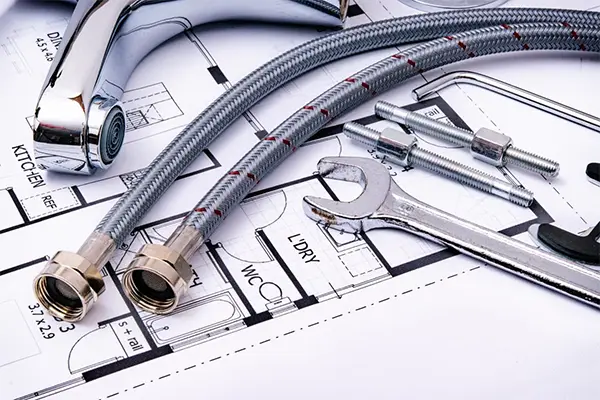
Any homeowner who has neglected routine maintenance and faced the consequences later knows for a fact that if they had monitored the signs before and acted on them, they wouldn’t be facing the situation they are in now.
Emergencies don’t happen suddenly. They tend to build and creep up until they are noticeable enough to cause a huge ruckus in the house. This is why many homeowners prioritize preventive home care, allowing them to stay on top of things early.
This guide outlines a few simple preventive habits that actually work and what the real cost of waiting until something breaks actually is.
Preventive home care is not about being paranoid. It’s about being smart.
All of your home’s major systems – HVAC, plumbing, roofing, electrical – gradually deteriorate over time.
Most homeowners don’t see it coming. Until the pipe bursts, the AC goes in peak summertime, or the water heater floods your basement.
Sound familiar?
Houses that don’t suffer these catastrophes aren’t blessed. They simply get maintenance inspections. Take care of your house like you would your teeth… A little filling now is better than a root canal in six months.
Preventive care wins every time because it’s:
Pretty cool, right?
Looking to protect your family’s health and avoid all plumbing concerns? Installing a reliable water filtration system may be the wisest preventive investment any homeowner can make.
Here’s why this matters so much:
Did you know that untreated tap water poses a negative impact on more than just your family’s health? It also gradually wreaks havoc on your pipes, fixtures, and appliances.
Minerals, chlorine, and sediment accumulate over the years, thus leading to corrosion, slow water pressure, and premature system breakage.
The best way to ensure proper water filtration system installation is by partnering with a quality plumbing service that knows your home’s unique configuration. They’ll evaluate your water quality, suggest the most effective type of system for your needs, and install it to function efficiently for years to come.
The benefits are massive:
Installing a quality water filtration system will usually pay for itself within 3-5 years simply through the longevity of appliances. That’s BEFORE the health benefits are considered.
Filtered water is important for homes with older pipes. By installing a good water filtration system, you’ll trap contaminants before they turn into a hazard to your health or pipes.
The majority of homeowners don’t understand the true cost of “waiting”. You may think you’re saving money by avoiding smaller repairs. In reality, you’re doing just the opposite.
Consumer Reports just revealed that average emergency home repairs cost over $1,200, while regular maintenance averages $100. 12x markup for the exact same problem.
Here’s what usually happens:
You notice a minor leak underneath your sink. You may think nothing of it and forget about it. Weeks later, the leak has crept through the cabinet, damaged your flooring, and caused mold to grow behind the drywall. A $50 repair quietly inflates into a $3,000 renovation job. And that’s just plumbing.
The same happens to your:
It happens every time. Little warning signs are ignored … Till they blow up into big problems that were easily solved for a small cost.
Yahoo Finance agrees. They report that one dollar invested in preventative maintenance can save you $100 in future repairs. Think about that. A 100x return most folks never consider.
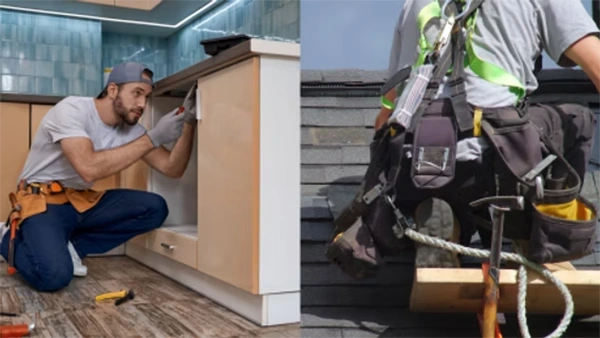
Homeowners need to develop a few simple habits. They don’t have to be maintenance mavens to keep their homes protected.
Just 15 minutes a month can save thousands. During the walk-through, look for:
The best thing you can do is go through these little problems. Take note of anything that seems rather suspicious and have them fixed within the week.
Some things need a professional eye. Book annual check-ups for the:
Inspections typically run $100-200 each. However, they find issues that would be thousands of dollars later.
Snooze fest, sure. But it pays off. A simple maintenance log will tell you when things were last maintained and what is due up next. It will also increase your home value when reselling, as people like to know a home was maintained correctly.
Here’s what to track:
Just a plain spreadsheet works fine. No need to make it complicated.
Put away a little every month for preventive maintenance. $50-100/month doesn’t seem like much, but it builds up quickly. When inspection/replacements come up, you’ll have the money. No anxiety, no credit cards, no frantically calling the bank on Sunday.
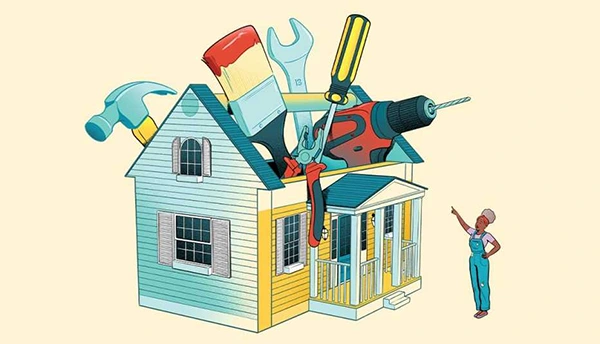
Preventive home care is one of the wisest investments a homeowner can make. It may not appear that glamorous. It surely won’t make your house look nicer on your socials. But it definitely will:
Luck is not what causes the homeowners with the worst disasters. They simply ignored the little things for too long.
Don’t let that be the story of this home.
Begin with the simple things. Monthly walk-throughs, yearly inspections, and correct installation of water filtration systems. Let that be your foundation, then you can expand. Prevention may not seem so flamboyant, but it works. And your bank account will thank you.
The following are the habits:
The real impact of waiting is that the issues keep developing and suddenly burst wide enough to make a noticeable appearance to anyone. This not only inflates the cost required to fix the problem, but also causes a lot of discomfort.
The following are the benefits:

Premium home decor & furniture — crafted for comfort, designed for you.
Copyright © 2026 Abodelook.